

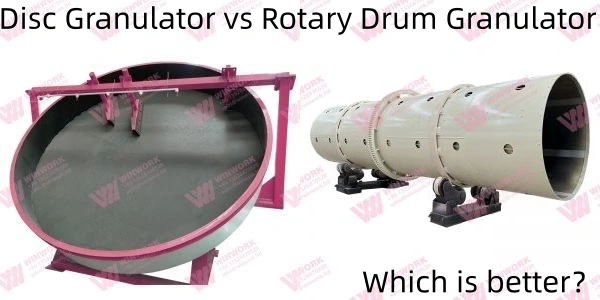
If you have ever run a traditional granulation line, you know the headache: the steam boiler, the giant rotating dryer that eats fuel, the sticky mess of binders, and the mountain of dust. It’s complex, it’s expensive to run, and it feels like you are fighting the physics of the material every step of the way. But there is a cleaner, sharper, and much more efficient way to get from powder to pellet. We are talking about the Extrusion granulation one-step forming method.
This isn’t your grandfather’s pan granulation. The Extrusion granulation one-step forming method is a dry compaction process. You take dry powder, squeeze it under immense pressure between two rollers, and out pops a dense, strong granule. No water, no steam, no drying oven. Just pure mechanical pressure doing the work in one single pass. If you are tired of high energy bills and complicated wet processes, you need to understand how the Extrusion granulation one-step forming method can simplify your life and fatten your margins.
What Exactly is the One-Step Part?
Let’s clear this up right away. In a traditional wet granulation line (like a rotary drum or disc), you have a multi-step marathon: mix powder with water/binder -> agglomerate into wet balls -> dry those balls for hours -> cool them -> screen them.
The Extrusion granulation one-step forming method lives up to its name. You feed dry, pre-mixed powder into the machine, and the only thing that comes out the other end (after a quick crush and screen) is finished, marketable granule. The “one-step” refers to the fact that the forming happens instantly via compression. You don’t add moisture that you then have to remove. You don’t need a separate binder that you have to cure. The particle-to-particle bonding happens right there at the die under pressure. That is the beauty of the Extrusion granulation one-step forming method: it removes the middlemen of heat and liquid.
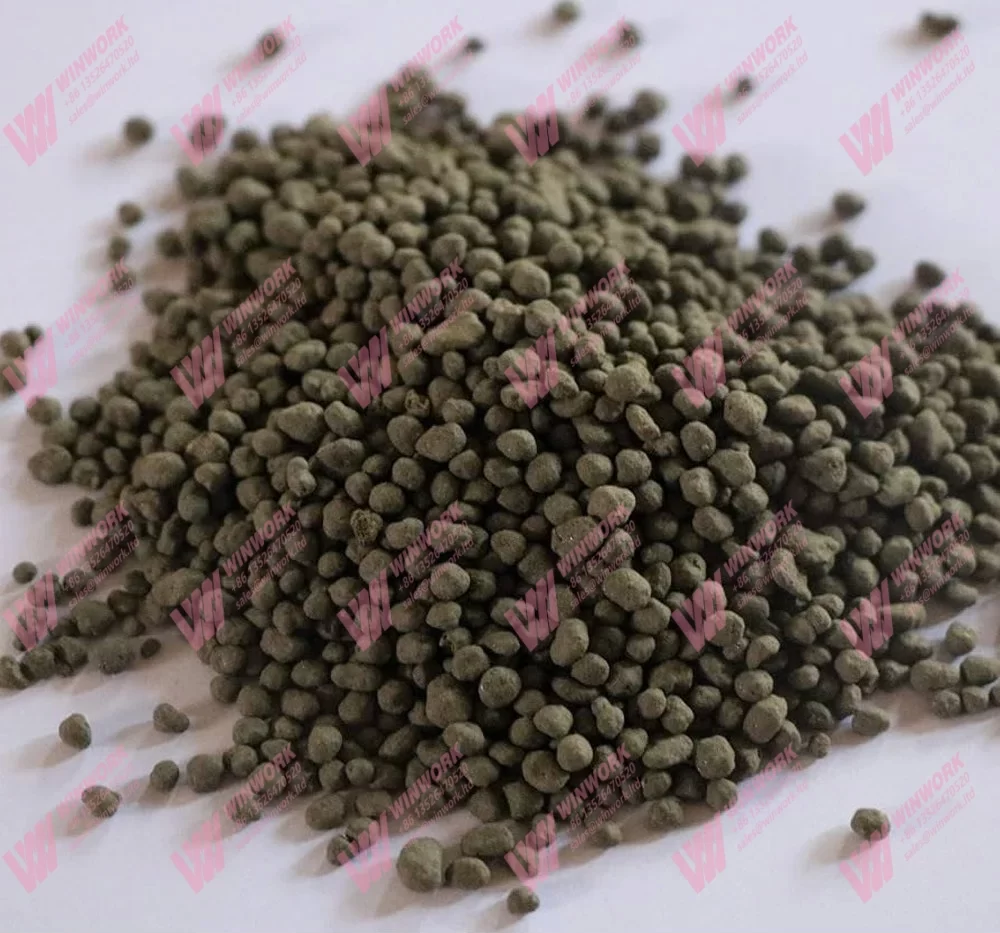
Why You Should Switch (The Big Benefits)
You might be comfortable with your old drum granulator. But comfort is costly. Here is why the Extrusion granulation one-step forming method is winning over plants everywhere:
Massive Energy Savings
This is the headline act. Drying wet granules can account for 40% to 60% of the total energy consumption of a fertilizer or feed plant. You need a hot air furnace, a huge rotating dryer, and fans to move the heat. The Extrusion granulation one-step forming method runs at room temperature (the material might warm slightly from friction, but that’s it). You cut out the dryer, the furnace, and a huge chunk of your power bill.
You Preserve Heat-Sensitive Nutrients
If you are making organic fertilizer or feed, high heat from drying can kill beneficial microbes, vitamins, and proteins. Since the Extrusion granulation one-step forming method is a cold process, you keep the biology alive. The organic matter, the humic acid, the probiotics—they stay intact.
No Wastewater, No Steam
Wet processes need water for binding and steam for conditioning. That water eventually becomes wastewater that you might have to treat. The Extrusion granulation one-step forming method uses zero process water. It’s a dry, clean operation that makes environmental compliance a whole lot easier.
Higher Density and Stronger Pellets
Because you are mechanically compressing the material, the resulting granules are often denser and harder than those made by agglomeration (rolling). They resist crushing during transport and spread beautifully. The Extrusion granulation one-step forming method gives you a “tough” pellet that professionals appreciate.
Smaller Footprint, Lower Capital
Without the need for a dryer, a cooling drum, and a steam boiler, your production line shrinks. You need less floor space and less equipment to maintain. Setting up an Extrusion granulation one-step forming method line is often faster and cheaper than retrofitting a wet line.
The Most Suitable Machine
Double roller granulator is the key equipment in compound fertilizer production line and npk production line, featuring advanced technology, reasonable design, compact structure, strong practicability and low energy consumption.
Double roller granulator and the corresponding auxiliary equipment supporting, can form a small production line, with a certain capacity, to achieve continuous, mechanized production. Roller extrusion granulator adopts superior formula, no need to dry, can be produced at room temperature. The product can be rolled and shaped once, so that its quality can meet the requirements of technical indexes of compound fertilizer.
Double roller granulator is suitable for the production of high, medium and low concentration of special compound fertilizers required by various crops, which is a newer product of energy saving and consumption reduction in the compound fertilizer industry.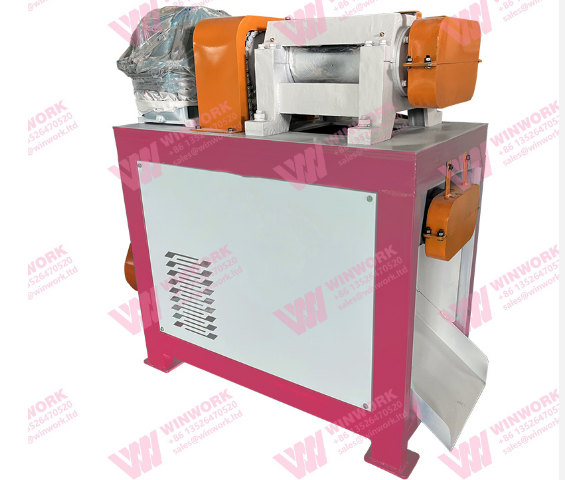
How Does It Work? The Nuts and Bolts of the Process
Alright, let’s pop the hood. How does squeezing powder turn it into a pellet? The principle of the Extrusion granulation one-step forming method relies on dry bonding or compaction.
Step 1: Preparation (The Dry Rule)
Your raw materials (powders, fines) must be dry. We are talking a moisture content usually under 5%, ideally 2-3%. If it’s too wet, it will smear, not compact. The powders also need to be finely ground (usually 80-120 mesh) so the particles nest together tightly. This prep is vital for the Extrusion granulation one-step forming method to work.
Step 2: Forced Feeding
The dry powder mix is fed into the top of the extrusion granulator (specifically, a double roller press). A screw feeder forces the material down into the gap between the two rollers. You don’t want it just falling in; you want it stuffed in tightly.
Step 3: The Squeeze (The Magic)
This is where the Extrusion granulation one-step forming method does its thing. Two large, counter-rotating rollers press against each other with hydraulic pressure (anywhere from 10 to 25 MPa, or roughly 1,500 to 3,600 PSI). The rollers have molds (dimples or grooves) carved into their surfaces.
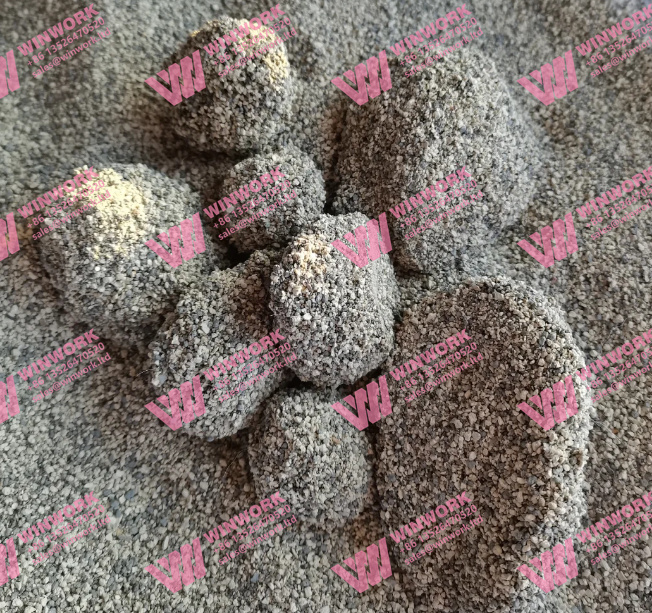
As the powder is forced into the nip (the gap), the pressure is so intense that the air is squeezed out and the particles undergo plastic deformation. They squish, flatten, and the molecular forces (van der Waals forces) and mechanical interlocking bind them together. The material takes the shape of the mold. It exits the roller not as a pellet, but as a continuous sheet or “biscuit” with the pellet shapes still connected.
Step 4: Crushing and Screening
That sheet of material goes into a chain crusher or a pair of breaking rollers. It shatters along the weak points, freeing the individual granules. These granules then go to a rotary screen. The right-sized granules are the product. The oversized pieces and the dust (fines) are conveyed back to the beginning of the granulator to be re-pressed. This closed-loop recycling is a standard part of the Extrusion granulation one-step forming method.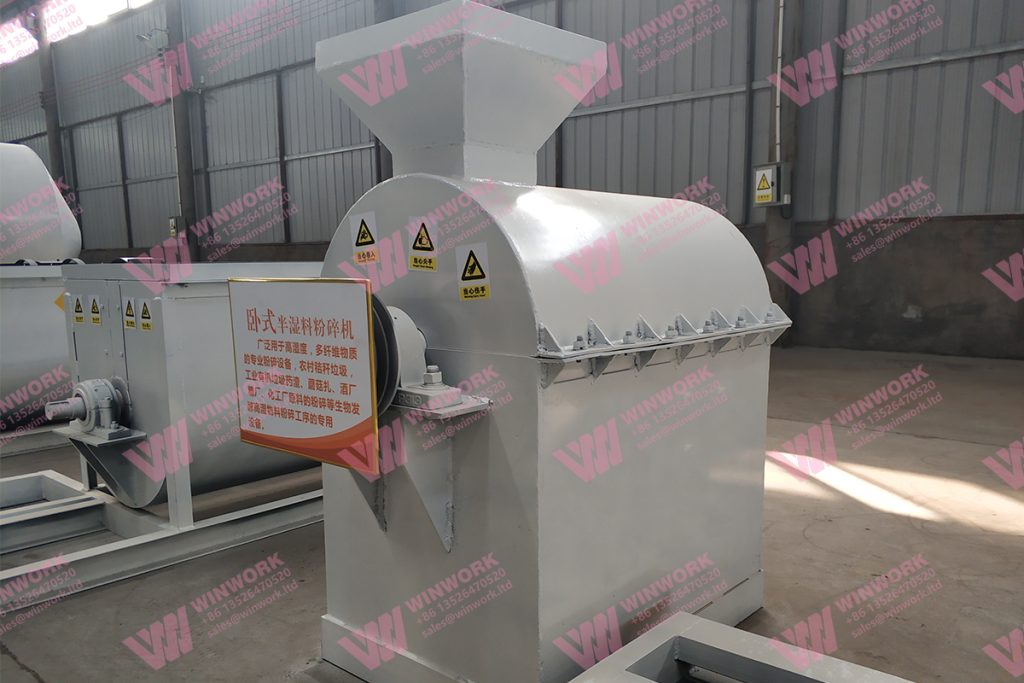
The Gear You Need: What Equipment is Essential?
You can’t do this with a hydraulic press in a garage. The Extrusion granulation one-step forming method requires a focused set of robust machinery.
The Double Roller Extrusion Granulator (The Star): This is the heart. It has two large, hardened steel rollers with precision-machined molds. It has a hydraulic system to apply and maintain the pressure, and a gearbox to drive the rollers. The quality of the roller surface and the hydraulic system determines the life and quality of the Extrusion granulation one-step forming method.
The Chain Crusher / Breaking Rollers: To break the pressed sheets into individual granules without over-grinding them into dust.
The Rotary Screener (Drum or Vibrating): To separate the perfect granules from the dust and the occasional larger chunk.
The Bucket Elevator / Conveyor System: To move the return fines back to the granulator hopper. This recycling loop is what makes the Extrusion granulation one-step forming method efficient, as you typically get an 85-95% granulation rate per pass.
The Premix Ribbon Mixer: To ensure your dry powders (different fertilizer grades, maybe a little dry bentonite if needed) are perfectly blended before they hit the extruder.
That’s it. Compare that list to a wet line (which needs a mixer, a granulator, a dryer, a cooler, a coater, more dust collectors) and you see the elegance of the Extrusion granulation one-step forming method.
FAQ: Your Questions About Extrusion Granulation One-Step Forming Method Answered
We know you’ve got questions. Here are the answers to what people ask us most about the Extrusion granulation one-step forming method.
Q: Can I use any powder in this machine?
A: Most, but not all. The material needs to have some natural binding properties or “plasticity” under pressure. Fertilizer salts (urea, DAP, MOP), powders with some clay content, and many organic meals work great. Pure, coarse sand with no fines might not bind well. The Extrusion granulation one-step forming method works best with materials that can deform and lock together.
Q: Are the pellets round?
A: They are usually oval or pillow-shaped (like a M&M or a lentil), not perfect spheres. For most agricultural and industrial uses, this is perfectly fine. If you absolutely need a round sphere, you can add a “polishing” or rounding machine after the screen, but the basic Extrusion granulation one-step forming method produces a very functional, slightly irregular granule.
Q: What about roller wear? Don’t the molds get ground down?
A: Yes, the rollers work under extreme pressure and will wear over time, especially with abrasive materials like rock phosphate. However, modern rollers are made of high-chrome alloy steel or have carbide coatings. They can last thousands of hours. Some designs allow for the surface layer to be replaced. It’s a normal maintenance cost for the Extrusion granulation one-step forming method.
Q: Is it hard to operate?
A: Surprisingly, no. It’s mechanically simpler than a rotating drum with a flame. Once the gap, pressure, and feed rate are set, it runs very steadily. The Extrusion granulation one-step forming method is known for being user-friendly and easy to automate.
Q: Can I make very small granules, like for a water-soluble formula?
A: Yes, the size is determined by the mold on the roller. You can have very small dimples for fine granules. The Extrusion granulation one-step forming method is very flexible in terms of the size and shape it can produce, just by changing the roller skins.
Conclusion: Squeeze More Value Out of Your Operation
The trend in manufacturing is clear: do more with less. Use less energy, less water, less space, and create less waste. The Extrusion granulation one-step forming method is the embodiment of that trend for the granulation industry.
By switching to this dry compaction technology, you are not just buying a machine; you are upgrading your entire cost structure. You are protecting heat-sensitive ingredients, slashing your utility bills, and simplifying your maintenance routine. It’s a smarter, leaner, and greener way to turn powder into product. Don’t get bogged down in the steam and the drying. Embrace the pressure, and let the Extrusion granulation one-step forming method streamline your success.
For more details, please feel free to contact us.
Email: sales@lanesvc.com
Contact number: +8613526470520
Whatsapp: +8613526470520
Get A Quote