

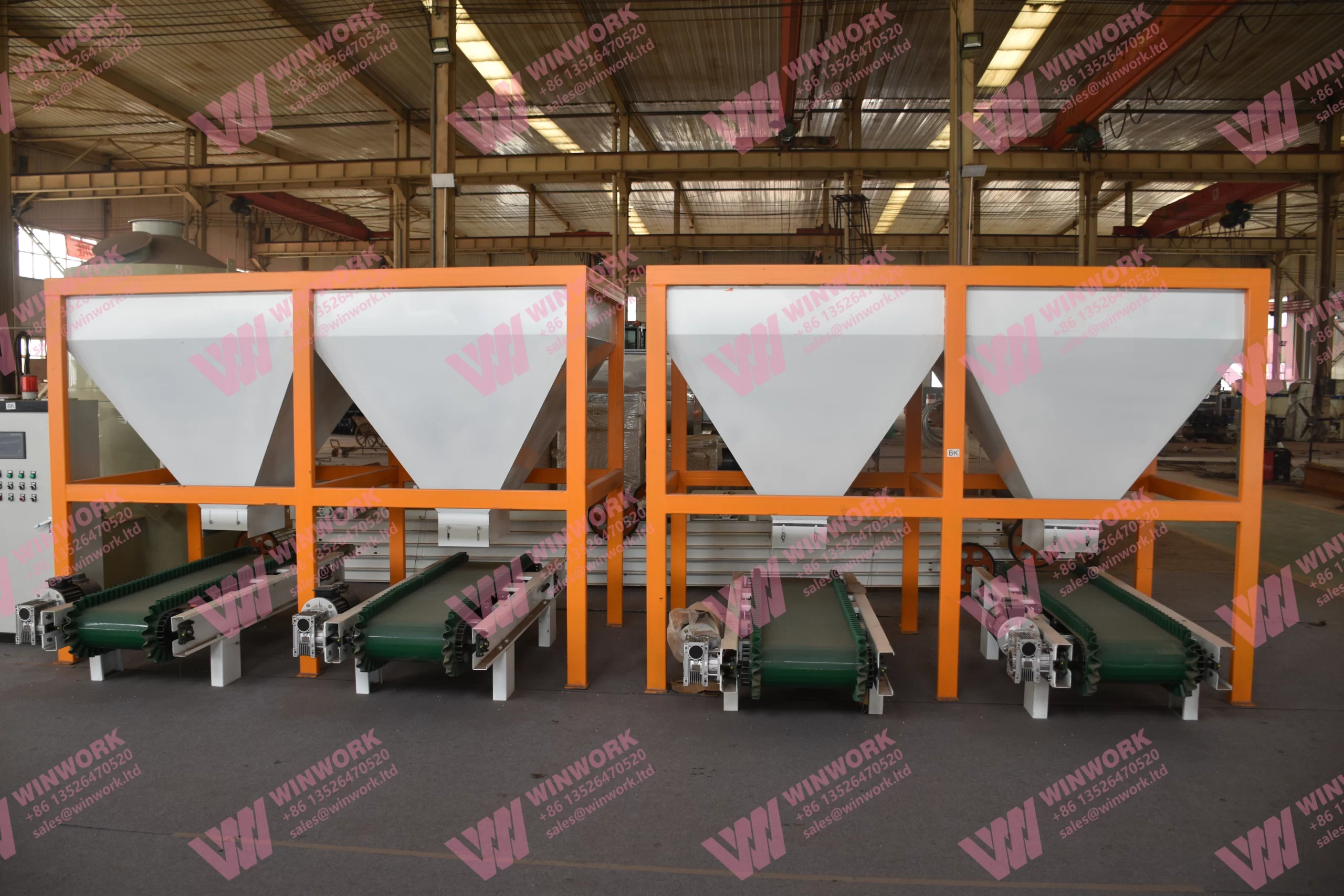
The Biggest Production Loss May Start Before Granulation
Fertilizer manufacturers often focus on improving granulation efficiency, upgrading mixers, and increasing production capacity. However, one important source of production loss may occur much earlier: raw material batching.
Imagine running a fertilizer plant where production equipment operates normally, but raw material consumption is higher than expected. Some batches require additional adjustments, product quality varies between production runs, and operators spend valuable time checking weighing records. These problems may seem minor individually, yet their combined impact can increase operating costs and reduce profitability.
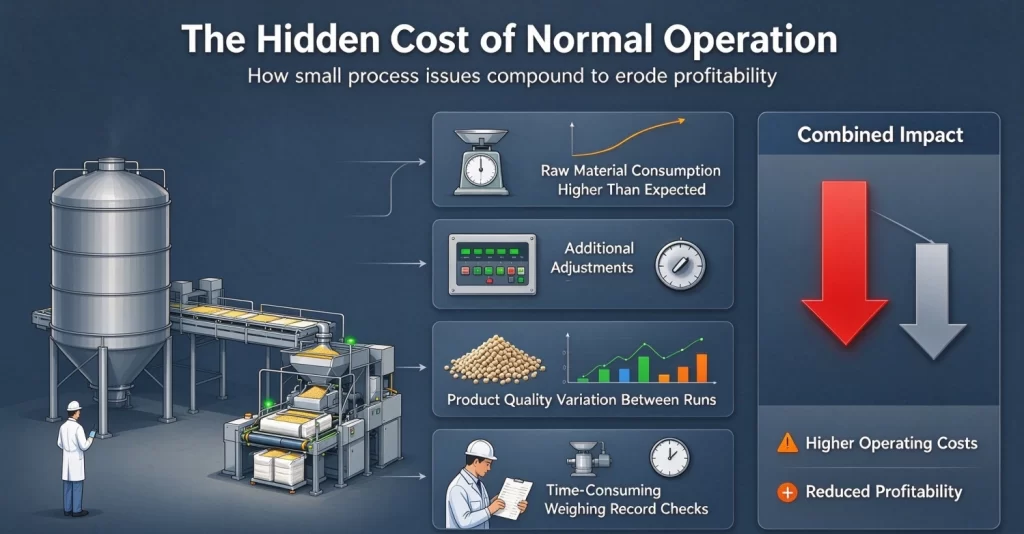
In many cases, an inaccurate scale is not the only problem. An automatic batching system must also account for unstable feeding, inconsistent material flow, calibration errors, and poor equipment coordination.
For fertilizer manufacturers, an automatic batching system connects raw material weighing, controlled feeding, and production management. By monitoring the entire batching process, operators can identify material losses and improve production efficiency.
For fertilizer producers seeking to reduce avoidable losses, understanding where batching errors originate is the first step toward a more efficient production process.
1. The Hidden Cost of Every Incorrect Batch
A small weighing deviation may appear insignificant, particularly when a fertilizer plant processes hundreds or thousands of tons of material. However, repeated deviations can accumulate and create measurable financial consequences.
Raw material waste is one of the most direct costs.An automatic batching system helps control the quantities of expensive nutrients and additives, reducing unnecessary consumption without compromising the target formulation.
Formula deviations can create quality control problems. Fertilizer products depend on specified nutrient proportions. Inaccurate batching can make it more difficult to maintain consistent formulations, especially when multiple raw materials must be measured and combined.
Rework and downtime create additional expenses. Operators may need to investigate abnormal batches, repeat quality checks, adjust operating parameters, or interrupt production to correct equipment problems.
Consider a hypothetical example. A plant processes 1,000 tons of raw materials each month. If avoidable batching problems result in additional material consumption equivalent to 0.5% of throughput, the affected quantity would equal five tons monthly.
By measuring these losses, manufacturers can determine whether improving their batching process deserves priority.
An automatic batching system helps control ingredient ratios, reduce material waste, and limit costly production adjustments.
2. Why Your Batching Scale Keeps Giving You Problems
When weighing results become inconsistent, replacing the scale may seem like the obvious solution. Before investing in new equipment, however, it is important to identify the actual cause.
Several factors can affect batching performance.
Incorrect calibration or installation: Load cells, weighing instruments, and mounting structures must operate under suitable conditions. Poor calibration, mechanical interference, or material buildup can affect readings.
Unstable feeding rates: A feeder may deliver material too quickly near the target weight. Even if the scale measures accurately, material that continues falling after the control signal changes can cause overfeeding.
Material bridging and blockage: Powdered fertilizer ingredients may have different flow characteristics. Moisture, particle size, and material buildup can cause irregular discharge from storage bins.
Excessive manual intervention: When operators must repeatedly estimate feeding rates or correct quantities manually, results may vary between shifts and production batches.
Poor coordination between equipment: A weighing unit, feeder, conveyor, and downstream mixer must work together. Delays in communication or unsuitable control settings can undermine the accuracy of the complete process.
These issues explain why weighing accuracy should be evaluated as part of the entire material-handling process rather than as an isolated specification.
Manufacturers can start by checking calibration records, comparing target and actual weights, inspecting feeding equipment, and reviewing the conditions under which deviations occur.
Unlike a standalone scale, an automatic batching system coordinates weighing, feeding, and batch control to improve consistency.
3. Why Replacing the Scale May Not Solve the Problem
Purchasing a new weighing scale can help when the existing instrument is defective, unsuitable, or unable to meet the required measurement range. However, it may not solve problems originating elsewhere in the production line.
A new scale cannot eliminate material left in a discharge chute or correct a blocked hopper. An automatic batching system must address these material-flow problems as well as weighing accuracy.
Similarly, asking operators to pay closer attention may provide temporary improvement, but it does not necessarily eliminate the underlying causes of inconsistent results.
The more effective approach is to evaluate the complete batching sequence:
- How is each raw material stored and discharged?
- How is the target quantity measured?
- How quickly can the feeder respond to control signals?
- How are materials transferred to the next production stage?
- How are deviations detected, recorded, and corrected?
A well-designed automatic batching system coordinates weighing instruments, controlled feeders, conveyors, and PLC controls according to the plant’s production requirements.
Before replacing individual machines, manufacturers should determine whether the main problem lies in measurement, feeding, material flow, or the coordination of several components.
4. How an automatic batching system Tackles the Root Causes
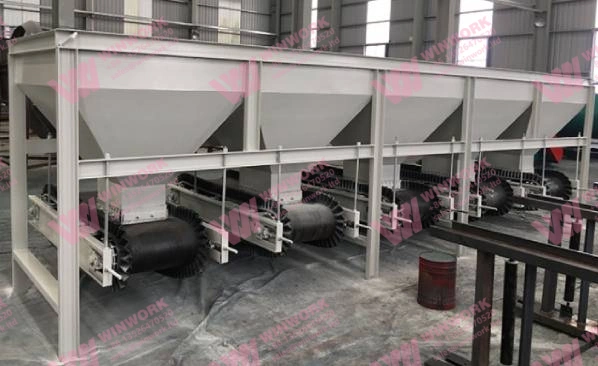
An automatic batching system manages material proportions through coordinated measurement and control, with performance depending on equipment selection, calibration, installation, and control settings.
Recipe-based batching
Operators can configure target quantities for different raw materials according to an approved production recipe. Where supported, the control system can store multiple recipes and simplify product changeovers.
Controlled material feeding
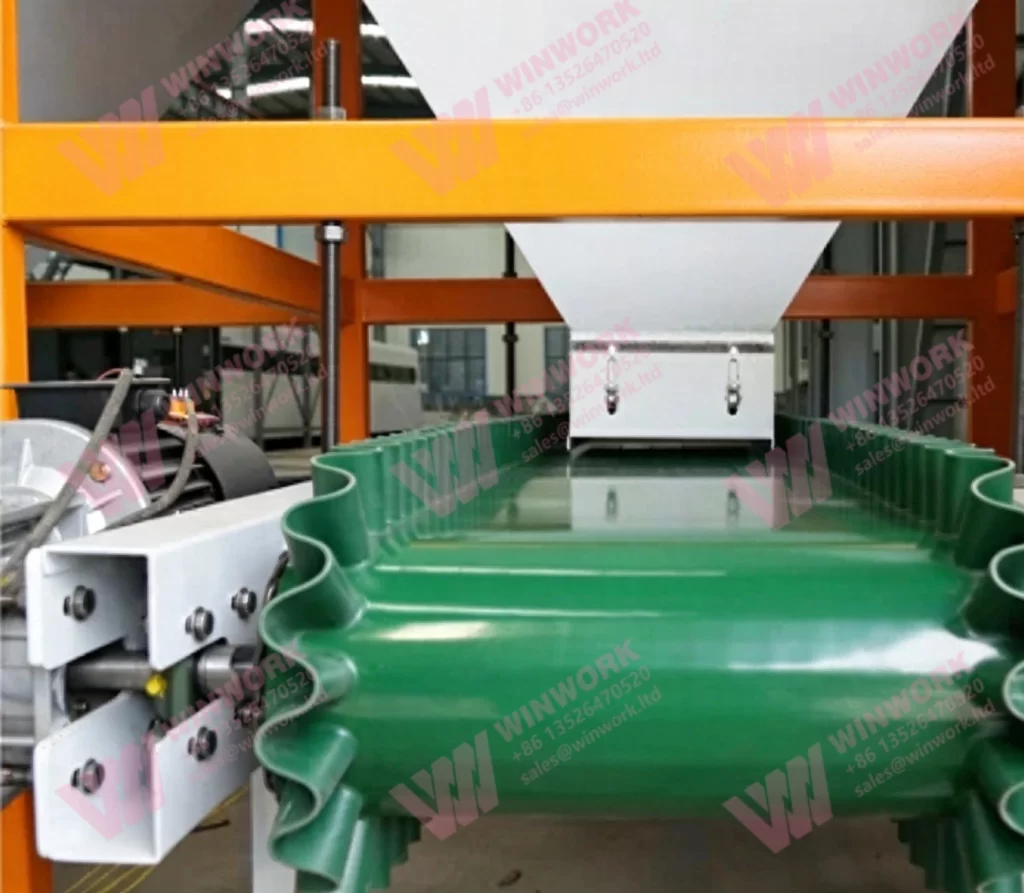
Feeders regulate how quickly materials enter the weighing or mixing process. Depending on the design, variable-frequency drives, adjustable gates, or other mechanisms can help maintain a suitable feeding rate.
Weighing feedback
Load cells and weighing instruments provide measurements that the control system can use to monitor material delivery. Appropriate control logic can slow or stop feeding as the target approaches, accounting for the response characteristics of the equipment.
Coordinated equipment operation
Storage bins, feeders, weighing units, and conveyors must operate in the correct sequence. Automation can help synchronize these stages and reduce unnecessary manual intervention.
Batch monitoring and records
Systems equipped with suitable monitoring functions can record target quantities, actual weights, operating status, and batch information. These records help operators investigate deviations and identify recurring problems.
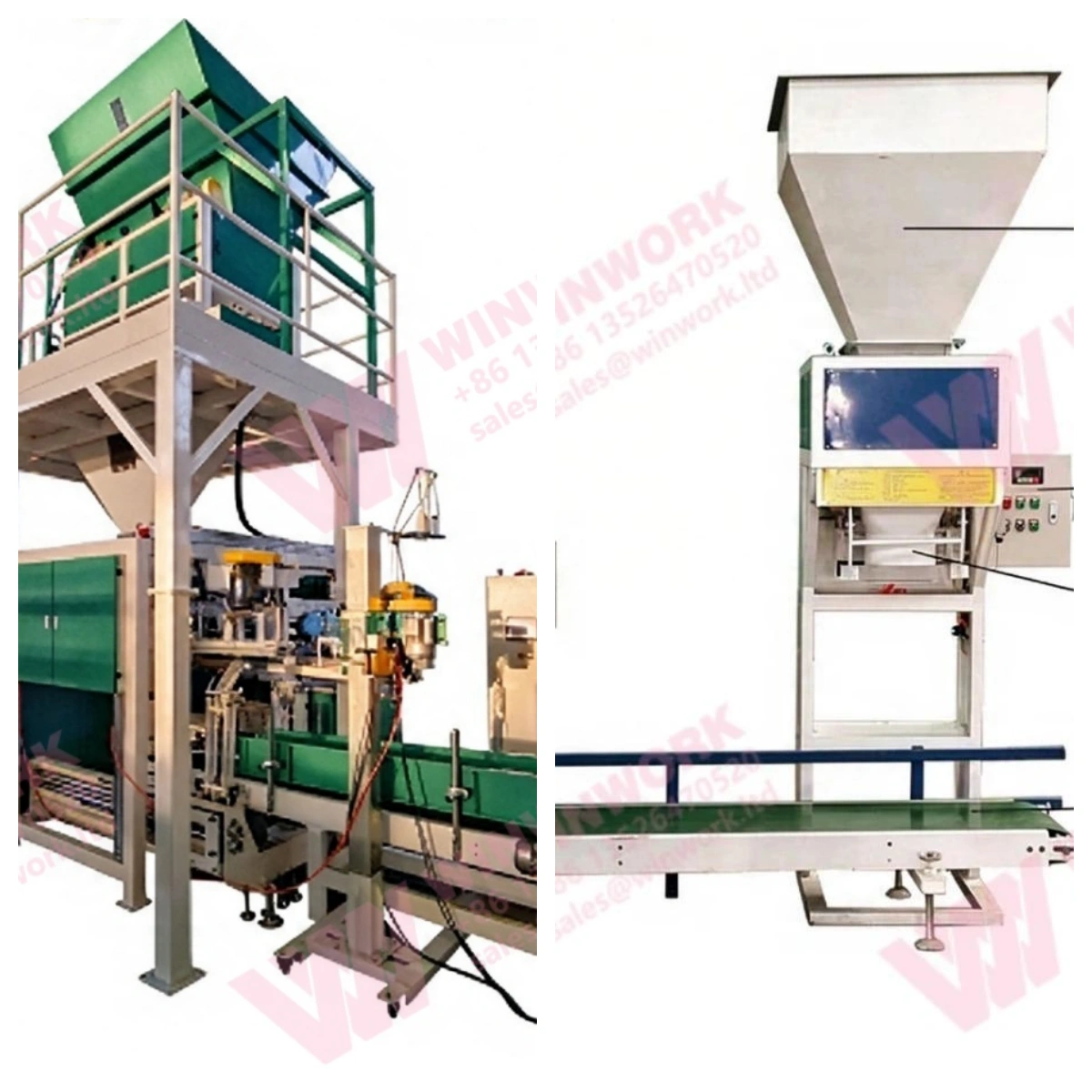
See this fertilizer batching machine overview, which describes weighing, feeding, and quantitative control components used in fertilizer production.
It is important to recognize that automation does not guarantee zero error. Actual performance depends on the selected weighing range, feeding characteristics, material properties, control strategy, and maintenance practices.
The objective is to make batching more consistent, measurable, and manageable.
5. From Raw Materials to Finished Fertilizer: Where Precision Matters Most
Batching accuracy influences several stages of fertilizer manufacturing. Its importance becomes especially clear when different ingredients must be combined according to a specific formulation.
Raw material preparation and feeding
Nitrogen, phosphorus, potassium sources, fillers, and additives may require separate storage and controlled feeding. An automatic batching system delivers the required quantities before mixing or further processing.
Mixing and formulation control
Mixers distribute ingredients throughout the material. An automatic batching system provides more consistent input proportions, while mixing time, equipment design, and particle size also influence the final result.
Granulation and downstream processing
The composition and physical characteristics of the feed material can affect subsequent granulation and processing conditions. Stable batching helps reduce one potential source of variation, but it cannot compensate for every problem in granulation, drying, or screening.
For example, an NPK fertilizer production line may require coordinated feeding and mixing of several nutrient sources. A compound fertilizer production line may also need different batching configurations depending on the formulations and production capacity.
For BB fertilizer manufacturing, accurate proportioning is particularly relevant when different granular ingredients must be combined in specified ratios.
The appropriate configuration depends on the plant’s production process, material characteristics, target throughput, and formulation requirements.
6. How to Know Whether Your Factory Needs a Batching Upgrade
Not every fertilizer manufacturer needs a completely new production system. Some plants may only need recalibration or feeder adjustments, while others may benefit from an automatic batching system upgrade.
The following warning signs can help identify when an assessment is worthwhile.
- Repeated weighing deviations: Actual quantities regularly differ from target quantities beyond acceptable operating tolerances.
- Frequent manual corrections: Operators must intervene repeatedly to maintain the intended material proportions.
- Unexplained material consumption: Inventory records and production data show differences that cannot be readily explained.
- Increasing production demand: Existing equipment struggles to maintain stable feeding rates as throughput increases.
- Limited batch traceability: The plant lacks reliable records for investigating formulation deviations or comparing production runs.
Before investing in an automatic batching system, compare target and actual weights, inspect feeder performance, and identify the main sources of material loss.
Then establish the plant’s requirements, including hourly capacity, raw material types, number of ingredients, recipe complexity, and desired automation level.
For manufacturers planning a new line or upgrading existing equipment, the WINWORK fertilizer machinery website is a useful starting point for exploring production equipment and discussing project requirements.
A targeted upgrade may be sufficient when the problem is limited to a particular component. A complete batching solution may be more appropriate when several stages contribute to inconsistent performance.
7. Turn Batching Accuracy into a Measurable Business Advantage
Investing in automation should be based on measurable operating needs rather than assumptions that newer equipment will automatically produce higher profits.
Start by establishing a baseline for raw material consumption, weighing deviations, labor requirements, rework, and unplanned downtime. After improvements are implemented, compare the same indicators under comparable production conditions.
The financial assessment should include both potential savings and additional costs.
A simple calculation is:
Annual net benefit = Annual measurable cost savings − Additional annual operating and maintenance costs
If the investment and annual net benefit are known, a basic payback estimate can be calculated by dividing the initial investment by the annual net benefit, provided that the net benefit is positive and reasonably stable. Actual project evaluations should also consider commissioning expenses, downtime during installation, and other relevant costs.
A properly selected automatic batching system helps control material consumption, reduce manual adjustments, and improve production records. Actual savings should be verified using plant data.
Before making a purchasing decision, discuss the target capacity, raw material characteristics, required weighing performance, and existing equipment layout with your supplier.
Do not let preventable batching problems continue eating into your profits.An automatic batching system can help fertilizer manufacturers improve weighing consistency, control material consumption, and manage production costs more effectively.
For more details, please feel free to contact us.
Email: sales@lanesvc.com
Contact number: +8613526470520
Whatsapp: +8613526470520

Get A Quote