

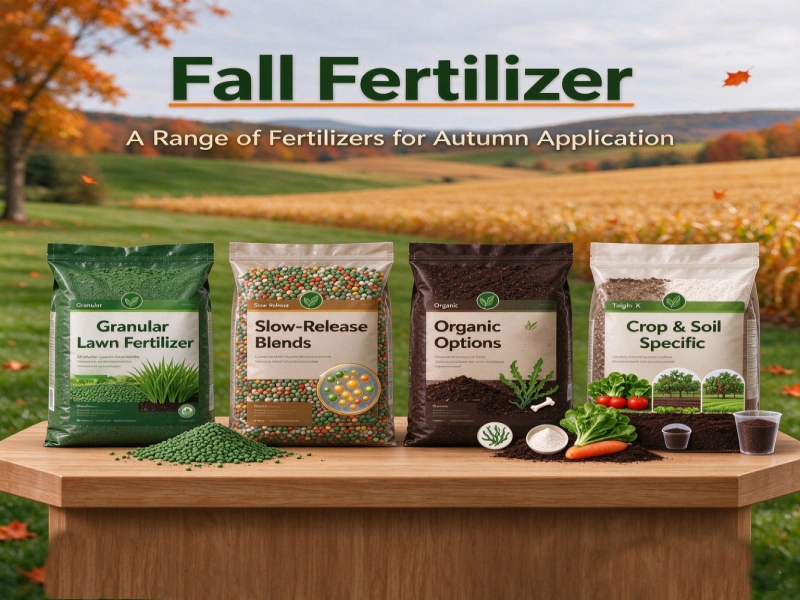
When you look at the fall fertilizer market this season, you will find products designed for different needs, from granular lawn fertilizers with higher potassium content to slow-release blends and organic options. Some products focus on preparing lawns for colder weather, while others are developed for specific crops or soil conditions. These differences create opportunities for fertilizer manufacturers, but they also raise an important question: if you want to add a seasonal product to your range, do you need new equipment, or can your existing production line handle the job?
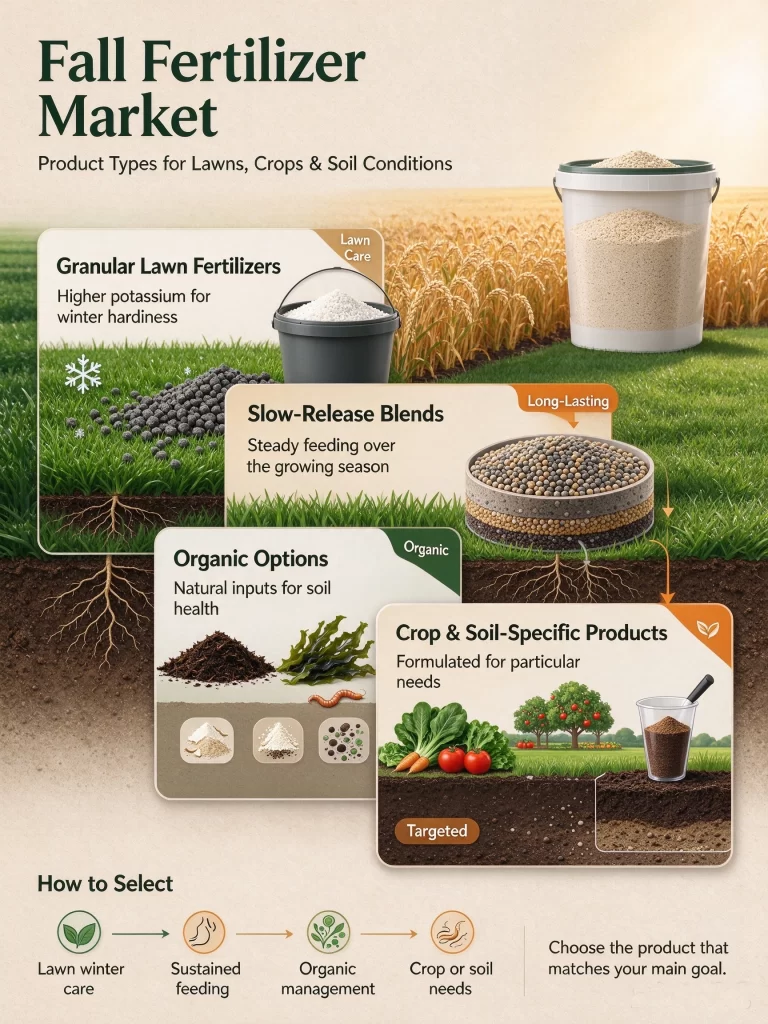
If you already manufacture NPK fertilizer or compound fertilizer, adding a fall fertilizer product may not mean starting from zero. You may already have some of the necessary equipment. However, the right approach depends on your formulation, raw materials, desired granule quality, and production volume. Before investing in a new machine or a complete line, it is worth understanding what you want to produce and which parts of your current setup can be reused.
What Types of Fall Fertilizer Are Worth Producing?
Start by looking at the products your target customers actually buy. In the lawn care market, granular fall fertilizer is a familiar option because it can be spread across larger areas using standard spreading equipment. Some seasonal lawn formulas contain relatively more potassium, while others combine nitrogen, potassium, iron, or slow-release ingredients to meet particular turf management goals. For example, products sold for autumn lawn care include formulations such as 3-3-12 and 6-5-10, although the appropriate nutrient ratio depends on the intended use and local requirements.
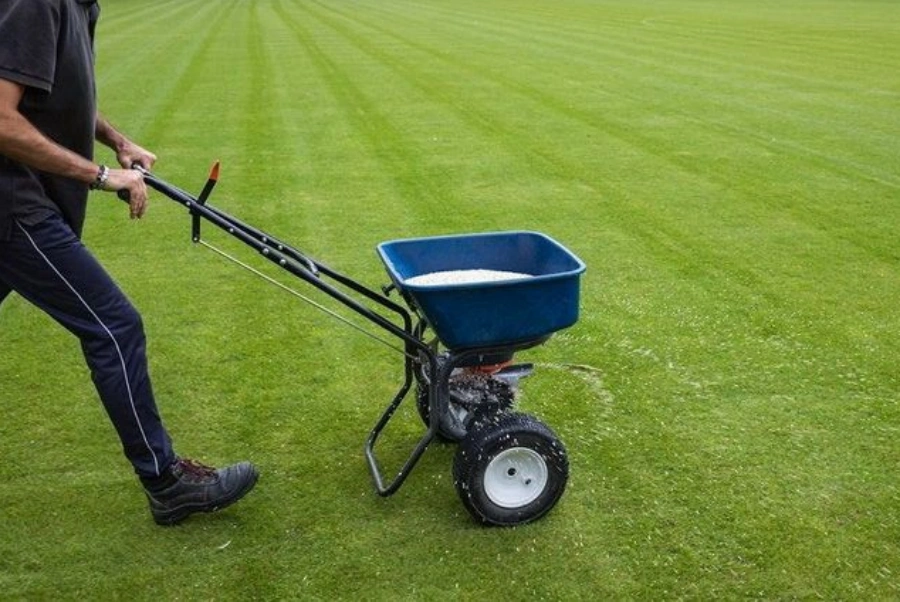
For a manufacturer, the important point is not to copy a popular formula without understanding its purpose. Ask yourself which market you intend to serve. Are you producing fertilizer for professional lawn care companies, agricultural distributors, garden retailers, or farmers growing particular crops? Each group may have different expectations for nutrient content, granule size, packaging, and price. The product you choose will influence the machinery and process you need.
There is also a difference between granular, powder, and liquid fertilizers. If your customers prefer granular products, granulation and particle strength become important considerations. If you plan to sell a blended fertilizer made from existing granules, accurate batching and mixing may be more important than adding a granulator. Liquid products require a different production setup altogether. In other words, not every fall fertilizer product needs the same machinery, and not every manufacturer needs a complete new production line.
Before deciding on equipment, write down three things: the fertilizer formulation, the finished product form, and the amount you expect to produce per hour or per day. These details give you a much clearer starting point than simply searching for a machine labeled for seasonal fertilizer production.
How Does Fall Fertilizer Production Work?
Once you know which product you want to make, the next question is how to produce it consistently. A typical granular fertilizer process may involve raw material preparation, batching, mixing, granulation, drying or cooling when required, screening, and packaging. However, this is not a fixed sequence for every product. The process should be designed around the raw materials and the finished fertilizer specifications.
Imagine that you already have several dry fertilizer materials and want to produce a blended seasonal product. If the ingredients are already in suitable granular form, the main tasks may be accurate weighing and uniform mixing. You may not need to grind or granulate the materials again. In this case, a suitable bulk blending fertilizer production line is a more relevant starting point than automatically purchasing a granulation system. The final configuration should still account for particle compatibility and the risk of segregation during handling and transport.
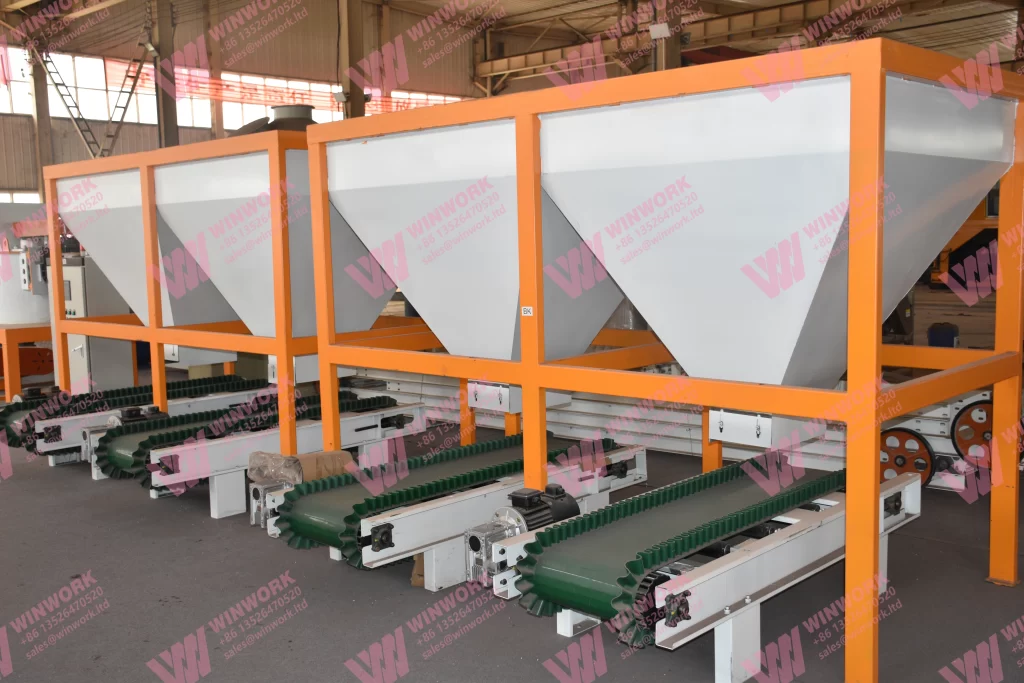
The situation changes when your raw materials are powders or when the product specification requires newly formed granules. You may need a granulator, along with appropriate feeding and mixing equipment. Depending on the granulation method and material characteristics, drying and cooling may also be necessary. Wet granulation can introduce moisture that must be removed before storage, while some roller extrusion processes operate without a separate drying stage. The choice should be based on trials and process requirements, not on the assumption that one method suits every formula.
Another issue is product consistency. Imagine receiving complaints that some bags contain too much fine powder while others contain oversized granules. The problem may not come from the granulator alone. Uneven feeding, inconsistent raw material moisture, unsuitable screening settings, or insufficient control of recycled material can all affect the final product. That is why fall fertilizer production should be considered as a connected process rather than a single machine performing one isolated task.
Before committing to a production design, test the actual raw materials whenever possible. Ask whether the ingredients flow consistently, whether they form granules under the proposed process, and whether the finished particles meet the required size and strength. A small trial can reveal problems before they become expensive production issues.
Which Machines Do You Need for Fall Fertilizer Production?
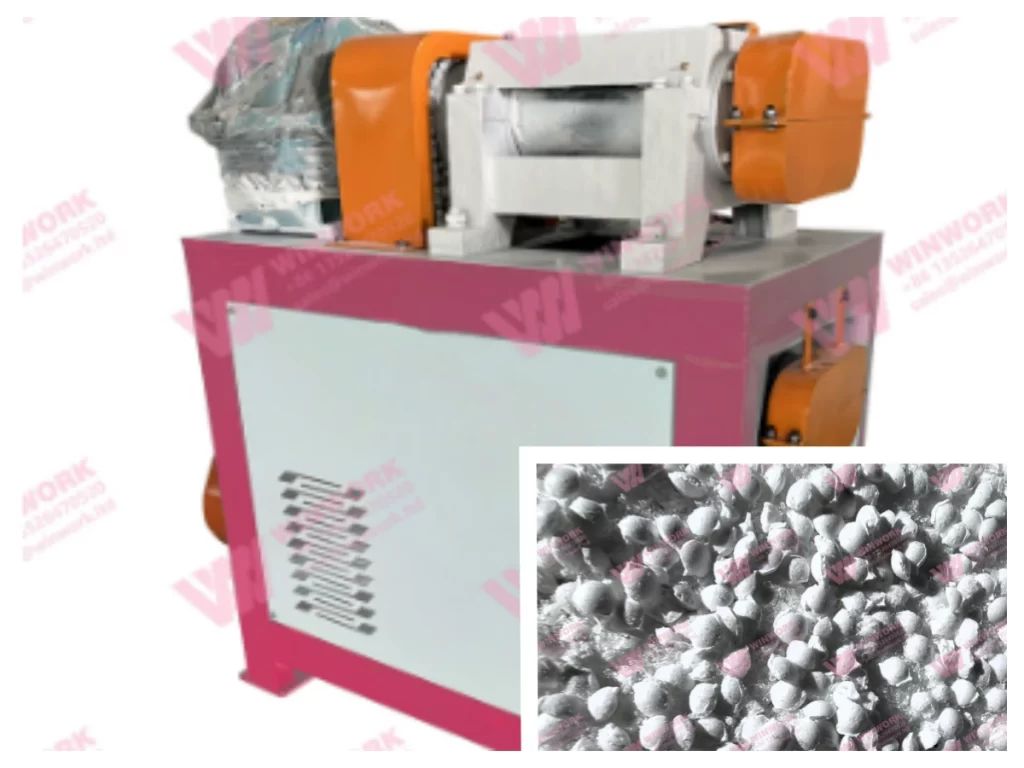
If you need to form new granules, start with the material rather than the machine name. A rotary drum granulator may be worth evaluating for suitable wet-granulation processes and continuous compound fertilizer production. A double roller granulator may be suitable for compatible dry powder formulations that can be compacted under pressure. Neither option is automatically right for every fall fertilizer formula. Material composition, moisture, binding behavior, target output, and finished particle specifications all matter.
For example, if your production plan involves a compatible NPK formulation and wet granulation, you can review a rotary drum granulator and determine whether its process suits your material. If you want to process suitable dry mixtures through extrusion, a double roller granulator may be worth comparing. The key is to confirm suitability through material testing and equipment specifications rather than choosing by capacity alone.
What if you already own a granulator? You may not need another one. Instead, examine the complete process: Can your batching system handle the new formulation accurately? Is the mixer suitable for the material? Can the existing screens separate the desired particle sizes? Is your drying capacity sufficient if the new process introduces more moisture? Replacing only the part that limits production may be more economical than buying an entirely new line.
Production capacity also deserves attention. A machine that can meet your average daily demand may still struggle during peak orders if it operates close to its practical limit. On the other hand, buying a much larger machine than you need can increase initial investment and leave capacity unused. Estimate your expected output, operating hours, product changeovers, and likely seasonal demand before choosing a model.
For manufacturers planning to expand into multiple NPK products, a complete NPK fertilizer production line may offer a more coordinated solution than purchasing machines separately. The appropriate configuration depends on the formulation, process route, target capacity, available factory space, and budget. You can also explore the broader equipment range on WINWORK Machinery before deciding which components deserve further evaluation.
Is It Worth Investing in a Fall Fertilizer Production Line?
This is the question that matters most if you are considering a new seasonal product. A new production line can give you more control over the product, but it also brings equipment costs, installation requirements, labor, maintenance, and working capital needs. Before investing, compare at least two options: adapting your existing setup and building a new line designed around the target product.
Start with a realistic sales estimate rather than assuming that seasonal interest will automatically become orders. How much product can you reasonably sell during the season? Will customers continue buying similar fertilizer outside the peak period? Can the equipment process other formulations during quieter months? A flexible production setup may be more useful than a dedicated line if you expect to manufacture several products throughout the year.
It is also worth separating essential equipment from optional upgrades. A suitable granulator, reliable batching, and the required screening system may be essential for one process, while automated packaging or additional conveying equipment may depend on your output and labor costs. Do not pay for features simply because they are available. Identify the bottleneck you need to solve and prioritize equipment that directly improves product quality, production reliability, or operating efficiency.
Before requesting a quotation, prepare a short list of details: the raw materials and their approximate proportions, the target fertilizer formulation, the required granule size, the expected hourly or daily output, and the equipment you already own. If possible, provide a sample of the material for testing. These details make it easier to assess whether you need one machine, several additional units, or a complete production line.
If you are considering fall fertilizer production this season, you do not have to begin by purchasing the largest system available. Start with the product you want to make, confirm the processing requirements, and determine which parts of your existing setup can be reused. From there, you can compare equipment options and plan an investment that matches your actual production goals. If you share your raw materials, target capacity, and finished product requirements with an experienced fertilizer machinery supplier, you can discuss a solution based on your needs rather than paying for equipment you may not need.
FAQ About Fall Fertilizer Production
Q:Is it too late to start producing fall fertilizer this season?
A:That depends on your target market, current production setup, and remaining sales window. Before purchasing equipment, check when local distributors and retailers need their fall fertilizer stock. If the sales window is short, using an existing blending system or upgrading selected machines may be more practical than installing a complete new production line. Also consider whether the equipment can be used for other fertilizer products after the autumn season.
Q:How can I tell whether my existing equipment can make the fall fertilizer I want to sell?
A:Start with the finished product, not the machine. If the product is made by blending compatible, ready-made fertilizer granules, a batching and mixing system may be sufficient. If you need to turn powder materials into new granules, you must evaluate the granulation process and the equipment it requires. Compare your current equipment with the actual production steps needed to make your target product.
Q:If I need a new granulator, how do I choose the right one for fall fertilizer production?
A:The choice depends on the raw materials and the granules you need to produce. A rotary drum granulator may suit a formulation designed for wet granulation, while a double roller granulator may suit materials that can be compacted under pressure. Before selecting a model, confirm the material composition, moisture content, required granule size, and expected output. If the raw materials have not been tested, a material trial is a safer basis for selection than choosing a machine by name alone.
Q:How can I decide whether a new fall fertilizer production line is worth the investment?
A:Estimate the quantity you can realistically sell during the season, then calculate the required production capacity and total operating costs. Include equipment, labor, energy, maintenance, packaging, and raw materials—not just the purchase price of the granulator. If demand is uncertain, consider whether a smaller setup can meet initial orders and whether the same equipment can produce other fertilizer products later. A new line makes more sense when its capacity matches realistic sales expectations and its future use is also clear.
Get A Quote