

When planning a fertilizer production project, equipment investment is one of the first concerns. A batching system is particularly important because it determines how different raw materials are measured and supplied before mixing, granulation, or blending. However, obtaining a reliable batching system quotation is not always straightforward. Two systems with similar production capacities may have very different prices because their equipment configurations, weighing methods, automation levels, and material-handling requirements are not the same.
For example, a small fertilizer factory handling three raw materials may only need several storage hoppers, feeding devices, a weighing unit, and a basic control system. A larger plant producing multiple fertilizer formulations may require more hoppers, higher feeding capacity, automatic recipe management, and a more advanced control platform.
Therefore, buyers should not compare suppliers only by the final price. Understanding what is included in a batching system quotation makes it easier to evaluate equipment quality, identify missing components, and select a configuration that matches actual production requirements.
This guide explains the main factors affecting batching system costs, the equipment that may be included, and the information manufacturers should prepare before requesting a quotation.
What Determines a Batching System Quotation?
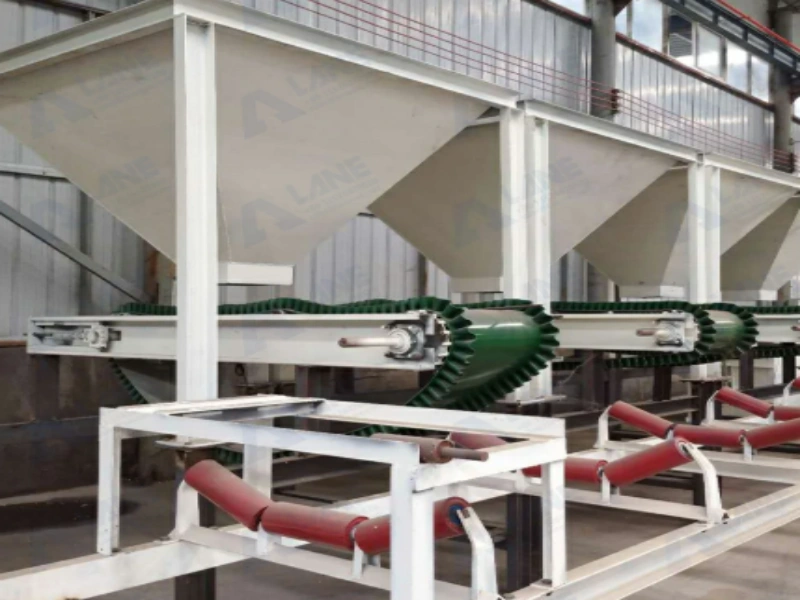
A batching system is not a single standardized machine. It is a combination of storage, feeding, weighing, conveying, and control equipment designed to handle specific materials according to a production formula.
The total investment depends on several technical and project-related factors.
Equipment configuration: A system with three storage hoppers and one weighing unit will generally have a different cost from a system with six hoppers, multiple weighing channels, and additional conveying equipment.
Production capacity: The required hourly output affects hopper volume, feeder size, conveyor specifications, weighing range, and motor power. Higher capacity usually requires larger or more powerful components.
Weighing requirements: Different formulations may require different measurement ranges and control strategies. The required weighing performance influences load cells, weighing instruments, feeding mechanisms, and calibration arrangements.
Automation level: Manual, semi-automatic, and fully automatic systems use different control configurations. PLC control, recipe storage, monitoring interfaces, and communication functions can all influence the final investment.
Raw material properties: Powder, granular fertilizer, and materials with poor flow characteristics may require different feeding and storage arrangements. Moisture, particle size, bulk density, and material buildup should all be considered.
When requesting a batching system quotation, buyers should provide these details rather than asking for a general price based only on the words “fertilizer batching machine.”
How Does Production Capacity Affect the Cost?
Production capacity is one of the most important factors in equipment selection. A batching system designed for a small fertilizer workshop cannot necessarily meet the requirements of a plant operating continuously at a much higher output. Therefore, production capacity should be clearly defined before requesting a batching system quotation, as it directly affects the recommended equipment configuration and investment.
For example, a plant producing 5 tons of fertilizer per hour may use relatively small storage hoppers and feeding equipment. A plant targeting 20 or 30 tons per hour may need larger hoppers, faster material delivery, stronger conveyors, and a weighing system capable of handling higher throughput.
The relationship between capacity and cost is not always proportional. Increasing the target output may require changes to several connected components, not simply a larger motor.
Consider the following differences:
- Low-capacity production: Suitable for smaller factories, limited product ranges, or projects with moderate daily output. The equipment arrangement can be relatively compact.
- Medium-capacity production: Requires more stable material feeding, suitable weighing capacity, and coordinated conveying. Multiple raw materials may need to enter the system within a controlled production cycle.
- High-capacity production: May require larger storage facilities, higher-speed feeders, multiple weighing arrangements, and more advanced automation to maintain stable operation.
A useful reference is the fertilizer blending solution published by Fertilizer Industry Leader. Its technical information covers production capacities from 3 to 100 t/h, automatic weighing and conveying, and a stated batching accuracy of ±0.2%. These figures illustrate the range of configurations available for different projects; they should not be interpreted as a universal performance guarantee for every material or system.
When evaluating a batching system quotation, check whether the stated capacity refers to the batching unit alone or the complete production line. A system may have a high theoretical feeding rate but still be limited by the downstream mixer, conveyor, or packaging equipment.
How Do Hopper Quantity and Raw Materials Change the Price?
The number of raw materials is another major factor affecting the design and cost of a batching system.
In fertilizer production, different formulations may use urea, ammonium sulfate, monoammonium phosphate (MAP), diammonium phosphate (DAP), potassium chloride, potassium sulfate, fillers, and other additives. These materials may need to be stored separately to prevent cross-contamination and ensure accurate proportioning. The number of storage hoppers and feeding units required for these ingredients should be clearly listed in the batching system quotation because each additional component may increase the equipment investment.
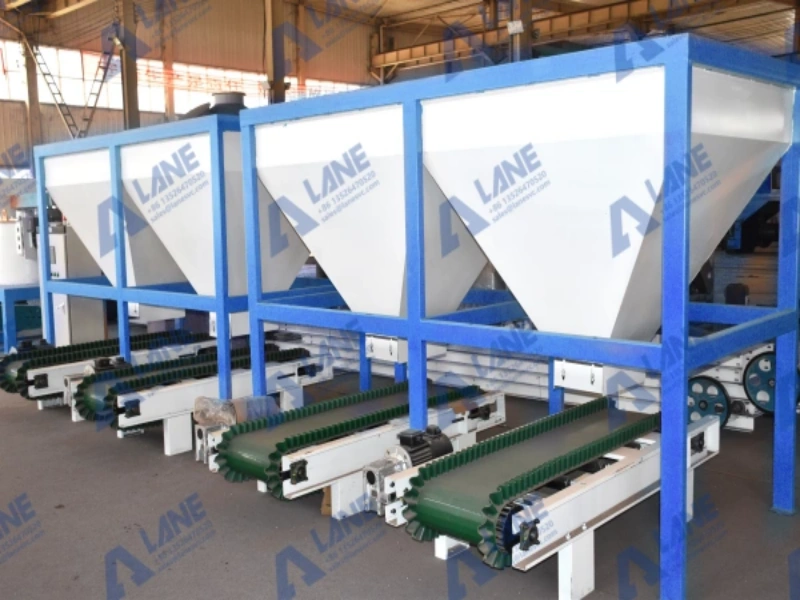
A system handling three ingredients may require three storage hoppers and corresponding feeding arrangements. A system handling six ingredients may need more storage capacity, additional feeders, and a more complicated control sequence.
However, hopper quantity should not be determined by ingredient count alone. Buyers should also consider:
- The daily consumption of each raw material.
- Whether materials are supplied in bulk bags, trucks, or smaller packages.
- The storage time required between deliveries.
- Differences in particle size and bulk density.
- Whether certain materials tend to bridge, cake, or block the discharge outlet.
- Whether the plant needs to change fertilizer formulations frequently.
For example, urea granules and fine powdered additives do not necessarily have the same flow characteristics. A suitable feeding device for one material may not work equally well for another. Depending on the material, the system may use belt feeders, screw feeders, vibrating feeders, or other suitable discharge arrangements.
When comparing a batching system quotation, check whether each hopper includes its own feeding device, whether the weighing unit is shared or independent, and whether the quotation covers the necessary conveying equipment.
Automatic vs. Semi-Automatic Batching System: What Is the Cost Difference?
Automation is another important factor in the total equipment investment. The right level depends on the plant’s production volume, labor availability, formulation complexity, and quality-control requirements.
Manual batching system
In a manual arrangement, operators control material quantities using weighing instruments and manual operating procedures. This configuration may have a lower initial equipment cost and can be suitable for small operations with limited production requirements.
However, the process depends heavily on operator attention. Frequent formulation changes or large numbers of ingredients may increase labor requirements and make production consistency more difficult to maintain.
Semi-automatic batching system
A semi-automatic system combines mechanical feeding and weighing equipment with operator-controlled steps. Certain operations can be controlled automatically, while workers remain responsible for material preparation, recipe selection, or other procedures.
This option can reduce repetitive manual work without requiring the same level of control-system investment as a fully automated plant. When comparing a batching system quotation for semi-automatic equipment, buyers should check which operations still require manual intervention and which functions are handled by the control system.
Fully automatic batching system
A fully automatic system can coordinate material feeding, weighing, discharging, and production sequences through a PLC control platform. Depending on its configuration, it may also support recipe storage, operating records, alarms, and centralized monitoring.
The initial cost is generally higher because the system requires additional electrical components, sensors, control devices, and programming. However, it can be useful for factories that process multiple formulations or operate for extended production periods.
A higher automation level does not automatically mean a better investment. When reviewing a batching system quotation, consider whether the proposed control functions solve actual production problems. For a small factory producing one fixed formulation, an advanced monitoring platform may provide little additional value.
How Do Material Characteristics Affect Equipment Selection?
Two factories may use the same number of raw materials but still require different batching equipment. The reason is that material properties influence how ingredients are stored, discharged, weighed, and conveyed.
Particle size: Large granules, small particles, and fine powders may flow differently. Feeding devices should be selected according to the material’s physical characteristics.
Bulk density: Materials with different bulk densities occupy different volumes at the same weight. Hopper dimensions and weighing arrangements should account for these differences.
Moisture content: Moisture can cause certain powders to stick to hopper walls or form lumps. This may interrupt feeding and create weighing deviations.
Flowability: Some materials discharge easily, while others may form bridges or blockages. Suitable hopper angles, discharge openings, and auxiliary flow devices may be required.
Corrosiveness and abrasiveness: Certain fertilizer ingredients can affect the service life of equipment surfaces and components. Material compatibility should be discussed before selecting construction materials and protective treatments.
These factors should be clearly described when requesting a batching system quotation. Providing only the raw material names may not be enough for engineers to select suitable feeding and storage equipment. A detailed batching system quotation should also explain how the selected feeders, hoppers, and weighing devices are matched to the physical properties of each material.
What should a batching system quotation include?
A professional quotation should provide enough technical information for buyers to understand exactly what they are purchasing. A single total price without an equipment list or specifications makes it difficult to compare suppliers fairly. A detailed batching system quotation should separate the main equipment, electrical components, control system, and optional services so buyers can understand how the total price is calculated.
A complete quotation should normally identify the following items.
| Quotation item | Information to check |
|---|---|
| Equipment list | Hopper quantity, feeder type, weighing unit, conveyor, and control cabinet |
| Technical parameters | Dimensions, motor power, working capacity, and material specifications |
| Weighing performance | Measurement range, stated accuracy, and calibration requirements |
| Control system | PLC brand, control functions, recipe management, and operator interface |
| Material contact parts | Carbon steel, stainless steel, coating, or other specified materials |
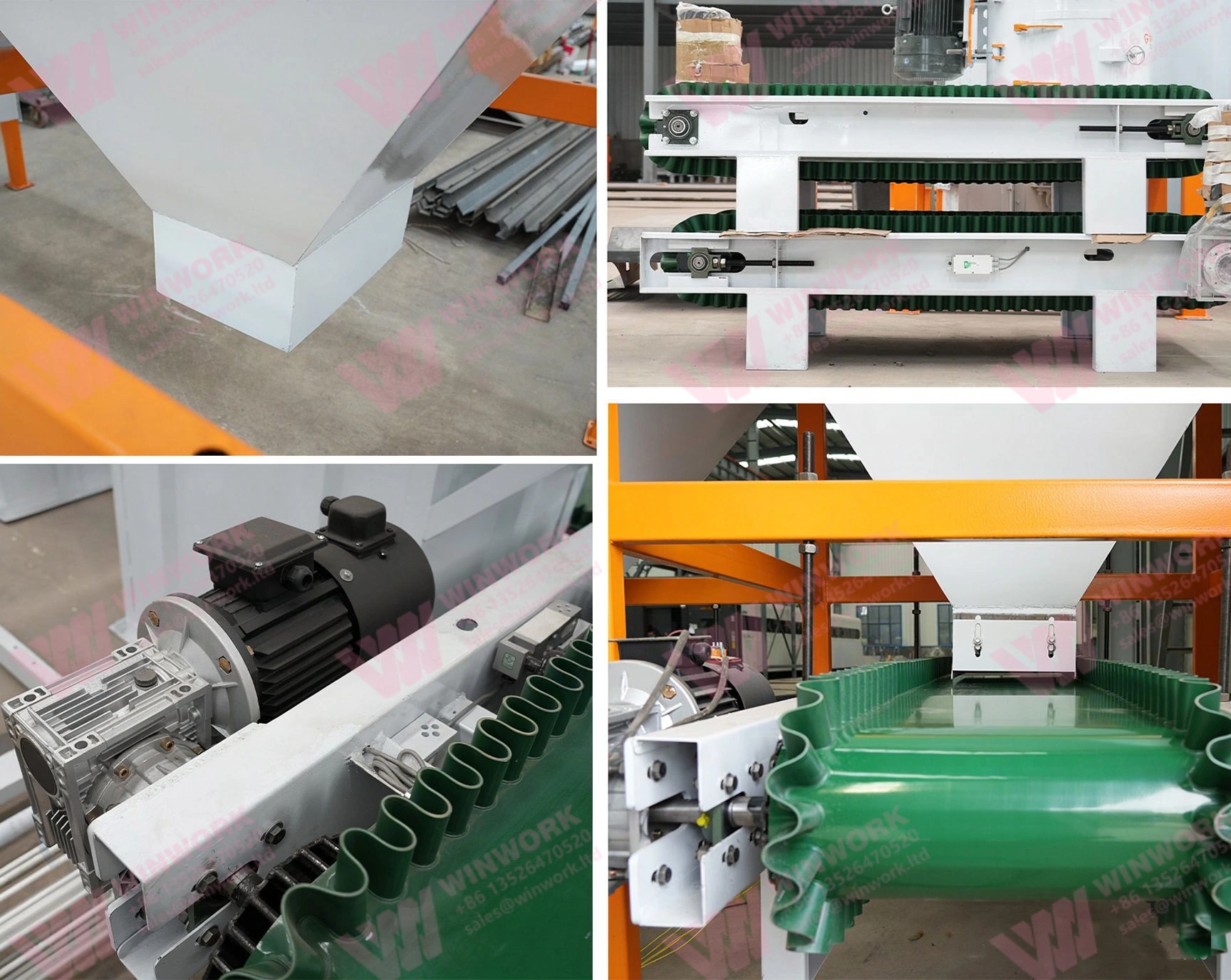
| Electrical components | Motors, sensors, load cells, switches, and protective devices |
| Installation | Installation guidance, commissioning, and on-site engineering services |
| Spare parts | Recommended spare parts and their availability |
| Warranty | Warranty period and coverage conditions |
| Delivery | Packaging, shipping terms, and estimated delivery time |
Buyers should also confirm whether installation, commissioning, operator training, and international transportation are included in the quoted price.
For example, a supplier may offer a lower equipment price but exclude the control cabinet or installation service. Another supplier may provide a more complete package. Without checking the details, the lower initial price may not represent the lower total project cost.
A Fertilizer Production Line Example: Understanding the Quotation
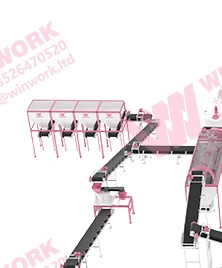
Consider a BB fertilizer factory that needs to combine four granular raw materials according to different product formulations. The project requires separate storage, controlled feeding, accurate weighing, mixing, and finished-product packaging. For this type of project, a batching system quotation should reflect not only the weighing equipment but also the feeding and conveying units required to connect the entire process.
A possible equipment arrangement includes:
- A loader hopper or raw material feeding point.
- Four storage hoppers for separate ingredients.
- A dynamic batching scale.
- Feeding devices and conveying equipment.
- A drum mixer for blending fertilizer granules.
- An automatic packaging machine.
- A PLC control system for coordinated operation.
The actual configuration depends on the material properties and target output. For example, a plant producing 10–20 tons per hour may need a different hopper capacity and feeding arrangement from a plant targeting 30–50 tons per hour.
The fertilizer blending turnkey solution provides an example of how batching, conveying, mixing, packaging, and palletizing can be integrated into one project. Its published specifications and project information can help buyers understand the equipment stages that may appear in a complete production-line proposal.
However, a turnkey fertilizer blending plant quotation should not be confused with the price of a standalone batching system. The complete line may include several downstream machines and services that are not required by every buyer.
For this reason, the most useful batching system quotation is one based on the buyer’s actual process rather than a standard package selected without reviewing the project.
How to Get an Accurate Batching System Quotation from a Manufacturer
The more complete the project information, the easier it is for a manufacturer to recommend suitable equipment and prepare a detailed quotation. Providing accurate production data also helps the manufacturer prepare a batching system quotation that reflects the actual project requirements instead of relying on a general equipment estimate.
Before contacting a supplier, prepare the following information.
Raw material list: Identify each ingredient and provide its approximate particle size, moisture content, and bulk density if available.
Production capacity: Specify the required hourly output or daily production target. Clarify whether the target refers to the batching process or the complete production line.
Formula requirements: Provide the number of ingredients and the approximate proportion of each material. If several fertilizer grades are produced, explain how frequently the recipe changes.
Storage requirements: Indicate the number of hoppers required and how raw materials will be delivered to the factory.
Automation preferences: Explain whether manual, semi-automatic, or fully automatic operation is preferred.
Factory layout: Provide available floor space, building height, equipment arrangement, and material-transfer requirements.
Power supply: Confirm the local voltage and frequency so the manufacturer can select compatible motors and electrical components.
If the factory already has a mixer, conveyor, or other production equipment, include this information as well. The supplier may be able to design the batching section around existing machinery rather than quoting an entirely new line. This information can also help reduce unnecessary costs when preparing a batching system quotation because equipment that is already available may not need to be purchased again.
When requesting a batching system quotation, it is also helpful to ask the manufacturer for a layout drawing, equipment list, and explanation of the proposed operating sequence. These documents make it easier to check whether the solution fits the existing factory and production plan.
Common Mistakes When Comparing Batching System Quotations
Even when several suppliers provide quotations, buyers may still struggle to identify the most suitable option. The following mistakes can lead to unnecessary costs or unsuitable equipment.
Comparing only the final price: A lower price may reflect fewer hoppers, simpler feeding devices, or excluded services. Compare the equipment list and technical parameters before making a decision. When reviewing each batching system quotation, make sure that all suppliers are pricing equipment with comparable functions and production capabilities.
Ignoring raw material properties: A standard feeder may not handle every powder or granular material reliably. Material testing and engineering evaluation are important when flow characteristics are uncertain.
Overlooking the complete production process: The batching system must work with upstream storage and downstream mixing or granulation equipment. Its capacity should match the rest of the line.
Choosing excessive automation: Additional control functions increase investment. Select automation according to actual production needs rather than choosing the most complicated configuration by default.
Failing to confirm service details: Installation, commissioning, spare parts, and warranty conditions can affect the total cost of ownership. These services should be clearly identified in the batching system quotation so that buyers can calculate the actual investment required after purchasing the equipment.
A reliable batching system quotation should make these details clear before the order is confirmed.
Conclusion
A batching system quotation is more than a price for a weighing machine or a group of storage hoppers. It represents an equipment solution designed around raw material characteristics, production capacity, weighing requirements, automation, and factory layout. A well-prepared batching system quotation should help buyers understand the complete equipment configuration, compare investment options, and identify the most suitable solution for their fertilizer production project.
Before comparing suppliers, buyers should define their raw materials, formulations, target output, and required automation level. They should also check whether the quotation includes feeding, weighing, conveying, electrical controls, installation, and after-sales support.
For fertilizer manufacturers, the right batching configuration can improve material proportioning and provide a more stable supply of ingredients for mixing and downstream processing. However, the most suitable solution is not necessarily the most expensive or the most automated one. It is the system that meets the factory’s actual production requirements without unnecessary equipment investment.
If you are planning a new fertilizer project or upgrading an existing batching section, WINWORK can help evaluate your material requirements and production targets. Visit the WINWORK automatic batching system page to learn more about the equipment, or contact the team with your raw material list, production capacity, and factory layout to discuss a suitable configuration.
Get A Quote