

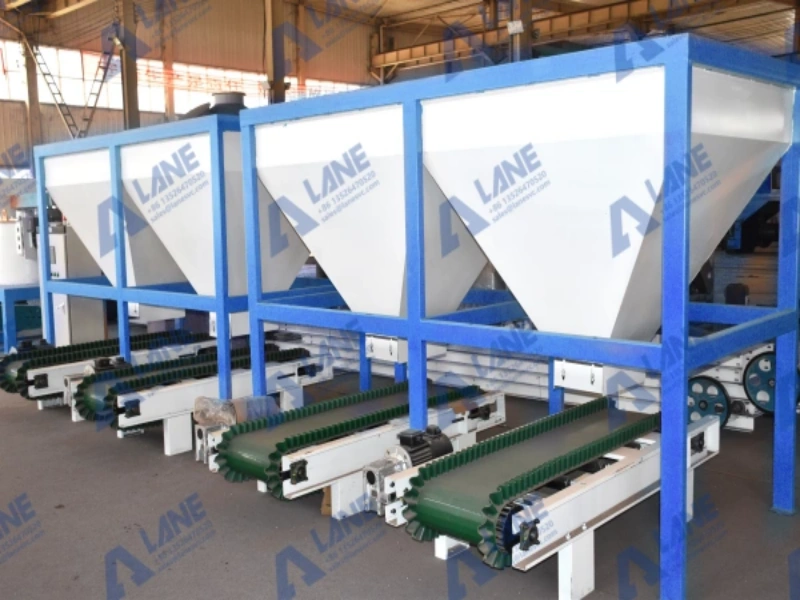
Introduction: When the Batching System Works but the Product Quality Doesn’t
A fertilizer production line can continue running even when its batching process is not performing correctly. The weighing display may show normal readings, conveyors may operate without interruption, and the control panel may not generate any alarms. However, the finished fertilizer may still have inconsistent nutrient proportions, different colors between batches, or unstable granule quality.
This is one of the most difficult problems to identify in fertilizer manufacturing. Operators often focus on the granulator, mixer, or dryer because these machines directly affect the finished product. Yet some production problems begin much earlier, when raw materials are measured and delivered. Effective batching system troubleshooting helps identify these upstream problems before they affect the entire production process.
Effective batching system troubleshooting should therefore start with the actual production results rather than the assumption that a particular machine has failed. A small weighing deviation, unstable feeding rate, or delayed stopping signal can affect the entire production process when the same error occurs repeatedly.
Understanding these hidden causes is an important part of batching system troubleshooting, helping manufacturers determine whether they need a simple adjustment, component maintenance, or a more complete batching system upgrade.
The First Clue: What Does Your Finished Fertilizer Tell You?
Instead of checking every machine immediately, operators can begin by examining the finished fertilizer. Product quality often provides useful clues about what happened during raw material batching, making it an important starting point for batching system troubleshooting.
Unstable Nutrient Content Between Batches
For NPK fertilizer production, different raw materials must be added according to a specified formulation. If the actual quantities of nitrogen, phosphorus, or potassium sources differ from their target weights, the final nutrient composition may also vary.
For example, suppose a production recipe requires 300 kg of urea, 250 kg of monoammonium phosphate, and 200 kg of potassium chloride. If the feeding system repeatedly delivers more potassium chloride than required, the finished product may not meet the intended formulation.
When this happens, batching system troubleshooting should include a comparison between target weights and actual weighing records. Do not immediately change the fertilizer formula before confirming whether the equipment is delivering the correct quantities.
Different Colors or Appearance Between Production Batches
Color differences do not always indicate a chemical formulation problem. Different raw material proportions, particle characteristics, and mixing conditions may also influence the appearance of finished fertilizer.
If the color variation occurs between batches made from the same raw materials, check whether the feeding sequence and actual ingredient quantities remain consistent. During batching system troubleshooting, comparing these records can help determine whether inconsistent feeding is contributing to the color difference.
Uneven Granule Formation
Granulation problems are often blamed on the granulator itself. However, unstable raw material proportions can also influence the physical properties of the material entering the granulation section.
Changes in ingredient ratios may affect moisture requirements, material adhesion, and granulation behavior. Before adjusting the granulator, operators should confirm that the upstream batching and mixing processes are stable. This makes batching system troubleshooting an important step before changing downstream granulation parameters.
Unexpected Material Consumption
Another useful clue comes from raw material inventory records. If a factory consumes more urea, phosphate, potassium sources, or additives than the production recipe indicates, the problem may involve inaccurate weighing or uncontrolled material discharge.
A comparison of planned consumption, actual consumption, and finished production output can help identify unexplained material losses. These records also provide useful evidence during batching system troubleshooting, especially when the actual material consumption is consistently higher than the production recipe requires.
These symptoms do not prove that the batching equipment is responsible. Mixing, granulation, moisture control, and raw material quality must also be considered. However, they provide a practical starting point for batching system troubleshooting.
Why Does a Batching System Become Inaccurate Without an Obvious Failure?
A batching system does not need to stop working to create production problems. Some of its most common performance issues develop gradually and remain unnoticed until operators compare multiple production batches. Recognizing these hidden deviations is a key objective of batching system troubleshooting.
Load Cell Drift and Weighing Errors
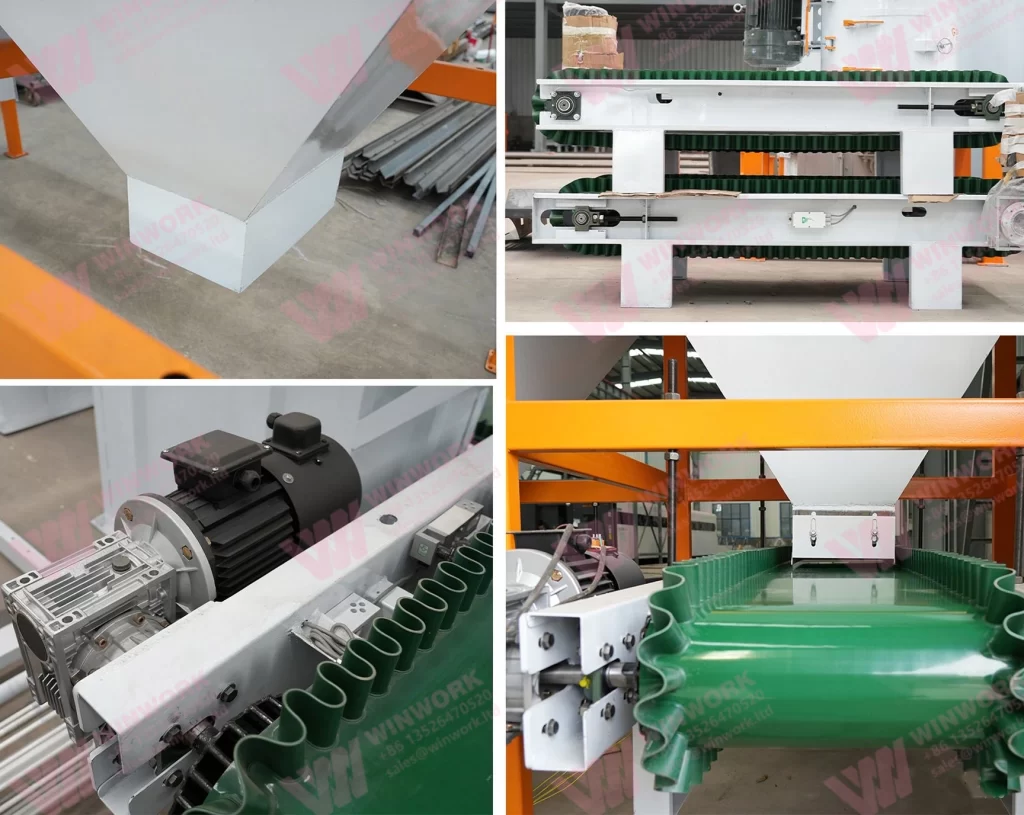
Load cells measure the weight of materials in a weighing hopper or other weighing equipment. Over time, readings may become inaccurate because of calibration problems, mechanical interference, damaged cables, or material buildup.
For example, a weighing hopper that touches a nearby structure may transfer part of its load through that contact point. The display may still show a number, but the reading may no longer represent the actual material weight accurately.
During batching system troubleshooting, inspect the mounting points, connections, zero readings, and calibration records. A known test weight can help determine whether the weighing system responds correctly.
Do not replace a load cell before checking the surrounding mechanical structure. Sometimes the sensor itself is still functional.
Material Bridging and Irregular Discharge
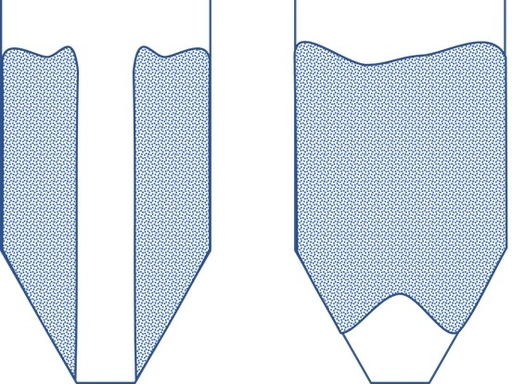
Powdered and granular fertilizer materials do not always flow consistently. Moisture, particle size, bulk density, and storage conditions can change how materials move through a hopper.
For example, damp fertilizer powder may stick to the hopper wall and form a bridge above the discharge opening. Material may stop flowing temporarily and then suddenly fall when the blockage collapses.
This creates an irregular feeding pattern. The weighing system may appear accurate, but the amount of material delivered during each batch becomes inconsistent.
Operators should inspect hopper walls, discharge openings, gates, and feeding conditions. If bridging happens repeatedly, the storage and discharge design may need improvement. In batching system troubleshooting, identifying whether the blockage is caused by moisture, material properties, or hopper design can prevent the same problem from recurring.
Feeding Speed and Material Overshoot
One common source of weighing deviation is material overshoot.
Imagine that the target weight is 500 kg. When the display reaches 495 kg, the controller sends a stop signal. However, material already inside the chute continues falling into the weighing hopper. The final weight may reach 507 kg.
This problem can occur even when the load cell is accurate.
A practical batching system troubleshooting process should examine the feeder’s response time, the amount of material remaining in the chute, and the control point used to switch from fast feeding to slow feeding.
Depending on the equipment design, adjusting the feeding speed or stopping threshold may help reduce overshoot.
PLC Settings and Communication Delays
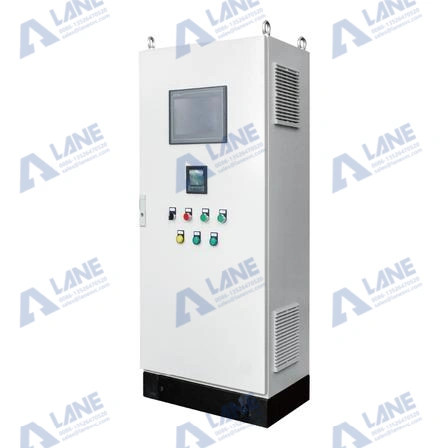
The PLC coordinates different parts of an automated batching process. It may control feeding sequences, weighing targets, conveyor operation, and discharge timing.
Incorrect parameters or communication delays can cause feeders and weighing equipment to operate out of sequence.
For example, a conveyor may begin transferring material before the weighing hopper has completed its discharge cycle. Alternatively, the next ingredient may start feeding before the previous ingredient has been fully delivered.
Check the control sequence, alarm history, parameter settings, and equipment response. These checks are essential during batching system troubleshooting because a small control delay can affect the entire feeding sequence. Changes to PLC logic should be made by qualified personnel who understand the complete production process.
A Practical Batching System Troubleshooting Guide
Once the symptoms are clear, operators can follow a structured inspection process. The goal is to identify the first point where actual operation differs from the intended production sequence.
Check Weighing Accuracy First
Start by comparing the target weight with the actual weight recorded for each ingredient.
For example, if the target quantity is 500 kg but the actual results are 500 kg, 508 kg, and 493 kg across three batches, the variation deserves investigation.
Check the zero point, calibration status, load cell installation, wiring, and weighing instrument. If possible, test the equipment using a known reference weight.
Record the results instead of relying on a single measurement. Repeated tests help distinguish a consistent offset from an intermittent problem, giving operators more reliable information for batching system troubleshooting.
Inspect Hoppers and Material Discharge
Next, examine whether raw materials flow smoothly from storage bins into the weighing or mixing equipment.
Look for:
- Material buildup on hopper walls.
- Moisture-related clumping.
- Blocked discharge openings.
- Damaged gates or feeding mechanisms.
- Irregular material flow during different production shifts.
If a material repeatedly stops and starts during discharge, cleaning alone may not solve the problem. The hopper design, material properties, or discharge mechanism may need further assessment as part of batching system troubleshooting.
Test Feeders and Conveyors
Inspect screw feeders, belt conveyors, motors, and other material-handling components.
Check whether the feeder maintains a stable speed and whether the actual delivery rate changes when the hopper becomes nearly full.
Also examine the stopping response. If material continues entering the weighing hopper after the feeder stops, measure the remaining material and determine whether the control settings need adjustment.
This stage of batching system troubleshooting is especially important when the weighing readings are accurate but the final delivered quantities are not.
Review PLC Parameters and Batch Records
Check the target weights, feeding sequence, fast-feeding and slow-feeding settings, discharge timing, and alarm records.
Compare several batches to identify repeated patterns. For example, if overfeeding occurs mainly with one particular material, the problem may be related to its flow characteristics rather than the entire control system.
Keep a record of parameter changes during batching system troubleshooting. Adjusting multiple settings at once makes it difficult to determine which change actually solved the problem.
Run a Controlled Production Test
After completing the inspection and adjustments, run several test batches under comparable conditions.
Record the target weight, actual weight, feeding time, and any manual intervention required.
A successful repair should produce more consistent results over repeated batches, not simply one acceptable weighing result.
How Batching Problems Affect Mixing, Granulation, and Drying
The batching process is closely connected to the rest of a fertilizer production line. An error at the raw material stage may create additional problems downstream.
Mixing: Incorrect Input Ratios
A mixer distributes different ingredients throughout the material, but it cannot automatically correct an incorrect recipe.
If the batching equipment delivers the wrong quantity of one ingredient, even a properly operating mixer may produce a homogeneous mixture with the wrong overall composition. This is why batching system troubleshooting should examine the actual material quantities before operators investigate mixing performance alone.
This is why batching system troubleshooting should include both the weighing stage and the actual material entering the mixer.
Granulation: Changes in Material Behavior
The granulation process depends on the characteristics of the prepared material. Ingredient proportions, particle size, moisture, and binding properties may influence granule formation.
If raw material composition changes from batch to batch, operators may notice differences in granule size, strength, or formation efficiency.
However, these symptoms can also result from unsuitable moisture levels, worn granulation equipment, or incorrect operating conditions. Batching should be checked as one possible cause rather than treated as the only explanation.
Drying and Screening: More Work for Downstream Equipment
Unstable material properties may require operators to adjust drying conditions or inspect screening results more frequently.
For example, batches with different moisture or granule characteristics may respond differently during drying. Some may require additional processing, while others may produce more fines during screening.
Stable raw material batching helps reduce one source of variation before the material reaches these stages.
How an Automatic Batching System Helps Control These Problems
When repeated manual adjustments and weighing deviations become difficult to manage, manufacturers may consider improving their automation level. The findings from batching system troubleshooting can also help determine which functions an upgraded automatic batching system needs.
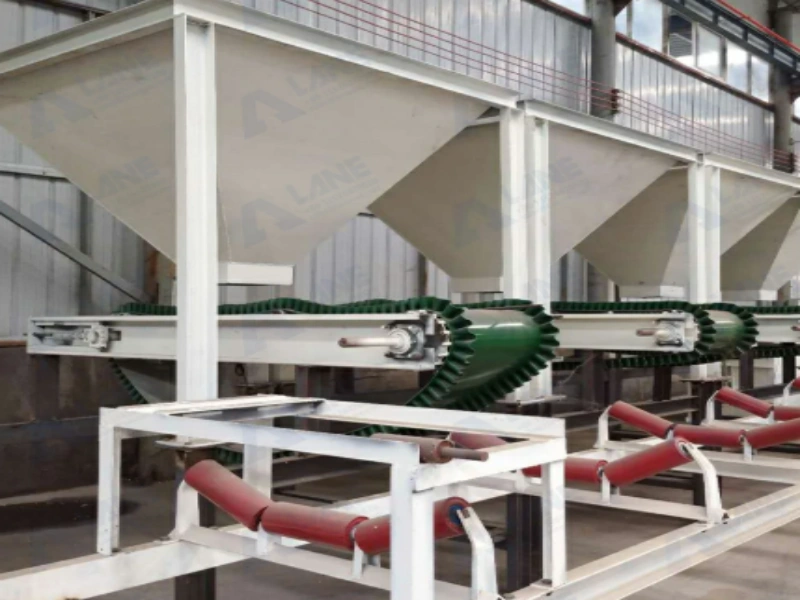
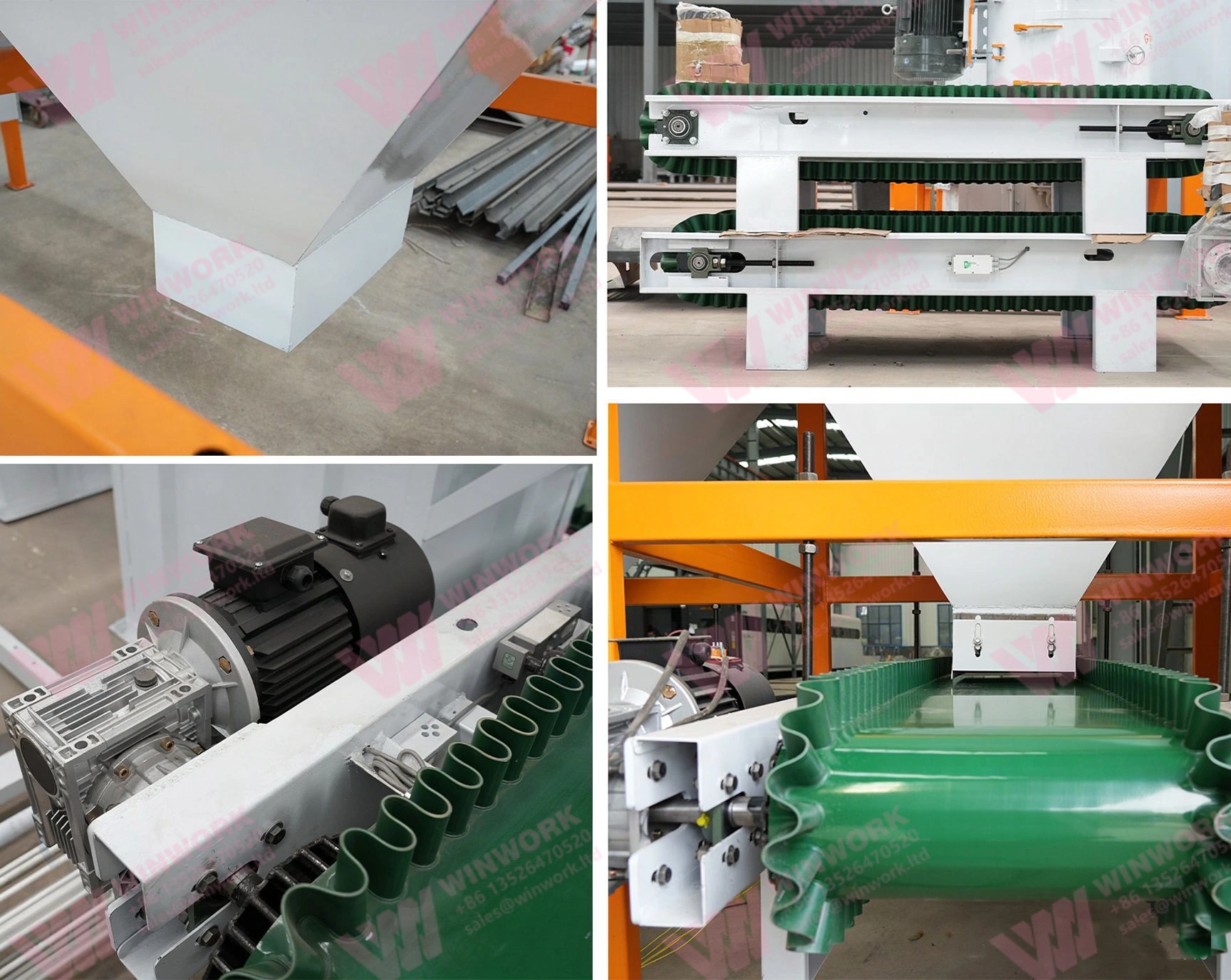
An automatic batching system coordinates weighing, feeding, material transfer, and control operations. Depending on its configuration, it can include storage bins, load cells, feeders, conveyors, weighing instruments, and PLC controls.
Recipe-Based Material Management
Operators can set target quantities for different raw materials according to the production formulation.
Where the control system supports recipe storage, different fertilizer products can use their corresponding batching parameters. This reduces repeated manual data entry and helps standardize product changeovers. For manufacturers dealing with recurring formulation errors, batching system troubleshooting can reveal whether better recipe management is necessary.
Controlled Feeding and Weighing Feedback
The feeding mechanism delivers raw materials according to the required quantities. Weighing feedback allows the control system to monitor the actual weight during operation.
The system can use different feeding speeds or stopping thresholds to reduce overshoot, depending on the material and equipment response.
Coordinated Equipment Operation
Storage bins, feeders, weighing units, and conveyors must operate in the correct order. Automation helps coordinate these operations and reduces unnecessary manual intervention.
Batch Records and Production Monitoring
Where recording functions are available, operators can compare target weights with actual quantities and review previous production batches.
These records are particularly useful when investigating recurring deviations or identifying whether a problem began after a parameter change or equipment adjustment.
For manufacturers evaluating equipment improvements, the WINWORK automatic batching system provides a starting point for understanding the equipment and discussing a suitable configuration.
It is important to remember that automation does not guarantee zero weighing error. Equipment selection, raw material characteristics, installation, calibration, and operating parameters all influence actual performance.
When Should You Repair the Existing System or Upgrade It?
Not every batching problem requires a complete equipment replacement. The results of batching system troubleshooting can help manufacturers determine whether the correct decision is routine maintenance, component replacement, or a complete system upgrade.
When Maintenance Is Usually Enough
If weighing deviations come from incorrect calibration, loose connections, material buildup, or a worn feeding component, targeted maintenance may restore normal operation.
The same applies when a problem can be traced to an unsuitable feeding parameter or a minor mechanical adjustment.
When Equipment Replacement Should Be Considered
If a load cell is damaged, a feeder cannot maintain the required delivery rate, or an existing weighing unit cannot handle the intended measurement range, replacing the affected component may be more practical.
The replacement should match the material characteristics, required capacity, and working conditions.
When a Complete Batching Upgrade Makes Sense
A broader upgrade may be worth considering when several components repeatedly create problems, manual intervention remains high, or production capacity has increased beyond the existing system’s capabilities.
Before choosing a new configuration, identify the number of raw materials, target hourly capacity, batch size, material properties, and required automation functions.
For manufacturers planning a new fertilizer line or upgrading existing equipment, WINWORK offers fertilizer machinery and customized production-line solutions based on project requirements.
How to Prevent the Same Batching Problems from Returning
Repairing a machine is only part of the work. A consistent maintenance routine, supported by regular batching system troubleshooting, helps prevent the same problem from returning during future production runs.
First, establish a regular weighing calibration schedule based on equipment requirements and actual operating conditions. Check zero readings and inspect load cell connections.
Second, keep hoppers, discharge openings, and feeding equipment clean. Pay particular attention to materials that absorb moisture or tend to form lumps.
Third, record the target and actual weight of every batch. These records make it easier to detect gradual deviations before they become serious production problems.
Fourth, review feeding parameters when raw materials change. Different particle sizes, bulk densities, and flow characteristics may require different settings.
Finally, train operators to report unusual feeding sounds, fluctuating weight readings, repeated alarms, and unexpected material consumption. Small warning signs should be investigated before they affect a large quantity of finished fertilizer.
FAQ About Batching System Troubleshooting
What Are the Most Common Batching System Problems?
Common problems include inaccurate weighing, load cell drift, unstable material feeding, hopper bridging, material overshoot, incorrect PLC settings, and poor coordination between equipment.
Why Does My Batching System Give Inconsistent Weight Readings?
Possible causes include poor calibration, mechanical interference, damaged wiring, vibration, and material buildup around the weighing hopper. Check the complete weighing structure before replacing the sensor.
How Often Should a Batching System Be Calibrated?
There is no single interval suitable for every system. Calibration frequency depends on equipment specifications, operating conditions, usage intensity, and the required weighing performance. Follow the manufacturer’s recommendations and recalibrate whenever measurements become unreliable or maintenance affects the weighing structure.
Can Material Moisture Affect Batching Accuracy?
Yes. Moisture can change material flow behavior, cause powder to stick to hopper walls, and create lumps that interrupt discharge. These conditions may result in inconsistent feeding even when the weighing equipment is functioning correctly.
Conclusion: Look Beyond the Scale to Find the Real Problem
A fertilizer batching problem rarely has to be solved by replacing the first component that appears abnormal. Effective batching system troubleshooting should examine the relationship between weighing accuracy, material flow, feeding response, and control coordination to identify the actual cause.
A systematic approach to batching system troubleshooting helps manufacturers identify where the deviation begins, reduce unnecessary adjustments, and maintain more consistent raw material proportions.
More importantly, the batching process should be evaluated as part of the complete fertilizer production line. Stable input materials create a better starting point for mixing, granulation, drying, and finished-product quality.
When repeated weighing errors or material handling problems begin affecting production, inspect the entire process before deciding whether maintenance, component replacement, or an automatic batching upgrade is the right solution.
Get A Quote