


Introduction
Farmers and landowners are constantly searching for ways to improve soil fertility, conserve water, and reduce their environmental footprint. If you’ve heard about biochar carbon sequestration technology, you already know it’s one of the most promising tools for achieving all three goals at once. At its heart, this technology transforms agricultural waste—like crop residues, manure, or woody debris—into a stable form of carbon that can be buried in the soil, locking away greenhouse gases for hundreds to thousands of years. The result? A healthier farm, a more resilient landscape, and a direct contribution to slowing global warming.
What Is Biochar?
Biochar is a fine-grained, charcoal-like material made by heating organic matter in a low-oxygen environment—a process called pyrolysis. Unlike ash, which is what remains after combustion, biochar retains much of the original structure of the biomass, creating a porous, stable form of carbon. Because it doesn’t decompose quickly, it acts like a “carbon vault” in the soil. This is the foundational concept behind biochar carbon sequestration technology.
What Is Biochar Carbon Sequestration Technology?
Biochar carbon sequestration technology refers to the complete system of converting biomass into biochar and applying it to land in ways that permanently remove carbon dioxide from the atmosphere. The process involves:
Heating it in a controlled, oxygen-limited environment to create biochar.
Cooling and storing the biochar.
Incorporating it into soil or other carbon sinks.
This technology doesn’t just store carbon—it also improves soil structure, water retention, and nutrient availability. That makes it a rare win-win for both climate mitigation and agricultural productivity.
How Biochar Carbon Sequestration Technology Works
Understanding the mechanics of biochar carbon sequestration technology helps demystify the process:
Pyrolysis – Biomass is heated to 400–700°C without oxygen. Volatile gases are released and can be captured for energy, while the remaining solid is biochar.
Activation – Sometimes, biochar is further treated to increase its surface area, making it even better at holding water and nutrients.
Application – The biochar is mixed into the topsoil or incorporated deeper, depending on crop needs and soil type.
Because biochar resists microbial breakdown, the carbon it contains stays locked in the soil for centuries, unlike compost or mulch, which decompose relatively quickly. This is what sets biochar carbon sequestration technology apart from other carbon storage methods.
Step-by-Step: How to Operate Biochar Carbon Sequestration Technology on Your Farm
Putting biochar carbon sequestration technology into practice is simpler than it sounds. Here’s a straightforward approach:
Source Your Feedstock – Use crop residues, pruned branches, manure, or dedicated energy crops. The more local and renewable, the better.
Choose a Pyrolysis Unit – Select a kiln, retort, or continuous-feed reactor sized for your operation. Portable units are available for small farms.
Process the Biomass – Load the feedstock, maintain low oxygen conditions, and heat according to the manufacturer’s guidelines. Capture any syngas or bio-oil for heating or power.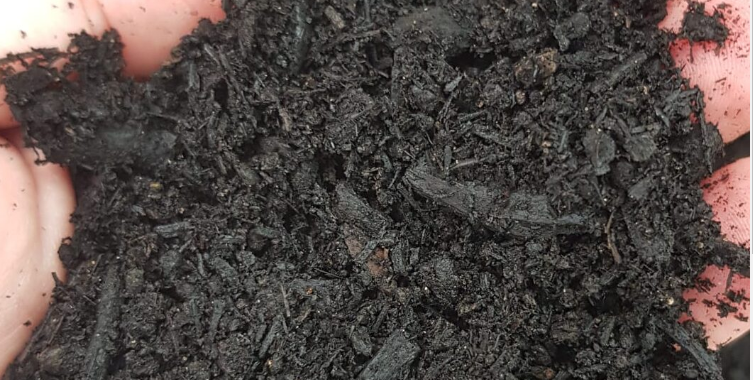
Cool and Store Biochar – Let it cool completely before handling to avoid spontaneous ignition. Store in a dry, ventilated area.
Apply to Soil – Spread biochar evenly and incorporate it into the top 6–8 inches. Combine with compost or fertilizer to “charge” the biochar with nutrients.
Monitor Results – Track soil moisture, nutrient levels, and crop yields over time to assess benefits.
Following these steps puts you firmly on the path of biochar carbon sequestration technology adoption.
Equipment Needed for Biochar Carbon Sequestration Technology
Running this technology requires some specialized tools, but many can be scaled to fit any farm:
Pyrolysis Kilns or Reactors – The core equipment for converting biomass into biochar. Options range from simple drum systems to large continuous units.
Biomass Shredders – Prepare feedstock by chipping or grinding it into uniform pieces for efficient pyrolysis.
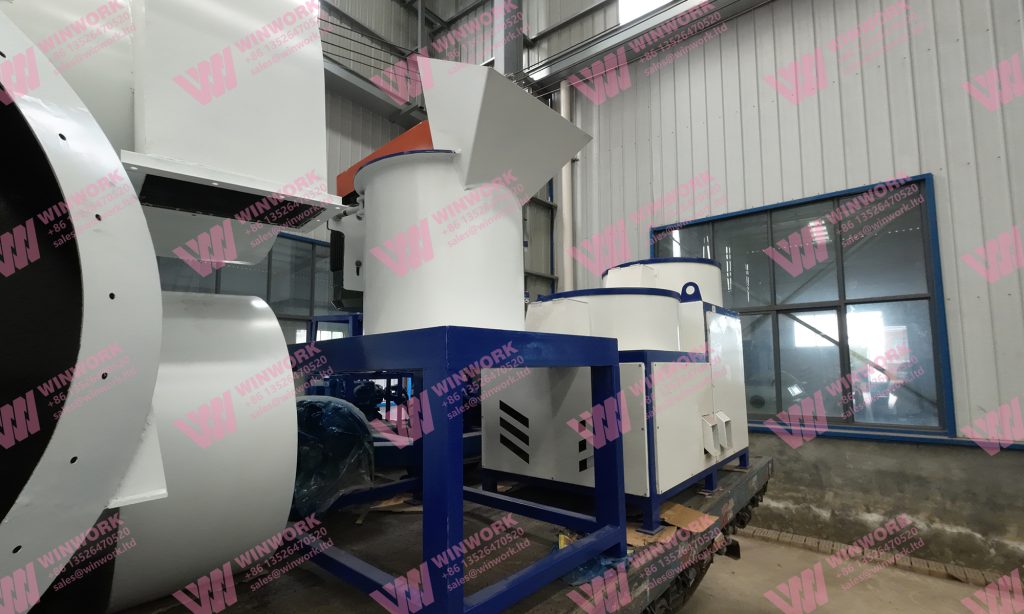
Syngas Capture Systems – Collect combustible gases for heating or electricity, improving energy efficiency.
Cooling Bins or Screens – Lower biochar temperature safely after processing.
Spreaders or Tillage Tools – Mix biochar into the soil evenly.
Moisture and pH Sensors – Help optimize biochar application rates for different soil types.
With these tools, biochar carbon sequestration technology becomes a practical addition to your farm toolkit.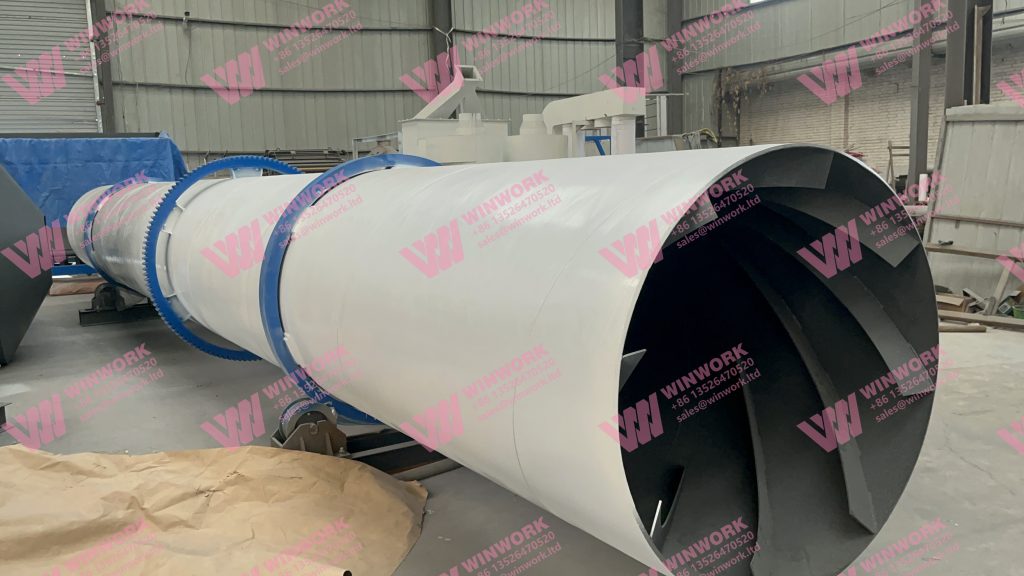
The Benefits of Biochar Carbon Sequestration Technology
The advantages go far beyond carbon storage:
Long-Term Carbon Removal – Biochar locks away CO₂ for centuries, making it one of the most durable forms of sequestration.
Improved Soil Health – Increases water retention, cation exchange capacity, and microbial activity.
Higher Crop Yields – Especially in degraded or sandy soils, biochar boosts productivity.
Waste Valorization – Turns otherwise discarded biomass into a valuable product.
Energy Co-Production – Syngas and bio-oil can replace fossil fuels on the farm.
Reduced Fertilizer Leaching – Nutrients adhere to biochar particles, releasing slowly to plants.
These benefits make biochar carbon sequestration technology attractive for both climate-conscious growers and profit-minded operators.
Real Farm Example: The Oakridge Permaculture Project
The Oakridge team manages 80 acres of mixed crops and pasture in Oregon. They implemented biochar carbon sequestration technology by building a small pyrolysis kiln and using orchard prunings as feedstock. After applying biochar to their vegetable plots, they recorded a 20% drop in irrigation needs and a 15% yield increase over two seasons. “We’re not just growing food—we’re locking carbon and building soil for the long haul,” says project manager Eliza Grant.
FAQ: Your Questions About Biochar Carbon Sequestration Technology Answered
Q1: Is biochar the same as regular charcoal?
A: No. Charcoal is made for fuel; biochar is specifically produced for soil application and carbon sequestration.
Q2: How long does biochar store carbon?
A: Studies show carbon in biochar can remain stable for 100 to over 1,000 years.
Q3: Can I make biochar at home or on a small farm?
A: Yes. Small kilns and retorts are available for on-farm use, even at the homestead scale.
Q4: What’s the best feedstock for biochar?
A: Any dry biomass works, but woody materials tend to produce the most stable biochar.
Q5: Does biochar change soil pH?
A: It often raises pH slightly, making it useful for acidic soils.
Q6: How much biochar should I apply per acre?
A: Common rates are 2–10 tons per acre, depending on soil condition and crop type.
Q7: Can I add biochar to compost piles?
A: Yes. This “charges” the biochar with nutrients, improving its effectiveness.
Q8: Will biochar burn in the soil?
A: No. It’s thermally stable and won’t ignite under normal field conditions.
Q9: Is there a risk of contamination?
A: Only if the feedstock contains pollutants. Use clean, untreated biomass.
Q10: Where can I get a pyrolysis unit for biochar carbon sequestration technology?
A: Agricultural equipment suppliers, renewable energy companies, and online farm tech retailers offer units for all scales.
Conclusion
Biochar carbon sequestration technology offers a rare combination of climate action, soil regeneration, and farm profitability. By transforming waste into a stable, carbon-rich amendment, you can lock away greenhouse gases for generations while improving water retention, nutrient efficiency, and crop yields. With the right equipment and a clear plan, this technology is within reach for farms of every size.
For more details, please feel free to contact us.
Email: sales@lanesvc.com
Contact number: +8613526470520
Whatsapp: +8613526470520


Get A Quote