

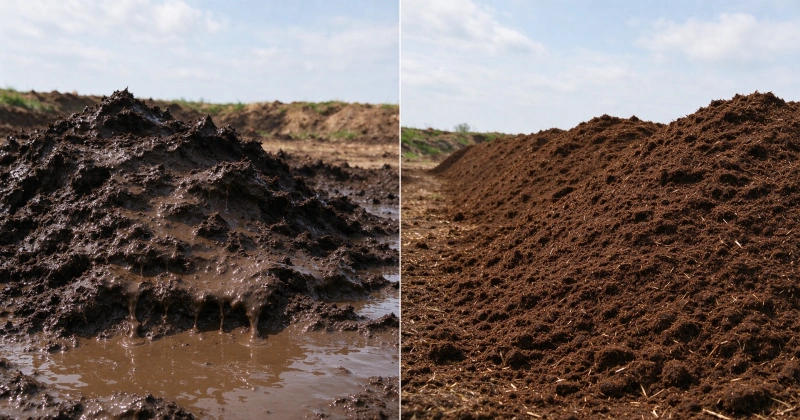
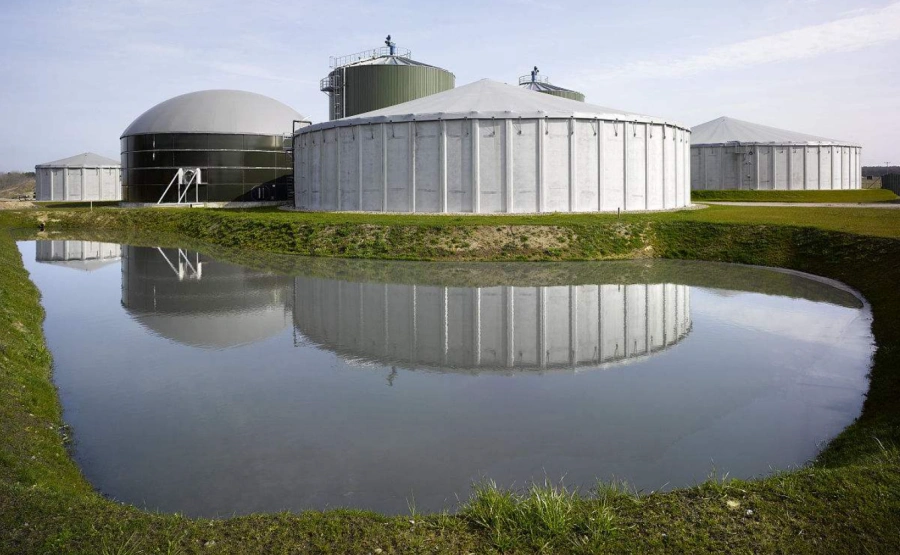
A biogas plant does more than generate renewable energy. It also produces digestate, a by-product that contains nutrients and organic matter remaining after anaerobic digestion. For plant operators, the challenge is deciding how to manage this material efficiently. Transporting wet digestate can be expensive, while applying untreated material may not be suitable for every crop, soil, or market.
With appropriate treatment, biogas digestate fertilizer can become part of a practical nutrient-recycling strategy. Depending on its composition and intended use, digestate may be applied in a suitable liquid form, stabilized as compost, or processed into dry granules that are easier to handle and package.
The best solution depends on the material coming out of the digester, the product customers need, and the requirements of the local market. This guide explains the main processing options, the equipment involved, and the decisions to make before investing in a production line.
What Is Biogas Digestate Fertilizer?
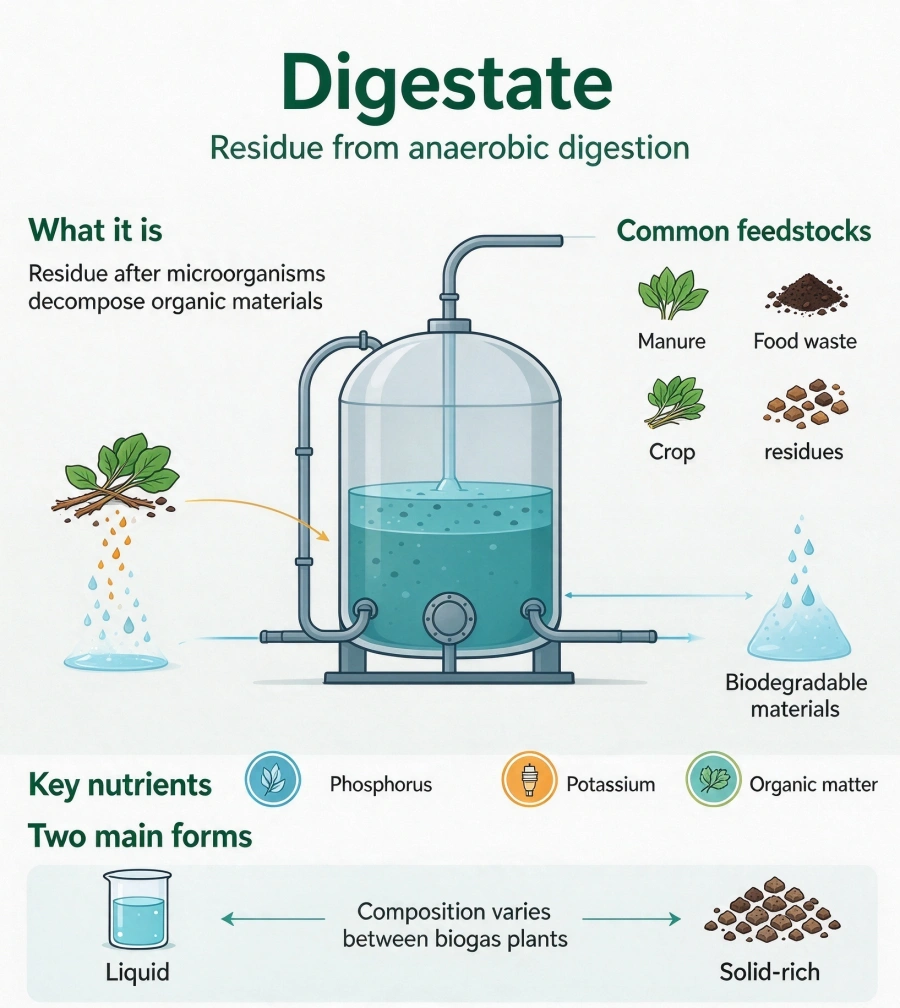
Digestate is the material left after microorganisms break down organic feedstock in an anaerobic digester. The feedstock may include livestock manure, food waste, crop residues, or other permitted biodegradable materials. Its nutrient content and physical properties depend on the incoming materials and the digestion process.
Although digestate can contain nitrogen, phosphorus, potassium, and organic matter, its composition is not consistent across all biogas plants. Some digestate is predominantly liquid, while other material contains a larger solid fraction. These differences determine how biogas digestate fertilizer should be stored, transported, treated, and used.
Producing biogas digestate fertilizer therefore begins with understanding the raw material rather than choosing a machine first. Representative samples should be tested for moisture, nutrient content, pH, salinity, organic matter, and relevant contaminants. Depending on the feedstock and intended use, additional hygiene or safety tests may also be necessary.
It is important to remember that nutrient content alone does not prove that digestate is suitable for unrestricted agricultural use. Producers must check applicable local requirements and verify that the finished product meets the relevant quality and safety criteria.
How Is Digestate Processed into Fertilizer?
There is no single processing route for every biogas plant. A facility producing liquid fertilizer may need filtration, nutrient recovery, or concentration equipment. A plant making solid compost or granules will usually require a different combination of separation, stabilization, and finishing machinery.
The production route for biogas digestate fertilizer is usually designed according to the characteristics of the digestate rather than using a standard fertilizer process. Factors such as moisture content, fiber level, and final product requirements determine whether the project needs composting, granulation, or additional drying steps.
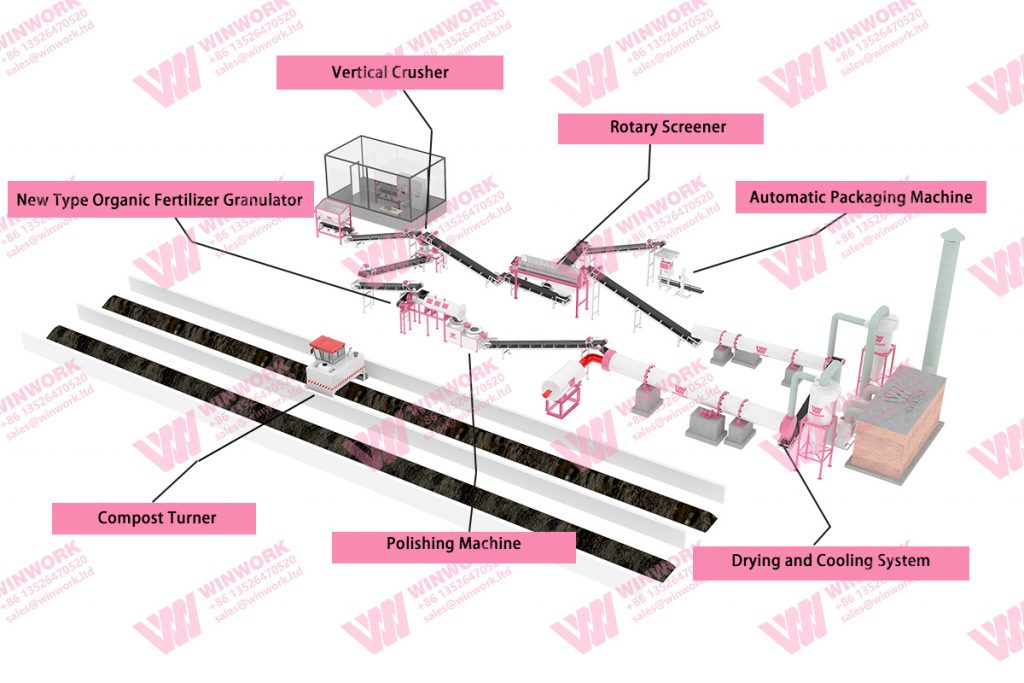
For solid biogas digestate fertilizer, a typical process may include solid-liquid separation, moisture adjustment, composting where necessary, crushing, mixing, granulation, drying, cooling, screening, and packaging. The exact configuration for biogas digestate fertilizer production should be determined by testing the feedstock and defining the final product.
Solid-Liquid Separation: Start by Reducing the Water Load
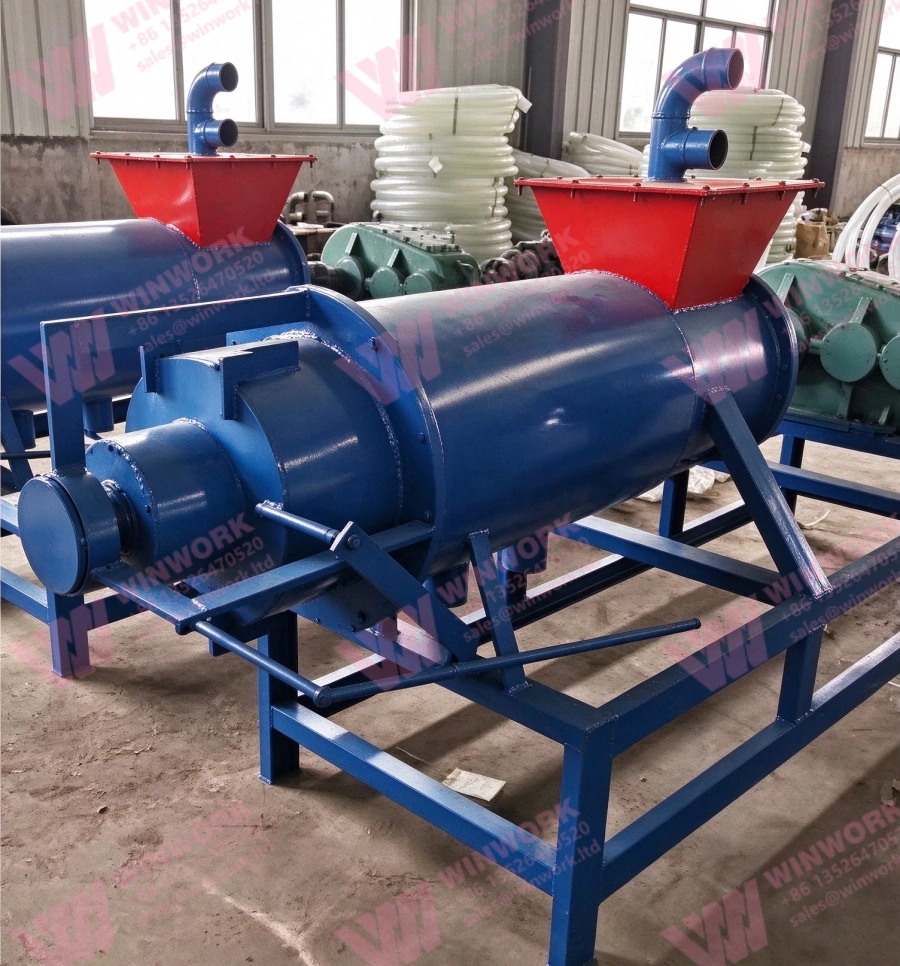
Fresh digestate can contain a substantial amount of water. Moving all that water through a drying system may increase energy consumption and operating costs. A screw press separator or another suitable separation system can divide the material into liquid and solid fractions.
The solid fraction may be suitable for composting or further processing, depending on its composition. The liquid fraction may require separate storage, treatment, nutrient recovery, or controlled agricultural use under applicable rules. Separation does not automatically make either fraction safe or ready for use, so both should be assessed independently.
For operators planning a biogas digestate fertilizer project, this stage is particularly important because it affects the capacity and cost of downstream equipment. Measure the moisture content before and after separation, and estimate how much material each processing stage will receive.
Composting and Stabilization: Improve the Material Before Finishing
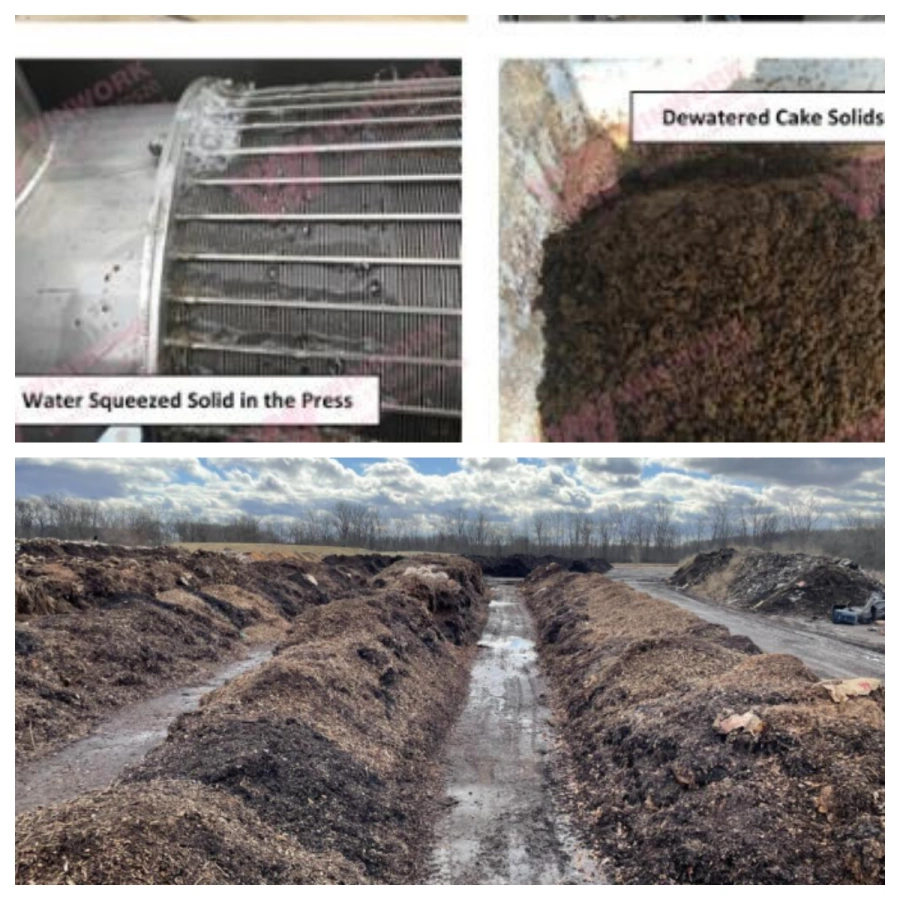
Solid digestate may still be too wet, dense, or unstable for efficient handling. Depending on its characteristics, it may need further composting or stabilization before being used as a soil amendment or sent to a granulation line.
Suitable bulking materials, such as straw or other approved plant residues, can improve porosity and airflow when the mixture requires it. A compost turner helps mix the material and support aeration in a windrow system. Other facilities may use enclosed or in-vessel treatment systems.
During treatment, monitor moisture, temperature, aeration, and odor. The required treatment time depends on the feedstock, process design, climate, and product requirements. Do not rely on a fixed number of days as proof of maturity; use appropriate tests and operating records to determine whether the material is stable enough for its intended use.
Well-managed stabilization can make biogas digestate fertilizer easier to handle and process. It can also help reduce problems associated with unstable material during storage. However, composting should not be treated as a substitute for any specific hygiene or contaminant-control requirement that applies to the product.
Crushing and Mixing: Create a Consistent Feedstock
Once the material has reached the required condition, a crusher can break up large lumps and help produce a more uniform feedstock. A mixer then blends the processed digestate with other suitable ingredients according to the product formulation.
For example, a producer may need to adjust the physical structure of the material or formulate a product with a defined nutrient profile. Any additional ingredients should have a clear purpose and be permitted for the intended product. Accurate weighing and consistent mixing help reduce differences between batches.
Before choosing equipment for biogas digestate fertilizer production, consider whether the material is fibrous, sticky, abrasive, or prone to forming lumps. These characteristics can influence feeding stability, machine wear, mixing performance, and the choice of granulation method for biogas digestate fertilizer production.
Granulation, Drying, and Screening
Granulation is useful when the target market prefers uniform particles that are easier to store, transport, and spread. However, not every digestate can be granulated directly. Moisture, fiber content, particle size, binding behavior, and formulation all affect the result.
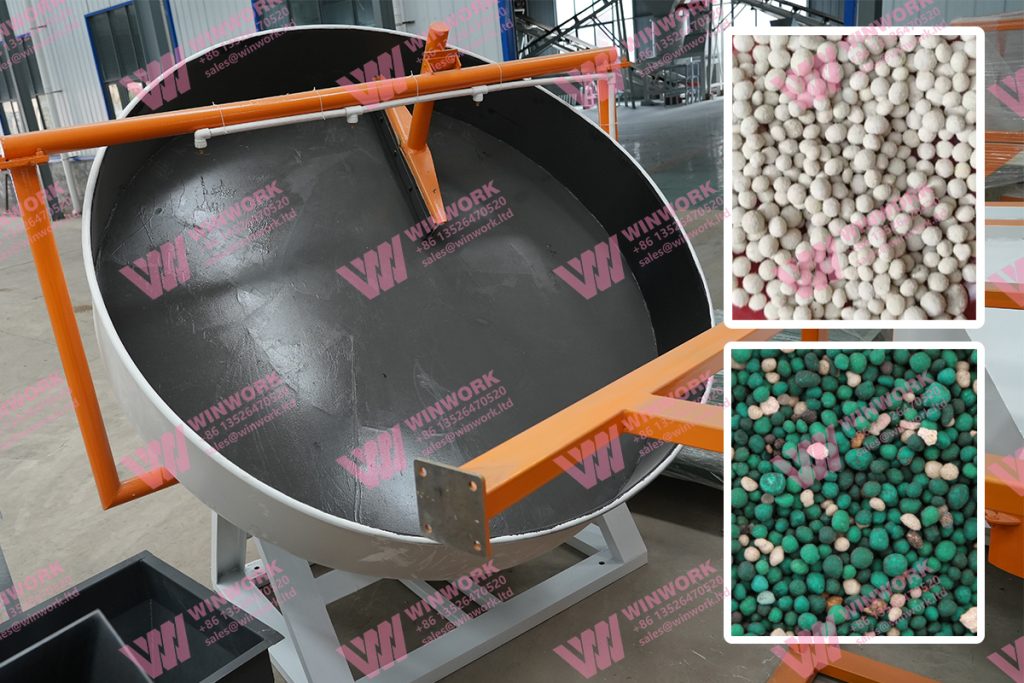
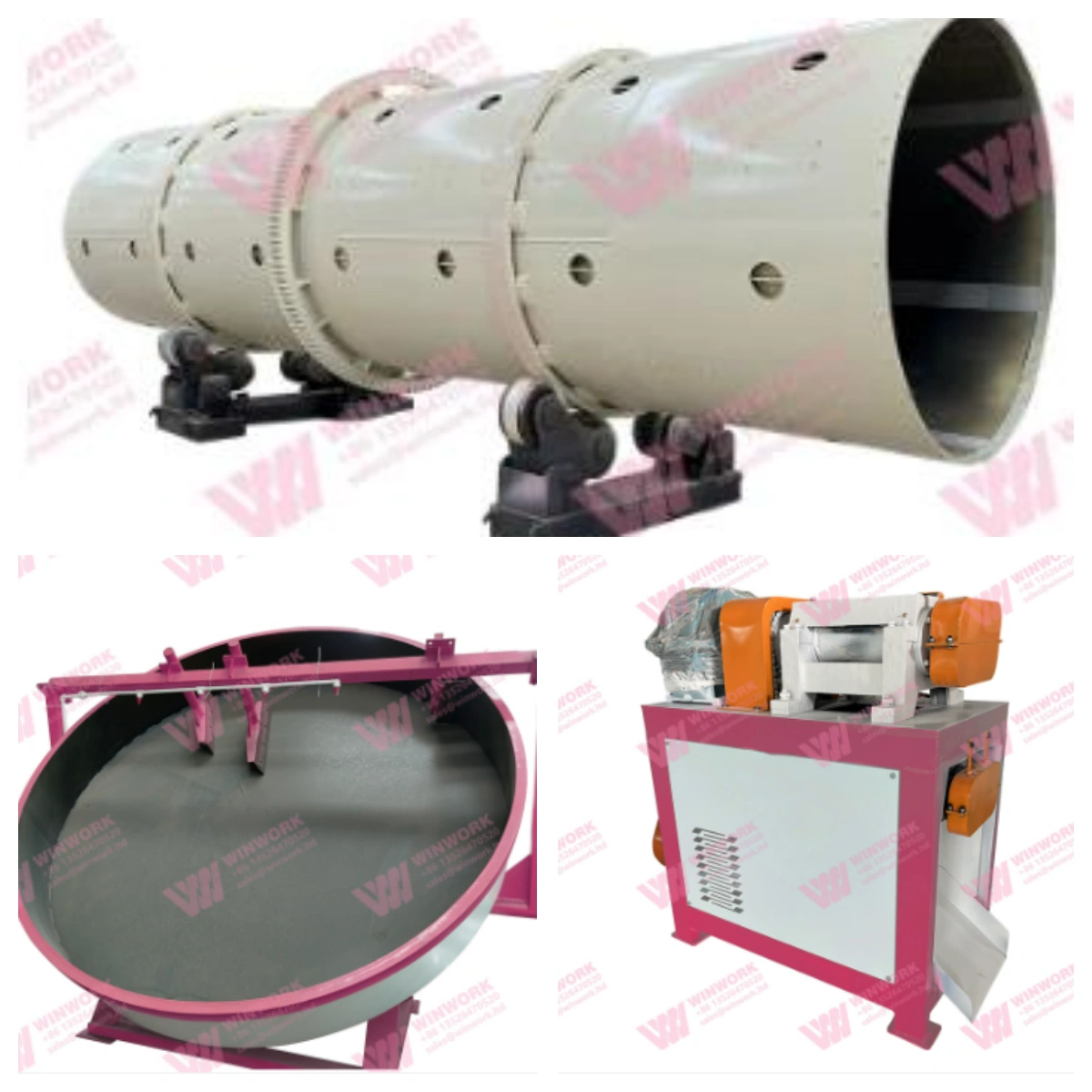
A disc granulator or rotary drum granulator may be suitable for some formulations, while other materials may require a different forming process. Small-scale trials using the actual feedstock are a sensible way to assess granule formation before purchasing a complete line.
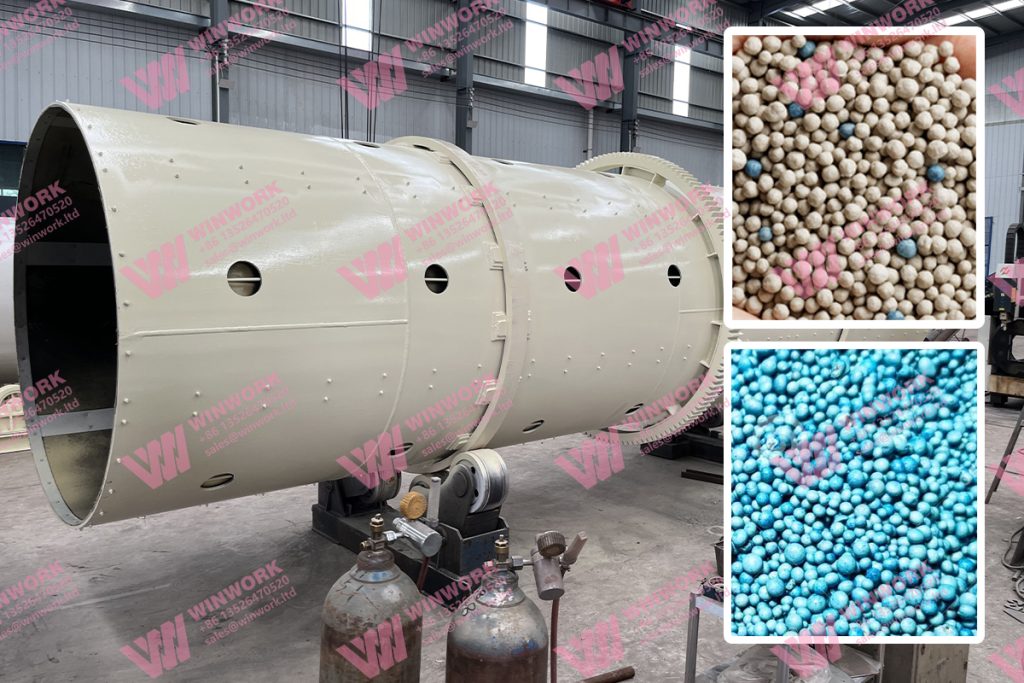
Rotary Drum Granulator
After granulation, drying may be needed to achieve the target moisture level. A cooler lowers the temperature of the finished granules, while a screening machine separates particles by size. Depending on the process, off-size material may be recycled into an earlier stage.
The granulator, dryer, cooler, and screening machine should be selected as a coordinated system. If one machine cannot handle the output of the previous stage, production may slow down even when the individual machines are working properly.
What Equipment Does a Production Line Need?
The equipment required for biogas digestate fertilizer production depends on the starting material and the form of the finished product. A line producing compost will not necessarily need the same machinery as a plant manufacturing dry granules.
Common equipment may include:
- Solid-liquid separator: Separates the liquid and solid fractions of digestate.
- Composting turner: Helps mix and aerate suitable solid materials.
- Crusher: Breaks down lumps and improves material uniformity.
- Mixer: Blends digestate with approved ingredients.
- Granulator: Forms the prepared material into granules.
- Dryer and cooler: Adjust the condition and temperature of granules.
- Screening machine: Separates particles by size and supports product consistency.
- Packaging machine: Weighs and packs the finished product.
- Conveyors and dust-control systems: Support material transfer and a cleaner working environment.
Not every project needs every machine. A plant that already has effective separation equipment may only need to add downstream processing. Another plant may need to improve dewatering before a dry fertilizer line becomes practical.
When comparing equipment options, provide the supplier with feedstock analysis, moisture content, expected throughput, target product form, operating hours, and available space. You can review relevant machinery and production-line information on the WINWORK official website and discuss a configuration based on your actual raw material.
How to Choose the Right Processing Method
Choosing the right process for biogas digestate fertilizer starts with the product, not the machine catalogue. Ask yourself three questions: What does the raw material look like? What does the customer need? What must the finished product comply with?
If the digestate is mainly liquid, producing dry granules may require substantial separation and water removal. A liquid fertilizer route may be worth evaluating, but it still needs appropriate treatment, quality control, and storage arrangements.
If the plant has a relatively dry solid fraction, composting and subsequent processing may be more practical. The producer should check whether stabilization, blending, granulation, or drying is necessary. A powder or compost product may also be appropriate where the market does not require granules.
Before requesting a quotation, prepare the following information:
- Feedstock source and composition.
- Average daily quantity and peak processing volume.
- Moisture content and laboratory test results.
- Desired final product and target particle size, if applicable.
- Expected production capacity and working hours.
- Available utilities, building space, and environmental controls.
- Local requirements for product registration, labeling, storage, and agricultural use.
Ask for a process flow diagram and confirm which machines are included in the quotation. Clarify the expected operating conditions, maintenance requirements, utility consumption, and handling of off-size material. If the raw material is difficult to process, sample testing can help reduce uncertainty before investment.
Common Problems and Practical Solutions in Biogas Digestate Fertilizer Production
1. Digestate is too wet after separation
Many projects cannot achieve stable production because the solid fraction still contains too much moisture after separation. Before granulation, check the actual moisture content and consider adding a composting stage or dry organic materials to improve structure instead of relying only on a dryer.
2. Granules cannot keep their shape
Digestate does not always have good natural binding properties. If granules crack after drying or screening, the problem may come from the raw material formula, moisture balance, or insufficient mixing. A material test before selecting the granulator can help determine whether additional ingredients or process adjustments are needed.
3. Production capacity is lower than expected
The output of a fertilizer line is not decided by one machine. A high-capacity granulator will not improve production if the mixer, dryer, or screening system cannot handle the same amount of material. The complete process flow should be calculated according to the actual digestate volume and moisture content.
4. Finished fertilizer quality changes between batches
The composition of digestate can vary depending on the feedstock used in the biogas plant. Regular raw material analysis and adjustment of the mixing ratio are necessary to keep the nutrient content and particle quality stable.
5. Drying cost is too high
Directly drying wet digestate usually requires large energy consumption. Reducing water content through mechanical separation and proper pre-treatment before drying can significantly lower operating costs.
6. Equipment selection does not match the material
Digestate properties are different from traditional fertilizer raw materials. Before purchasing equipment, suppliers should understand the moisture, fiber content, daily capacity, and target product type to design a suitable production line.
Conclusion
Digestate can be a useful source of recovered nutrients, but turning it into a reliable fertilizer product requires more than simply passing it through a machine. The process should begin with feedstock testing and a clear understanding of the intended use, followed by suitable separation, stabilization, and finishing steps.
A well-planned biogas digestate fertilizer line can help producers manage digestate more efficiently and create a product that is easier to handle, store, and transport. The most practical solution will depend on moisture content, material characteristics, target capacity, equipment compatibility, and local requirements.
Before investing, test the raw material, define the finished-product specification, and compare complete process configurations rather than selecting individual machines in isolation. This approach provides a stronger foundation for reliable operation and long-term product quality.
Get A Quote