

Introduction
Walk into any grocery store today, and you’ll see the problem immediately. On one side, there’s a pile of conventional apples. On the other, a smaller, shinier pile of organic apples with a sticker price that makes your eyes water. For the average shopper, the only difference is the price tag and a small logo. So how do you, as an organic farmer or brand, convince them it’s worth it? The answer isn’t a better pesticide or a shinier apple; it’s building brand storytelling for organic produce. It’s the only way to bridge the gap between the physical product and the emotional value your customers are desperately seeking.
What Exactly Is Organic Produce?
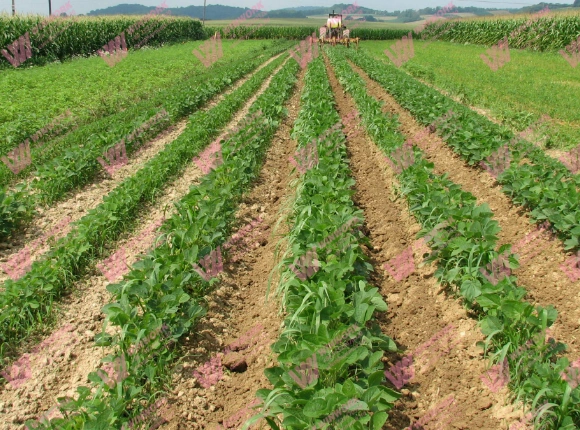
Before we dive into the marketing, let’s define our playing field. Organic produce isn’t just “food without chemicals.” It’s food grown under a strict set of rules focused on sustainability and health. This means:
No synthetic pesticides or fertilizers.
No genetically modified organisms (GMOs).
Soil health is prioritized, often using compost, cover crops, and crop rotation.
Animal welfare standards are met for meat and dairy products.
The final product is often less “perfect” looking than its conventional counterpart, but it represents a system of farming that values long-term ecological balance over short-term yield. This distinction is the raw material for building brand storytelling for organic produce.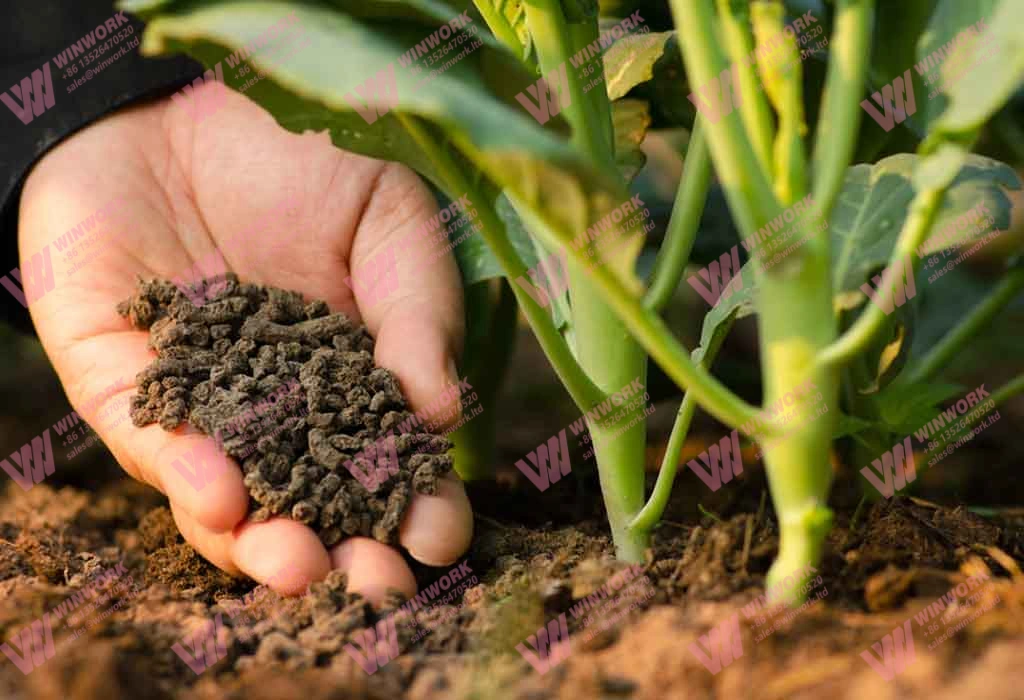
Why Bother Promoting Organic Produce?
If it’s so hard to sell, why not just grow conventional crops? Because promoting organic produce—and telling its story—unlocks immense value.
Higher Price Points: Organic products consistently command a 20-100% premium.
Growing Market: Consumer awareness about health, climate change, and pesticides is exploding.
Differentiation: In a crowded market of identical-looking vegetables, your story is what makes you unique.
Mission-Driven Business: It allows you to align your business with values that matter, attracting a loyal customer base.
But none of this works without effective building brand storytelling for organic produce. Building Brand Storytelling for Organic products are very important.
The Core of Building Brand Storytelling for Organic Produce
So, how do you actually build this story? It’s not about inventing fiction. It’s about uncovering the truth of your operation and presenting it in a way that resonates. Here are the essential pillars of building brand storytelling for organic produce:
The “Why” Behind Your Farm
Don’t just talk about what you grow; talk about whyyou grow it this way. Did you switch to organic because of your children’s health? Was it to heal depleted soil passed down from your grandparents? This personal “why” is the emotional engine of your brand story.
The Journey of the Seed
Trace the path of your product. Talk about the specific heirloom tomato variety you chose because it tastes better, not because it ships well. Describe the compost you made from your own livestock manure. This level of detail is crucial for authentic building brand storytelling for organic produce. Building Brand Storytelling for Organic products are very important.
The People Behind the Plants
Put a face to the farm. Share photos and stories of the people who pick the vegetables, tend the soil, and pack the boxes. In an age of faceless corporations, the human connection is a powerful differentiator.
The Sensory Experience
Describe the taste, the crunch, the smell. Conventional marketing often focuses on nutrition facts. Organic storytelling should focus on the experience: “The sun-ripened sweetness of a strawberry picked at dawn.”
How to Execute Your Storytelling Strategy
Knowing the pillars is one thing; applying them is another. Here’s how to put building brand storytelling for organic produce into practice:
Website and Blog: Your website isn’t a digital brochure; it’s your campfire. Use a blog to share seasonal updates, farmer diaries, and behind-the-scenes looks at pest management (the organic way!). Building Brand Storytelling for Organic products are very important.
Social Media: Instagram and TikTok are visual platforms perfect for showing the beauty of your farm. Post videos of the harvest, the mud on your boots, and the smiles of your crew.
Packaging: Your label isn’t just a sticker. Use it to tell a micro-story. A QR code can link to a video of the specific field where that vegetable was grown.
Direct Interaction: At farmers’ markets, your pitch isn’t a sales script; it’s a story. “This kale was grown in soil enriched by our own worm castings—let me tell you about it…”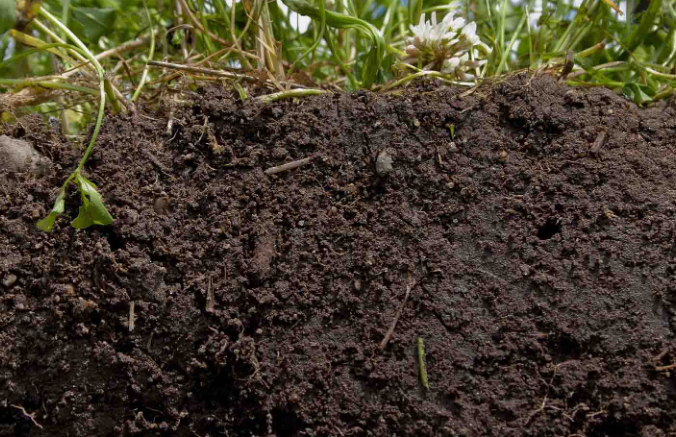
The Real-World Benefits of a Strong Brand Story
Investing time in building brand storytelling for organic produce pays off in ways that go far beyond a single sale:
Unbreakable Customer Loyalty: People don’t just buy food; they buy into a lifestyle. A good story turns customers into advocates.
Justifies Premium Pricing: When a customer understands the labor, care, and philosophy behind your food, they stop questioning the price and start valuing the integrity. Building Brand Storytelling for Organic products are very important.
Built-in Marketing: A compelling story gets shared. Your customers become your marketers.
Attracts Talent: Passionate people want to work for brands with a mission and a soul.
The foundation behind the fame
As you can see, the foundation farmers and sellers don’t show them in front of the public, and you can guess if the foundation is more precious. What is the foundation? It is about how do you treat with your land, your farm and your soil.
So you should know that nothing is succeed easily without struggling. Just like the crops and products, you need also to wait for a long time such as a half years or 8-10 months, and then you can get the harvests. To set up a plant for producing fertilizers especially organic fertilizers using waste manures and straws is more difficult.
To create an organic food, you need to use organic fertilizer, so you can get organic and better products. This is the basic of the whole start. I f you are interested in this project, contact us at any time and we can provide one stop service to you and meet your all kinds of needs, the whole steps from the first to the last, we can provide the whole. Building Brand Storytelling for Organic products are very important.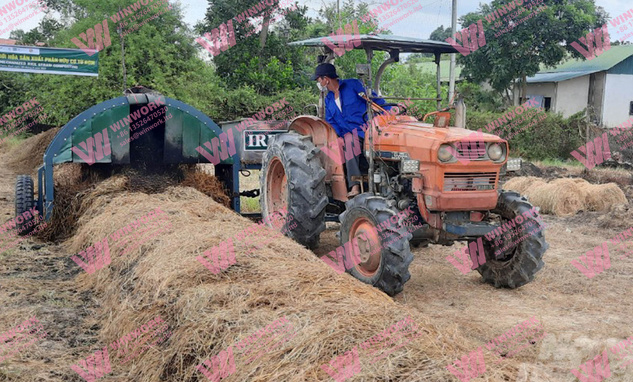
Real Farm Example: The “Second Generation” Orchard
The Millers run an apple orchard that was conventional for 30 years. When the founder’s son, David, took over, he converted to organic. Their storytelling focused on this transition.
The Story: “From Chemicals to Compassion: The Miller Family Journey.”
The Execution: They created a video series showing the removal of old spray rigs and the first batch of compost tea being brewed.
The Result: They didn’t just sell apples; they sold “transition apples.” Customers bought them to support the family’s values. Their revenue increased by 40% in the first year of building brand storytelling for organic produce. Building Brand Storytelling for Organic products are very important.
FAQ: Your Questions About Building Brand Storytelling for Organic Produce Answered
Q1: My farm is tiny. Do I still need brand storytelling?
A: Absolutely. In fact, small farms are perfectly positioned for storytelling. Your story is intimate and personal. Building brand storytelling for organic produce is often easier for small farms because you are the brand.
Q2: I’m not a writer. How can I tell my story?
A: Start with authenticity, not grammar. Speak from the heart. Record a voice memo on your phone while you’re walking the fields. Use photos. Authenticity beats polished prose every time in building brand storytelling for organic produce.
Q3: What if my farm had a problem, like a crop failure?
A: Share it! Transparency is powerful. Talking about how you dealt with a pest outbreak using beneficial insects builds more trust than pretending everything is perfect.
Q4: How is this different from regular advertising?
A: Advertising says, “Buy my carrots.” Storytelling says, “Here is why my carrots are different and why you should care.” One is a transaction; the other is an invitation.
Q5: Do I need a big budget for videos and photos?
A: No. A smartphone with a good camera is enough. Natural light and genuine moments are more valuable than expensive studio shots for building brand storytelling for organic produce.
Q6: Can I hire someone to do this for me?
A: Yes, but be careful. The best stories come from the people who live them. If you hire someone, make sure you are heavily involved in the process.
Q7: How often should I post new stories?
A: Quality over quantity. One genuine, well-thought-out story per week is better than seven generic posts.
Conclusion
In the world of organic produce, your product is only as good as the story behind it. The physical carrot might be the same, but the values, the process, and the people behind it are not. By dedicating yourself to building brand storytelling for organic produce, you do more than sell food; you cultivate a community of loyal customers who believe in your mission as much as you do. It’s time to let your farm’s story be heard.
For more details, please feel free to contact us.
Email: sales@lanesvc.com
Contact number: +8613526470520
Whatsapp: +8613526470520

Get A Quote