

Walk past any steel mill, power plant, or metallurgical factory and you’ll see them: massive, ugly piles of gray or black industrial waste residue. For decades, plant managers have seen this “slag” as a costly liability—something to haul away, bury in a landfill, or pile up until the environmental inspectors come knocking. But the smart money has figured it out. That pile isn’t waste; it’s wealth. We are talking about Producing silicon-calcium fertilizer using industrial waste residue.
This process is the definition of a win-win. You take problematic industrial byproducts—like steel slag, blast furnace slag, or phosphogypsum—that are loaded with silicon, calcium, and other minerals, and you turn them into a premium, soil-amending fertilizer. Producing silicon-calcium fertilizer using industrial waste residue solves an environmental disposal crisis and creates a high-demand agricultural product at the same time. If you are in the heavy industry or fertilizer business, understanding this process isn’t just a good idea—it’s essential for staying competitive and sustainable.
What Exactly is This Industrial Waste Residue?
Before we talk about making fertilizer, we need to know what we are working with. Industries like steel, iron, and phosphorus chemical production generate massive amounts of solid leftovers.
Steel Slag / Blast Furnace Slag: This is the glassy, granular material left after iron ore is smelted. It’s packed with calcium oxide (CaO) and silicon dioxide (SiO2).
Phosphogypsum: A byproduct of producing phosphoric acid, rich in calcium and sulfur.
Coal Fly Ash: The fine powder left after burning coal, containing silica and various minerals.
The problem is, because these materials are often alkaline or contain trace elements, you can’t just spread them raw on a field. They need processing. Producing silicon-calcium fertilizer using industrial waste residue is the controlled, smart way to unlock those nutrients and make them safe and available for plants.
Why Bother? The Big Benefits of Producing Silicon-Calcium Fertilizer Using Industrial Waste Residue
You might ask, “Why not just keep dumping it?” Well, you could, but regulations are tightening, landfill fees are skyrocketing, and public pressure is mounting. Here is why processing it is the better move:
It Solves Your Disposal Problem (and Costs)
Landfilling industrial residue is expensive and environmentally questionable. By Producing silicon-calcium fertilizer using industrial waste residue, you turn a disposal cost into a manufacturing profit. You eliminate the liability and create an asset. In many cases, you can even charge a small fee to take residue from other nearby plants, doubling down on the “waste-to-wealth” model.
The Wheeled Type Compost Turner is an advanced composting equipment designed for the aerobic fermentation of organic waste, agricultural residues, sludge, and other materials. Featuring a robust wheel-based mobility system and a powerful turning mechanism, this machine ensures efficient material mixing and aeration, promoting rapid composting and high-quality end products. It is ideal for large-scale composting operations and is essential in organic fertilizer production line and compost making line.
You Create a Specialty, High-Demand Product
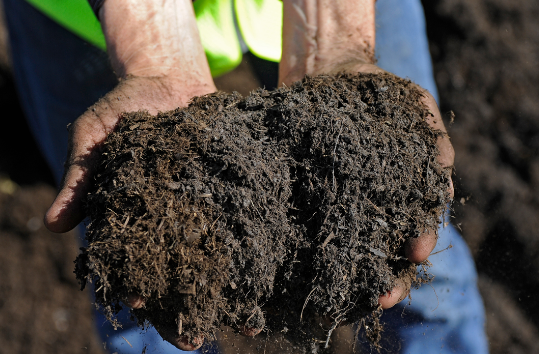
Silicon and Calcium are not just “filler” nutrients. Silicon (especially for crops like rice, sugarcane, and wheat) is a “quasi-essential” element that strengthens cell walls, making plants more resistant to pests, diseases, and lodging (falling over). Calcium is vital for cell division and soil structure. Producing silicon-calcium fertilizer using industrial waste residue gives you a product that farmers are actively seeking to improve crop resilience and quality.
It’s a Powerful Soil Conditioner
Beyond just feeding the plant, silicon-calcium fertilizers act as soil conditioners. They help neutralize acidic soils (common in tropical and subtropical regions) and improve the soil’s cation exchange capacity (its ability to hold onto nutrients). The result of Producing silicon-calcium fertilizer using industrial waste residue is often classified as a “soil amendment” or “soil conditioner,” which commands a good price in the market.
Resource Efficiency and Circular Economy
You are using a locally abundant, low-cost (or negative-cost) raw material. The energy footprint of Producing silicon-calcium fertilizer using industrial waste residue is often much lower than mining virgin rock to make traditional mineral fertilizers. It’s the ultimate recycling story.
How Does It Work? The Nuts and Bolts of the Process
Alright, let’s get practical. How do you actually turn a pile of slag into a bag of fertilizer? The process of Producing silicon-calcium fertilizer using industrial waste residue generally follows one of two main paths: the Mechanical Activation (Grinding) Method or the Thermal Activation (Calcination) Method.
Path 1: The Mechanical Activation (Grinding) Method
This is the simpler, more common route for materials like steel slag that already have a glassy structure.
Drying: The wet or damp residue is dried to reduce moisture (usually below 15%).
Crushing and Grinding: This is the most critical step. The dried residue is fed into a crusher and then a ball mill or Raymond mill. You grind it into a very fine powder (usually 80-200 mesh, or particles smaller than 0.075 mm).
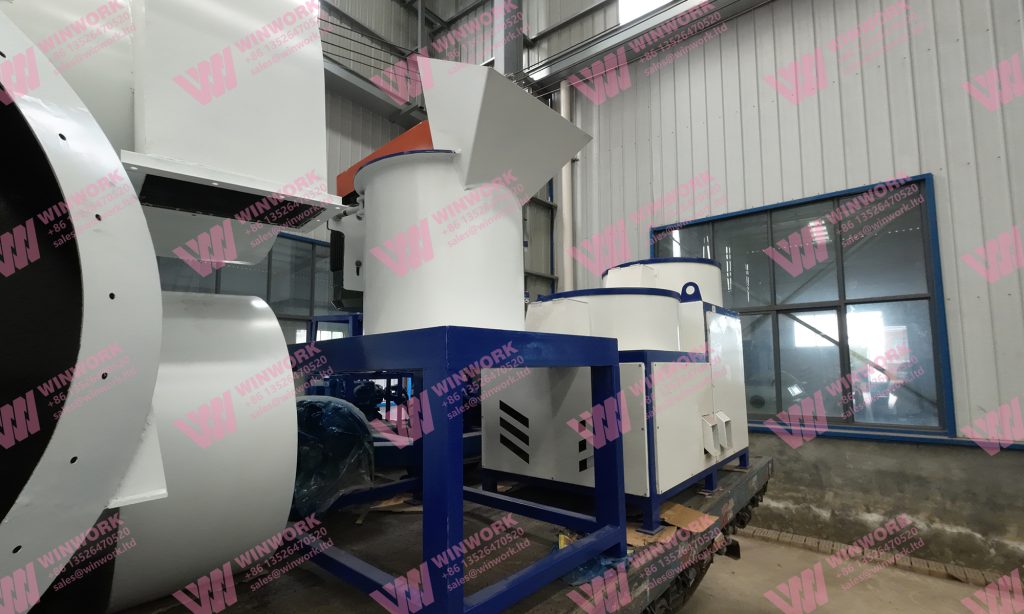
Why?The silicon and calcium in the slag are bound up in complex silicate structures. Grinding increases the surface area and, through the mechanical energy of the mill, creates micro-fractures in the crystal lattice. This “activates” the material, making the nutrients more “citrate-soluble” or “available” to plants.
Blending (Optional): You might blend the ground powder with other materials (like a bit of gypsum or potassium sulfate) to balance the nutrient profile.
Granulation (Optional but Recommended): Fine powder is dusty and hard for farmers to spread. You add a binder (like bentonite clay and a little water) and run it through a disc granulator or extrusion machine to make clean, easy-to-handle granules.
Drying and Packaging: The granules are dried slightly and bagged. Producing silicon-calcium fertilizer using industrial waste residue via this method is straightforward and cost-effective.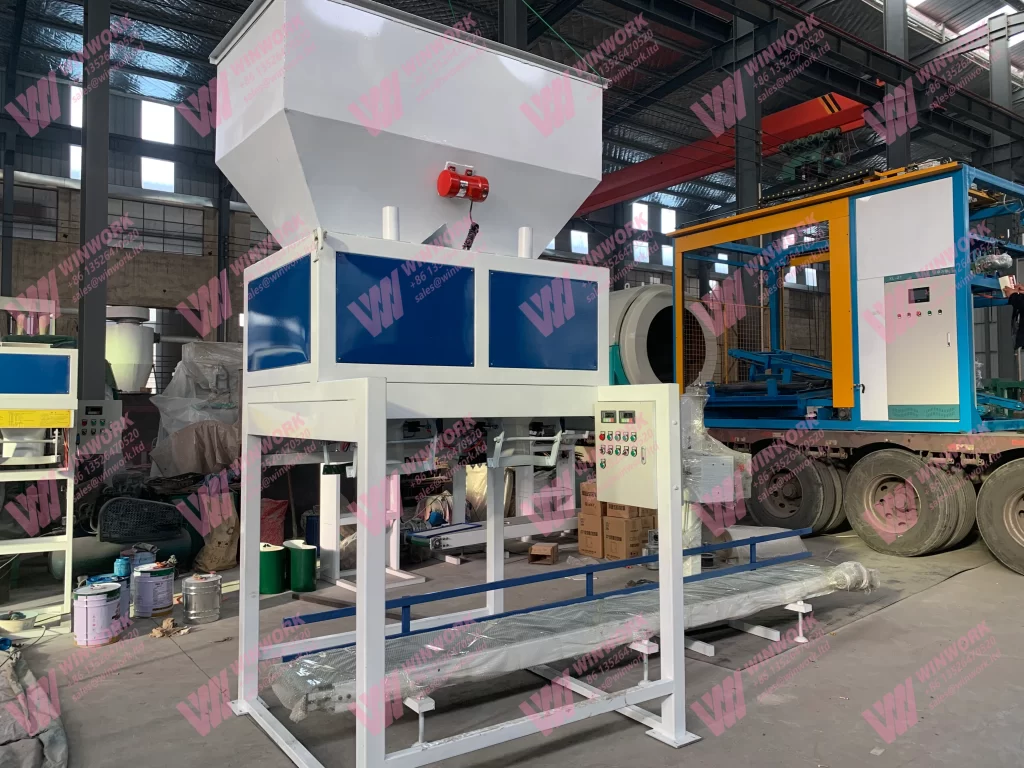
Path 2: The Thermal Activation (Calcination) Method
This is used for residues that are more refractory (harder to break down) or when you want to create a specific mineral phase.
Preparation: The residue is crushed and mixed with a flux (like limestone or dolomite) and perhaps a potassium source (like potassium feldspar).
Calcination: The mixture is fed into a rotary kiln or a sintering machine and heated to high temperatures (800°C to 1200°C).
Why?The heat causes solid-state reactions. The silica and calcium combine to form new, more reactive minerals like akermanite or di-calcium silicate. This thermal shock and chemical recombination make the silicon and calcium much more available to plants.
Cooling and Grinding: The red-hot clinker is cooled rapidly (quenched) and then ground into a fine powder.
Granulation and Packaging: Same as above. This method of Producing silicon-calcium fertilizer using industrial waste residue yields a very high-quality, reactive product but costs more due to fuel for the kiln.
The Gear You Need: What Equipment is Essential?
You can’t do this efficiently with a hammer and a sieve. Producing silicon-calcium fertilizer using industrial waste residue requires some key machinery to handle the abrasive nature of slag and ensure consistency.
The Rotary Dryer: Industrial residue often comes wet. A rotary dryer (a large, rotating steel cylinder with hot air passing through) is essential to get the moisture down before grinding. Trying to grind wet slag will clog your mill instantly.
The Jaw Crusher / Impact Crusher: To take the large chunks of slag and break them down to a size that the ball mill can handle (usually under 20mm).
The Ball Mill (or Raymond Mill): This is the heart of the operation for the mechanical method. It uses steel balls or rollers to pulverize the material into a fine powder. The fineness achieved here directly determines the quality of the fertilizer. This machine is vital for Producing silicon-calcium fertilizer using industrial waste residue.
The Mixer (Horizontal Ribbon or Paddle): If you are blending the ground slag with other additives, you need a heavy-duty mixer to ensure a homogeneous powder.
The Granulator (Disc or Drum): To turn the powder into granules. A disc pan granulator is common for this because it’s easy to adjust the size and uses less energy than a large drum.
The Rotary Cooler and Dryer (for granules): After granulation (which adds moisture), you need to dry the granules. After drying, they are hot, so you cool them.
The Screener: A vibrating screen or rotary drum screen to separate the perfect sized granules from the dust and oversized pieces (which go back for re-grinding).
The Packaging Machine: An automatic weighing and filling machine.
Each piece of equipment plays a vital role. Skimping on the dryer leads to a clogged mill. Skimping on the grinding (milling) leads to a low-quality fertilizer that farmers won’t buy because the nutrients are “locked up.” Producing silicon-calcium fertilizer using industrial waste residue is a mechanical symphony, and every instrument must be in tune.
FAQ: Your Questions About Producing Silicon-Calcium Fertilizer Using Industrial Waste Residue Answered
We know you’ve got questions. Here are the answers to what people ask us most about Producing silicon-calcium fertilizer using industrial waste residue.
Q: Is the fertilizer safe? Doesn’t industrial slag contain heavy metals?
A: This is the #1 concern, and rightfully so. Reputable Producing silicon-calcium fertilizer using industrial waste residue operations always test their raw materials and finished products. Heavy metals like lead or cadmium are often locked up in the silicate matrix and are not “bioavailable” (plants can’t take them up). However, you must test. Many countries have strict limits on heavy metals in fertilizers. The process often stabilizes these elements, but verification is key.
Q: Do farmers actually use this stuff? How is it different from NPK fertilizer?
A: Absolutely. While it’s not a replacement for Nitrogen-Phosphorus-Potassium (NPK) fertilizer, it is a critical supplement. Farmers use it mainly for crops that respond well to silicon (rice, wheat, sugarcane) and to condition their soil (adjust pH, add calcium). The silicon in these fertilizers helps plants build stronger stems, so they don’t fall over (lodging) in wind or rain. Producing silicon-calcium fertilizer using industrial waste residue creates a product that improves the efficiency of the other fertilizers the farmer applies.
Q: Which industrial residue is the best to use?
A: Steel slag (especially basic oxygen furnace slag or electric arc furnace slag) and blast furnace slag are the most common and effective because they are naturally high in calcium and silicon and have a glassy structure that grinds well. Phosphogypsum is good for calcium and sulfur. The choice depends on what is available locally and its specific chemical analysis.
Q: How fine does the powder need to be?
A: Fineness is crucial. The industry standard is usually that 80% to 90% of the material should pass through a 200-mesh sieve (smaller than 0.075 mm). The finer the grind, the more surface area is exposed, and the more “available” the silicon and calcium become to the plant roots. The grinding step in Producing silicon-calcium fertilizer using industrial waste residue is where you add the value.
Q: Is it expensive to set up a production line?
A: There is an upfront cost for the machinery, especially the mill and the dryer. However, your raw material (the waste residue) is often free or you might even get paid to take it. You have to weigh the setup cost against the value of the fertilizer you sell and the money you save on disposal fees. Many find that Producing silicon-calcium fertilizer using industrial waste residue pays for itself within 2 to 4 years, especially as landfill costs rise.
Conclusion: Don’t Let the Slag Sit There
The industrial world is changing. “Waste” is no longer a acceptable endpoint; it must be a resource. Producing silicon-calcium fertilizer using industrial waste residue is more than just a waste management strategy; it is a value-added diversification that can stabilize your business and help the agricultural community.
By embracing this technology, you close the loop. The industry extracts the metal or energy, and the leftover builds the soil for the next generation of crops. It’s the ultimate industrial-agricultural symbiosis. Producing silicon-calcium fertilizer using industrial waste residue transforms a liability into an asset, a problem into a product, and a cost into a profit. It’s time to look at that pile of slag not as a headache, but as the start of your next great product line. Make the shift today.
For more details, please feel free to contact us.
Email: sales@lanesvc.com
Contact number: +8613526470520
Whatsapp: +8613526470520

Get A Quote