


Introduction
For generations, the manure on a livestock farm was a simple equation: a nuisance to be dealt with. You could spread it, haul it, or spray it. The focus was always on getting rid of it. But the world is changing, and so is the value of a pile of manure. A revolutionary concept is taking root: carbon trading for manure treatment. This isn’t just about being environmentally friendly; it’s about turning your farm’s waste stream into a literal money-making machine by selling “carbon credits” to some of the world’s largest companies.
What is Carbon Trading for Manure Treatment?
Let’s break it down. When you manage manure poorly—leaving it in an open lagoon or letting it decompose without oxygen—it releases methane, a greenhouse gas 25 times more potent than CO₂. This is bad for the planet and represents a missed opportunity.
The concept behind carbon trading for manure treatment is simple: you get paid for avoiding these emissions. By using technology to capture methane and convert it into energy (biogas), you prevent it from entering the atmosphere. This “avoided emission” is quantified and verified by a third party. Each ton of methane you capture earns you a “carbon credit.” Corporations that need to offset their own emissions (like Google, Amazon, or Shell) will then buy those credits from you. This is the essence of carbon trading for manure treatment.
The Untapped Potential: Why Manure is a Goldmine for Carbon Credits
The potential for carbon trading for manure treatment is enormous and largely untapped. Consider these facts:
Methane Capture: A single 500-cow dairy farm can produce enough biogas to power 100 homes and earn thousands of dollars in carbon credits annually.
Soil Sequestration: When you compost manure and apply it to fields, you are adding stable organic matter (humus) to the soil. This process traps carbon in the ground for decades. This is another form of carbon credit.
Reduced Nitrous Oxide: Precision application of treated manure via subsurface drip irrigation prevents nitrous oxide (another potent greenhouse gas) from escaping.
This multi-pronged approach is what makes carbon trading for manure treatment such a compelling opportunity. You aren’t just doing one thing; you’re attacking the problem from multiple angles, maximizing your potential earnings.
The Essential Equipment Needed
You can’t just claim you captured methane; you have to prove it with data. The equipment for carbon trading for manure treatment serves two purposes: it does the work, and it gathers the evidence.
Anaerobic Digester: This is the cornerstone. It captures the methane from manure. The system must be airtight and metered to quantify the gas produced. It is he Rise of Carbon Trading for Manure Treatment.
Biogas Generator and Flare Stack: The generator converts the methane into electricity. A flare stack safely burns any excess gas. Both must have calibrated flow meters to measure the amount of methane destroyed or used.
Continuous Monitoring Systems: Sensors that log temperature, gas composition, and flow rates are essential. This data is your proof for auditors. It is he Rise of Carbon Trading for Manure Treatment.
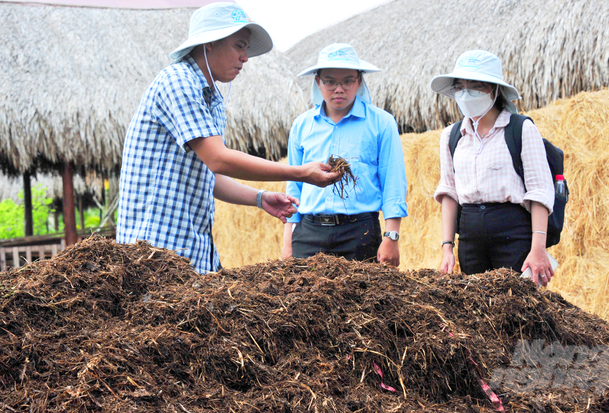
Compost Turners and Soil Samplers: For the soil carbon side of carbon trading for manure treatment, you need equipment to create high-quality compost and tools to sample soil organic matter over time to prove you are sequestering carbon.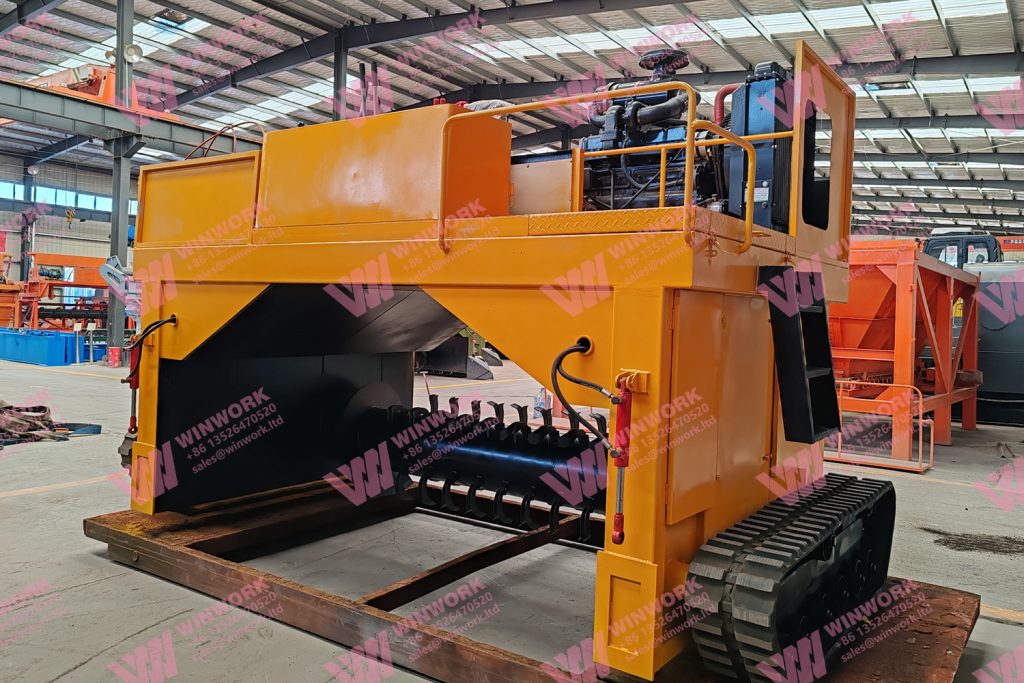
Organic fertilizer production line process:
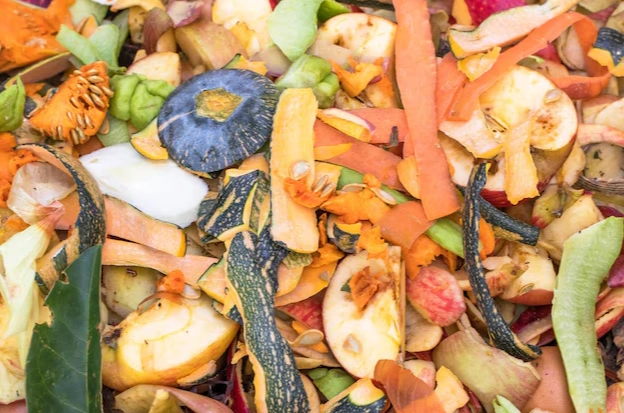
Raw material treatment: because organic waste is usually not easy to decompose, and contains some harmful substances to the soil, so it needs to be fully cooked and fermented, decomposition to remove the harmful substances, the formation of nutrient-rich humus. At this stage, the organic fertilizer production line researched and developed by our company can deal with this problem well by using compost turning machine and fermentation tank. It is he Rise of Carbon Trading for Manure Treatment.
Through the compost turner, the material heap which has been sown with bacteria is turned, broken up and stirred, so as to promote the fermentation and maturation of the material, microbial growth and reproduction, and reduce the environmental pollution. It is he Rise of Carbon Trading for Manure Treatment.
Through the fermentation tank, the material can be anaerobic, temperature-controlled treatment, to ensure that the material can be quickly fermented and ripened, the formation of organic fertilizer can be manufactured raw materials.
Raw material processing stage: after composting and fermentation of raw materials with rich organic matter, can effectively improve the quality of soil, and enhance the production of crops, but still not easy to save and transport, and can not be stored for a long time, we need to further processing.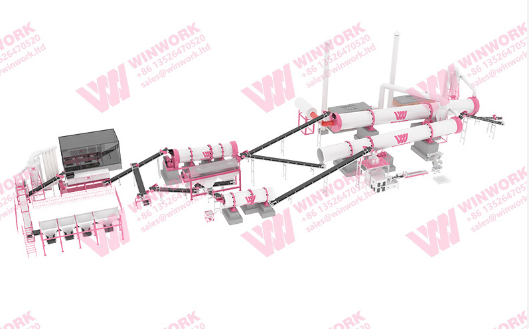
The use of crusher, through the crusher internal high-speed rotating blades and chains, the fermentation of the material to complete the grinding, the formation of easy-to-handle powder, and then sent to the mixer after the full mixing and stirring, so that the material is more uniform, in this step can also add some necessary ingredients, such as additives, adhesives and so on. It is he Rise of Carbon Trading for Manure Treatment.
Granulation: The processed powder will be sent into the churning teeth granulator through the belt conveyor, and the churning teeth rotating at high speed in the cylinder will mix, bond and cut the materials to form compact granules and push them backward to the discharge port to send them out.
Drying and cooling: By entering the dryer and cooler, the moisture of the granule is reduced and the hardness and stability of the granule is increased.
Screening: After drying, the granules enter the sieving machine to sieve out the granules that don’t meet the production standard and return them to be crushed and granulated again to improve the utilization rate, and at the same time, send out the granules that meet the production requirements. It is he Rise of Carbon Trading for Manure Treatment.
Finished product processing: finished particles can be added according to customer demand for film wrapping machine or packaging machine, to further enhance the production effect, to ensure the quality of the finished product. It is he Rise of Carbon Trading for Manure Treatment.
The Real-World Benefits Beyond the Check
While the financial incentive is huge, the ancillary benefits of carbon trading for manure treatment make the investment even more attractive:
Energy Independence: You generate your own heat and electricity, slashing utility bills.
Superior Fertilizer: The digestate and compost from these systems are cleaner and more valuable than raw manure.
Regulatory Compliance: Being ahead of environmental regulations protects your farm from future fines and restrictions.
Improved Reputation: Branding your farm as a “carbon-negative” operation opens doors to premium markets and partnerships.
Real Farm Example
The O’Connors run a 400-head beef feedlot. They were spending $1,200 a month on propane and struggling with odor complaints. They installed a $65,000 anaerobic digester and partnered with a carbon credit broker to launch their carbon trading for manure treatment program.
Their propane bill dropped to zero.
They earned $12,000 in their first year from selling carbon credits.
They sold excess digestate as premium fertilizer.
The project paid for itself in just over four years. “We realized that carbon trading for manure treatment wasn’t just a side hustle; it was the future of our farm,” says Sean O’Connor.
FAQ: Your Questions About Carbon Trading for Manure Treatment Answered
Q1: Is this just a scam or a fad?
A: Absolutely not. Carbon trading is a multi-billion dollar global market regulated by strict standards (like Verra or Gold Standard). The demand for high-quality agricultural offsets is exploding.
Q2: How much money can I actually make?
A: It varies wildly. Factors include your herd size, the technology you use, and current market prices for credits (which fluctuate). A small farm might earn a few thousand dollars a year; a large dairy could earn over $100,000.
Q3: Do I need to be a tech expert to participate?
A: No. While the underlying technology is sophisticated, the brokers and project developers who facilitate carbon trading for manure treatment handle the complex paperwork and verification. Your role is to operate the equipment correctly.
Q4: What kind of contract do I sign?
A: You typically enter a long-term agreement (10-20 years) with a carbon credit developer. They front the development costs and take a percentage of the revenue in exchange for managing the entire process.
Q5: Is the extra monitoring a hassle?
A: The monitoring equipment runs automatically. You just need to ensure it stays calibrated and that the data is logged. It’s a small task for a significant financial return.
Q6: What if the market price for credits crashes?
A: Your contract should have a “floor price” or minimum payment guarantee. Furthermore, you still retain all the other benefits (energy savings, fertilizer) regardless of the credit price.
Q7: Can I combine this with other grants?
A: Yes! In many cases, the equipment for carbon trading for manure treatment also qualifies for government conservation grants, stacking the financial benefits.
Q8: Does this work for all types of manure?
A: It works best for wetter manures like swine and dairy slurry. Dry manures (like from chickens or sheep) are better suited for the soil carbon sequestration side of the business.
Q9: How long does it take to get paid?
A: The process is slow. It can take 1-3 years from installation to receiving your first payment, as the project must be validated and verified by independent third parties.
Q10: Where do I even start?
A: Start by contacting a reputable carbon credit project developer who specializes in agriculture. They will assess your farm’s potential for carbon trading for manure treatment and guide you through the next steps.
Conclusion
The conversation around manure has shifted. It is no longer just a cost of production; it is a strategic asset. By embracing the principles of carbon trading for manure treatment, farmers can transform their operations from simple commodity producers into environmental solution providers. The equipment pays for itself through energy savings, and the ongoing revenue from carbon credits provides a stable, diversified income stream. The question is no longer if you should do it, but when you will start getting paid for cleaning up.
For more details, please feel free to contact us.
Email: sales@lanesvc.com
Contact number: +8613526470520
Whatsapp: +8613526470520

Get A Quote