

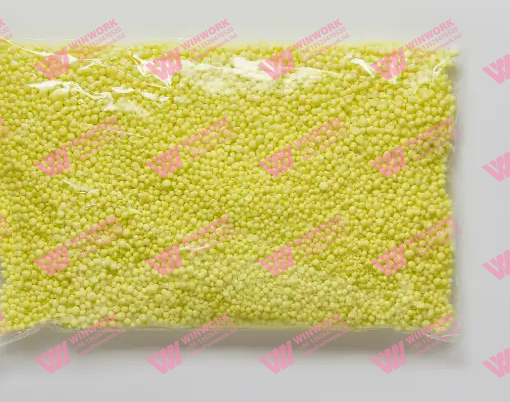
There is nothing more frustrating for a fertilizer producer or a farmer than opening a bag of prilled urea or compound fertilizer, only to find it has fused into one solid, immovable brick. Caking is the silent thief in the fertilizer industry—it destroys product value, jams application equipment, and leads to massive customer complaints and returns. The technical solution isn’t complicated, but it is absolutely essential: Using coating machine to handle anti-caking layers.
This isn’t about painting the fertilizer; it’s about applying a microscopic, invisible shield. Using coating machine to handle anti-caking layers means precisely spraying a thin film of inert material onto the surface of each individual granule. This creates a physical and chemical barrier that stops granules from sticking to each other under pressure and moisture. If you want to sell premium, free-flowing fertilizer that your customers can trust, you need to understand how Using coating machine to handle anti-caking layers works.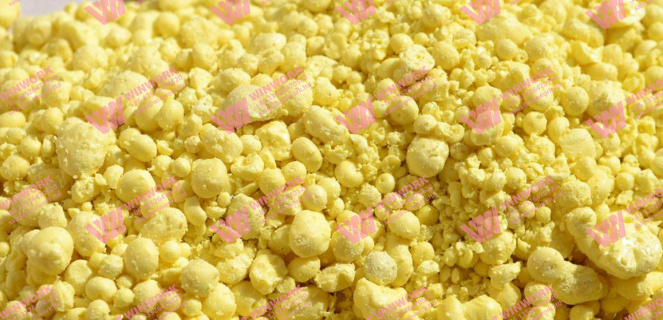
What Exactly Is an “Anti-Caking Layer”?
Let’s break it down. A fertilizer granule is hygroscopic—it loves water. When humidity in the air rises, a thin layer of moisture forms on the surface of the granule. When two wet granules touch, that surface moisture dissolves some of the fertilizer salts. When the temperature drops or the air dries, that dissolved salt recrystallizes, gluing the two granules together permanently.
An anti-caking layer is a protective coating that prevents this from happening. It does one or more of three things:
Creates a Physical Barrier: It puts a non-sticky substance between the granules.
Reduces Hygroscopicity: It makes the granule surface repel water.
Acts as a Lubricant: It allows granules to slide past each other instead of locking together.
The entire science of Using coating machine to handle anti-caking layers is about applying this stuff evenly, efficiently, and economically.
Why You Absolutely Need to Coat (The Benefits)
You might think, “My fertilizer is good enough without it.” Here is why that mindset is costing you money:
You Prevent Catastrophic Caking
This is the obvious one. The primary goal of Using coating machine to handle anti-caking layers is to stop the granules from fusing together in the bag or silo. This ensures that what leaves your factory as free-flowing granules arrives at the farm the same way. It is the single most effective insurance policy against product rejection.
You Improve Flowability and Handling
Coated fertilizer flows like water through hoppers, augers, and spreaders. Uncoated fertilizer gets stuck, arches in the silo, and clogs the spreader. Using coating machine to handle anti-caking layers makes the product easier and cheaper to package, transport, and apply. Farmers love it because it doesn’t jam their equipment.
You Can Add Value with Secondary Nutrients
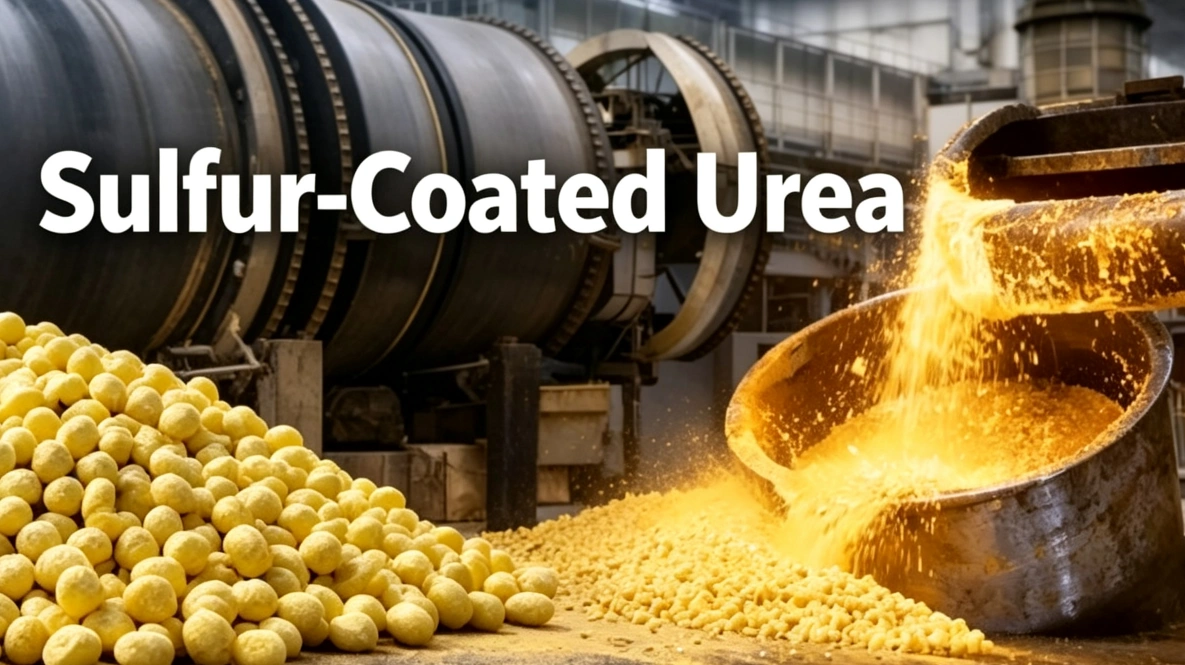
The coating isn’t limited to just anti-caking agents. Many producers use this step to add a layer of sulfur (for sulfur-coated urea), potassium, or even pesticides/inhibitors. Using coating machine to handle anti-caking layers becomes a value-addition step, allowing you to create premium, multifunctional products.
It Protects the Environment
When fertilizer cakes, farmers often have to break it up manually or with machinery, leading to a lot of dust and uneven spreading. Uneven spreading means some areas get too much fertilizer (causing runoff and pollution) and others get too little. By Using coating machine to handle anti-caking layers, you promote precise application and reduce environmental waste.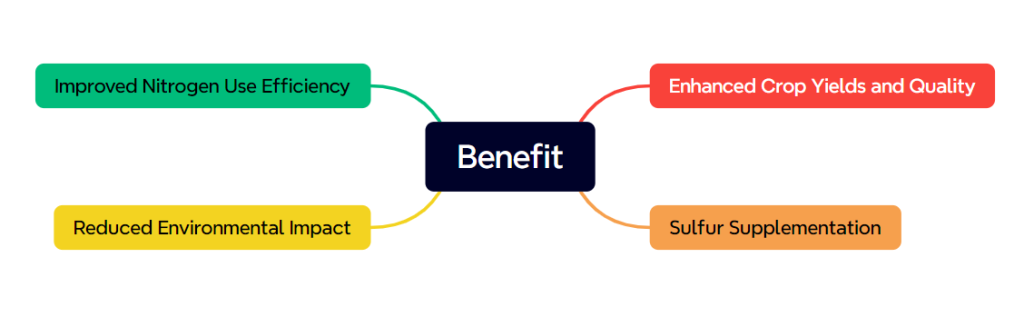
How Does It Work? The Nuts and Bolts of the Process
Alright, let’s get into the mechanics. How do you get a thin, even layer onto millions of tiny, moving pellets? The principle of Using coating machine to handle anti-caking layers relies on creating a fluidized bed and then spraying the coating agent onto the suspended particles.
Step 1: The Fluidized Bed (Getting the Granules Airborne)
The most common and effective way to coat is inside a machine called a “fluidized bed coater.” Hot air is blown upwards through a perforated plate at high velocity. The granules are placed on this plate. The air velocity is carefully controlled to be just enough to suspend the granules in a fluid-like state—they aren’t flying out the top, but they are dancing and mixing freely. This is the heart of Using coating machine to handle anti-caking layers.
Step 2: Atomization and Spraying (Applying the Shield)
While the granules are dancing in the fluidized bed, a nozzle (or multiple nozzles) sprays a fine mist of the anti-caking agent. This agent is usually a molten solid (like wax or sulfur) or a solution/suspension (like clay or diatomaceous earth in water). The key is atomization—breaking the liquid into tiny droplets so it covers the maximum surface area. The goal of Using coating machine to handle anti-caking layers is 100% coverage.
Step 3: Drying and Curing (Setting the Layer)
If the coating is a molten wax or polymer, the hot air in the fluidized bed immediately cools and solidifies it into a thin, hard shell. If it’s a water-based suspension, the hot air evaporates the water, leaving the solid particles behind as a coating. The continuous mixing ensures every single granule gets an even coat. This drying step is crucial for Using coating machine to handle anti-caking layers to create a stable, non-tacky finish.
Step 4: Discharge
Once the coating is set, the air velocity is reduced, and the now-coated, free-flowing granules are discharged from the machine, ready for cooling, screening, and bagging.
The Gear You Need: What Equipment is Essential?
You can’t just dump powder into a mixer and hope for the best. Using coating machine to handle anti-caking layers requires specialized equipment for precision and efficiency.
The Fluidized Bed Coater (The Star of the Show): This is the primary machine. It consists of a chamber with an air plenum, a perforated distribution plate, and a product container. It is the industry standard for Using coating machine to handle anti-caking layers because it provides unparalleled uniformity.
The Rotary Drum Coater (The Workhorse Alternative): A large, rotating, slightly tilted drum. Granules tumble inside while a spray bar runs along the axis, spraying the coating agent. It’s a more mechanical approach to Using coating machine to handle anti-caking layers, good for high volumes but sometimes less uniform than a fluidized bed.
The Spray Nozzle System: This is critical. You need nozzles that can atomize the coating agent perfectly—creating a fine mist, not a jet of liquid. The type of nozzle (two-fluid, pressure-swirl) depends on the viscosity of your coating agent.
The Heating and Air Handling System: You need a powerful blower and a heater (gas, steam, or electric) to provide the hot, high-velocity air for the fluidized bed and for drying the coating.
The Feed System: A screw feeder or vibratory feeder to introduce the uncoated granules into the coater at a consistent rate.
The Cyclone Separator and Dust Collector: To capture any fine particles of coating agent or dust that get entrained in the exhaust air, ensuring a clean, safe workplace and preventing product loss.
Each piece of equipment plays a vital role. A weak blower won’t fluidize the bed properly. A poor nozzle will create puddles of coating, not a film. Successful Using coating machine to handle anti-caking layers depends on the synergy of the whole system.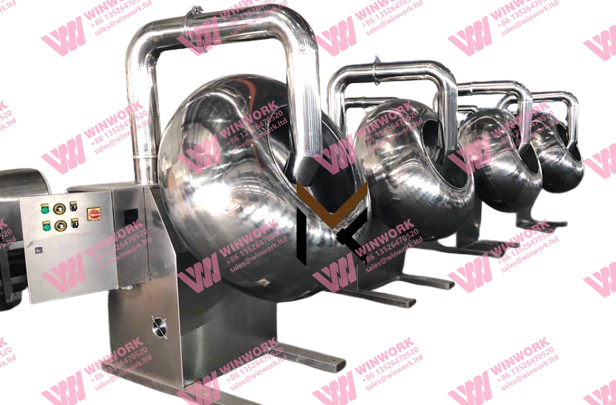
The Working Principle
As the pot rotates clockwise, the fertilizer rolls, rubs and adheres to the fertilizer coating agent in the pot, gradually gathering into spherical particles, and continues to roll and grow. The granular material rolls in the pot, and the coating agent fully coats the particles. Through the liquid spraying device, the coating agent and the particles are fully integrated, changing the color of the particles. Equipped with a heating device, it can remove moisture from the surface of the particles and accelerate the particle coating process.
Features of Fertilizer Coating Machine
Spray device: accurately spray liquid on the surface of particles, and accurately measure the spray volume.
High efficiency: high balling rate and high production efficiency.
Smooth granules: Compared with disc granulation, the finished granules processed by the fertilizer coating machine have a smoother appearance.
Multi-function: The powder can be processed into spherical particles and can also be used for coating the particles.
Automation: Use automated control systems to achieve automated production.
FAQ: Your Questions About Using Coating Machine to Handle Anti-Caking Layers Answered
We know you’ve got questions. Here are the answers to what people ask us most about Using coating machine to handle anti-caking layers.
Q: What are the most common anti-caking agents?
A: It depends on the product and cost. Common ones include:
Clays (Kaolin/Bentonite): Cheap and effective physical barriers.
Waxes (Paraffin/PEG): Great hydrophobic (water-repelling) layers.
Polymers: Advanced, thin-film coatings that are very effective.
Sulfur: Used when you want to add sulfur as a secondary nutrient (SCU).
The choice depends on the specific fertilizer and the goal of Using coating machine to handle anti-caking layers.
Q: How thick does the coating need to be?
A: Surprisingly thin! We’re not talking about a shell you can see. The goal is often just a few microns thick. It’s a surface treatment, not a casing. Effective Using coating machine to handle anti-caking layers achieves this microscopic coverage without adding significant weight or cost.
Q: Can I coat fertilizer that is already in bags?
A: No. The process must happen at the factory level on loose granules. You cannot effectively apply a uniform anti-caking layer to bagged fertilizer.
Q: Does the coating affect the nutrient content?
A: It can slightly dilute it, yes. If you add 1% clay by weight, the NPK percentage of the final product technically drops by a tiny fraction. However, the benefit of preventing caking and improving availability far outweighs this negligible dilution. This is a standard consideration in Using coating machine to handle anti-caking layers.
Q: Is the coating permanent?
A: It is durable, but not indestructible. It is designed to withstand the normal pressures of bagging, stacking, and transport. If you crush the granules with a hammer, the coating will break. But under normal conditions, a properly applied layer from Using coating machine to handle anti-caking layers will last for months.
Conclusion: Don’t Let Your Product Turn to Stone
Fertilizer caking is an age-old problem that has plagued the industry since its inception. It is a problem of physics and chemistry—moisture, pressure, and temperature conspiring to turn your valuable product into a worthless brick.
Using coating machine to handle anti-caking layers is the elegant, modern solution. It is a proactive, precise, and profitable way to fight back against the forces of nature. By investing in the right coating technology, you are not just buying a machine; you are buying customer satisfaction, protecting your brand reputation, and ensuring your product performs in the field exactly as promised. Don’t let your fertilizer turn to stone. Start Using coating machine to handle anti-caking layers and keep your product flowing freely.
For more details, please feel free to contact us.
Email: sales@lanesvc.com
Contact number: +8613526470520
Whatsapp: +8613526470520


Get A Quote