


Introduction
Humic acid liquid fertilizer can look straightforward on paper and still create production problems when a project moves from a small batch to commercial scale. With humic acid liquid fertilizer, issues such as slow dissolution, uneven mixing, sedimentation, difficult filtration, or long processing times may be linked to the interaction between raw materials and the production process. The right question is not simply whether a formula contains the desired nutrients, but whether the formula can be processed consistently at the required capacity.
This guide looks at the factors that can affect production, from raw material selection and formulation to mixing, filtration, storage, and scale-up. It also explains when individual machines may need to become part of a coordinated production system.
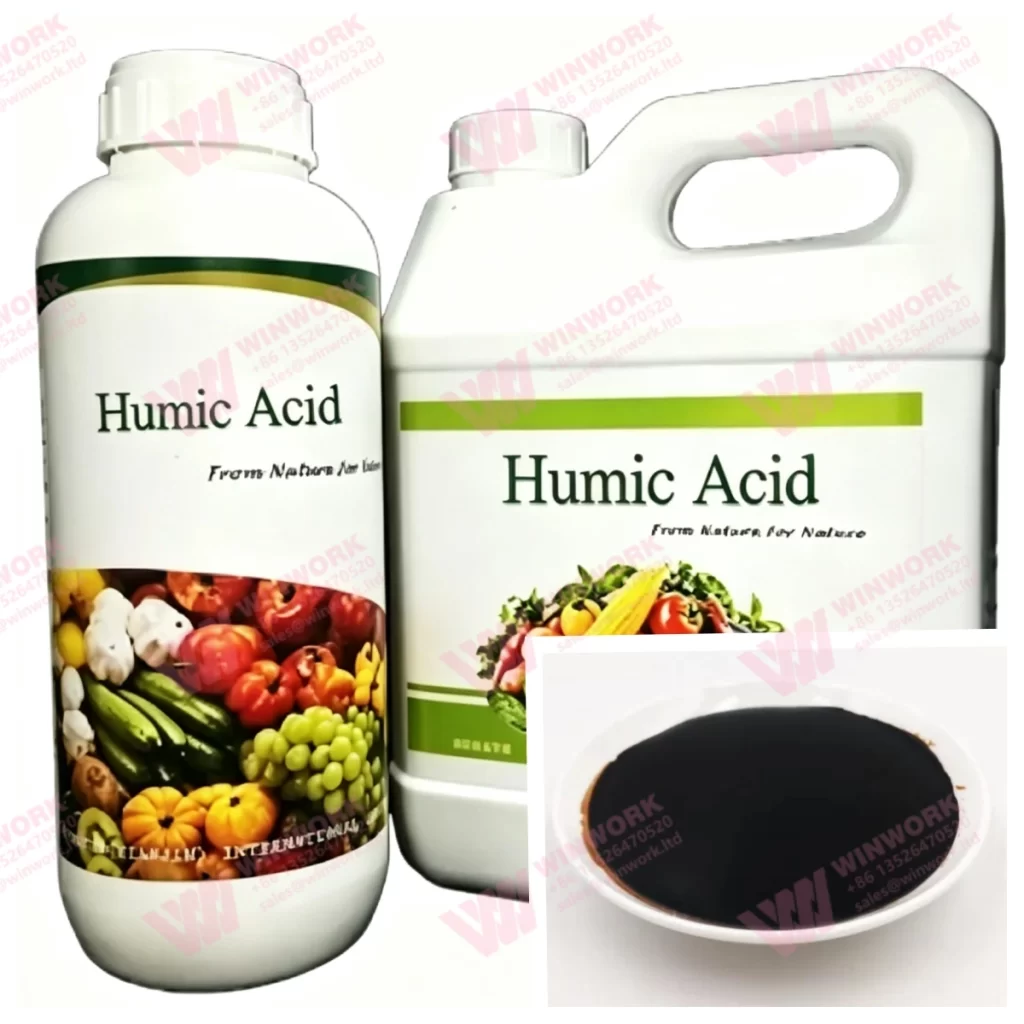
Humic Acid Liquid Fertilizer
What Makes the Formula So Important?
A liquid fertilizer formula is not simply a list of ingredients. It also determines how easy the product is to manufacture.
For example, two formulas may contain similar ingredients but require different mixing times. One may dissolve quickly in water, while another may leave particles that need more mixing or filtration. A concentrated formula may also become thicker, making it harder for the mixer to keep the liquid moving evenly.
This is why the formula should be considered when selecting production equipment. The right mixing tank can help create the circulation needed to distribute raw materials throughout the liquid.
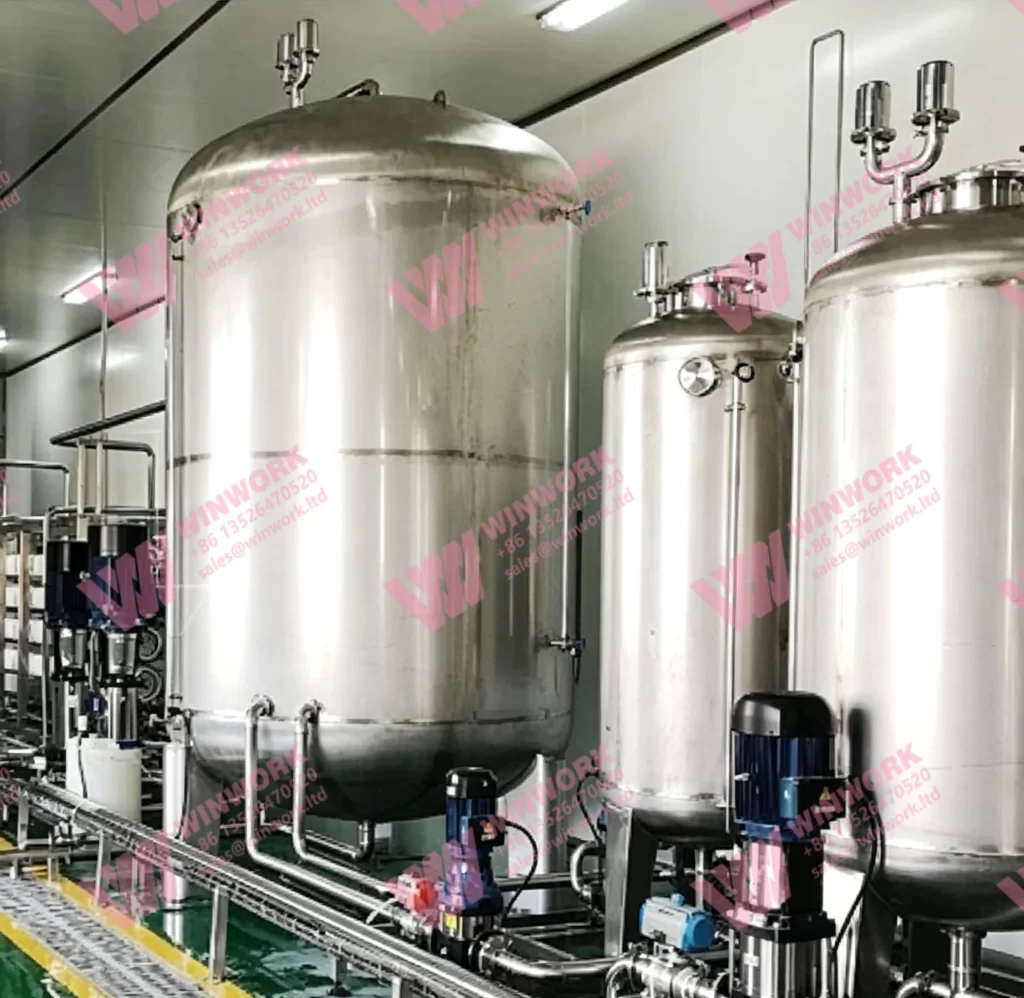
The target concentration, batch size, raw material characteristics, viscosity, and expected production capacity should all be considered before choosing the equipment.
For humic acid liquid fertilizer, this becomes especially important when the product contains a high percentage of humic substances or other materials that may not dissolve easily.
A formula that is easy to process can help reduce unnecessary mixing time and make production more consistent.
Which Raw Materials Are Commonly Used?
Humic acid products can be made from different raw materials depending on the desired product and nutrient requirements.
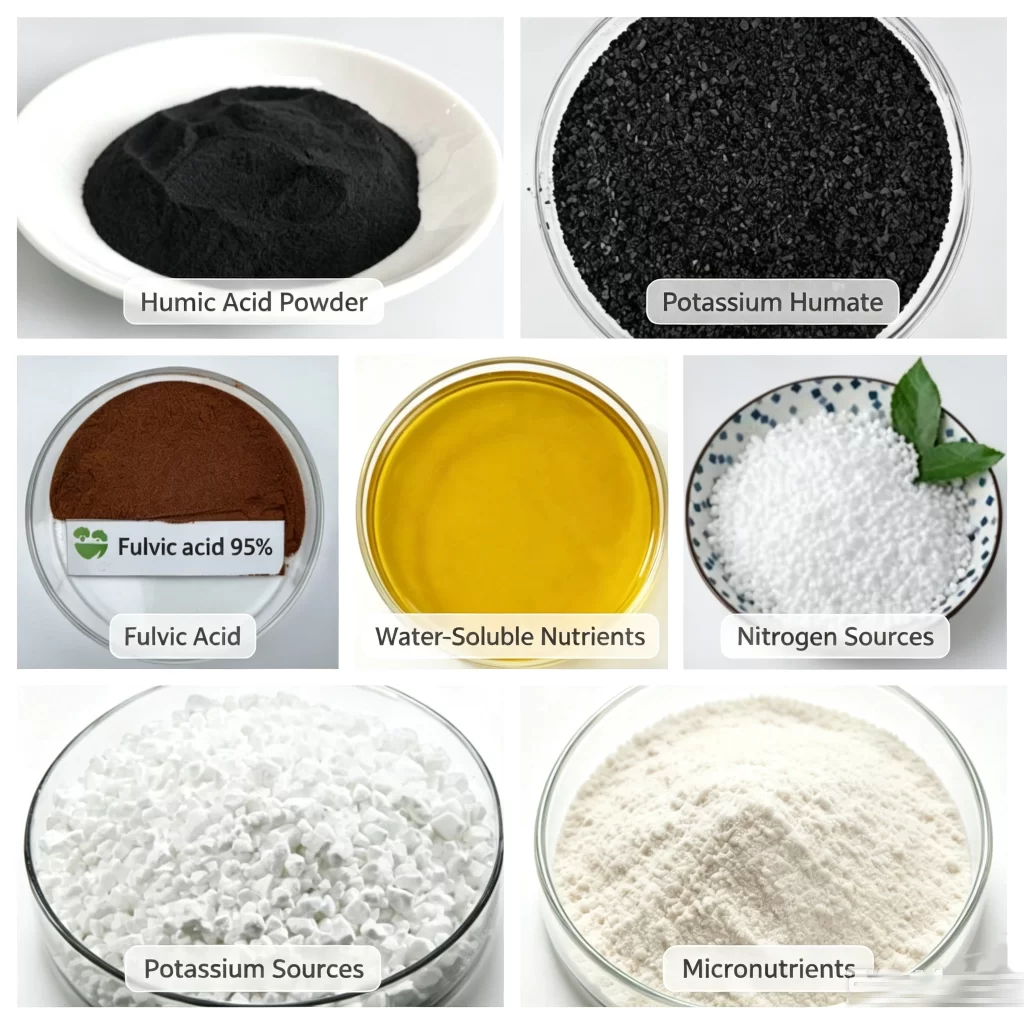
Common materials may include humic acid powder, potassium humate, fulvic acid, water-soluble nutrients, nitrogen sources, potassium sources, micronutrients, and other compatible additives.
The physical condition of these materials also matters. Particle size, moisture content, purity, and solubility can affect how quickly the ingredients mix with water.
For example, if a powder has poor solubility, simply adding more water may not completely solve the problem. The production process may need a suitable feeding method and enough mixing time.
Water quality should also be checked. Water containing a high level of minerals may affect the appearance or stability of the final product. A formula that works well with one water source may produce cloudiness or sediment with another.
For this reason, manufacturers should test the actual raw materials before selecting a large production system.
If the raw materials are difficult to feed manually, a raw material feeding system can also be considered as part of the production process.
Which Humic Acid Liquid Fertilizer Formula Problems Can Slow Production?
Several common formula problems can make liquid fertilizer production slower than expected.
The first is poor solubility. If the powder takes a long time to dissolve, operators may need to extend the mixing cycle. This reduces the number of batches that can be produced during a working day.
The second is uneven mixing. If some ingredients remain concentrated in one part of the tank, the final product may not have consistent quality.
This is where suitable mixing equipment becomes important. A mixer needs to create enough movement to distribute the ingredients throughout the tank without causing unnecessary splashing or excessive air entrainment.
Another common problem is sedimentation. Some fine particles may remain suspended during production but gradually settle after the product is stored.
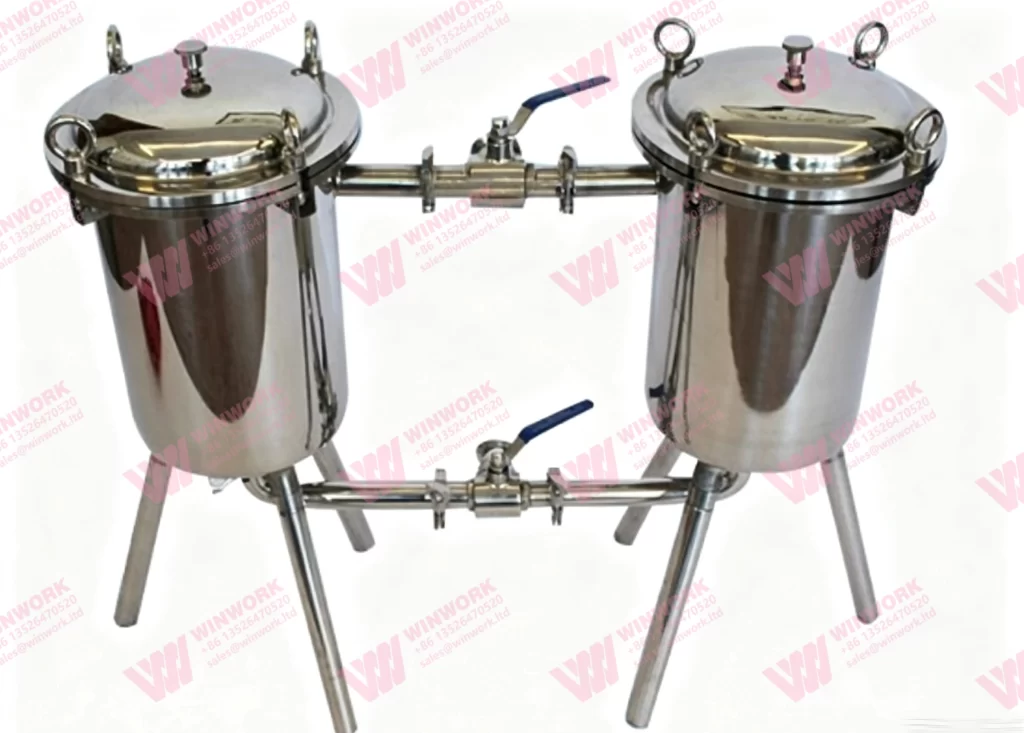
Filtration can also become a bottleneck. If the product contains unwanted particles, it may need to pass through a filtration system before storage or filling.
A formula that looks good in a small test can therefore become difficult to process when production increases. This is why the formula and equipment should be considered together.
How Is the Product Made from Raw Materials to Finished Liquid?
The production process usually begins with water preparation and raw material feeding.
Water is normally added to the liquid fertilizer mixing tank first. The selected raw materials are then added according to the required sequence.
The feeding sequence is important. Adding too much powder at once may cause lumps or floating material. Adding the ingredients gradually can give the mixer more time to disperse them throughout the liquid.
During this stage, the mixer keeps the liquid moving and helps the ingredients become evenly distributed.
After mixing, the liquid may need to pass through a filtration system. This can help remove unwanted particles before the product moves to the storage stage.
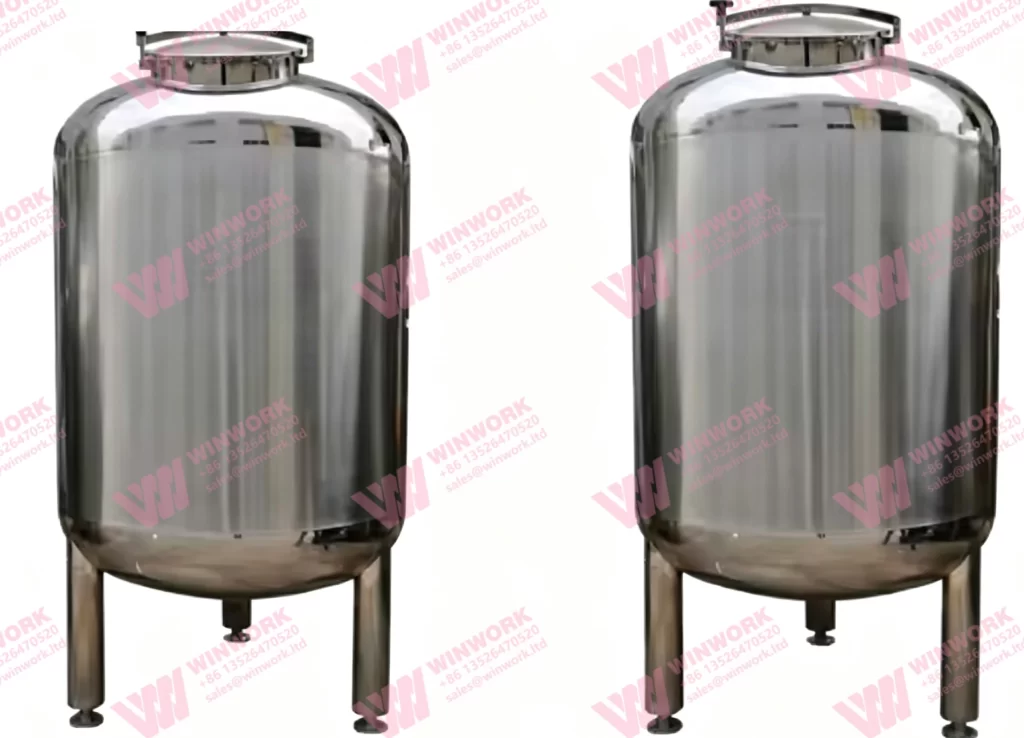
The filtered product can then be transferred by a transfer pump into a storage tank.
The storage tank provides a temporary holding area before the product is sent to the filling section.
The final stage is filling and packaging. Depending on the project, a suitable filling machine can be used to fill the product into bottles, cans, bags, or other containers.
A simple process can therefore look like:
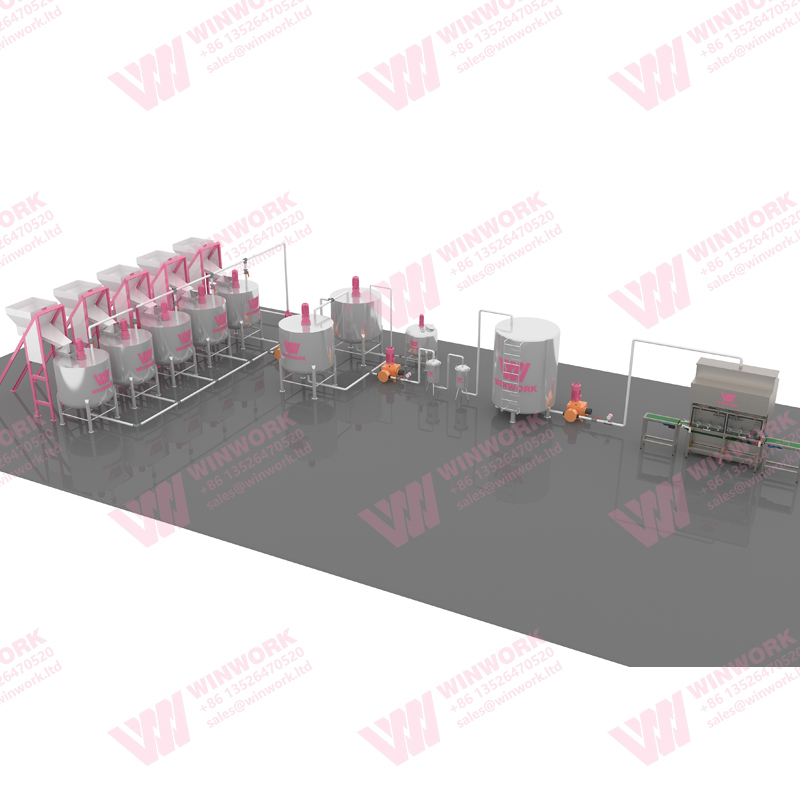
Raw Materials → Mixing → Filtration → Storage → Filling
This is where humic acid liquid fertilizer changes from a formula on paper into a repeatable production process.
Why Can the Same Formula Behave Differently at Different Scales?
A small test batch and a commercial production batch may use exactly the same formula but still behave differently.
The reason is simple: the production environment changes when the batch becomes larger.
A small container may be easy to mix, while a much larger tank may require a different mixing arrangement.
For humic acid liquid fertilizer, it is useful to compare mixing time, dissolution time, sedimentation, filtration, and final product consistency during scale-up.
How Should a Production Line Be Designed Around the Formula?
The production line should be selected after the main processing requirements are understood.
The first questions should be simple:
How much product needs to be made per batch?
What is the required daily or hourly capacity?
Which raw materials will be used?
Does the product need filtration?
How much storage capacity is required?
How will the final product be packaged?
The answers to these questions help determine the equipment configuration.
The mixing section is usually one of the most important parts. If the formula is easy to dissolve and has a low viscosity, a relatively simple mixing system may be enough.
The filtration section should also match the product. A filter that is too small can slow the entire production process.
Storage capacity is another important consideration.
From Individual Machines to a Complete Production Line
For a small project, manufacturers may only need several individual machines, such as a mixing tank, pump, filter, storage tank, and filling machine.
As production increases, however, these machines need to work together.
A complete liquid fertilizer production line can connect raw material feeding, mixing, filtration, transfer, storage, and filling into one coordinated workflow.
Automation can also be added where necessary.
Ready to Scale Up Your Production?
Before increasing production capacity, it is worth taking another look at the formula.
Does the raw material dissolve quickly enough?
Does the product remain evenly mixed?
Does sediment appear during storage?
Can the filter handle the required flow?
Is the storage tank large enough?
Can the filling section keep up with production?
These questions can help identify whether the main problem is the formula, the process, or the equipment configuration.
Humic Acid Liquid Fertilizer production becomes much easier to manage when the formula and production equipment are considered together.
For more details, please feel free to contact us.
Email: sales@lanesvc.com
Contact number: +8613526470520
Whatsapp: +8613526470520
Your choice is the best recognition for us!

Get A Quote