

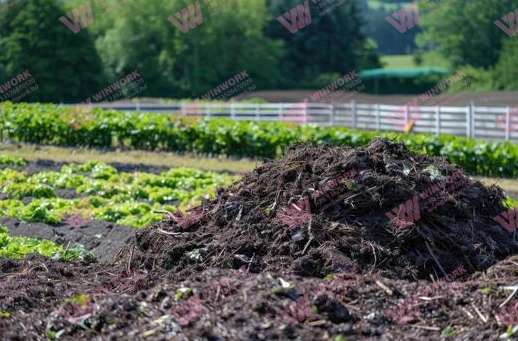
Turning organic waste into commercial fertilizer can be a practical way to create additional value from agricultural and livestock resources. However, choosing the right equipment is not simply a matter of buying a complete machine package. A suitable compost fertilizer production line should be designed around the characteristics of the raw materials, expected output, final fertilizer specifications, available space, and investment budget.
For farms, livestock operations, composting businesses, and fertilizer manufacturers, the right compost fertilizer production line can make the difference between a system that operates smoothly and one that creates unnecessary processing costs. This guide explains the most important factors to consider before investing in an organic fertilizer processing system.
Start With Your Organic Waste to Configure Compost Fertilizer Production Line
The first step in selecting a compost fertilizer production line is understanding exactly what organic waste you have available.
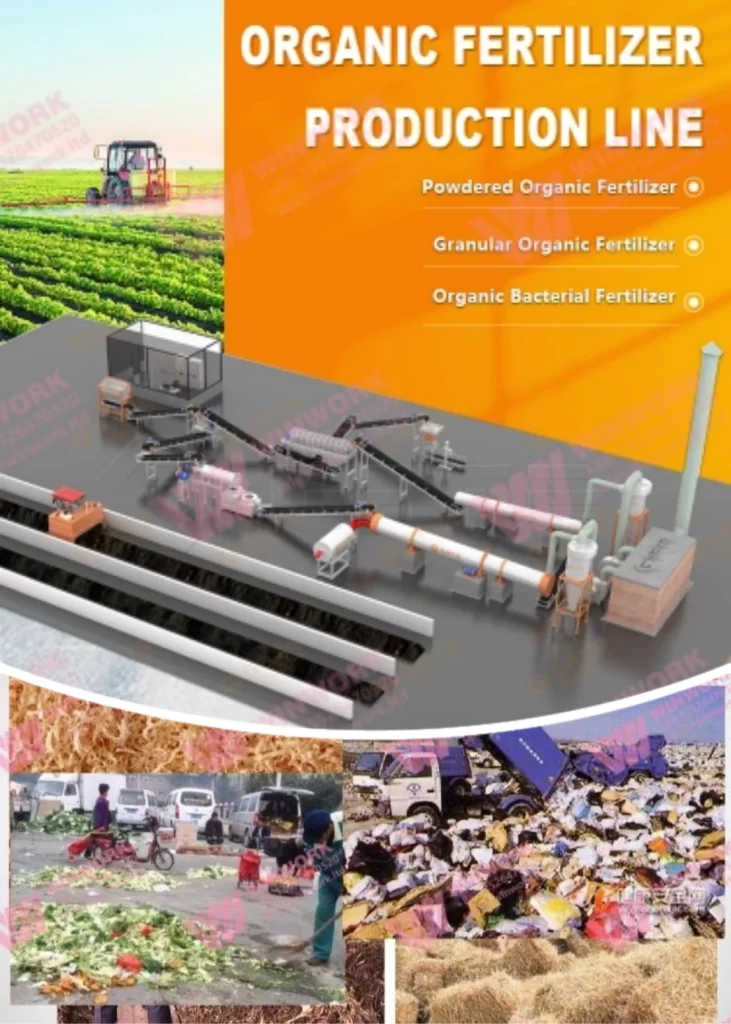
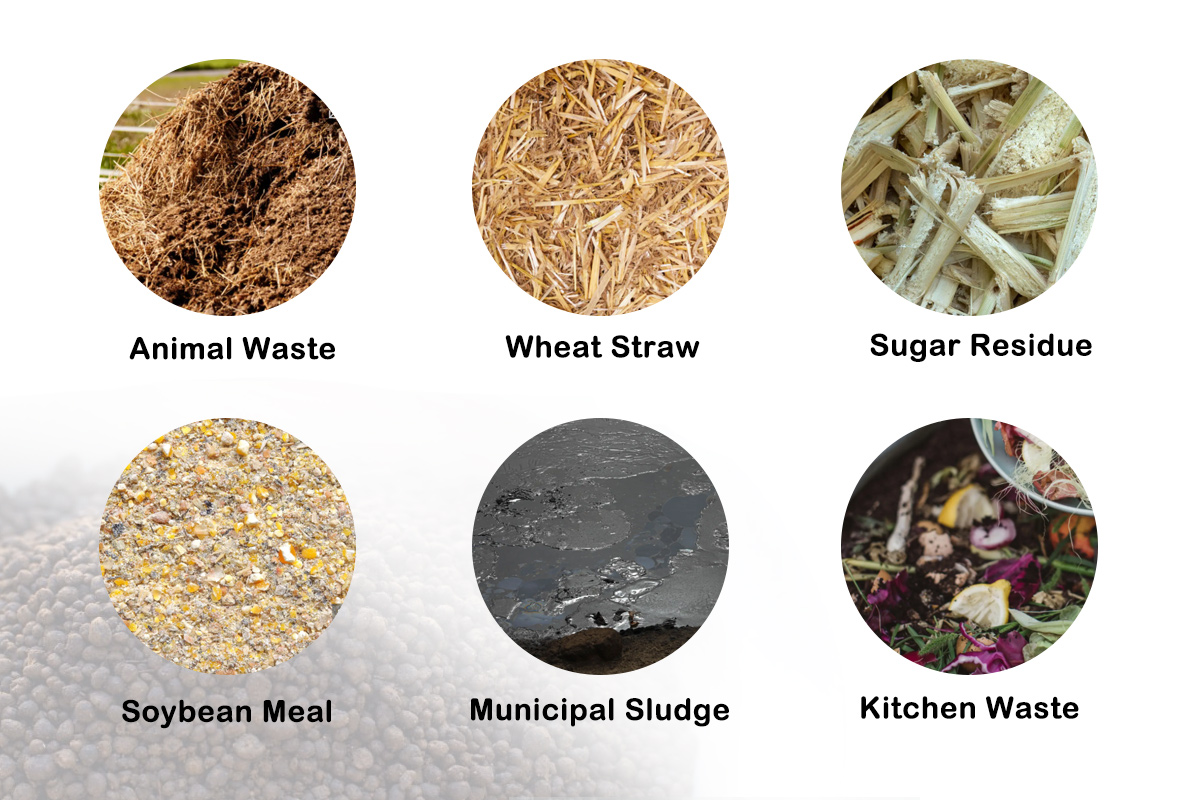
Common materials include chicken manure, cow manure, horse manure, sheep manure, crop straw, rice husk, rice straw, soybean meal, sugar residue, cassava residue, wine lees, and other organic materials. Different feedstocks can have very different moisture levels, fiber content, particle sizes, and physical properties.
For example, livestock manure may contain relatively high moisture, while crop residues can have a higher fiber content. These differences affect fermentation, crushing, mixing, granulation, and drying requirements.
Therefore, buyers should not choose equipment based only on the name of the raw material. A professional manufacturer should evaluate the actual condition of the material before recommending the final configuration.
Determine Whether You Need a Fermentation Section
Not every project starts with fully mature compost. If the organic waste has not been sufficiently fermented, the front end of the compost fertilizer production line may need a composting and fermentation section.
Fermentation is particularly important for raw organic waste such as animal manure and agricultural residues. Proper treatment can improve the condition of the material before it enters the fertilizer processing stage.
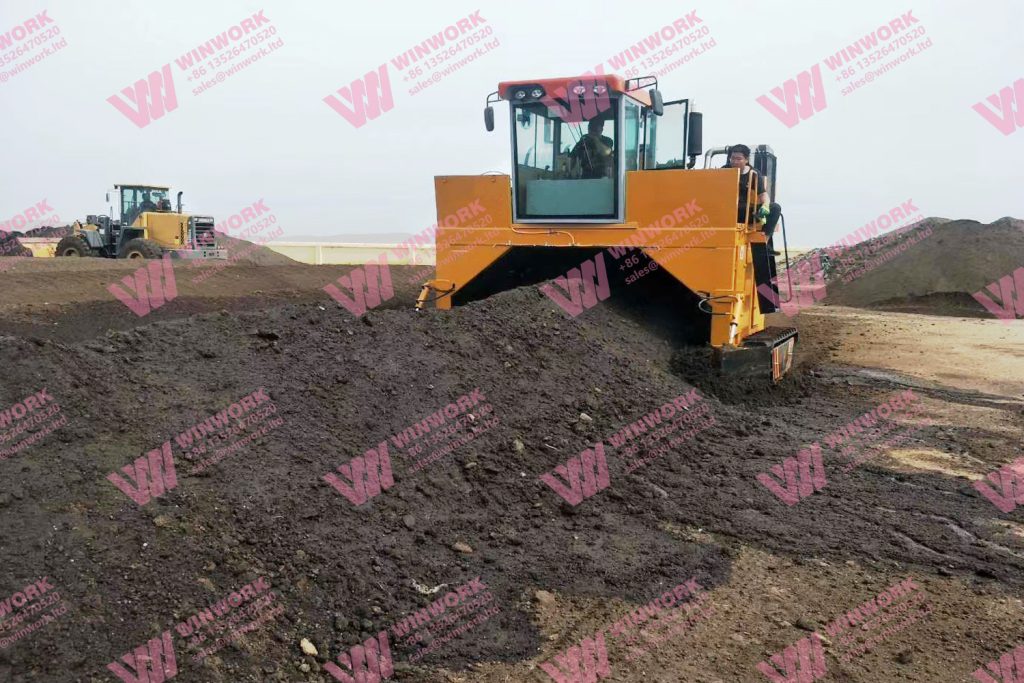
A compost turner can help turn, mix, loosen, and aerate the material during composting. WINWORK’s crawler compost turner is designed for compost fermentation and uses a crawler walking system with a turning device to improve material mixing and air contact.
Solve Odor Problems Caused by Composting
If a customer already has stable, mature compost, the fermentation section may be reduced or omitted depending on the material condition and production requirements. This is one reason why a customized equipment plan is usually more practical than a fixed equipment package.
Match Production Capacity With Your Future Demand
Capacity is one of the most important decisions when purchasing a compost fertilizer production line.
Instead of selecting the largest available system, consider your current raw material supply and realistic sales demand. A line that is significantly larger than the available feedstock may increase equipment and operating costs without providing additional value.
On the other hand, a system that is too small may become a bottleneck as the business grows.
WINWORK’s organic fertilizer production line is listed with a capacity range of approximately 1–15 t/h, allowing the configuration to be matched to different project sizes. The actual capacity depends on the selected equipment, material characteristics, process design, and operating conditions.
A useful approach is to estimate:
- Daily organic waste availability
- Expected working hours per day
- Target fertilizer output
- Seasonal changes in raw material supply
- Expected future production growth
These figures provide a better foundation for choosing the appropriate compost fertilizer production line capacity.
Consider Moisture Before Choosing Drying Equipment
Moisture is another critical factor that can affect the design of a compost fertilizer production line.
Organic waste may contain substantial amounts of water before and during composting. Even after fermentation, the material may still require moisture adjustment before granulation.
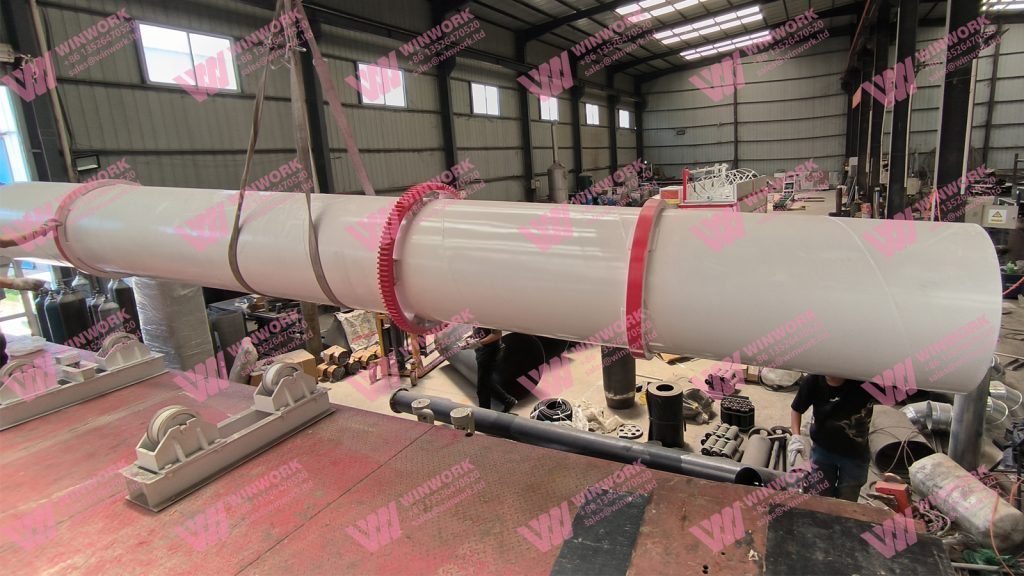
If the finished fertilizer needs additional drying, a rotary drum dryer can be incorporated into the production system. However, the dryer should not be selected independently. Its capacity needs to match the upstream granulator and downstream cooling and screening equipment.
WINWORK lists rotary drum drying machines for fertilizer applications with different configurations and capacities. The final selection should be based on material moisture, required final moisture, production capacity, heat source, and local operating conditions.
For some projects, controlling moisture earlier in the process may reduce the drying load. This is why a complete raw-material and process evaluation is more valuable than simply choosing a dryer by capacity.
Choose the Right Granule Size and Fertilizer Form
The final product specification should be decided before selecting the compost fertilizer production line.
Some customers need powder fertilizer, while others want round or compact granules for easier transportation, storage, and application. Granule size can also affect the choice of granulator and screening equipment.
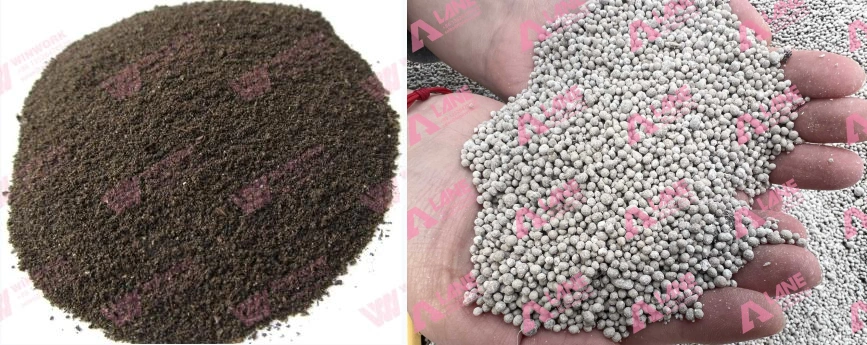
We offers organic fertilizer granulation equipment, including its new type organic fertilizer granulator. The company also states that fertilizer production systems can be configured according to the customer’s requirements and that granulation tests can be conducted using customer raw materials.
Before purchasing equipment, clarify:
- Powder or granular fertilizer?
- Required granule diameter?
- Round or irregular granules?
- Required hardness?
- Required moisture level?
- Do different product sizes need to be produced?
The answers will help determine the appropriate granulation and screening configuration.
Decide Which Equipment Should Be Included
A compost fertilizer production line does not necessarily need every available machine.
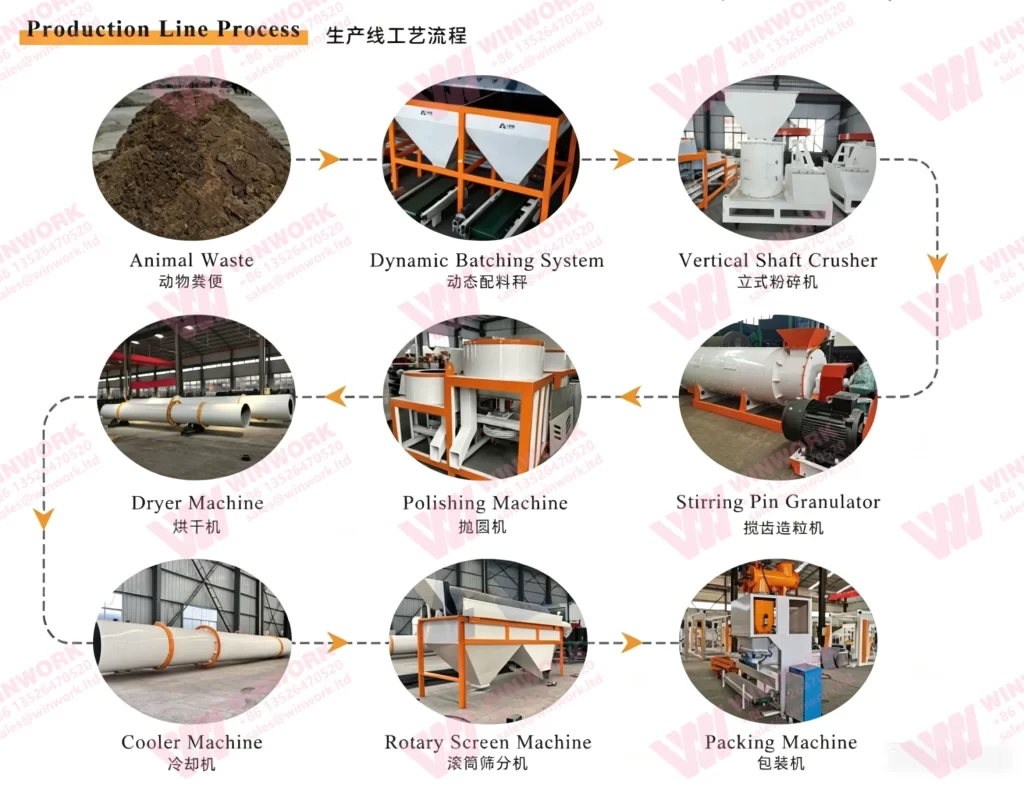
A typical system may include:
- Compost turner or fermentation equipment
- Feeding equipment
- Crusher
- Mixer
- Granulator
- Conveyor
- Dryer
- Cooler
- Screening machine
- Packing machine
However, the exact combination should depend on the project.
For example, a customer with mature compost may focus on crushing, mixing, granulation, screening, and packing. Another customer processing fresh livestock manure may require a more complete fermentation and moisture-treatment system.
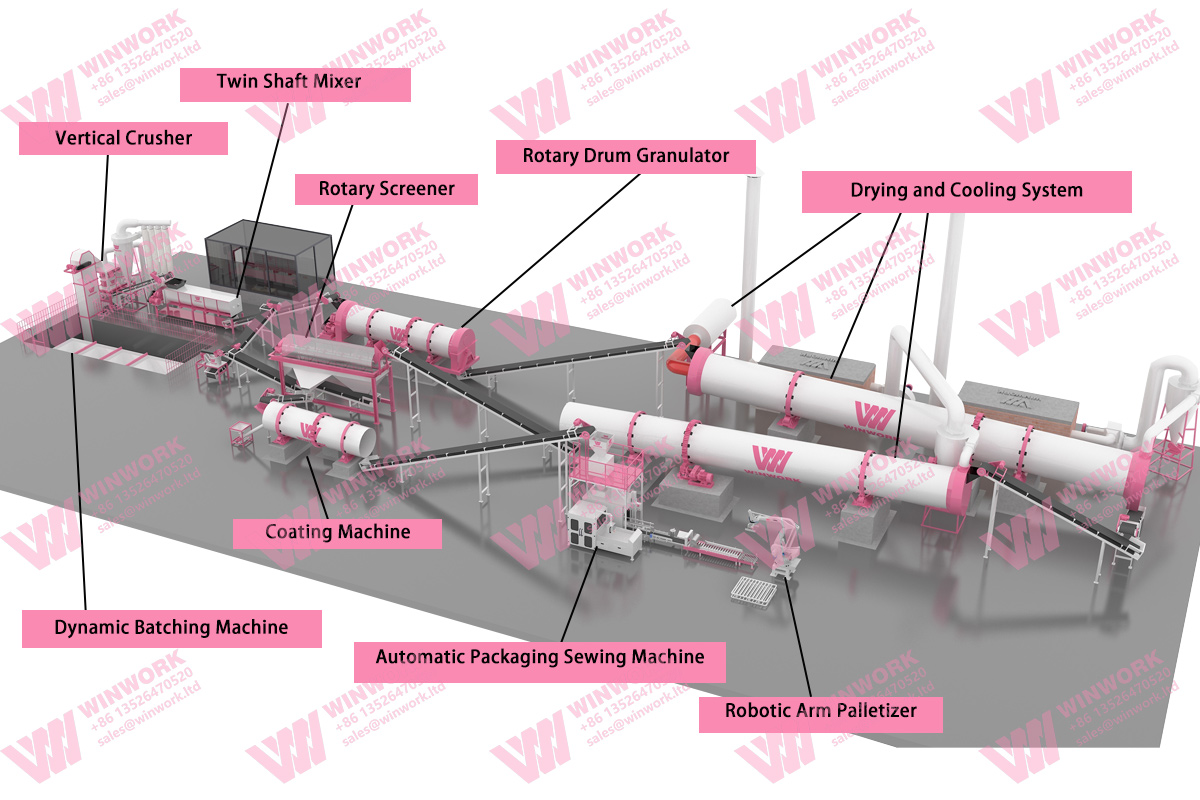
WINWORK’s equipment range includes crushers, mixers, granulators, drying and cooling systems, screening machines, conveyors, and fertilizer packing equipment. This allows the production line to be configured according to the customer’s production goals rather than forcing every project into one standard layout.
Check the Available Factory Space
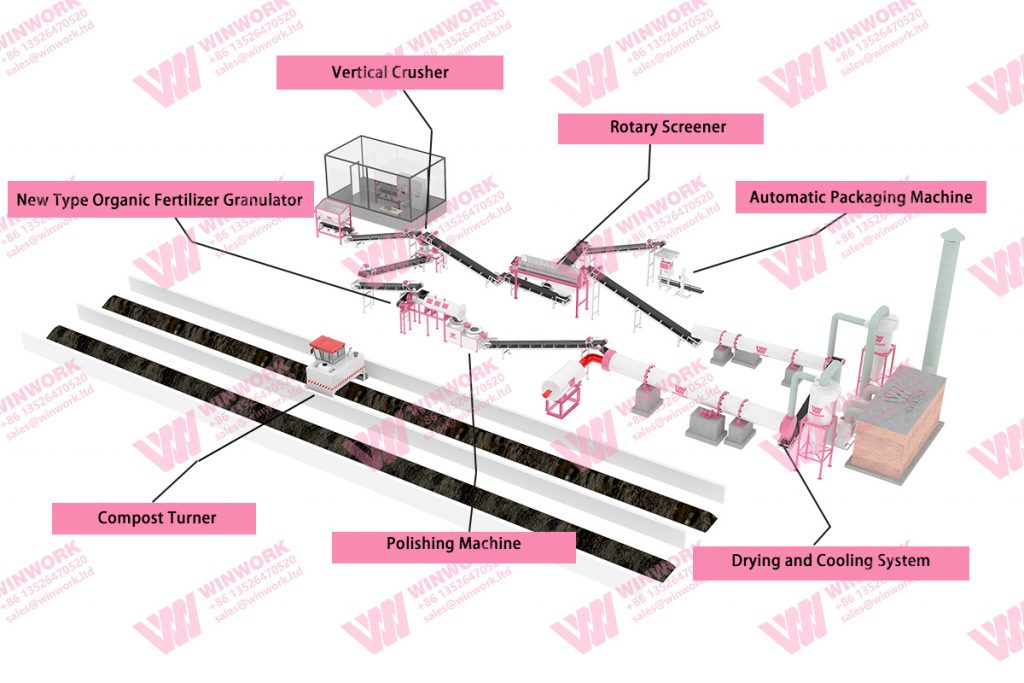
Plant layout is often overlooked when selecting a compost fertilizer production line.
A production line needs more than enough space for the machines themselves. You should also consider raw material storage, fermentation areas, finished product storage, loading zones, maintenance access, conveyor space, ventilation, and worker movement.
A typical organic fertilizer production line requires a site area of approximately 100–1,000 m², with the actual size depending on the project configuration.
A compact plant layout can be particularly important for small and medium-sized fertilizer producers. Equipment placement should create a logical material flow from raw material feeding through processing to finished product packaging.
Compare the Total Investment, Not Just the Machine Price
Price is naturally an important consideration when buying a compost fertilizer production line, but the lowest equipment quotation is not always the lowest total investment.
A complete project may include:
· Main processing equipment
· Conveyors
· Electrical control system
· Drying and cooling equipment
· Screening equipment
· Packing equipment
· Installation
· Workshop preparation
· Dust control
· Odor or gas treatment
· Spare parts
· Technical support
That is why our WINWORK engineering team customizes every solution according to your raw materials, site layout and long-term operation goals. Even for projects with identical targeted capacity, equipment setups vary significantly and will reshape your overall project cost.
We back your project with a 5-year warranty and full-lifecycle technical support. We prioritize long-term, sustainable partnerships rather than one-off transactions.
A Practical Checklist Before Buying
Before placing an order, use the following checklist to evaluate your project:
Raw material: Do you know the exact type and condition of your organic waste?
Fermentation: Is the material already mature, or do you need a composting section?
Capacity: How many tons per hour do you realistically need?
Product: Will you produce powder or granules?
Granule size: What particle size does your market require?
Moisture: What is the initial and target final moisture?
Space: How much room is available for production and storage?
Automation: How much manual labor can your business support?
Budget: Have you calculated the complete project investment rather than only the machine cost?
Expansion: Can the system be upgraded when your production increases?
Answering these questions before contacting a supplier can make the selection process faster and help avoid unnecessary equipment purchases.
Conclusion
Choosing a compost fertilizer production line should begin with the organic waste and the final fertilizer product, rather than with a specific machine. Raw material characteristics, fermentation requirements, production capacity, moisture, granule size, factory space, automation, and budget all influence the final equipment configuration.
For businesses planning to convert organic waste into commercial fertilizer, a customized system can provide a more practical solution than a standard equipment package. By evaluating the entire material flow and matching each machine to the required capacity, producers can build a production system that is easier to operate, expand, and maintain.
If you are unsure which equipment combination is suitable for your organic waste project, providing the raw material type, required capacity, final particle size, and available site information is a good starting point. With these details, WINWORK can help develop a more suitable compost fertilizer production line based on your specific production requirements.
For more details, please feel free to contact us.
Email: sales@lanesvc.com
Contact number: +8613526470520
Whatsapp: +8613526470520
Your choice is the best recognition for us!
Get A Quote