

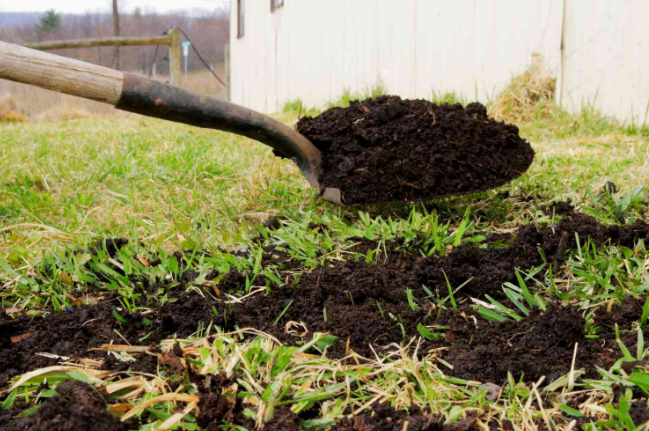
Let’s be blunt. If you run a composting plant, a wastewater treatment facility, a rendering plant, or any operation dealing with decaying organic matter, you know the smell is the first thing people notice. It’s the unwelcome guest that shows up every single day, driving away employees, annoying the neighbors, and attracting the attention of environmental regulators. You can’t see it, but you sure can’t escape it. The only real way to fight back is Using deodorization system to handle malodorous gases.
This isn’t about lighting a few scented candles or spraying Febreze. Using deodorization system to handle malodorous gases is a serious engineering solution designed to capture, treat, and neutralize the complex cocktail of volatile organic compounds (VOCs), hydrogen sulfide, ammonia, and other stinky molecules that make your facility a smelly nightmare. If you want to operate legally, keep your staff happy, and be a good neighbor, you need to understand how Using deodorization system to handle malodorous gases works.
What Exactly Are We Fighting? (The Nature of Malodorous Gases)
Before we can defeat the enemy, we have to know what it is. “Malodorous gases” aren’t just one thing. They are a mix of compounds released from anaerobic (without oxygen) decomposition. The usual suspects include:
Hydrogen Sulfide (HS):The classic “rotten egg” smell. It’s toxic and corrosive.
Ammonia (NH₃): The sharp, pungent smell from manure and urine.
Mercaptans & Thiols: Sulfur-containing compounds that smell like skunk or garlic.
Volatile Organic Acids: The sour, vinegar-like smell from fermentation.
Amines: Fishy or ammonia-like smells.
These gases are sneaky. They are lighter than air, so they drift. They cling to clothing. And they can cause headaches, nausea, and respiratory irritation in your workers. Using deodorization system to handle malodorous gases is about systematically removing these specific molecules from the air before they can escape your facility.
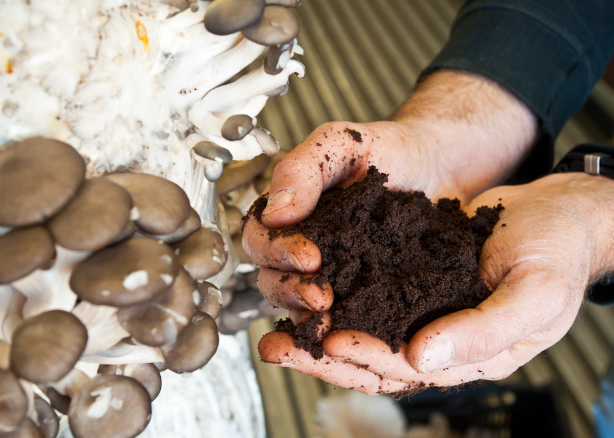
Why You Absolutely Need a Plan (The Benefits of Using Deodorization System to Handle Malodorous Gases)
You might think, “We’ve been dealing with the smell for years, we’re used to it.” That’s a dangerous attitude. Here is why Using deodorization system to handle malodorous gases is a non-negotiable for modern operations:
You Stay Out of Legal Trouble
Environmental regulations (EPA, local authorities, etc.) are getting stricter by the day. Neighbor complaints can lead to fines, mandated shutdowns, and costly legal battles. A robust system for Using deodorization system to handle malodorous gases is your first line of defense against regulatory action and community backlash.
You Protect Your Employees’ Health and Morale
No one wants to work in a place that smells like a sewer. Chronic exposure to H₂S and other compounds can lead to long-term health issues. High turnover and difficulty hiring staff are common side effects of a smelly workplace. Using deodorization system to handle malodorous gases creates a safe, breathable atmosphere, showing your team you value their well-being.
You Prevent Corrosion
Hydrogen sulfide isn’t just smelly; it’s corrosive. It attacks steel, concrete, and electronics. That “rotten egg” smell is literally eating away at your infrastructure. By Using deodorization system to handle malodorous gases, you extend the life of your buildings, ductwork, and machinery.
It’s Good Public Relations
In an age of social media and instant reviews, a smelly factory is a viral sensation—and not the good kind. Being a good neighbor by eliminating odors builds community trust and protects your brand’s reputation. Using deodorization system to handle malodorous gases is an investment in your company’s public image.
How Does It Work? The Nuts and Bolts of the Process
Alright, let’s get into the science. How do you actually “deodorize” air? The principle of Using deodorization system to handle malodorous gases relies on one of three main mechanisms: Biofiltration, Chemical Scrubbing, or Adsorption. Most modern systems use a combination.
Method 1: Biofiltration (The Natural Solution)
This is the most common and eco-friendly method, especially for compost and wastewater plants.
The Setup: You force the smelly air through a bed of organic material—usually compost, peat moss, wood chips, or specially engineered plastic media.
The Magic: This bed is teeming with billions of beneficial microbes (bacteria and fungi). These microbes eat the odorous compounds (H₂S, NH₃, VOCs) as their food source. They metabolize the pollutants and convert them into harmless byproducts: carbon dioxide, water, and more microbial biomass.
Why it Works: It’s nature’s own recycling program. The key to successful Using deodorization system to handle malodorous gases with biofilters is maintaining the right conditions for the microbes: moisture, nutrients, and temperature.
Method 2: Chemical Scrubbing (The Aggressive Solution)
Used for very high concentrations of specific gases, especially hydrogen sulfide.
The Setup: The foul air is bubbled up through a tower filled with a liquid solution.
The Magic: The liquid is a chemical reagent designed to react with the gas. For H₂S, a common scrubber uses an iron salt solution (like ferric chloride) that reacts with the sulfide to form solid iron sulfide, which precipitates out. Another type is a caustic scrubber (sodium hydroxide) that neutralizes acidic gases like H₂S and SO₂.
Why it Works: It’s a direct chemical reaction that destroys the pollutant on contact. Using deodorization system to handle malodorous gases with scrubbers is highly effective but generates a liquid waste stream that must be disposed of properly.
Method 3: Adsorption (The Physical Trap)
Often used as a polishing step after biofiltration or for lower concentrations.
The Setup: The air passes through a vessel filled with a highly porous solid material, almost always activated carbon.
The Magic: Activated carbon has a massive surface area—a single gram can have the surface area of a football field. The odorous gas molecules are physically attracted to and stick to the surface of the carbon pores. This is called adsorption (different from absorption).
Why it Works: It traps the last traces of smell. The downside is that the carbon eventually gets saturated and needs to be replaced or regenerated. It’s a fantastic final step in Using deodorization system to handle malodorous gases.
The Whole Process for Producing
Raw material treatment: because organic waste is usually not easy to decompose, and contains some harmful substances to the soil, so it needs to be fully cooked and fermented, decomposition to remove the harmful substances, the formation of nutrient-rich humus. At this stage, the organic fertilizer production line researched and developed by our company can deal with this problem well by using compost turning machine and fermentation tank.
Through the compost turner, the material heap which has been sown with bacteria is turned, broken up and stirred, so as to promote the fermentation and maturation of the material, microbial growth and reproduction, and reduce the environmental pollution.
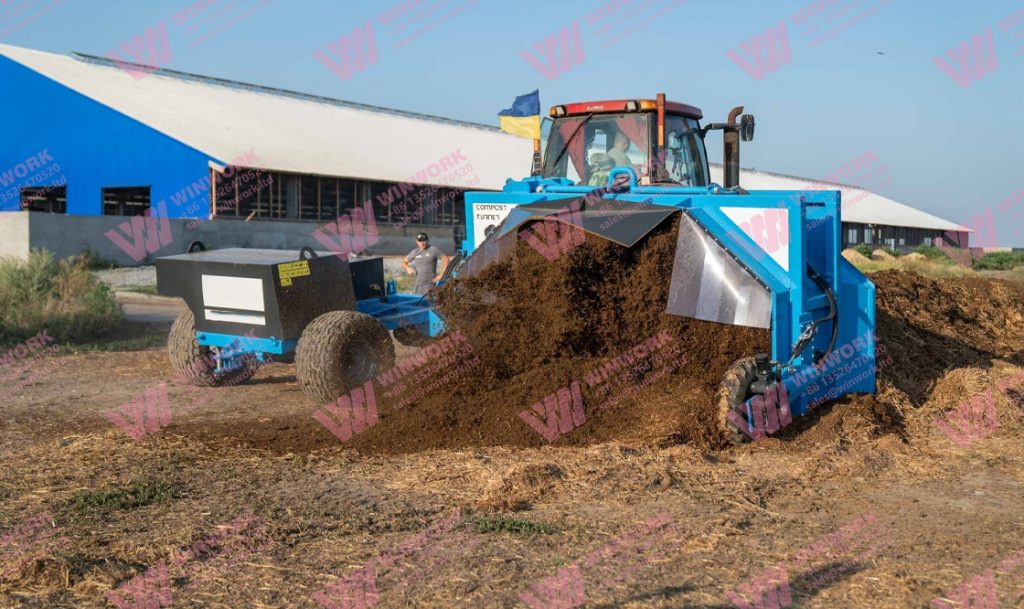
Through the fermentation tank, the material can be anaerobic, temperature-controlled treatment, to ensure that the material can be quickly fermented and ripened, the formation of organic fertilizer can be manufactured raw materials.
Raw material processing stage: after composting and fermentation of raw materials with rich organic matter, can effectively improve the quality of soil, and enhance the production of crops, but still not easy to save and transport, and can not be stored for a long time, we need to further processing.
The use of crusher, through the crusher internal high-speed rotating blades and chains, the fermentation of the material to complete the grinding, the formation of easy-to-handle powder, and then sent to the mixer after the full mixing and stirring, so that the material is more uniform, in this step can also add some necessary ingredients, such as additives, adhesives and so on.
Granulation: The processed powder will be sent into the churning teeth granulator through the belt conveyor, and the churning teeth rotating at high speed in the cylinder will mix, bond and cut the materials to form compact granules and push them backward to the discharge port to send them out.
Drying and cooling: By entering the dryer and cooler, the moisture of the granule is reduced and the hardness and stability of the granule is increased.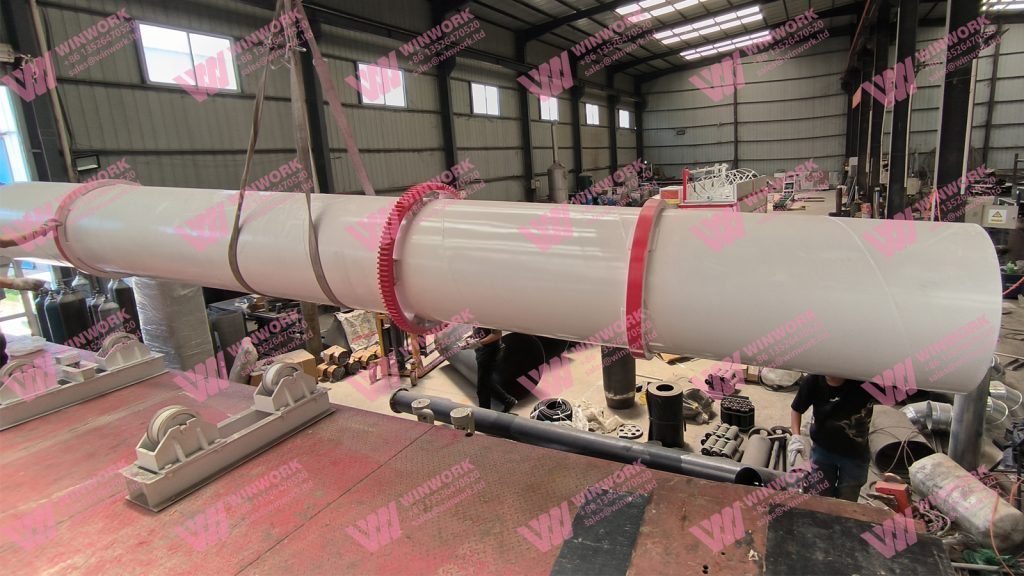
Screening: After drying, the granules enter the sieving machine to sieve out the granules that don’t meet the production standard and return them to be crushed and granulated again to improve the utilization rate, and at the same time, send out the granules that meet the production requirements.
Finished product processing: finished particles can be added according to customer demand for film wrapping machine or packaging machine, to further enhance the production effect, to ensure the quality of the finished product.
The Gear You Need: What Equipment is Essential?
You can’t just hang a bag of charcoal in the corner. Using deodorization system to handle malodorous gases requires an integrated system.
The Enclosure/Hood: You can’t treat what you don’t capture. The first step is covering the source (the compost pile, the sludge pit) with a hood or building an enclosed building to contain the fumes.
The Ductwork: A network of pipes to funnel the captured gas to the treatment system. Must be corrosion-resistant (fiberglass or coated steel).
The Blower/Fan: The heart of the system. It creates the airflow to pull the gases from the source and push them through the treatment vessel. Proper sizing is critical for Using deodorization system to handle malodorous gases.
The Treatment Vessel (Biofilter, Scrubber Tower, or Carbon Adsorber): This is the main reactor where the actual deodorization happens.
The Mist Eliminator/Demister: Placed after a scrubber to catch any liquid droplets before they enter the blower or are exhausted to the atmosphere.
The Stack: The final exhaust pipe that releases the clean air high above the roofline to disperse it safely.
Each component is vital. A weak blower won’t pull enough air. A poorly designed biofilter bed will channel (air finds a shortcut) and leave smells untreated. Effective Using deodorization system to handle malodorous gases depends on a balanced, well-engineered system.
FAQ: Your Questions About Using Deodorization System to Handle Malodorous Gases Answered
We know you’ve got questions. Here are the answers to what people ask us most about Using deodorization system to handle malodorous gases.
Q: How much does a system like this cost?
A: It varies wildly based on the volume of air (CFM) and the concentration of pollutants. A small system for a single building might be a few thousand dollars. A full-scale municipal composting facility could invest hundreds of thousands. However, the cost of Using deodorization system to handle malodorous gases is almost always less than the cost of a single major fine, lawsuit, or plant shutdown.
Q: Which method is best for my operation?
A: It depends. For general compost odors (a mix of smells), a biofilter is usually the most cost-effective and low-maintenance. For very high H₂S levels (like from a rendering plant or sludge pit), a chemical scrubber is often necessary as a first stage. Using deodorization system to handle malodorous gases often means combining technologies—scrubber first for H₂S, then biofilter for the rest.
Q: Do biofilters get smelly themselves?
A: A properly designed and maintained biofilter should not smell. If it does, it means the microbes are not healthy (too dry, too wet, or not enough nutrients), or the air isn’t distributing evenly. Regular watering and occasional turning of the media are key to a healthy biofilter.
Q: How often do I need to replace the media?
A: For a biofilter, the organic media (wood chips, compost) lasts for several years before it breaks down too much and needs replacing. For an activated carbon adsorber, the carbon typically lasts 6 months to 2 years, depending on the loading. This is a normal maintenance cost for Using deodorization system to handle malodorous gases.
Q: Can I just use masking agents (perfumes)?
A: Please don’t. Masking agents don’t remove the pollutants; they just add another chemical scent on top. This often results in a bizarre, unpleasant smell that is even worse than the original. It’s like putting a band-aid on a broken leg. True Using deodorization system to handle malodorous gases destroys the pollutants at the source.
Conclusion: Don’t Let Your Facility Be Defined by Its Smell
In today’s world, ignoring your odor problem is not an option. It’s a ticking time bomb for your relationship with your community, your employees, and the environment. Using deodorization system to handle malodorous gases is the responsible, professional, and financially sound solution.
By investing in the right technology, you are not just buying a piece of equipment; you are buying peace of mind. You are protecting your license to operate, preserving your assets, and creating a healthier workplace. Don’t let your facility be known as “that smelly place.” Take control of your air. Start Using deodorization system to handle malodorous gases and clear the air for good.
For more details, please feel free to contact us.
Email: sales@lanesvc.com
Contact number: +8613526470520
Whatsapp: +8613526470520


Get A Quote