

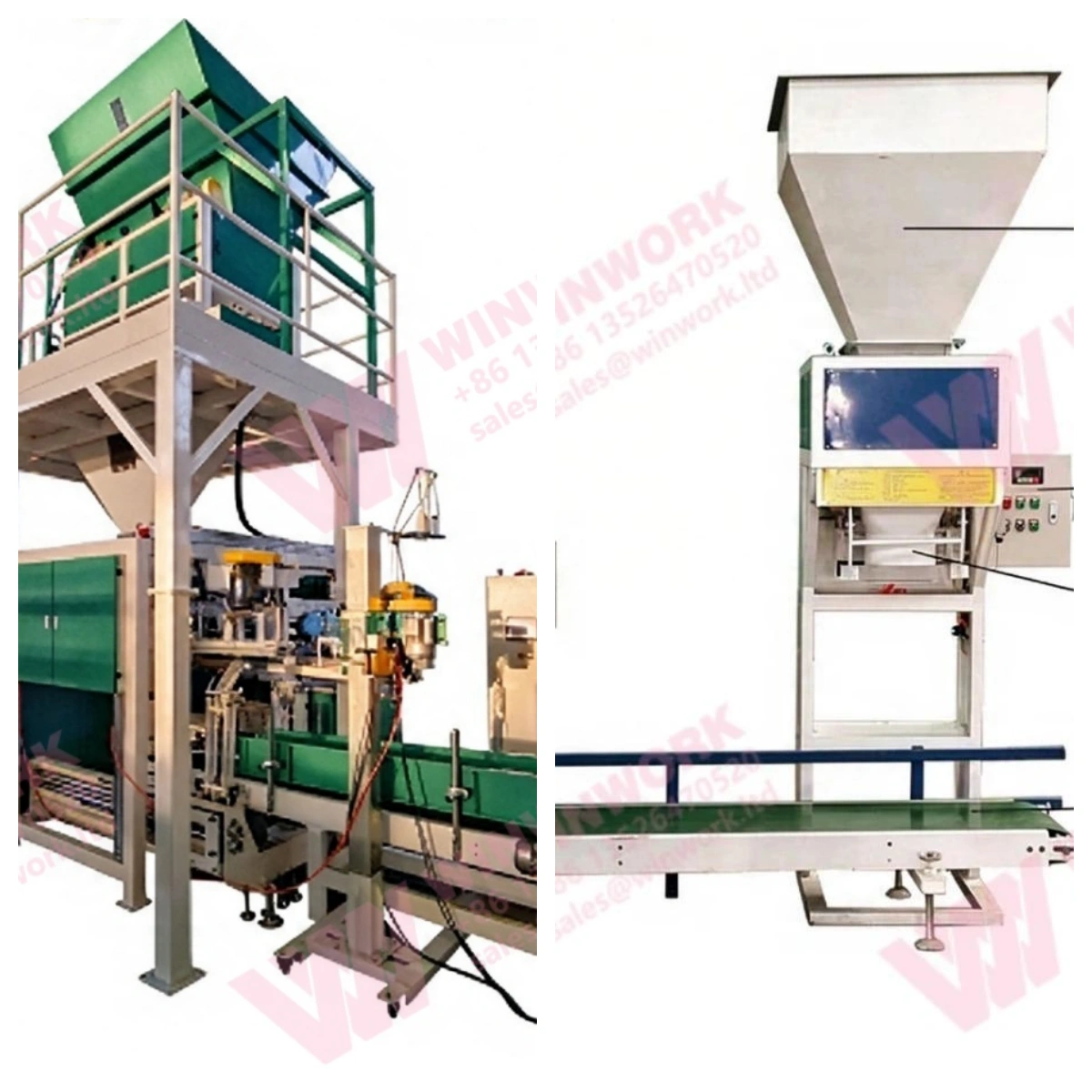
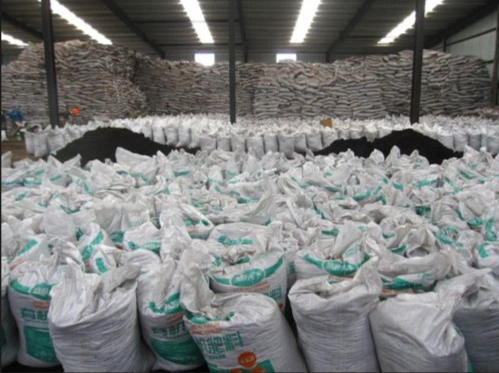
A fertilizer packaging machine plays an important role in the final stage of fertilizer manufacturing. After granulation, drying, cooling, and screening, finished fertilizer needs to be weighed and packed before storage, transportation, and sale. The right packaging solution helps manufacturers organize finished products, maintain consistent bag weights, and coordinate packaging with the output of the production line.
Different fertilizer plants have different requirements. Some prefer semi-automatic equipment with straightforward operation, while others need a higher level of automation to support continuous production. The main options include semi-automatic single-hopper and double-hopper machines, small-model fully automatic systems, and big bag packaging machines. Understanding their differences makes it easier to select equipment that fits the material, packaging size, production capacity, and long-term operating plan.
What Is a Fertilizer Packaging Machine?
A fertilizer packaging machine weighs a specified amount of fertilizer and fills it into a bag. Depending on its configuration, the equipment may include a feeding hopper, weighing system, bag-clamping mechanism, filling outlet, and control system. Conveyors, bag-sewing machines, or sealing equipment may also be needed to complete the packaging process.
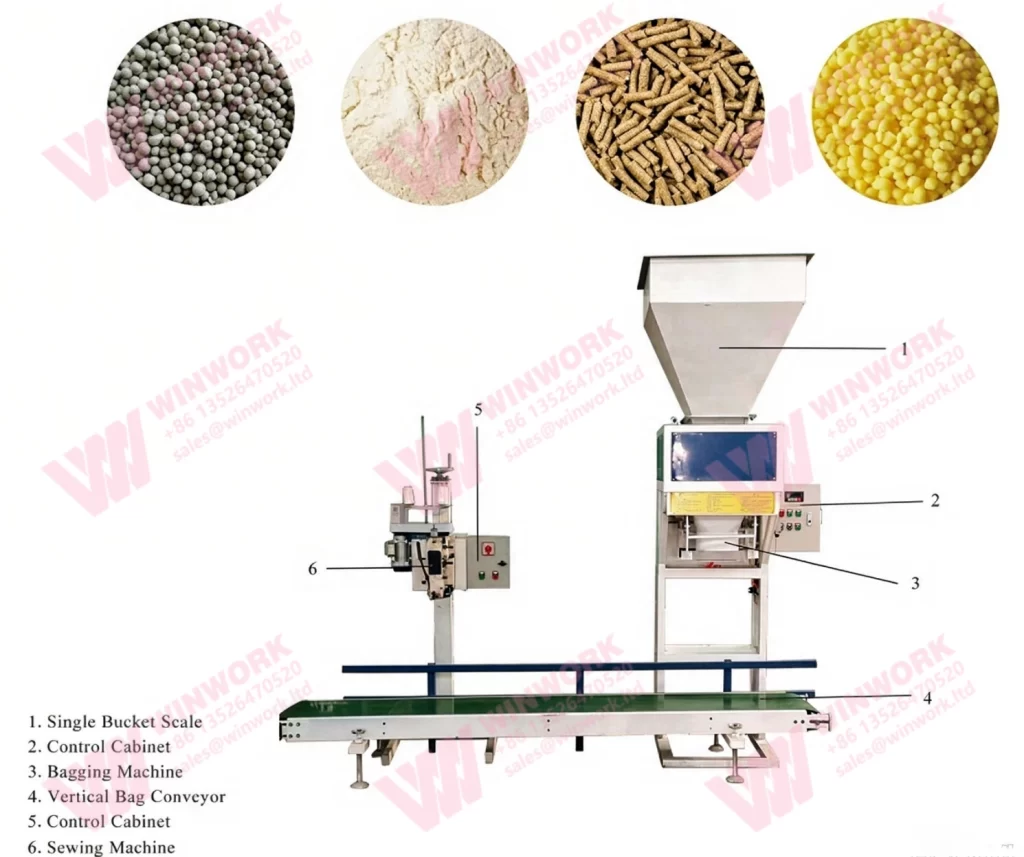
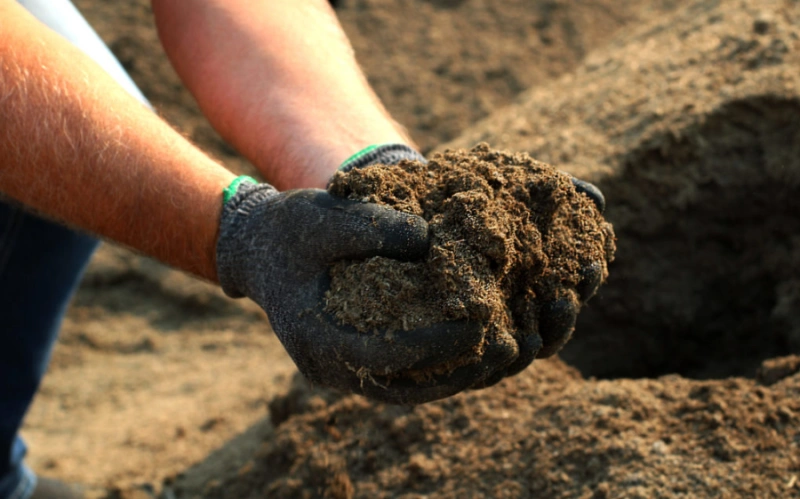
Packaging requirements vary according to the fertilizer type. Granular compound fertilizer and NPK fertilizer generally require equipment that can feed, weigh, and discharge the material consistently. Organic fertilizer may require additional consideration of moisture content, particle size, and flowability.
The packaging section should also match the output of the preceding equipment. If granulation and screening produce finished fertilizer faster than the packaging area can handle, material may accumulate before bagging. Therefore, packaging capacity should be considered when planning the complete fertilizer production process.
Two Main Types of Fertilizer Packaging Machines
Fertilizer packaging equipment can generally be divided into two categories: semi-automatic and fully automatic systems. The main difference is the level of automation involved in feeding, weighing, bag handling, filling, and finished-bag transfer. The exact functions depend on the machine model and its auxiliary equipment.
Semi-automatic systems may suit plants that can arrange operators for certain packaging steps or have moderate packaging requirements. Fully automatic systems can integrate more operations, helping reduce repetitive manual tasks and coordinate the packaging workflow.
Neither category is automatically the right choice for every project. Buyers should compare actual output, bag specifications, labor arrangements, investment budget, and future production plans before making a decision.
Semi-Automatic Fertilizer Packaging Machines
Semi-automatic packaging equipment is an option for fertilizer plants that need controlled weighing and bagging while retaining some manual operations. Depending on the design, an operator may need to position an empty bag, start a cycle, remove a filled bag, or complete the sewing and sealing process.
Within this category, single-hopper and double-hopper configurations offer different approaches to the weighing and discharge cycle.
Semi-Automatic Single-Hopper Packaging Machine
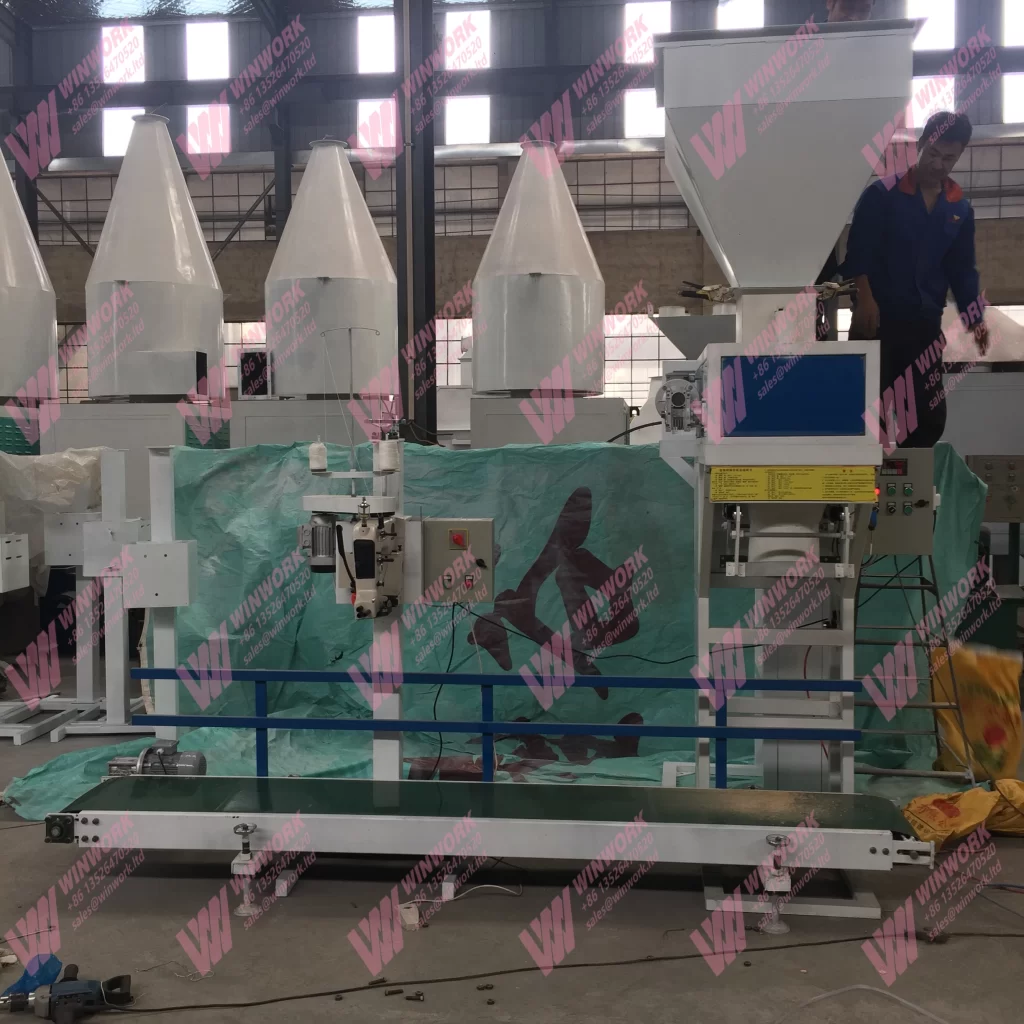
A semi-automatic single-hopper packaging machine uses one weighing hopper to measure fertilizer before discharging it into a bag. Its operating process is relatively straightforward, and it may be suitable when the required packaging output can be met by one weighing cycle at a time.
This configuration can be considered for smaller operations, moderate packaging demand, or plants where operators are available to handle bag placement and finished-bag removal. Buyers should confirm the target bag weight, expected bags per hour, weighing accuracy, and material compatibility with the supplier.
Semi-Automatic Double-Hopper Packaging Machine
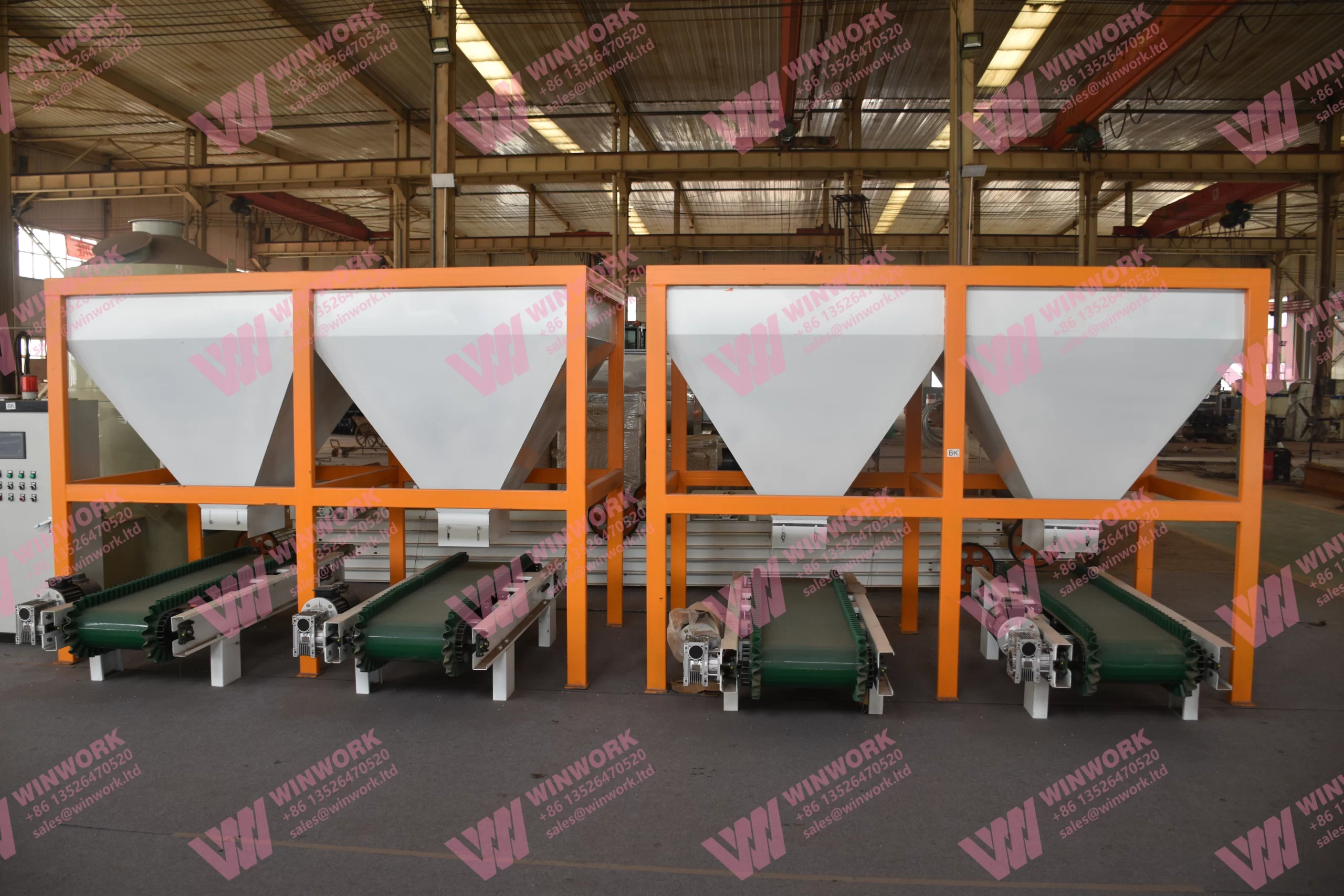
A semi-automatic double-hopper packaging machine uses two hoppers in its feeding and weighing arrangement. Depending on the machine design, the hoppers may coordinate or alternate their weighing and discharge cycles. This can reduce waiting time between bags when the system is configured for coordinated operation.
A double-hopper model may be worth evaluating when a single-hopper unit does not match the desired packaging rhythm. However, two hoppers do not automatically guarantee a specific increase in capacity. Actual performance depends on material flow, the weighing mechanism, bag handling, control settings, and operator workflow.
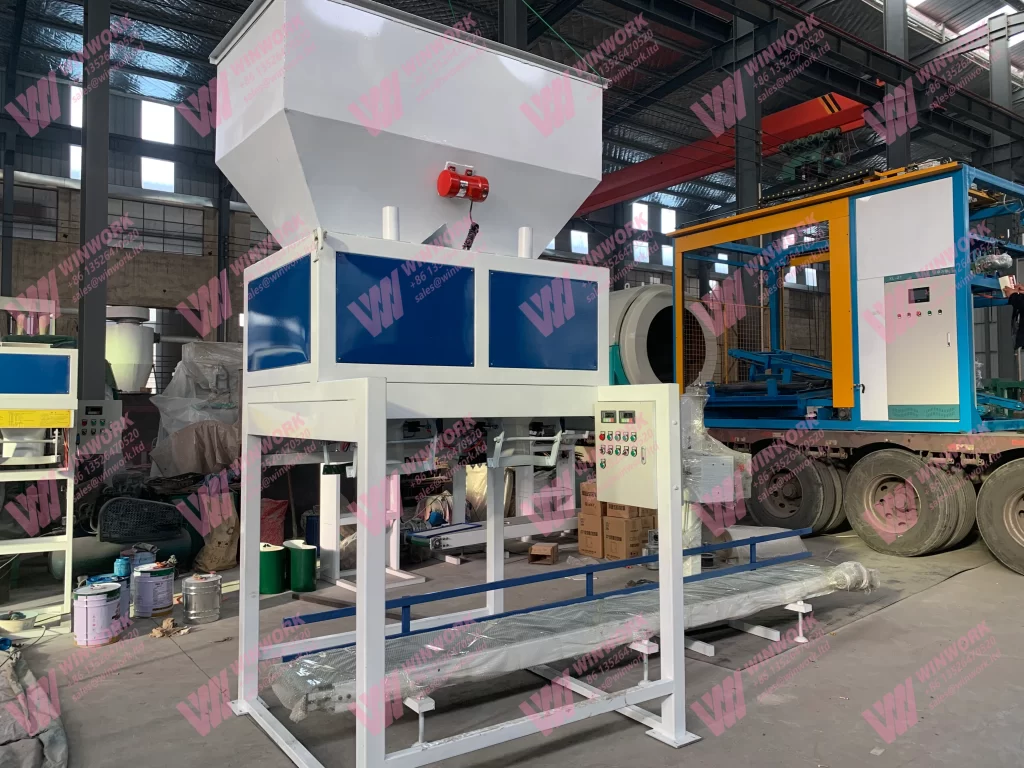
How to Choose Between Single-Hopper and Double-Hopper Models
Consider a single-hopper model when its rated output meets the plant’s needs and the operating process is manageable with the available workforce. Consider a double-hopper model when a coordinated weighing cycle may help improve the packaging rhythm.
Before purchasing either option, request performance information under the intended bag weight and material conditions. Compare maintenance requirements, cleaning access, and the need for additional conveyors or bag-closing equipment. The goal is to choose a configuration that meets actual production needs without paying for capacity that the plant cannot use.
Fully Automatic Fertilizer Packaging Machines
A fully automatic fertilizer packaging machine can coordinate several packaging operations through an integrated control system. Depending on the configuration, these may include automatic weighing, filling, bag handling, conveying, and bag sewing or sealing. The precise level of automation varies, so buyers should confirm which operations are included in the proposed system.
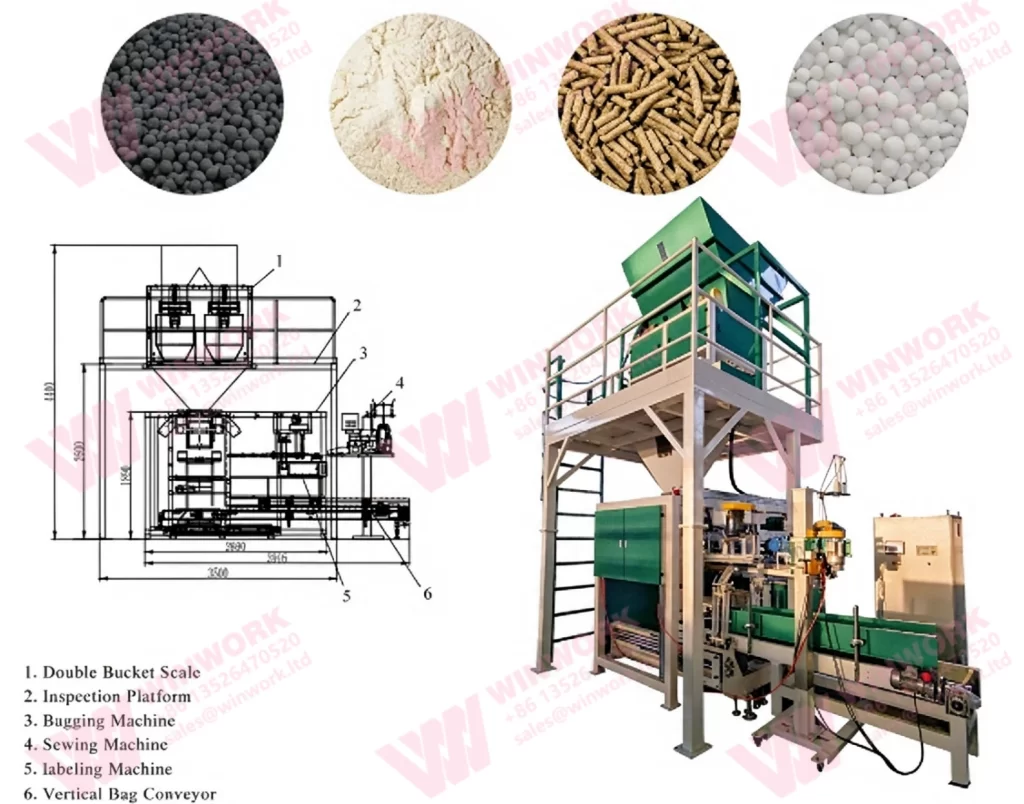
For plants with stable output, frequent bagging operations, or plans to expand production, automation deserves careful consideration. Coordinating multiple steps can reduce repetitive manual work and help maintain a more consistent packaging workflow. It may also make it easier to connect the packaging area with conveyors and other downstream equipment.
The benefits depend on the complete installation rather than the machine name alone. Empty-bag placement, filled-bag transfer, palletizing, and other steps may require separate equipment. A well-matched system should be designed around the plant’s target output, bag size, floor layout, and staffing plan.
Small-Model Fully Automatic Packaging Machine
Small-model fully automatic systems may be suitable for plants that need automated weighing and filling for regular bag sizes. Depending on the model, they can help coordinate material feeding, weighing, and filling, while other operations may still require manual handling or separate equipment.
When evaluating a small-model system, check the supported bag weights, expected bags per hour, weighing accuracy, and compatibility with the fertilizer’s particle size and flowability. Also confirm whether the machine automatically supplies empty bags and whether sewing or sealing is included.
For manufacturers who want to reduce repetitive bagging tasks without installing a large packaging system, a properly configured small-model automatic unit may be a practical option. Its capacity should still be matched to the output of the upstream production line.
Fully Automatic Big Bag Packaging Machine
A big bag packaging machine, also called a jumbo bag filling machine, is designed for fertilizer packed in large-capacity bags. It serves a different purpose from equipment designed for smaller retail or distribution bags. Depending on the configuration, the system may include weighing, bag support, filling, and material-transfer arrangements.
Big bag packaging can be considered when customers or distribution channels require bulk packaging. Buyers should confirm the supported bag size and weight, loading method, weighing accuracy, operator access, and the equipment needed to move filled bags safely.
Automation can help coordinate filling and weighing, but the complete workflow still matters. Forklifts, conveyors, or other handling equipment may be needed depending on the plant layout and the final packaging arrangement.
Semi-Automatic vs. Fully Automatic Packaging
When comparing packaging options, purchase price is only one factor. A semi-automatic unit may require a lower initial investment, while a fully automatic system may reduce repetitive manual work and coordinate more packaging steps. Which option provides better value depends on the actual production schedule and operating costs.
For a plant with modest packaging needs and available workers, a semi-automatic single-hopper or double-hopper system may be sufficient. For a plant with regular output, higher packaging demand, or plans for future expansion, a fully automatic solution may be worth evaluating because it can support a more coordinated workflow.
Compare the following factors before making a decision:
- Production output: Confirm the rated capacity at the target bag weight.
- Labor requirements: Identify which tasks will still need manual handling.
- Packaging format: Decide whether the plant needs standard bags, big bags, or both.
- Material characteristics: Consider moisture, particle size, bulk density, and flowability.
- Integration: Check compatibility with conveyors, bag closers, and other equipment.
- Future plans: Consider whether packaging requirements may increase as production grows.
Fertilizer Packaging Across Different Production Lines
Packaging should be planned as part of the overall fertilizer production system, not as an isolated purchase. The fertilizer type, processing method, finished-product capacity, and bag specifications all affect the appropriate packaging configuration.
For compound fertilizer projects, packaging follows the required processing stages and the production of finished granules. Readers planning a complete project can explore WINWORK’s compound fertilizer production line to understand how packaging equipment fits into a wider equipment arrangement.
Organic fertilizer may vary in moisture content and particle characteristics, so these factors should be considered when choosing feeding and weighing equipment. For related plant configurations, see WINWORK’s organic fertilizer production line, which includes packaging equipment among the possible supporting systems.
For NPK fertilizer production, the packaging section should match the expected granule output and bagging requirements. The NPK fertilizer production line provides further information about the equipment arrangement for this type of project.
Across all these production lines, the most suitable fertilizer packaging machine is the one that matches the actual material, target output, packaging format, and operating plan. Confirming these details early helps avoid bottlenecks and unnecessary investment.
Conclusion: Choosing the Right Fertilizer Packaging Machine
Choosing a suitable fertilizer packaging machine involves balancing production capacity, labor requirements, packaging format, and long-term operating goals. Semi-automatic single-hopper and double-hopper machines can serve plants that need controlled weighing and bagging with some manual involvement. Small-model fully automatic systems and big bag packaging machines provide other options for plants with different packaging formats and automation needs.
For manufacturers focused on consistent production, reducing repetitive manual work, and preparing for future expansion, fully automatic packaging deserves particular attention. The final decision should be based on verified machine performance, fertilizer properties, and the requirements of the complete production line rather than automation level alone.
For more details, please feel free to contact us.
Email: sales@lanesvc.com
Contact number: +8613526470520
Whatsapp: +8613526470520
Get A Quote