

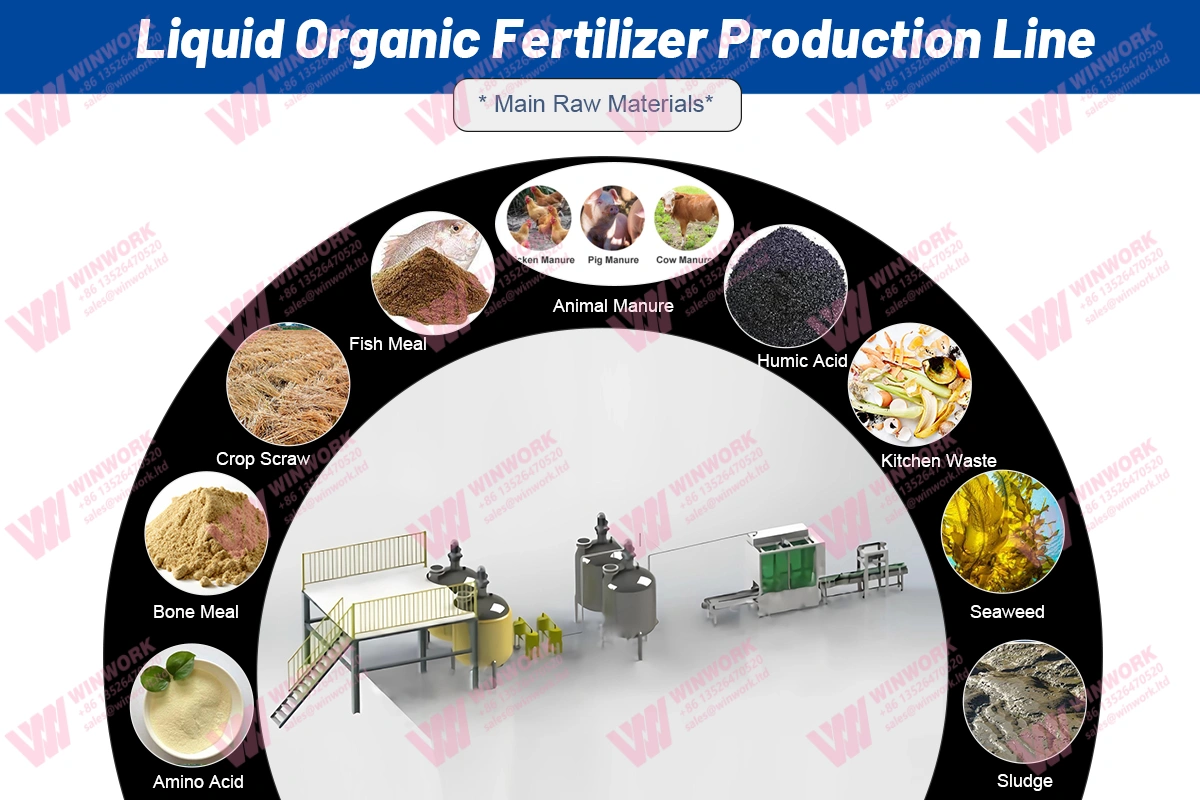
If you run a distillery, brewery, or ethanol plant, you know the headache all too well. For every gallon of spirit or fuel alcohol you make, you get pounds and pounds of wet, messy, sour-smelling leftover grain. For decades, managers have seen this “distiller’s grain” as a costly liability—something to give away cheap, spread on fields raw (and risk runoff), or pay to landfill. But the smart operators have figured it out. That “waste” isn’t waste; it’s a goldmine of nutrition. We are talking about Producing high-protein feed fertilizer using distiller’s grains.
This isn’t just about getting rid of a byproduct; it’s about transforming it into a dual-purpose, high-value agricultural input. Producing high-protein feed fertilizer using distiller’s grains means taking that nutrient-rich, fibrous residue (loaded with protein, fats, and minerals), stabilizing it, and turning it into a product that can be fed to livestock or spread on fields as a potent organic fertilizer. If you want to solve your waste disposal crisis and add a serious revenue stream to your operation, you need to understand how Producing high-protein feed fertilizer using distiller’s grains works.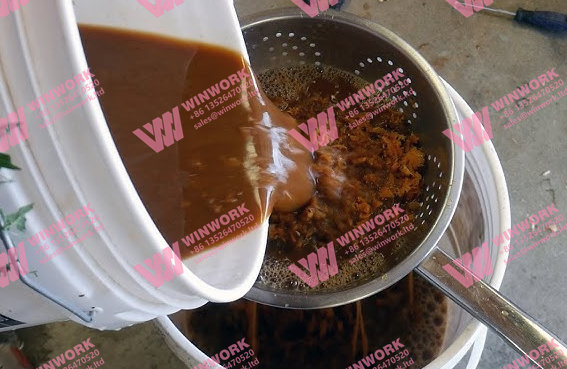
What Exactly Are Distiller’s Grains?
Before we talk about making feed or fertilizer, let’s clarify the raw material. When you ferment grains (corn, wheat, sorghum, barley) to make alcohol, the yeast eats the starch and sugar to produce ethanol. What’s left over is the grain kernel’s structural parts: the bran, the germ, and the protein matrix. This is distiller’s grain.
It is naturally high in protein (often 25% to 35% crude protein), high in fat and fiber, and packed with B-vitamins and minerals like phosphorus. The problem? Fresh “wet” distiller’s grain is about 65% to 75% water. It spoils in days, it’s heavy and expensive to transport, and it can be acidic. That’s why Producing high-protein feed fertilizer using distiller’s grains almost always starts with a drying or stabilization step. You need to remove that excess water to unlock the value.
Why Bother? The Big Benefits of Producing High-Protein Feed Fertilizer Using Distiller’s Grains
You might ask, “Why not just sell it wet to the local dairy farmer down the road?” Here is the straight talk on why processing it is the better move:
You Solve the Spoilage and Transport Headache
Wet cake spoils in less than a week, limiting your market to a 50-mile radius. By drying it or fermenting it into a stable product, you can store it for months and ship it anywhere. Producing high-protein feed fertilizer using distiller’s grains turns a hyper-local disposal problem into a national or even international commodity.
You Create a Premium, Dual-Use Product
This is the unique selling point. The product you make can often be used as a protein supplement in animal feed (replacing expensive soybean meal) OR as a powerful organic fertilizer (thanks to its protein, organic matter, and nutrients). Producing high-protein feed fertilizer using distiller’s grains gives you flexibility. If the feed market is soft, you sell it as fertilizer. If fertilizer prices drop, you sell it as feed.
Higher Nutrient Density and Safety
Raw wet grain can contain residual alcohol and acids that can upset animal stomachs. Through drying, fermentation, or enzymatic treatment (part of Producing high-protein feed fertilizer using distiller’s grains), you stabilize the product, reduce anti-nutritional factors, and make the nutrients more “available” to the animal or the plant.
It’s the Ultimate Recycling Story
You grow grain, you make fuel or spirits, and the leftover feeds the animals or grows the next crop. Producing high-protein feed fertilizer using distiller’s grains is the heart of the bio-based circular economy. It’s sustainable, it’s efficient, and it’s a story that resonates with consumers and regulators.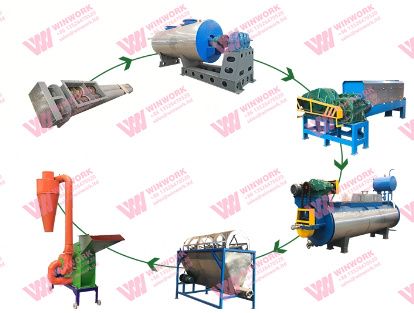
How Does It Work? The Nuts and Bolts of the Process
Alright, let’s get practical. How do you actually turn a pile of wet, sour mash into a bag of marketable feed/fertilizer? The process of Producing high-protein feed fertilizer using distiller’s grains generally follows one of two main paths: the Thermal Drying (DDGS) Method or the Biological Fermentation (Bio-conversion) Method.
Path 1: The Thermal Drying Method (Making DDGS)
This is the classic, large-scale industrial route, producing what the world knows as DDGS (Distillers Dried Grains with Solubles).
Dewatering/Separation: The wet grain slurry first goes through a screw press or centrifuge to remove as much free water as possible.
Evaporation (of the “Solubles”): The thin, nutrient-rich liquid that separates out (the solubles) is often evaporated to a thick syrup. This syrup is then sometimes mixed back with the dewatered wet cake.
Drying: The material enters a rotary drum dryer. Here, hot air (indirectly heated to avoid scorching the protein) removes the moisture, bringing it down to 10-12%.
Cooling and Grinding: The hot, dry material is cooled in a rotary cooler and then ground to a uniform particle size in a hammer mill.
Packaging: The result is a golden-brown, shelf-stable meal. This method of Producing high-protein feed fertilizer using distiller’s grains is efficient for massive volumes but uses significant energy for drying.
Path 2: The Biological Fermentation Method (Making Fermented Feed/Fertilizer)
This is often better for smaller to medium operations, or when you want to add extra value through probiotics.
Pre-treatment: The wet grains might be pressed to remove some water, but not fully dried.
Formulation: You mix the wet grains with a carbon source (like wheat bran or molasses) and a nitrogen source (maybe a little urea) to balance the diet for microbes. You can also add mineral supplements.
Inoculation: You add a starter culture of beneficial bacteria (like Lactobacillus, Bacillus subtilis) and yeasts.
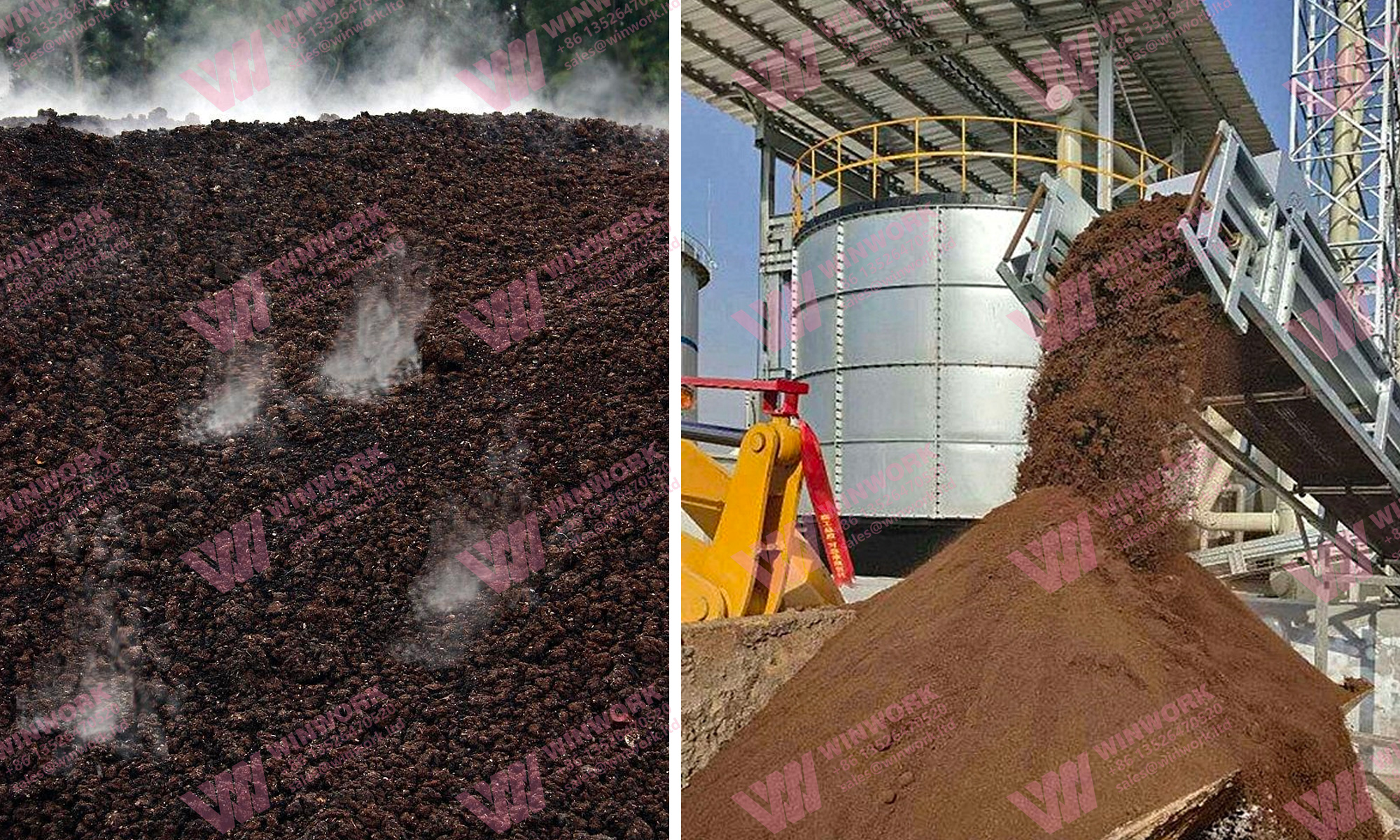
Solid-State Fermentation: The mixture is packed into silos, bags, or pits and allowed to ferment anaerobically or aerobically for several days. The microbes eat the sugars, lower the pH (preserving it), break down fiber (making it more digestible), and synthesize additional B-vitamins and enzymes.
Drying (Optional): The fermented product can be used “wet” (if sold locally) or partially dried for longer shelf life.
Grinding/Pelleting: It is ground or made into pellets. This method of Producing high-protein feed fertilizer using distiller’s grains is lower in energy cost, adds probiotic value, and can improve the amino acid profile.
The Gear You Need: What Equipment is Essential?
You can’t do this efficiently with a shovel and a tarp. Producing high-protein feed fertilizer using distiller’s grains requires some key machinery to handle the abrasive, fibrous, and wet nature of the raw grain.
The Screw Press / Decanter Centrifuge: To do the initial dewatering. Removing water mechanically is far cheaper than using heat. This machine is vital for Producing high-protein feed fertilizer using distiller’s grains.
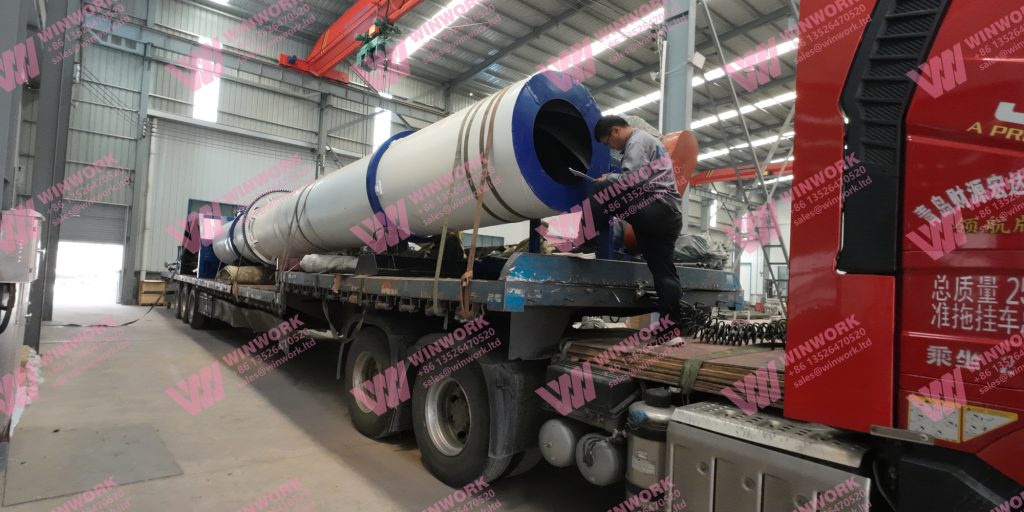
The Rotary Drum Dryer (for DDGS route): A large, insulated rotating cylinder with a combustion furnace. It needs to be well-designed to avoid overheating the protein (which reduces its feed value). Indirect heat dryers are often preferred.
The Hammer Mill / Crusher: To grind the dried or fermented material to a consistent particle size. Uniformity is key for both feed (animal intake) and fertilizer (even spreading).
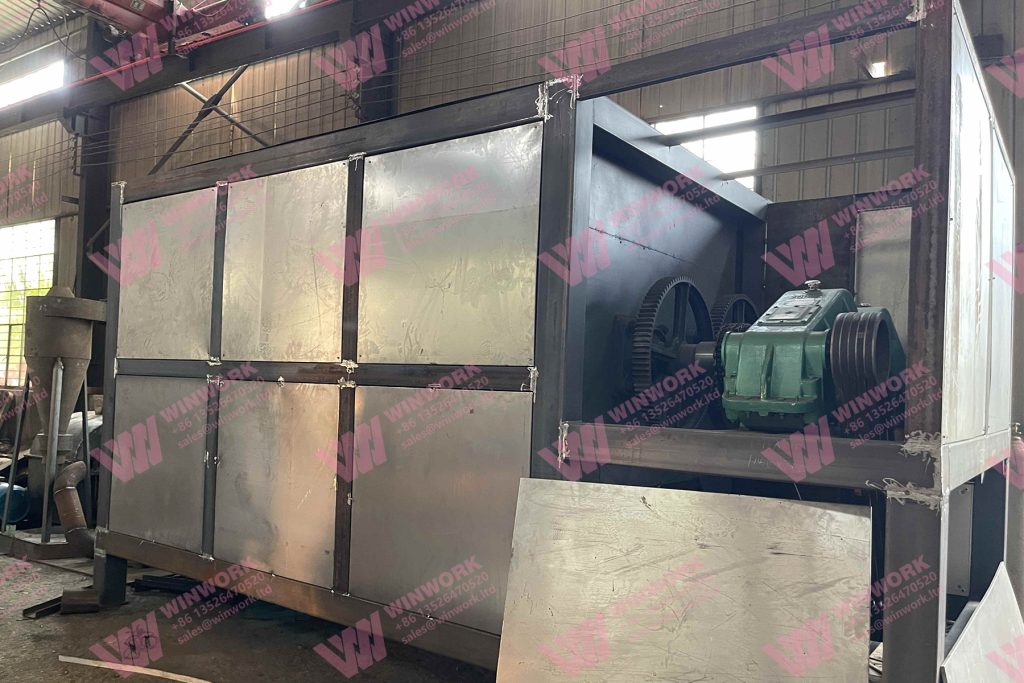
The Mixer (Ribbon or Paddle): For the fermentation route, you need a heavy-duty mixer to blend the wet grains with additives and inoculants evenly.
The Fermentation Tanks / Silos: For the biological route, you need sealed containers where you can control the environment (temperature, sometimes aeration) for the fermentation to happen.
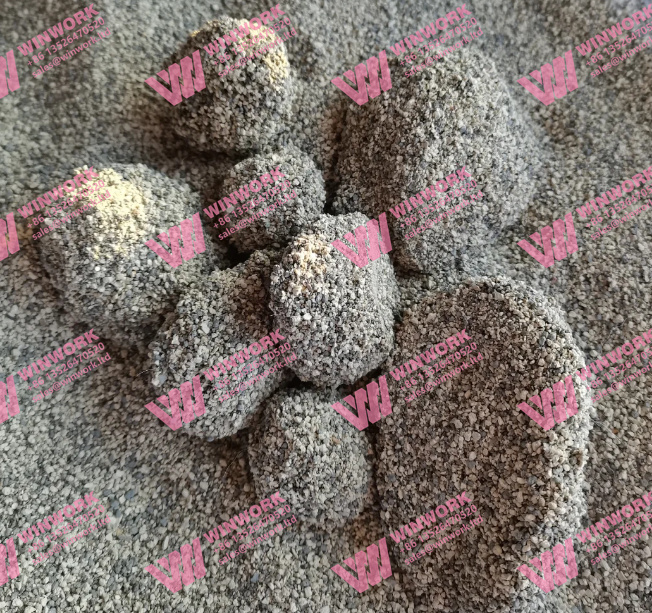
The Pellet Mill (Optional): To turn the meal into pellets. Pellets are dust-free, easier to handle, and often preferred by feed mills and some fertilizer blenders.
The Cooler and Screener: After drying or pelleting, you need to cool the product and screen out any fines.
The Packaging Machine: An automatic weighing and filling machine for bags or totes.
Each piece of equipment plays a vital role. Skimping on dewatering makes your dryer energy bill astronomical. Skimping on grinding leads to a product animals sort through (picking out the good bits) or that doesn’t spread well in a field. Producing high-protein feed fertilizer using distiller’s grains is a mechanical and biological system, and every part needs to be robust.
FAQ: Your Questions About Producing High-Protein Feed Fertilizer Using Distiller’s Grains Answered
We know you’ve got questions. Here are the answers to what people ask us most about Producing high-protein feed fertilizer using distiller’s grains.
Q: Is the product safe? Can it contain mycotoxins or pathogens?
A: This is a valid concern, especially with feed. Proper Producing high-protein feed fertilizer using distiller’s grains includes quality control. The distillation process itself already reduces some risks. Drying to low moisture (<12%) inhibits microbial growth. Fermentation (path 2) lowers pH and competes out bad bacteria. However, you should test raw grains and finished product for mycotoxins (like aflatoxin) if it’s going into animal feed. For fertilizer use, this is less of a concern.
Q: What’s the difference between this and just spreading wet grain on a field?
A: Huge difference. Raw wet grain is acidic, can tie up nitrogen in the soil as it breaks down, and if applied too heavily, can cause nutrient runoff (especially nitrogen and phosphorus) into waterways, leading to algae blooms. Processed product from Producing high-protein feed fertilizer using distiller’s grains is stable, has a known nutrient analysis, and is easier to apply at the correct rate, reducing environmental risk.
Q: Which method is better: Drying or Fermentation?
A: It depends on your scale and goals. Drying (DDGS) is better for very large, continuous operations shipping globally. It makes a consistent, shelf-st, high-protein feed ingredient. Fermentation is often better for medium operations, uses less energy, can be done in batches, and adds probiotic value, which can be marketed as a “functional feed” or a “biological fertilizer.”
Q: How much does it cost to set up?
A: A full-scale DDGS drying line is a significant capital investment (hundreds of thousands to millions, depending on capacity). A fermentation-based system for Producing high-protein feed fertilizer using distiller’s grains can often be set up for less, especially if you use existing silos or simple batch equipment. However, you must weigh the setup cost against the value of the product you sell and the money you save on waste disposal fees. The ROI is often very strong because the raw material (the grain) is essentially free or negative-cost.
Q: Can I really sell it as both feed AND fertilizer?
A: Yes, but usually with different branding and perhaps slight differences in processing. As a feed, you emphasize the crude protein, amino acid profile, and digestibility. As a fertilizer, you emphasize the organic matter, NPK content (especially N and P), and soil conditioning properties. Producing high-protein feed fertilizer using distiller’s grains gives you a product that sits uniquely in both worlds.
Conclusion: Don’t Let the Grain Go to Waste
The brewing and ethanol industry is maturing. Making the product is only part of the battle; managing the coproduct is the other part. Producing high-protein feed fertilizer using distiller’s grains is more than just a waste management strategy; it is a value-added diversification that can determine the economic viability of your entire plant.
By embracing this technology, you close the loop. The grain grows, it makes fuel or spirits, and the leftover feeds the animals or grows the next crop. It’s the ultimate nutrient recycling story. Producing high-protein feed fertilizer using distiller’s grains transforms a liability into an asset, a problem into a product, and a cost into a profit. It’s time to look at that pile of wet mash not as a headache, but as the start of your next great batch of high-protein gold. Make the shift today.
For more details, please feel free to contact us.
Email: sales@lanesvc.com
Contact number: +8613526470520
Whatsapp: +8613526470520
Get A Quote