

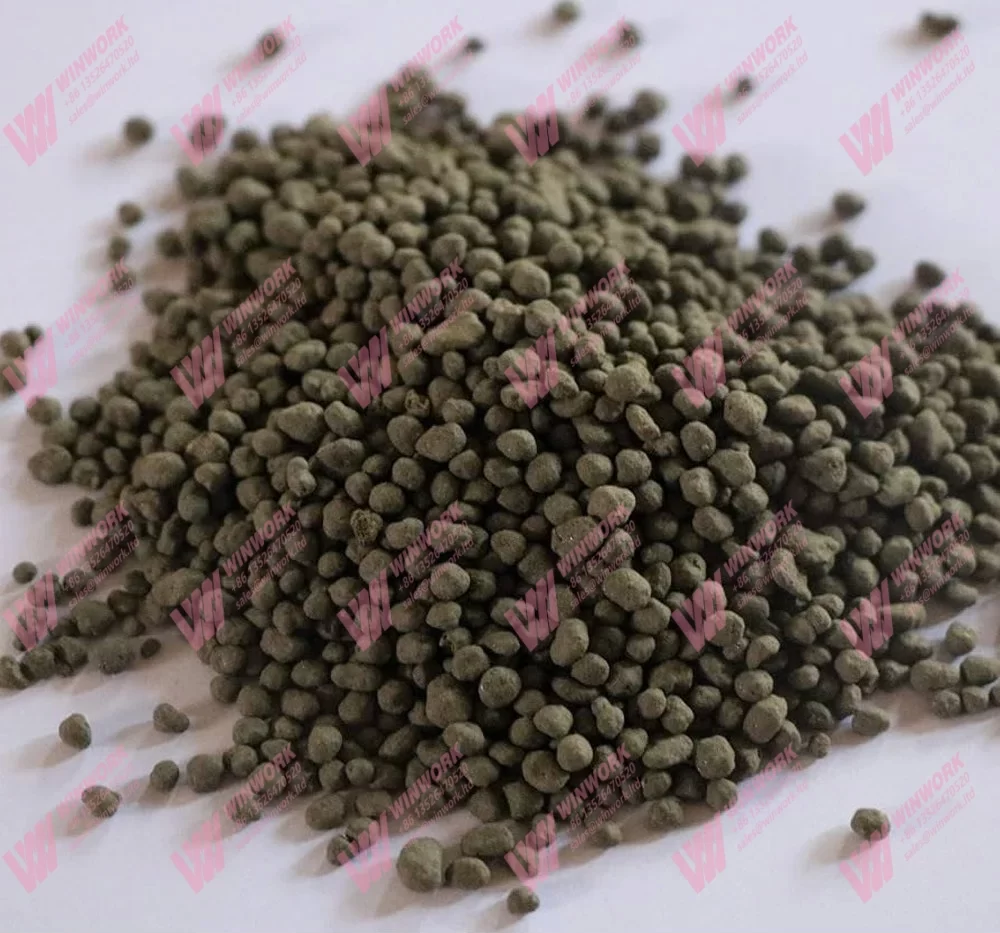
Introduction
Let’s be honest. If you raise livestock, you have a manure problem. It’s smelly, it’s bulky, and if you don’t handle it right, it’s a regulatory nightmare. But what if I told you that pile of “problem” is actually a pile of cash? The secret isn’t just letting it rot; it’s knowing how to turn manure into fertilizer. This isn’t some complicated chemical wizardry—it’s a straightforward process of managing biology to create a stable, nutrient-rich product that your soil will love.
Step 1: The Foundation – It All Starts with Composting
The absolute core of how to turn manure into fertilizer is composting. You can’t just bag up fresh manure and sell it; it’s too “hot” (high in ammonia), it smells terrible, and it will burn your plants. Composting is the controlled process of letting microbes break down the manure into a stable, soil-like substance called humus.
The magic formula for how to turn manure into fertilizer is simple: Carbon + Nitrogen + Air + Water = Black Gold.
Nitrogen (Greens): Your manure.
Carbon (Browns): Straw, sawdust, wood chips, or dried leaves.
Air: Oxygen for the good microbes.
Water: Moisture for the microbes to live and work.
How to Turn Manure into Fertilizer? Composting can be classified into several types, let’s see some core models.
Crawler compost turner is an advanced compost turning equipment, specially designed for compost fermentation process, with the advantages of high efficiency, stability, easy operation and so on.
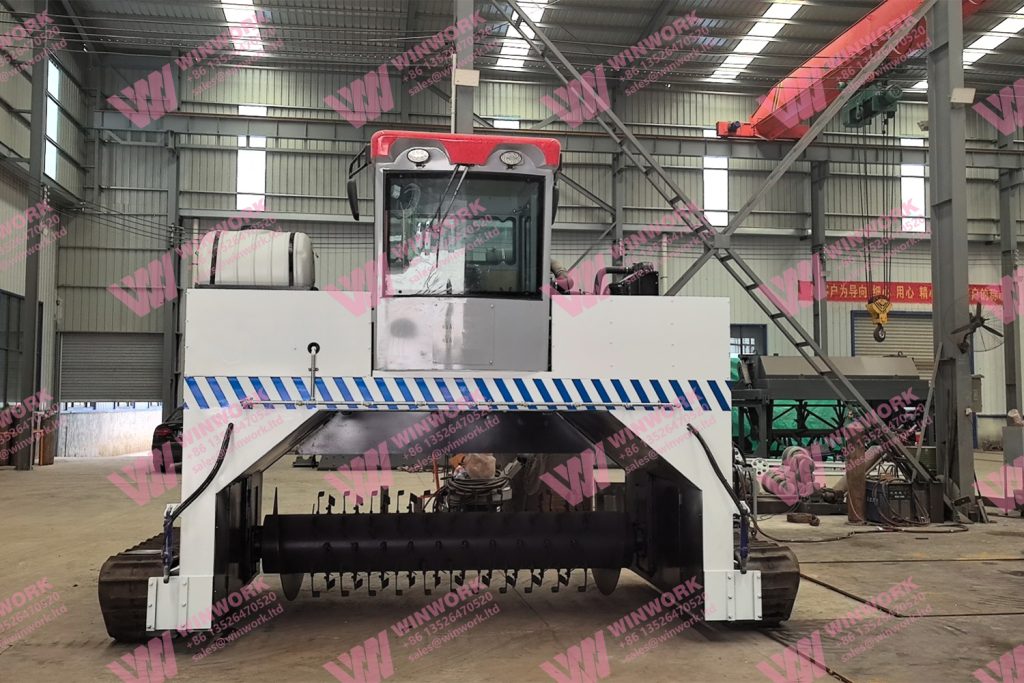
Crawler compost tumbler realizes automatic operation through crawler walking system, which is the necessary equipment for producing organic fertilizer granules and widely used in organic fertilizer production line.
Crawler compost turner can not only quickly improve the fermentation efficiency of materials, but also effectively improve the quality of compost, is the first choice of modern compost production equipment.
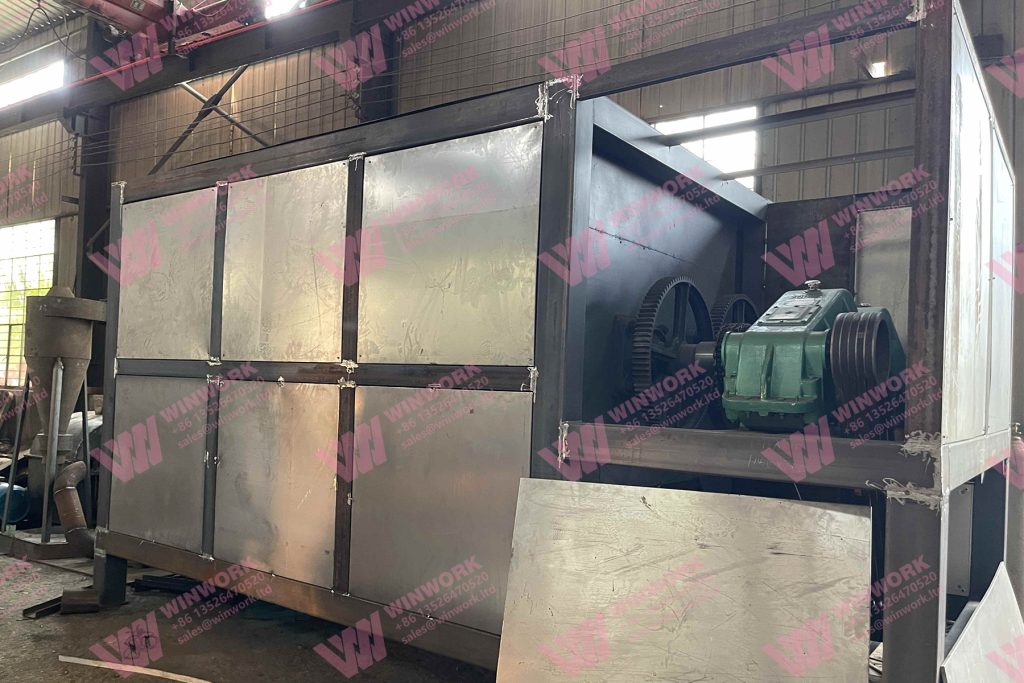
How to Turn Manure into Fertilizer? The Horizontal Fermentation Tank is a state-of-the-art equipment designed for the effective aerobic fermentation of organic waste, agricultural residues, sludge, and other compostable materials. Unlike vertical tanks, the horizontal design allows for larger capacity and more uniform fermentation.
The Horizontal Fermentation Tank is widely used in the production of organic fertilizers and compost, offering numerous advantages in terms of efficiency, control, and environmental impact.
How to Turn Manure into Fertilizer? The Vertical Fermentation Tank is a specialized unit designed for efficient aerobic fermentation of organic waste, agricultural residues, sludge and other compostable materials. This fermenter features a vertical structure and a compact design that maximizes space utilization while providing excellent mixing and aeration capabilities. It is widely used in the production of organic fertilizers, compost and other bio-products with the advantages of high efficiency and reduced environmental pollution.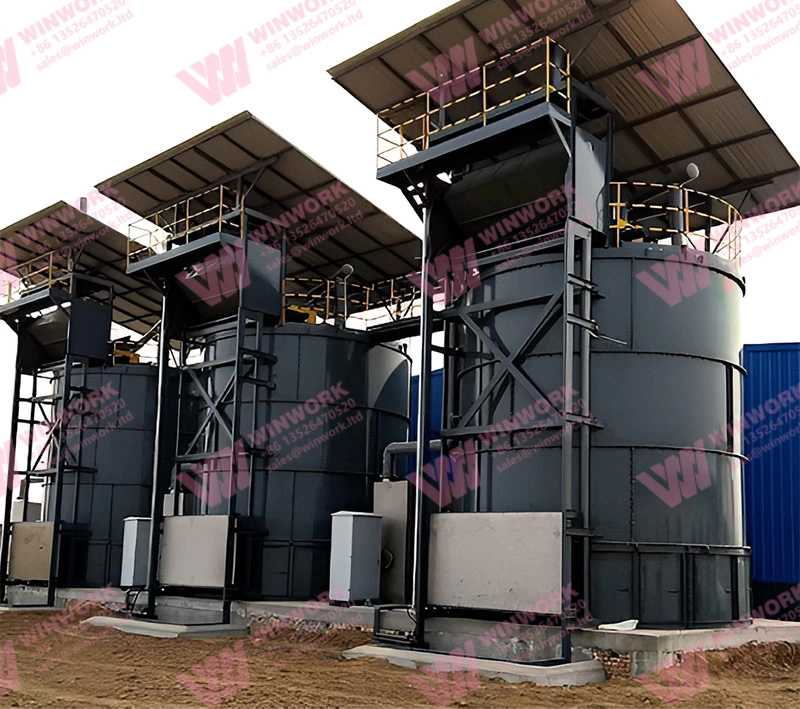
Step 2: The Essential Equipment for the Job
You don’t need a million-dollar factory, but you do need the right tools to do it right. Here’s your shopping list for how to turn manure into fertilizer efficiently:
How to Turn Manure into Fertilizer? A Compost Turner: This is your most important tool. Whether it’s a small walk-behind unit or a large tractor-pulled rig, its job is to fluff up the pile, adding oxygen. This is what prevents the pile from going anaerobic (and smelling like a sewer).
A Solid-Liquid Separator: Raw manure is often a sloppy slurry. This machine squeezes out the excess water, giving you a stackable solid cake (perfect for composting) and a liquid fertilizer (great for irrigating fields).
A Crushing Machine: If you’re adding woody materials like branches, you’ll need a wood chipper or crusher to make them small enough for microbes to break down quickly.
How to Turn Manure into Fertilizer? A Mixer: To ensure your carbon and nitrogen sources are perfectly blended before composting begins.
A Screening Machine: After composting, you’ll have some finished product, some unfinished chunks, and maybe some stones. A screener sorts it all out, giving you a clean, uniform final product.
Step 3: The Step-by-Step Process of How to Turn Manure into Fertilizer
Ready to get your hands dirty? Here is the practical, no-nonsense process for how to turn manure into fertilizer:
Collect and Separate: Gather your raw manure. If it’s a wet slurry, run it through a solid-liquid separator first. You want that solid cake.
Build Your Pile: Create a mound with layers of manure and your “brown” carbon source (like straw). Aim for a pile that’s at least 3×3 feet—big enough to hold heat, but not so big you can’t turn it.
Monitor Moisture: The pile should feel like a wrung-out sponge. Too wet? Add more browns. Too dry? Sprinkle with water.
How to Turn Manure into Fertilizer? Turn, Turn, Turn: Every 3-5 days for the first two weeks, use your compost turner to flip the pile. This adds oxygen, which fuels the microbes and generates heat (up to 160°F!). That heat is what kills weed seeds and pathogens.
Cure and Finish: After the pile stops heating up (usually after 3-4 weeks of active turning), let it sit for another month to “cure.” This is a critical step in how to turn manure into fertilizer—it makes the nutrients stable and available to plants.
Screen and Bag: Run the finished compost through a screener to remove any large, unbroken pieces. What’s left is a beautiful, dark, crumbly fertilizer ready to use or sell.
The Payoff: The Benefits of Doing It Right
Investing the time and equipment into how to turn manure into fertilizer pays off in ways you can see and count.
Massive Cost Savings: You stop buying commercial fertilizer. For a farm, this can save tens of thousands of dollars a year.
Superior Soil Health: This isn’t just fertilizer; it’s a soil amendment. It adds organic matter, improves water retention in sandy soils, and improves drainage in clay soils.
Environmental Compliance: Properly composted manure doesn’t smell or leach nitrates into waterways. How to Turn Manure into Fertilizer? You’ll stay on the right side of environmental regulations.
New Revenue Stream: Got more fertilizer than you need? Bag it up and sell it to local gardeners, nurseries, or landscapers. People will pay top dollar for high-quality, locally-made organic fertilizer.
Weed and Disease Control: The high heat of a properly managed compost pile kills 99% of weed seeds and harmful pathogens like E. coli.
Real Farm Example
The Johnsons run a 200-cow dairy. For years, they sprayed raw manure slurry on their fields, but it smelled awful and they were facing fines. They decided to learn how to turn manure into fertilizer the right way.
They bought a solid-liquid separator and a mid-sized compost turner.
They started mixing the solid manure cake with sawdust from a local mill.
Within 60 days, they had a mountain of beautiful compost.
They cut their commercial fertilizer bill by 80%. They now sell the excess to a regional vegetable grower. How to Turn Manure into Fertilizer? “Learning how to turn manure into fertilizer didn’t just save us money; it cleaned up our operation and gave us a new customer,” says owner Sarah Johnson.
FAQ: Your Questions About How to Turn Manure into Fertilizer Answered
Q1: Can I just let the manure sit in a pile without turning it?
A: You can, but you really shouldn’t. An unturned pile will eventually break down, but it will take twice as long, smell terrible (anaerobic conditions), and won’t kill weed seeds or pathogens. Turning is the key to doing it right.
Q2: What is the best “brown” material to mix with manure?
A: Straw is the gold standard for livestock manure. Sawdust and wood chips also work great. The key is to use something high in carbon to balance the high nitrogen in the manure.
Q3: How do I know when the compost is ready?
A: It will be dark brown or black, crumbly like soil, and have a pleasant, earthy smell. It should not smell like ammonia or rotting eggs.
Q4: Can I use chicken manure?
A: Absolutely. Chicken manure is very high in nitrogen, so you MUST mix it with plenty of carbon (straw/sawdust). It makes an incredibly potent fertilizer once composted.
Q5: Do I need a fancy machine to start?
A: No. You can start with a shovel and a pitchfork. However, if you have more than a few animals, investing in a small compost turner is the best way to make how to turn manure into fertilizer a manageable, daily task.
Q6: Is it okay to add food scraps to the manure pile?
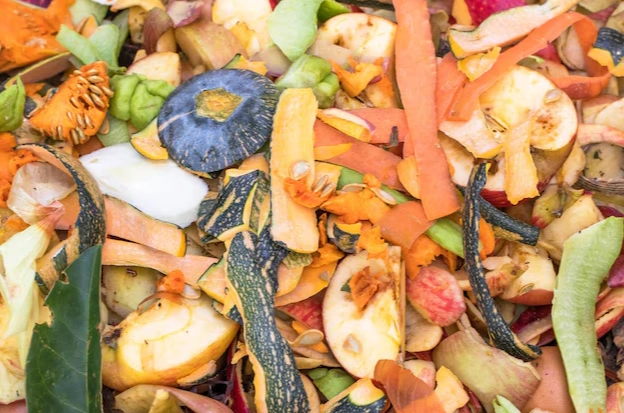
A: Yes, but be careful. Stick to plant-based scraps (vegetable peels, coffee grounds). Avoid meat, dairy, and oily foods as they attract pests and can create foul odors.
Q7: How much does it cost to set up a system?
A: It varies wildly. A small homestead can start for under $500 (basic tools). A commercial farm might invest $20,000-$50,000 for a complete line of separators, turners, and screeners. The ROI is typically less than two years.
Conclusion
That smelly pile of manure isn’t a problem—it’s an opportunity. By mastering how to turn manure into fertilizer, you take control of your farm’s fertility, slash your operating costs, and create a sustainable cycle that benefits your land and your wallet. It’s a simple biological process that pays enormous dividends. Stop seeing waste, and start seeing potential.
For more details, please feel free to contact us.
Email: sales@lanesvc.com
Contact number: +8613526470520
Whatsapp: +8613526470520

Get A Quote