


Introduction
Starting or expanding a fertilizer business sounds attractive when you see the demand for greener lawns, professional landscaping, and convenient lawn care products. But here is the real question: can you turn that demand into a profitable production business?
Successful liquid lawn fertilizer manufacturing requires more than a marketable formula. Producers must also balance production costs, equipment capacity, product consistency, and packaging efficiency.

For companies considering liquid lawn fertilizer manufacturing, the answer depends on more than market demand. Product positioning, raw material costs, production capacity, packaging, and equipment selection all affect the final result. A good product is important, but a production setup that is too expensive, inefficient, or difficult to expand can quickly eat into your margins.
The US market already has established fertilizer brands and experienced lawn care suppliers. That does not mean new opportunities have disappeared. It means new entrants need a clear business plan, while existing producers need to know where better equipment or a more efficient production process can create a real advantage.
Whether you are planning your first production facility or upgrading an operating plant, the goal should be the same: build a manufacturing setup that fits your target market today and leaves room for growth tomorrow.
Is the US Market Still Worth Entering?
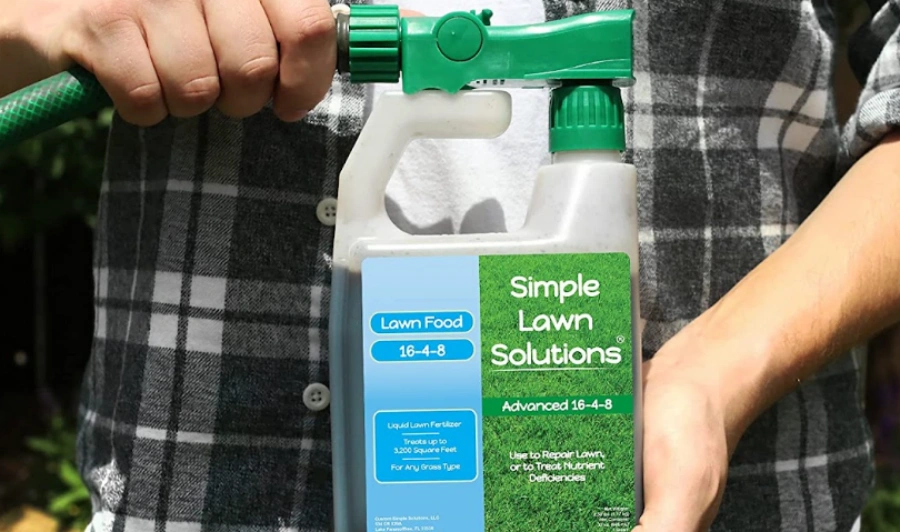
The US lawn care market includes homeowners, landscaping contractors, lawn maintenance companies, golf courses, commercial properties, and professional turf managers. Their requirements are not identical. Some customers prioritize convenience and easy application, while others care more about product performance, consistent results, and cost per application.
This creates opportunities for liquid lawn fertilizer suppliers, but it also makes product positioning essential. Trying to compete with established brands on price alone is rarely a comfortable starting point. A more practical approach is to identify a specific customer group, understand its purchasing habits, and develop a product and distribution strategy around those needs.For new businesses, liquid lawn fertilizer manufacturing is more likely to become sustainable when production capacity matches a clearly defined customer base and realistic sales forecasts.
For example, a business supplying local landscaping companies may need reliable bulk production and flexible delivery arrangements. A brand selling through retail or e-commerce channels may place greater emphasis on bottle sizes, packaging appearance, and filling consistency.
So, should a new investor build a large factory immediately? Not necessarily. The better question is how much production capacity the business can realistically sell. Equipment should support a credible sales plan rather than a production target chosen simply because a larger line looks more impressive.
For established manufacturers, the opportunity may be different. If demand is growing but the current mixing, storage, or filling process is becoming a bottleneck, upgrading selected equipment may be more sensible than rebuilding the entire facility.
What Are the Main Investment Costs and Profit Drivers?
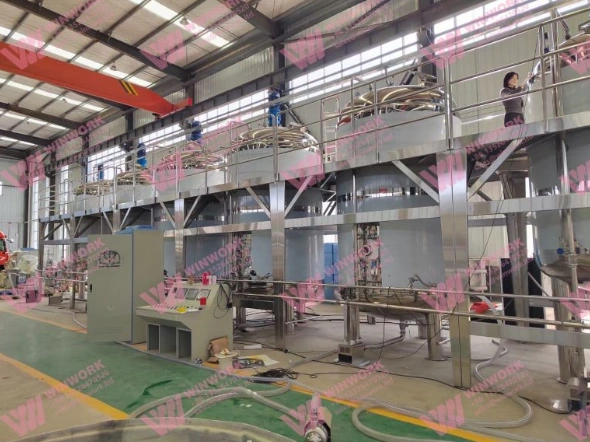
Before investing in liquid lawn fertilizer manufacturing, look beyond the purchase price of the equipment. The total cost of setting up a production operation may include raw materials, storage, mixing equipment, filling and packaging machinery, installation, utilities, labor, quality control, and ongoing maintenance.
The exact investment depends on the product formula, production volume, packaging format, automation level, and local operating conditions. A business producing a few batches for a regional customer base has different requirements from a manufacturer supplying multiple distributors.
Raw materials and formulation
Raw materials influence both production costs and product performance. Nutrient sources, additives, water quality, and other formulation requirements can affect purchasing costs, mixing requirements, and finished-product stability.
A formula that looks profitable on paper may become less attractive if ingredients are expensive, difficult to source consistently, or challenging to handle. Before committing to a production setup, determine which products you intend to manufacture and confirm that the proposed process can handle their actual requirements.
These decisions directly affect liquid lawn fertilizer manufacturing costs, especially when ingredient prices fluctuate or different formulas require different mixing conditions.
Labor, packaging, and production efficiency
Labor and packaging can have a substantial effect on operating costs. If employees must manually transfer materials, move products between tanks, or fill every container with limited automation, production may become difficult to scale as orders increase.
Packaging also matters. Bulk supply, small retail bottles, and larger consumer containers may require different filling arrangements. A filling system that works well for one container type may not be ideal for another.
The important point is that the cheapest machine is not always the lowest-cost solution over time. A machine with insufficient capacity or poor compatibility with the rest of the line may create extra labor, delays, and unnecessary handling.
When evaluating liquid lawn fertilizer manufacturing costs, compare the complete production process rather than looking at individual equipment prices in isolation.
Efficient liquid lawn fertilizer manufacturing therefore depends on coordinating labor, packaging equipment, and production speed rather than minimizing the purchase price of each machine.
Liquid Lawn Fertilizer Manufacturing: Process and Equipment Decisions
The production process should start with the formulation and the required output, not with a machine catalog. What product will you make? How much will you produce per batch or per shift? Will the finished fertilizer be sold in bulk or packaged in bottles? These answers help determine which equipment is necessary.
Although configurations vary by formula and production scale, a typical setup may include material preparation, mixing, temporary or finished-product storage, and filling or packaging.
Mixing tanks: where the production process begins
Mixing equipment is central to many liquid fertilizer operations. It combines the required ingredients under controlled conditions and helps achieve a consistent batch. Tank capacity, agitator design, material compatibility, and the characteristics of the formulation all deserve attention.In liquid lawn fertilizer manufacturing, selecting the right mixing tank helps align batch size, mixing performance, and the production schedule.
A tank that is suitable for one formula may not be the best choice for another. Products with different viscosities, suspended solids, or mixing requirements may need different configurations. This is why production requirements should be discussed before selecting a tank based on capacity alone.
Storage tanks: keeping production and filling in sync
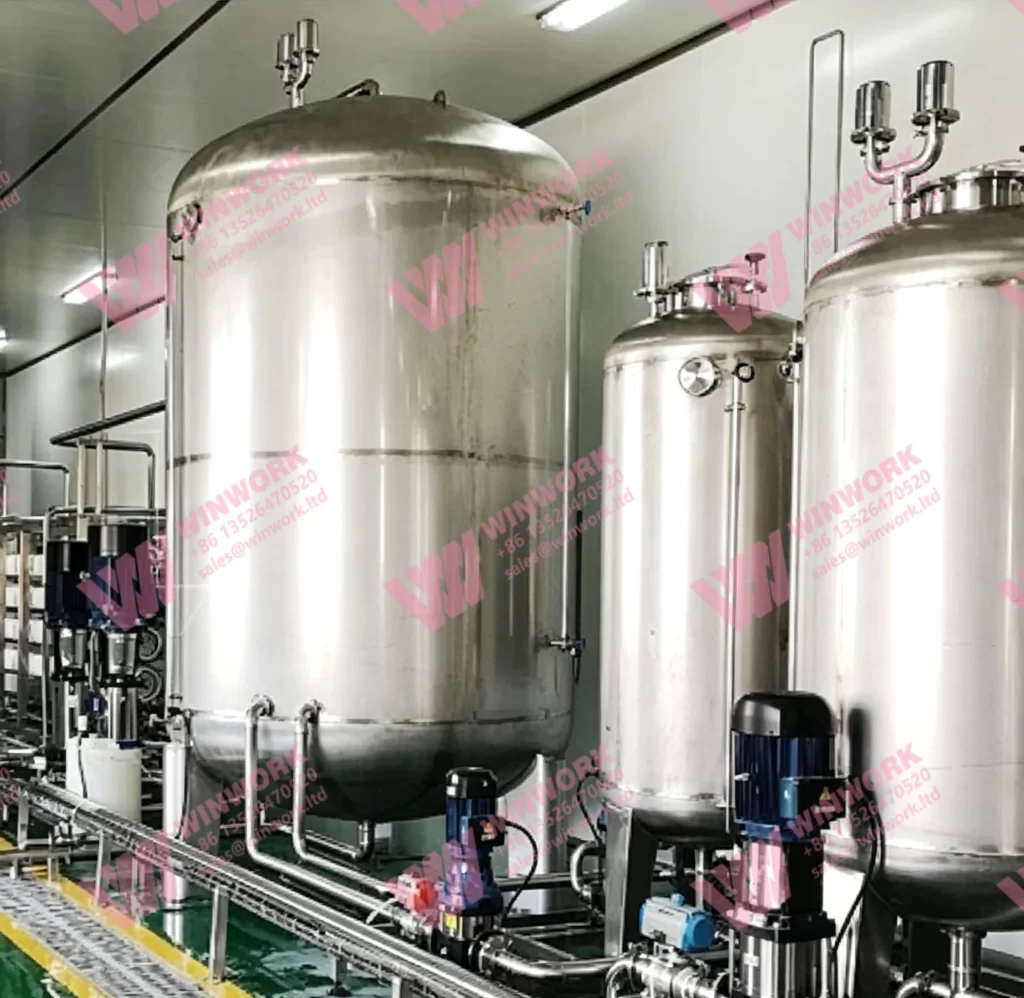
Mixing capacity is only one part of the production calculation. If the filling section cannot keep up with the mixing process, finished product may wait longer than necessary. Conversely, if filling runs faster than the available product supply, the packaging section may sit idle.
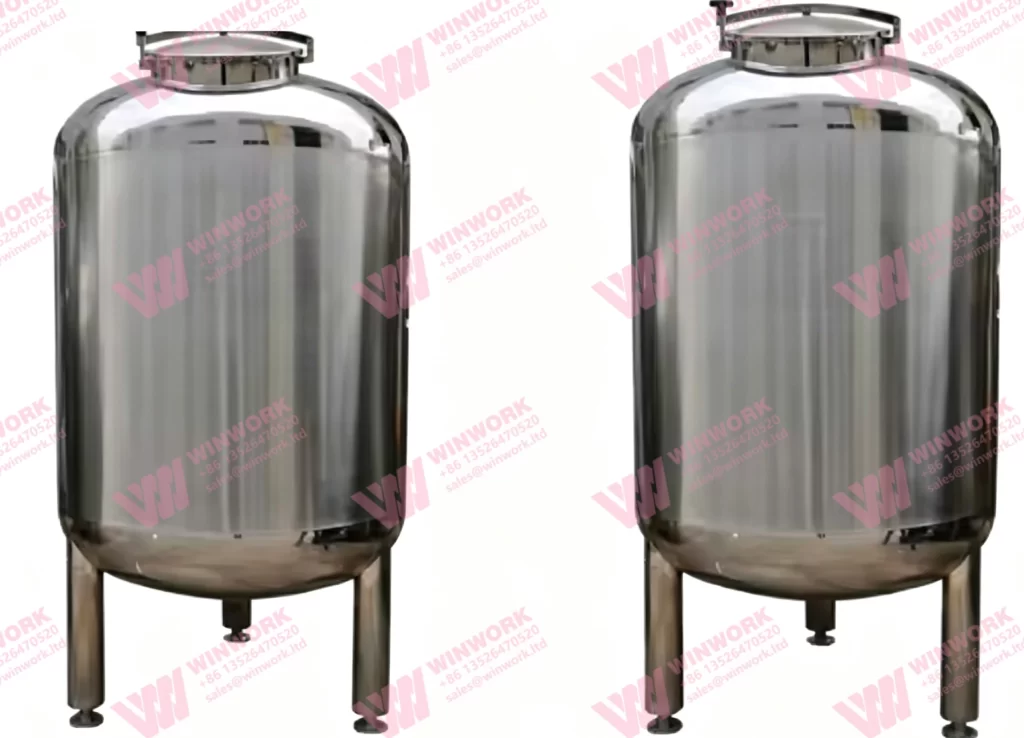
Storage tanks can help coordinate batch preparation, product holding, and filling schedules. Their capacity should be considered alongside the mixing cycle, expected order volume, and delivery arrangements.
For plants handling multiple products, the number of tanks and the way they are assigned to different batches can also influence scheduling and cleaning requirements.
A well-planned storage arrangement can make liquid lawn fertilizer manufacturing more efficient by reducing waiting time between mixing and filling.
Filling equipment: connecting production with sales
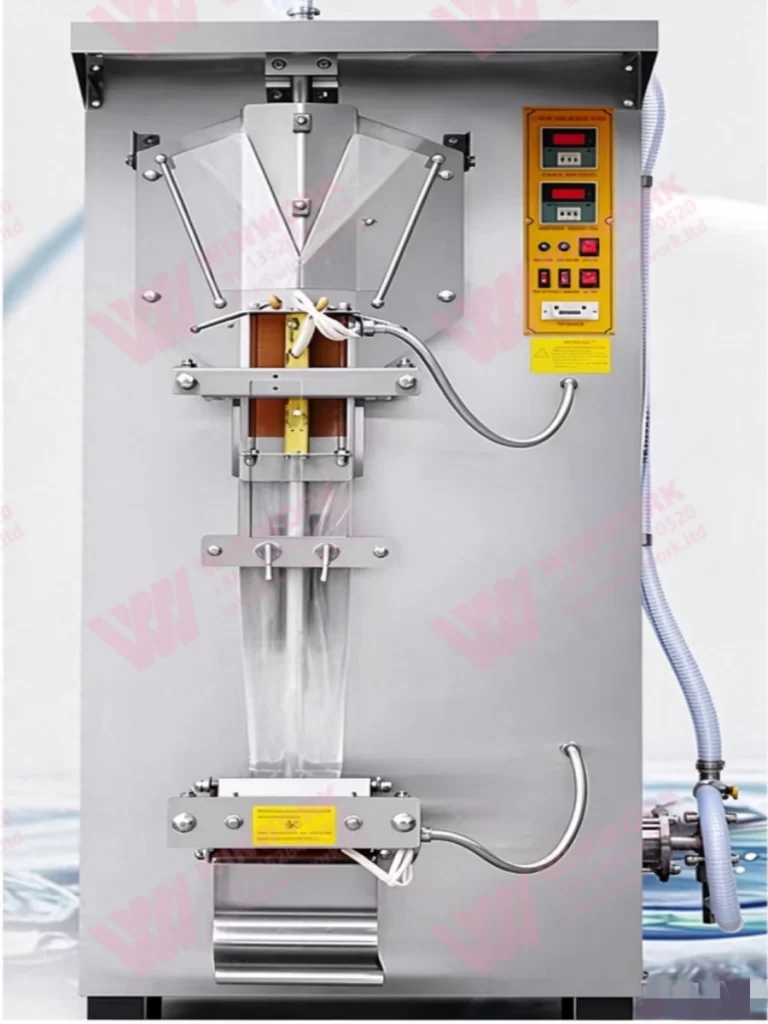
Once the product is ready, filling and packaging become the link between manufacturing and the customer. The right equipment depends on the container type, required output, filling accuracy, and the degree of automation needed.
A small operation serving a local market may start with a simpler filling arrangement. A manufacturer supplying larger order volumes may benefit from a more automated setup that reduces manual handling and helps maintain consistent filling.
When planning a liquid lawn fertilizer manufacturing facility, consider the entire route from mixing to finished packaging. If the filling stage becomes a bottleneck, increasing mixing capacity alone may not improve the plant’s actual output.
For liquid lawn fertilizer manufacturing businesses selling bottled products, filling speed and accuracy can influence labor costs, order fulfillment, and customer satisfaction.
Building a production line that fits the business
A complete line can connect mixing, storage, and filling into a more coordinated workflow. However, a complete solution does not have to mean purchasing every possible machine from day one. The right configuration depends on current demand, available space, labor, and future expansion plans.
For businesses comparing equipment configurations, explore our liquid fertilizer production line to see how a production solution can be organized around the manufacturing process.
Tank and equipment specifications should be confirmed against the actual formulation, output target, cleaning requirements, and site conditions before an order is finalized.
How Existing Producers Can Expand and Improve Efficiency
For an established manufacturer, expanding production is not always a matter of buying a bigger machine. Sometimes the main problem is an imbalance between existing production stages.Reviewing these bottlenecks is an important step in improving liquid lawn fertilizer manufacturing without replacing equipment that still performs well.
Consider a facility where mixing is relatively fast, but filling takes too long. Adding another mixing tank may increase the amount of prepared product without solving the real bottleneck. In this case, improving the filling section or adding suitable storage capacity could offer a more useful result.
The same principle applies to manual handling. If employees spend too much time transferring materials or moving product between stages, a better equipment layout or a more coordinated production line may reduce unnecessary work.
Before upgrading, review several practical questions:
- Which production stage limits the output of the entire facility?
- Are the existing tanks and filling equipment suitable for the products being made?
- Does the current setup allow different batches to be scheduled efficiently?
- Will the proposed upgrade work with existing equipment and available floor space?
- Is the additional capacity supported by expected sales?
These questions help distinguish a genuine production need from an equipment purchase that looks impressive but delivers little improvement.
For manufacturers that need more information about liquid processing and tank options, Reactor’s stainless steel liquid tank can serve as a reference when reviewing storage requirements.
How to Choose the Right Manufacturing Solution
There is no single equipment configuration that suits every liquid lawn fertilizer producer. The best choice depends on the products you plan to manufacture, your current and expected output, and how you intend to sell the finished fertilizer.
For a new business, it may be sensible to begin with a manageable production target and a configuration that can be expanded later. This approach can reduce the risk of investing heavily before demand has been established. However, the initial setup should still support the required product quality and production process.The right liquid lawn fertilizer manufacturing equipment should meet current production requirements while allowing practical upgrades as demand grows.
For an established manufacturer, the priority may be different. You may already have tanks and a customer base, but need to increase output, reduce manual work, or improve the coordination between mixing and filling. In that situation, upgrading selected sections may be more practical than replacing the entire line.
Before requesting a quotation, prepare a few basic details:
- Product requirements: the fertilizer formulas, ingredients, and relevant handling characteristics.
- Production target: expected batch size, daily output, and working hours.
- Packaging format: bulk delivery, bottle sizes, or other packaging requirements.
- Automation level: which tasks should remain manual and which should be automated.
- Site conditions: available space, utilities, cleaning arrangements, and existing machinery.
- Expansion plans: whether output is likely to increase as sales develop.
The more clearly these requirements are defined, the easier it becomes to compare equipment options on a meaningful basis. A supplier can then recommend a configuration that fits the actual project instead of simply quoting a standard machine.
If you are planning liquid lawn fertilizer manufacturing, it is worth discussing your product and production target with an equipment supplier before finalizing your investment budget. This can help identify the equipment you need now, the stages that may require expansion later, and the technical details that should be confirmed before production begins.
Conclusion
The US market offers opportunities for liquid lawn fertilizer suppliers, but a promising market alone does not guarantee a profitable business. Success depends on selecting the right products, understanding operating costs, building a realistic sales plan, and matching production capacity to actual demand.
For new investors, a carefully planned initial setup can help control investment risk. For existing manufacturers, identifying bottlenecks and upgrading the right equipment may create more value than expanding every stage at once.
Ultimately, liquid lawn fertilizer manufacturing should be approached as a complete production decision—not simply the purchase of a mixing tank or filling machine. With a suitable combination of mixing, storage, and packaging equipment, manufacturers can build a production process that meets current needs while leaving room for future growth.
Get A Quote