

Introduction
For most farmers, manure is just another chore—something to collect, store, and spread. But if you’ve ever wondered whether there’s more value hidden in that muck, the answer is yes. The application for livestock manure carbon trading projects lets you convert the greenhouse gases from manure into tradable carbon credits. In simple terms, you get paid for keeping methane out of the atmosphere. This isn’t a distant theory—it’s a practical, profitable strategy that’s gaining traction worldwide.
This demonstrates that you can generate returns not only from obvious opportunities, but also from those often overlooked factors that may yield greater benefits.
What Is a Livestock Manure Carbon Trading Project?
A livestock manure carbon trading project is a formal system that captures methane emissions from manure handling and converts them into carbon credits. Methane is a potent greenhouse gas, more than 25 times stronger than CO₂ over a 100-year period. When you manage manure in ways that prevent methane release—or burn it for energy—you create a measurable reduction in emissions.
Under carbon trading programs, each ton of methane avoided or destroyed earns you a carbon credit. These credits can be sold to companies, governments, or organizations that need to offset their own emissions. That’s the basic idea behind the application for livestock manure carbon trading projects.
This approach not only enhances entrepreneurs’ enthusiasm and resource recycling efficiency, but also contributes to environmental protection and promotes sustainable ecological development.
How Does It Work? The Two Main Methods
To understand the application for livestock manure carbon trading projects, you need to know the two primary techniques for earning credits:
Anaerobic Digestion – Manure is placed in a sealed tank called a digester, where microorganisms break it down without oxygen. This process produces biogas, mainly methane. The methane is either burned to generate electricity and heat or cleaned and injected into pipelines. Burning methane converts it to CO₂, which has a much lower warming potential.
Covered Storage with Flaring – Manure stored in lagoons or tanks is covered to trap methane. Instead of escaping, the gas is piped to a flare stack and burned off. This turns methane into CO2 and water vapor before it enters the atmosphere.
Both methods prevent methane emissions and are eligible for carbon credit generation. The choice depends on your farm size, budget, and energy needs.
Step-by-Step: How to Apply for Livestock Manure Carbon Trading Projects
Launching a project takes planning, but the process is straightforward if you follow these steps for application for livestock manure carbon trading projects:
Evaluate Your Manure Stream – Measure the amount and type of manure your operation produces daily. Consistency and volume affect project viability. Different scales require different selection strategies.
Choose a Mitigation Method – Decide between anaerobic digestion or covered storage with flaring. Each has different upfront costs and operational requirements.
Establish a Baseline – Determine your current methane emissions using accepted calculation methods. This baseline represents the “business-as-usual” scenario.
Design the System – Work with engineers to size digesters, flare stacks, or covers. Include gas capture, utilization, and safety components.
Select a Carbon Credit Program – Register with a recognized standard such as Verra, Gold Standard, or a national registry. Each has specific criteria for application for livestock manure carbon trading projects.
Submit Documentation – Provide project design, baseline data, monitoring plans, and expected emission reductions. Approval can take several months.
Install Monitoring Equipment – Use gas analyzers, flow meters, and data loggers to track methane capture in real time. Accurate data is critical for verification.
Verification and Credit Issuance – Independent auditors review your reports annually. Verified reductions are converted into carbon credits, which you can sell on the open market.
Following this road map ensures your application for livestock manure carbon trading projects meets all technical and regulatory standards.
The Line Processing
We can take the example of sheep manure treatment. This is a classic example for farmers as sheep
Raw material preparation: In the initial stage of producing sheep manure organic fertilizer, the sheep manure needs to be mixed with an appropriate amount of straw powder to adjust its moisture content to a suitable level for fermentation. Generally, the moisture content is required to be around 45%. When mixing, corn flour and bacterial strains can be added to increase sugar content for bacterial fermentation, allowing multi-dimensional complex enzyme bacteria to quickly gain an advantage.
Aerobic fermentation: Aerobic fermentation is a very important step in the production of sheep manure organic fertilizer. During this process, the prepared mixture is periodically flipped to promote air circulation and accelerate the fermentation process. This process is divided into several stages, including heating, deodorization, loosening, fragrance transformation, and fertilization. Each stage has different characteristics, such as temperature rise, odor disappearance, and material drying.
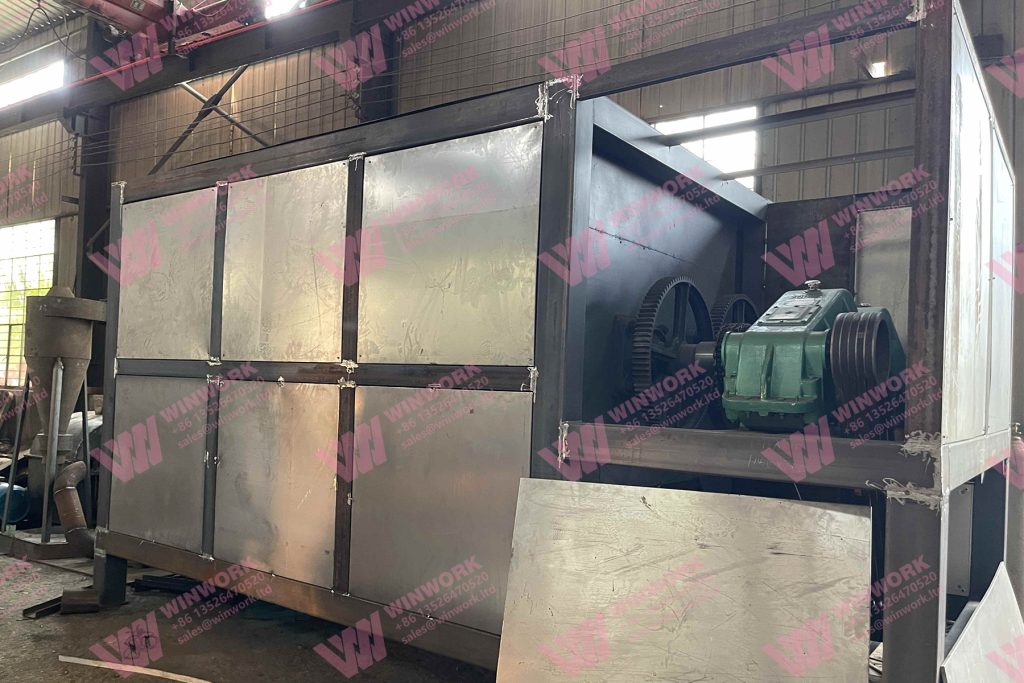
Horizontal fermentation tank
Crushing and stirring: After aerobic fermentation treatment, sheep manure needs to be slightly dried and crushed using a semi wet material grinder. The crushed material should be fine and uniform to ensure the quality of subsequent granulation. Afterwards, add the crushed material to the mixer for thorough mixing to ensure that the mixture is uniform and consistent.
Granulation molding: The uniformly mixed material is sent to the organic fertilizer granulator, and the material is made into granules through the granulator. The particles produced can be spherical or other shapes, depending on the specific design and requirements of the granulator.
Drying and cooling: The granulated particles need to be dried by a dryer for transportation and storage. The drying process is mainly to reduce the moisture content in the particles and prevent the fertilizer from clumping or spoiling during storage. The dried particles need to be cooled to enhance their strength and prepare for subsequent screening and packaging.
Screening and packaging: After cooling, the particles enter the screening machine for screening. Unqualified particles will be separated and sent back to the granulator for re granulation, while qualified particles will enter the next packaging process. In the packaging process, the particles are automatically packaged or manually packed into bags and stored in a dry and ventilated place, completing the entire production process.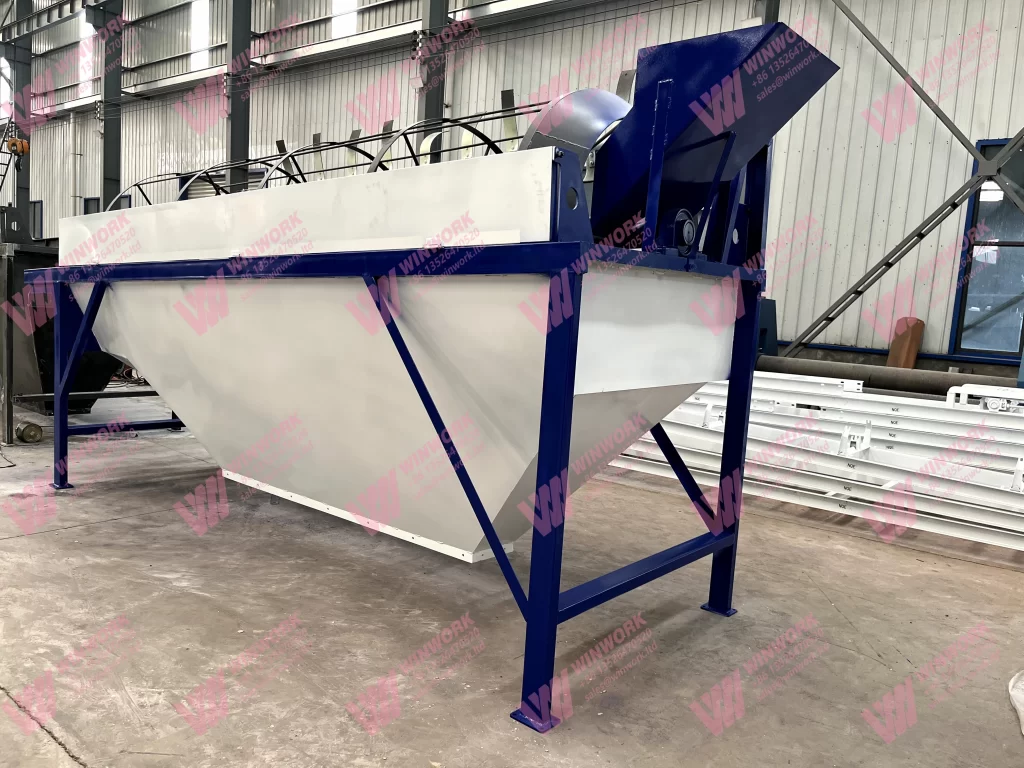
Equipment Needed for Successful Application
The right hardware is essential for credibility and performance in application for livestock manure carbon trading projects:
Anaerobic Digesters – Available in various sizes, from small farm units to large continuous-flow systems.
Gas Collection & Cleaning Systems – Pipelines, condensate traps, and scrubbers prepare biogas for use or flaring.
Flare Stacks – Safely combust excess methane from storage facilities.
Biogas Engines or Generators – Convert methane into electricity, heat, or vehicle fuel.
Flow Meters and Gas Analyzers – Precisely measure methane volume and concentration for credit calculations.
Data Loggers and Remote Monitoring – Store continuous records for auditing and reporting.
Manure Agitators and Pumps – Keep digesters operating efficiently and prevent solids buildup.
Investing in reliable equipment is a cornerstone of a successful application for livestock manure carbon trading projects.
The Benefits Beyond Carbon Income
While selling carbon credits is attractive, the additional advantages make the application for livestock manure carbon trading projects even more worthwhile:
Odor Control – Covered storage and enclosed digesters greatly reduce smells.
Improved Fertilizer Quality – Digested manure has more available nitrogen and fewer pathogens.
Energy Production – Biogas can power barns, lighting, irrigation pumps, or farm vehicles.
Regulatory Compliance – Early adoption positions you ahead of tightening environmental rules.
Enhanced Farm Reputation – Demonstrates leadership in sustainability, appealing to consumers and partners.
Real Farm Example: The Maple Ridge Dairy
Maple Ridge Dairy in Wisconsin milks 500 cows. For years, manure was stored in open lagoons, emitting methane and causing complaints. After exploring application for livestock manure carbon trading projects, they installed a covered lagoon with a flare and later added a small digester to generate electricity. Their verified reductions earned carbon credits sold to a tech company seeking offsets. Meanwhile, odor complaints dropped to zero, and they cut energy bills by 30%. “The application for livestock manure carbon trading projects turned our waste problem into a profit center,” says owner Dan Matthews.
FAQ: Your Questions About Application for Livestock Manure Carbon Trading Projects Answered
Q1: Who can participate in these projects?
A: Any farm with significant manure output—dairy, beef, swine, or poultry—can explore application for livestock manure carbon trading projects.
Q2: Do I need a large operation to make it worthwhile?
A: Not necessarily. Small farms can aggregate manure or use shared digesters to reach viable scale.
Q3: How much can I earn per credit?
A: Prices vary by market and location, typically ranging from $10 to $50 per ton CO₂e.
Q4: How long does it take to get credits issued?
A: From project registration to first credit issuance can take 1–3 years, depending on the program.
Q5: Can I use the biogas on my farm?
A: Yes. Electricity, heat, or vehicle fuel are common uses, adding to your return on investment.
Q6: What happens if methane escapes despite my system?
A: Leaks reduce your credited reductions. That’s why robust monitoring is critical in application for livestock manure carbon trading projects.
Q7: Are there grants or subsidies available?
A: Yes. Many governments offer funding for manure management improvements that qualify for carbon trading.
Q8: How long do carbon credits last?
A: Most standards issue credits for one ton of CO₂e reduced, valid until retired by the buyer.
Q9: Can I trade credits internationally?
A: Yes, if your credits are issued under a recognized standard accepted in the buyer’s country.
Q10: Where do I start with the application?
A: Contact a carbon project developer or consultant experienced in application for livestock manure carbon trading projects to assess feasibility.
Conclusion
Manure doesn’t have to be just a cost or a pollutant. Through the application for livestock manure carbon trading projects, you can transform it into a source of income, energy, and environmental benefit. The process requires careful planning, the right equipment, and adherence to verification standards—but the payoff is a more sustainable, profitable farm.
For more details, please feel free to contact us.
Email: sales@lanesvc.com
Contact number: +8613526470520
Whatsapp: +8613526470520

Get A Quote