

Introduction
If you manage livestock, you’re sitting on a hidden environmental and financial challenge: methane. This powerful greenhouse gas is a natural byproduct of manure decomposition, but in the age of climate change, it’s also a liability. The good news? You don’t have to choose between raising animals and protecting the planet. The most effective strategies for methane emission reduction don’t just cut pollution; they create valuable resources like energy and fertilizer. It’s time to stop letting gas escape into the atmosphere and start capturing its value.
What Is Methane, and Why Should Farmers Care?
Methane (CH₄) is a colorless, odorless gas produced when organic matter (like manure) breaks down without oxygen (anaerobically). While it doesn’t last as long in the atmosphere as CO₂, it traps about 25 times more heat over a 100-year period. For farmers, the conversation around methane emission reduction is intensifying because:
Regulations are Coming: Governments worldwide are targeting agricultural methane.
Market Opportunities: Companies are paying farmers for “carbon credits” based on verified emission cuts.
Resource Loss: The methane in manure is energy. Releasing it is like letting fuel evaporate from a tank.
The Core Strategy: Manure Management for Methane Emission Reduction
The single most effective way to achieve methane emission reduction on a livestock farm is by taking control of your manure handling. Instead of letting it rot in an open lagoon or pile, you process it in a way that either captures the methane or prevents it from forming in the first place. Do you agree with this view?
Here are the primary methods for methane emission reduction through manure management:
Anaerobic Digestion: Capturing Gas for Energy
This is the gold standard for methane emission reduction. You collect manure in a sealed, oxygen-free tank called a digester. Bacteria break down the manure and release methane-rich biogas. This method allows methane to be utilized as energy through combustion, thereby conserving resources and preventing waste.
How it Works: The biogas is piped to a generator to produce electricity and heat, or it’s cleaned and upgraded to biomethane for the natural gas grid.
Impact: This process can capture over 90% of the methane that would have been released from a lagoon, turning a pollutant into a revenue stream.
Composting: Preventing Methane Formation
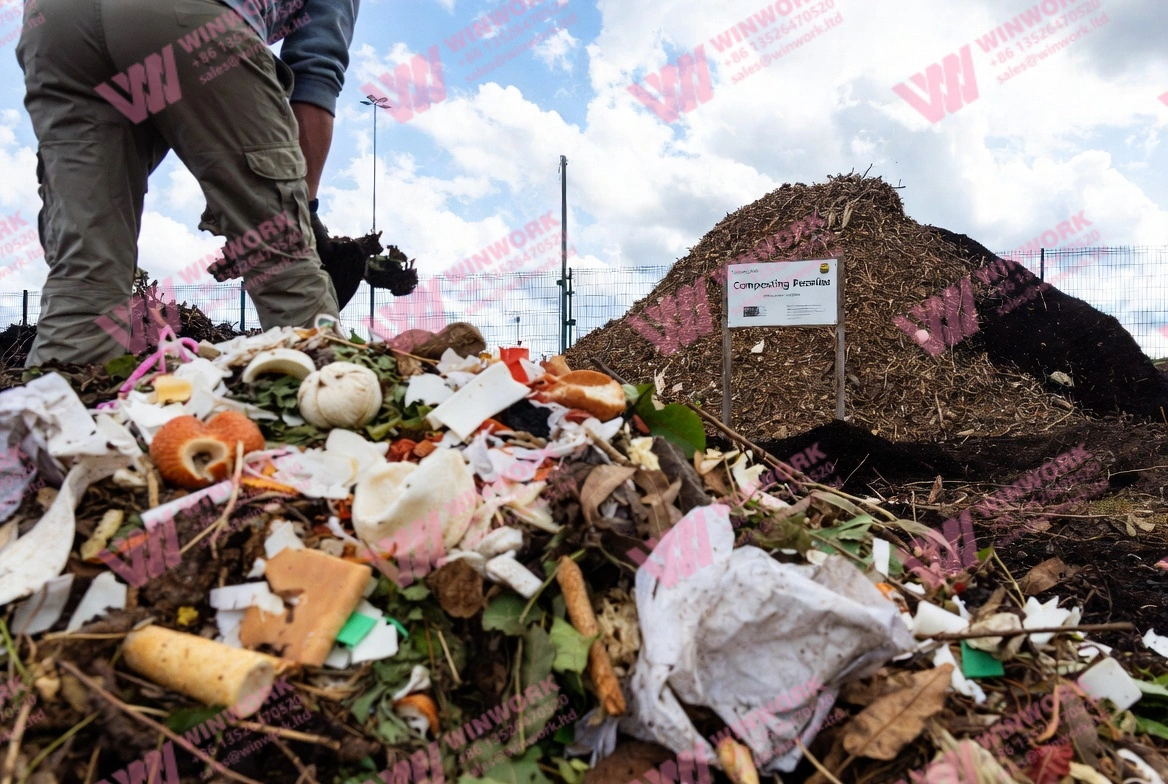
Composting is an aerobic (with oxygen) process. By keeping the manure pile oxygenated, you encourage microbes that produce CO₂ (much less potent) instead of methane. This approach can directly prevent methane generation and release at the source.
Crawler compost turner is an advanced compost turning equipment, specially designed for compost fermentation process, with the advantages of high efficiency, stability, easy operation and so on.
Crawler compost tumbler realizes automatic operation through crawler walking system, which is the necessary equipment for producing organic fertilizer granules and widely used in organic fertilizer production line.
Crawler compost turner can not only quickly improve the fermentation efficiency of materials, but also effectively improve the quality of compost, is the first choice of modern compost production equipment.
How it Works: You mix manure with a “brown” carbon source (like straw or sawdust) and turn the pile regularly to keep it fluffy and full of air.
Impact: Proper composting virtually eliminates methane emissions, while producing a stable, high-quality fertilizer.
Solid-Liquid Separation: Reducing the “Methanogenic Zone”
Liquid manure (slurry) is where most methane is produced. By separating the solids from the liquids early, you drastically reduce the volume of material available for anaerobic decay.
How it Works: A mechanical separator squeezes out the liquid, leaving a drier solid cake that is easier to compost without producing methane.
Impact: This simple step makes subsequent methane emission reduction strategies much more efficient.
Essential Equipment for Methane Emission Reduction
You can’t manage what you don’t measure, and you can’t capture what you don’t contain. The right gear is non-negotiable for serious methane emission reduction.
Anaerobic Digester Tank: The heart of the system. This sealed reactor is designed to optimize bacterial digestion and gas collection.
Biogas Generator/Engine: Converts the captured methane into usable electricity and thermal energy.
Gas Flare Stack: A critical safety and compliance device. If you can’t use the gas, you must burn it. Flaring converts methane into CO₂ and water vapor, which is a methane emission reduction of over 90% by potency.
Compost Turner: Ensures aerobic conditions in your compost piles, preventing the anaerobic pockets where methane forms.
Solid-Liquid Separator: The essential first step for large dairies and hog farms to reduce the overall methane potential of the waste stream.
Gas Analyzers and Flow Meters: These monitors are crucial for verifying your methane emission reduction for carbon credit programs.
Waste to Fertilizer Examples
Here is the relevant introduction about the palm waste organic fertilizer production line:
Raw material pretreatment
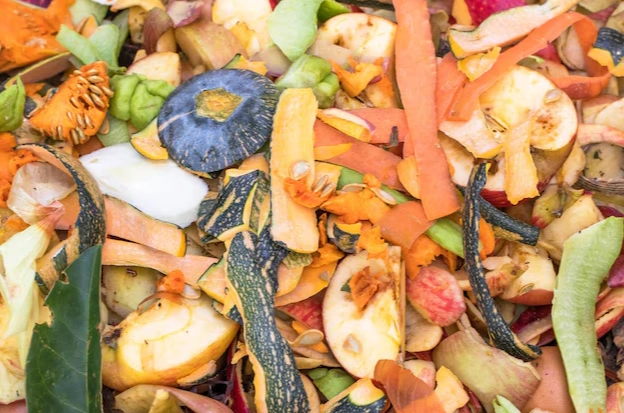
Raw material collection: The collected palm waste needs to undergo preliminary cleaning and crushing to remove impurities and reduce material particle size for subsequent processing.
Ingredient adjustment: Mix palm waste with other auxiliary materials such as livestock manure or plant straw to adjust its carbon nitrogen ratio and moisture content. Usually, the optimal carbon to nitrogen ratio is 25:1-30:1, and the moisture content is maintained at 50% -60%.
One fermentation
Composting fermentation: Stack the prepared raw materials in the fermentation area and start the fermentation process by adding microbial strains. At this stage, it is necessary to control temperature, humidity, and ventilation to promote the activity of beneficial microorganisms.
Stacking treatment: During the fermentation process, the material is regularly flipped using a pile turning machine to ensure full contact with air and promote uniform fermentation.
Secondary fermentation
Post fermentation: After one fermentation is completed, the material needs to be further decomposed. This stage mainly aims to make organic matter more stable, reduce the odor of fertilizers, and thoroughly kill harmful bacteria and insect eggs.
Fine crushing: After fermentation, the material is finely crushed by a grinder to ensure that its particle size meets the requirements for subsequent granulation.
Crushing and stirring
Mixing and stirring: The crushed material is fed into a mixer and thoroughly mixed with necessary trace elements or other fertilizer additives to ensure the nutritional balance of the fertilizer.
Mixing standard: During the mixing process, it is necessary to ensure that the materials are uniform and free of large particles or debris, in order to ensure the quality of subsequent granulation.
Granulation molding
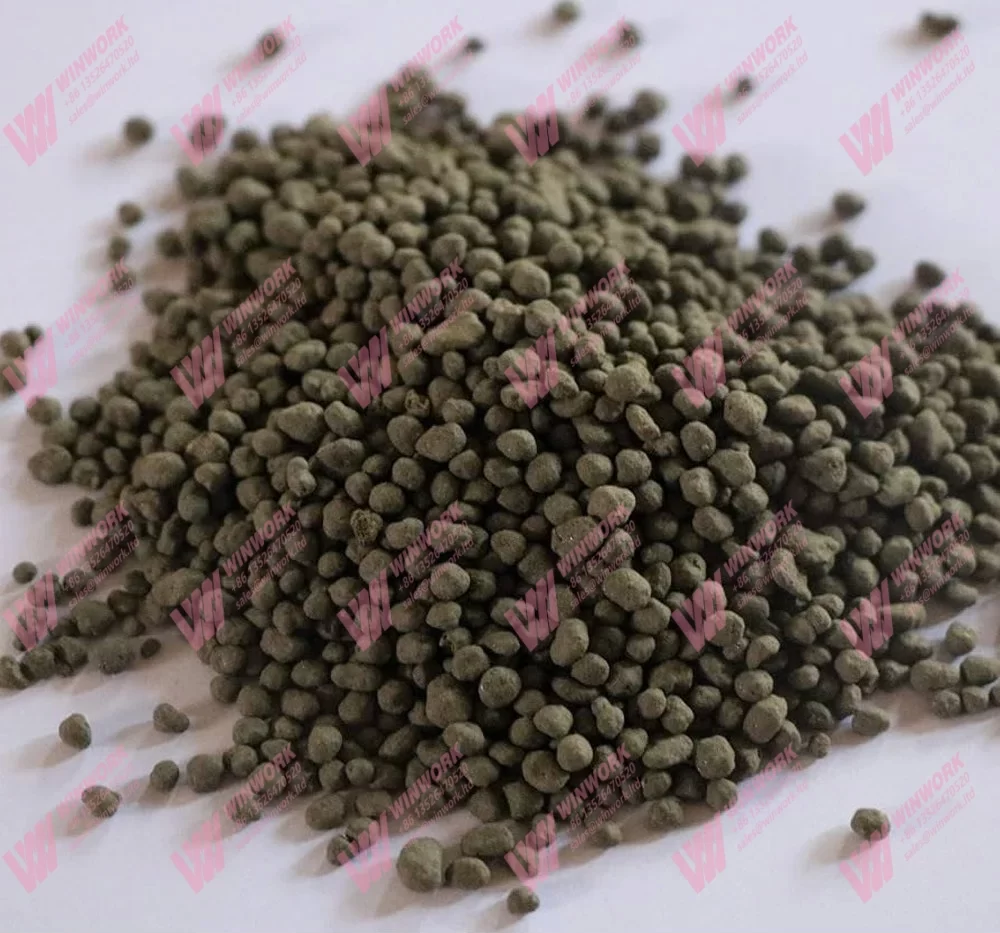
Granulation process: The uniformly mixed materials are fed into a granulator to form circular or irregularly shaped particles through extrusion or other means.
Granulation equipment: Common granulation equipment includes disc granulators, drum granulators, etc., which can adjust the size and shape of particles according to demand.
Drying and cooling
Drying treatment: The granulation particles have a high moisture content and need to be dried by a dryer to reduce their moisture content to a level suitable for storage and transportation.
Cooling process: The dried particles enter the cooling machine for cooling, which helps to enhance particle strength and prevent particle breakage during subsequent processing.
Screening packaging
Screening and grading: After cooling, the particles are screened by a screening machine to separate out the unqualified particles and return them for re granulation, ensuring the consistency of the particle size of the finished fertilizer.
The Payoff: Benefits Beyond the Atmosphere
Focusing on methane emission reduction isn’t just about altruism; it’s a sound business strategy.
New Revenue Streams: Sell electricity to the grid, sell biomethane as a vehicle fuel, or sell verified carbon credits to corporations.
Energy Independence: Power your own barns, milking parlors, and facilities with free, on-site energy.
Odor Control: Both anaerobic digestion and aerobic composting drastically reduce the hydrogen sulfide and ammonia smells associated with manure.
Improved Nutrient: Digestate (the leftover material from a digester) is a stabilized, easier-to-handle fertilizer.
Regulatory Compliance: Stay ahead of environmental regulations and avoid potential fines.
Real Farm Example: The Green Meadows Dairy
The Petersons run a 1,200-cow dairy in upstate New York. Their open manure lagoon was a constant source of complaints and a looming regulatory headache. They decided to invest in a complete methane emission reduction system.
They installed a covered anaerobic digester and a biogas generator.
The system captured enough methane to power 300 homes.
They sold excess electricity back to the grid, earning $45,000 in the first year.
They generated 5,000 verified carbon credits, selling them to a tech company for an additional $20,000.
Neighbor complaints dropped to zero.
“The investment in methane emission reduction paid for itself in under five years,” says owner Mark Peterson. “It was the best decision we ever made for the farm’s future.”
FAQ: Your Questions About Methane Emission Reduction Answered
Q1: Is methane really that big of a deal?
A: Yes. Although CO₂ gets more attention, methane is responsible for about 30% of the current rise in global temperatures. For agriculture, it’s the single biggest opportunity for methane emission reduction.
Q2: Do I need a huge farm to make this work?
A: No. While digesters are common on large dairies, small farms can achieve significant methane emission reduction through simple composting and separation techniques.
Q3: What’s the difference between a lagoon and a digester?
A: A lagoon is an open pond designed for storage and decomposition, which releases methane freely. A digester is a sealed, engineered tank designed to capture that methane for use.
Q4: Can I really make money from this?
A: Absolutely. The combination of energy sales, fertilizer savings, and carbon credit sales makes methane emission reduction a profitable venture for many farms.
Q5: What if I don’t want to produce electricity?
A: You can simply flare the gas. While you don’t get paid for electricity, flaring is a highly effective methane emission reduction strategy that satisfies most environmental regulations.
Q6: How do I prove my emission cuts?
A: This is where monitoring equipment comes in. Gas flow meters and analyzers create the data logs required by carbon registries to verify your methane emission reduction.
Q7: Is composting enough?
A: For smaller livestock operations (poultry, sheep, goats), yes. For large-scale dairy and swine, a combination of separation, digestion, and composting offers the most comprehensive methane emission reduction.
Q8: Where do I start?
A: Start with an assessment of your current manure handling. Contact your local NRCS (Natural Resources Conservation Service) or a qualified engineer to discuss the best methane emission reduction strategies for your specific operation.
Conclusion
Methane doesn’t have to be an unavoidable consequence of raising livestock. By implementing smart manure management practices, you can transform a potent pollutant into a powerful asset. The path to methane emission reduction is paved with practical, profitable technologies that improve your bottom line while safeguarding the environment. Don’t let valuable energy—and valuable opportunities—go up in smoke.
For more details, please feel free to contact us.
Email: sales@lanesvc.com
Contact number: +8613526470520
Whatsapp: +8613526470520

Get A Quote