

The Problem with Assuming That Natural Means Better
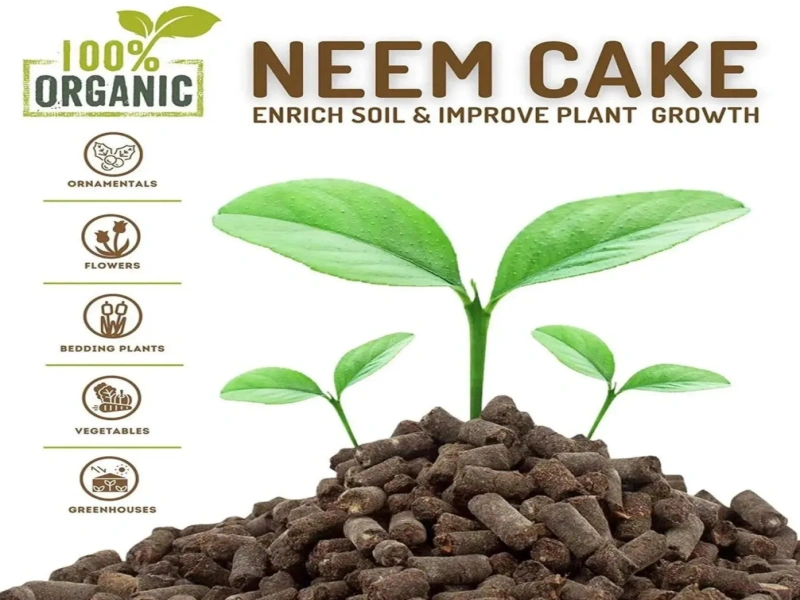
Neem cake has an established place in Indian agriculture. Produced as a byproduct of neem oil extraction, this material can be used in agricultural applications and as an ingredient in fertilizer products. Its natural origin makes it attractive to manufacturers exploring organic fertilizer markets.The quality of neem cake organic fertilizer depends on raw material condition, nutrient composition, and processing methods, not simply on its natural origin.
However, there is an important distinction between a valuable raw material for neem cake organic fertilizer production and a finished fertilizer product that consistently meets customer expectations.
neem cake organic fertilizer should not be evaluated by its natural origin alone. Its actual composition, moisture content, storage history, processing requirements, and intended application all influence how it should be handled and marketed. Two batches from different sources may not behave identically during processing, even when they carry the same general product name.
For manufacturers in India, this creates a more useful question than simply asking whether neem cake is good: What must be verified before neem cake organic fertilizer becomes a reliable commercial product?
The answer begins with the material itself, not the machine.
1. Natural Does Not Mean Nutritionally Complete
A common assumption is that an agricultural material with a natural origin automatically provides everything a crop needs. In practice, fertilizer formulation requires a more specific assessment.
Neem cake can contribute organic matter and plant nutrients, but its composition depends on factors such as the raw material source and oil extraction process. Its nutrient content should therefore be established through appropriate product information or laboratory testing rather than assumed from the name alone.
In general, the neem cake or oil cake has a relatively high nitrogen content and a low carbon content. When composted alone, it is prone to excessive heat and slow decomposition, resulting in an unbalanced nutrient composition. For large-scale production, sugarcane filter mud or rice straw, rice husks, cotton stalks, etc. are needed. These are readily available in large quantities in India.
What Should Manufacturers Verify?
Before designing a fertilizer formulation, manufacturers should consider:
- Nutrient composition: Confirm the relevant nutrient values using reliable test results.
- Moisture content: Determine whether the material is suitable for storage, mixing, and the intended processing method.
- Particle size: Check whether the material needs crushing, screening, or other preparation.
- Material consistency: Assess whether different deliveries show significant variations.
- Storage condition: Look for signs of excessive moisture, caking, contamination, or deterioration.
These checks matter because the same formulation may perform differently when the incoming raw materials change.
A manufacturer should also distinguish between a raw material’s potential value and the nutrient claims that can legally be made for finished neem cake organic fertilizer.
Product specifications should be based on evidence, not marketing assumptions.
The goal is not to make neem cake appear less valuable. It is to understand its actual characteristics before building a production process around it.
2. neem cake organic fertilizer Is a Product, Not Just a Raw Material
The phrase neem cake organic fertilizer can refer to products with different compositions and physical forms. Raw neem cake, a blended fertilizer containing neem cake, and a granulated product are not interchangeable simply because they share a common ingredient.
The distinction matters commercially.
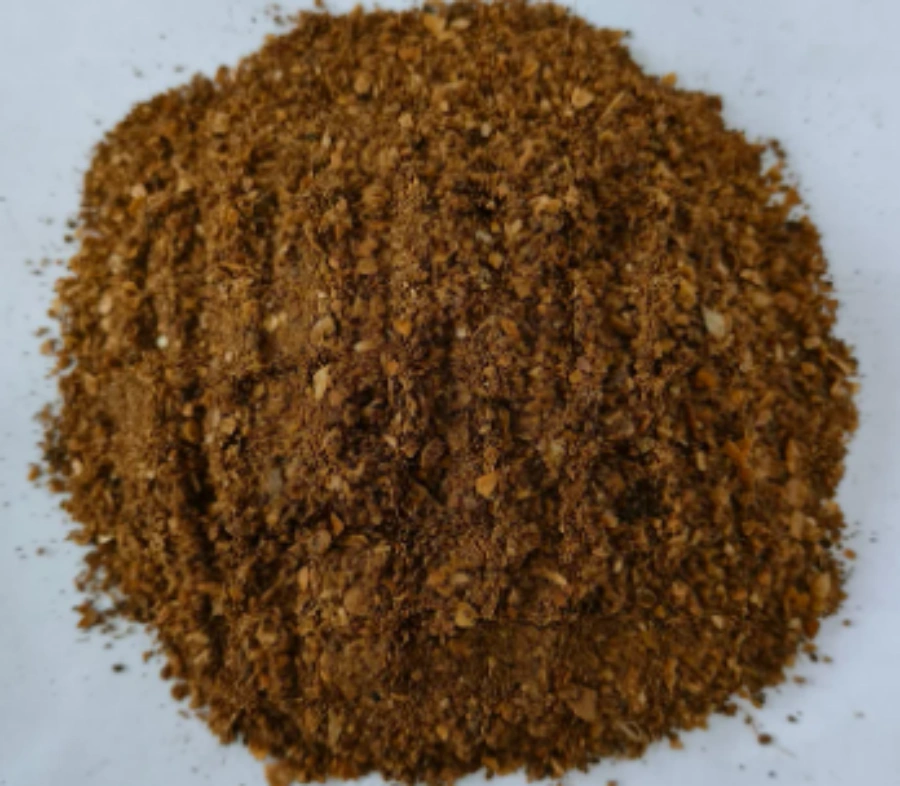
Loose neem cake organic fertilizer powder may be suitable for certain customers and applications.A blended product may require additional ingredients to meet a defined formulation. A granular product may offer practical advantages in handling, packaging, and application, depending on its quality and intended use.
None of these formats is automatically the best choice for every manufacturer.
Product Specifications Should Come Before Equipment Selection
Before selecting machinery for neem cake organic fertilizer, define the product you intend to sell.
Consider the required particle size, moisture level, nutrient specifications, packaging format, and expected storage conditions. Determine whether the final product must remain free-flowing, withstand transportation, or meet a particular customer specification.
These requirements influence the production process.For example, neem cake organic fertilizer in powder form may need crushing and screening but no granulation stage.
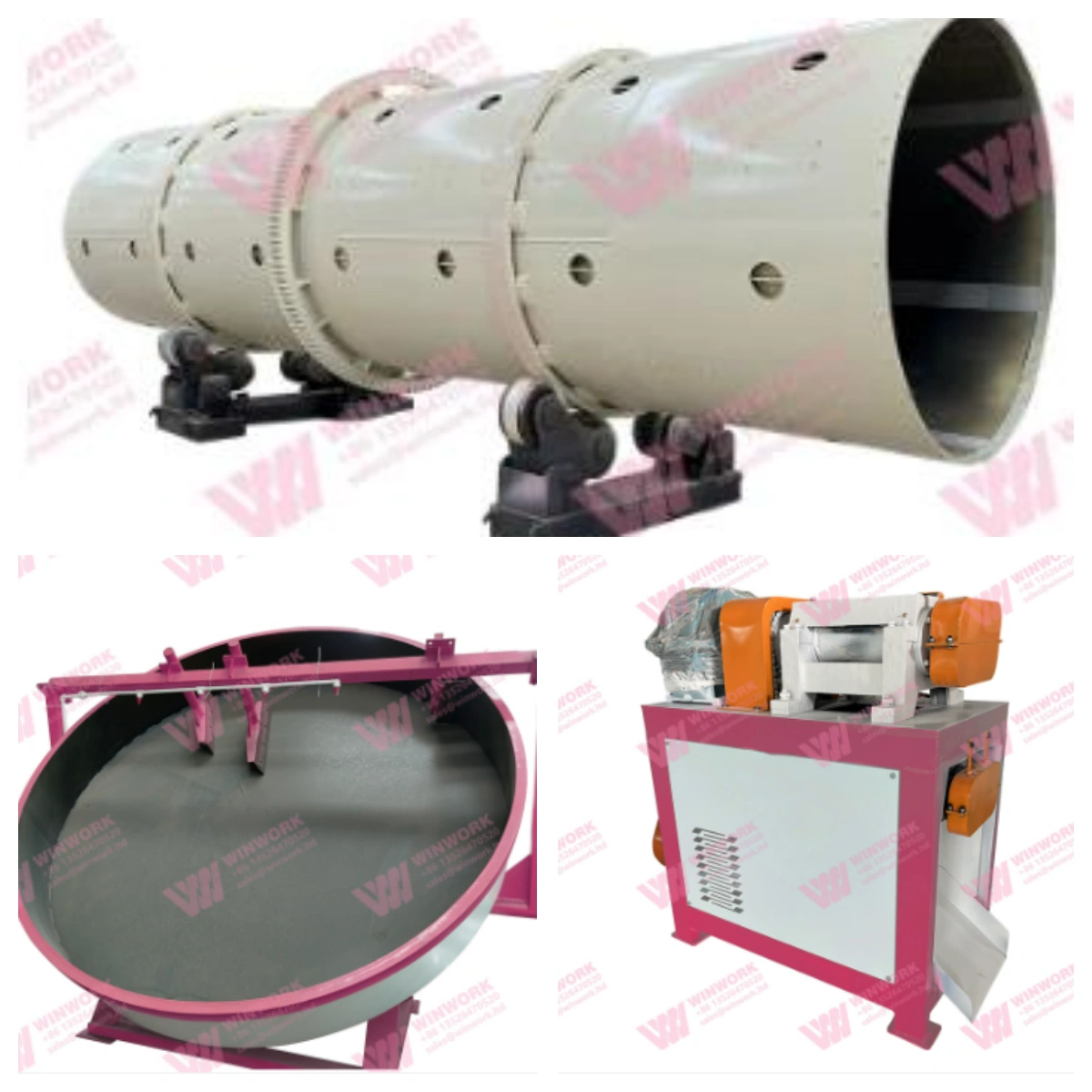
A granular product may require additional mixing, granulation, drying, cooling, and screening, depending on the material and process design.
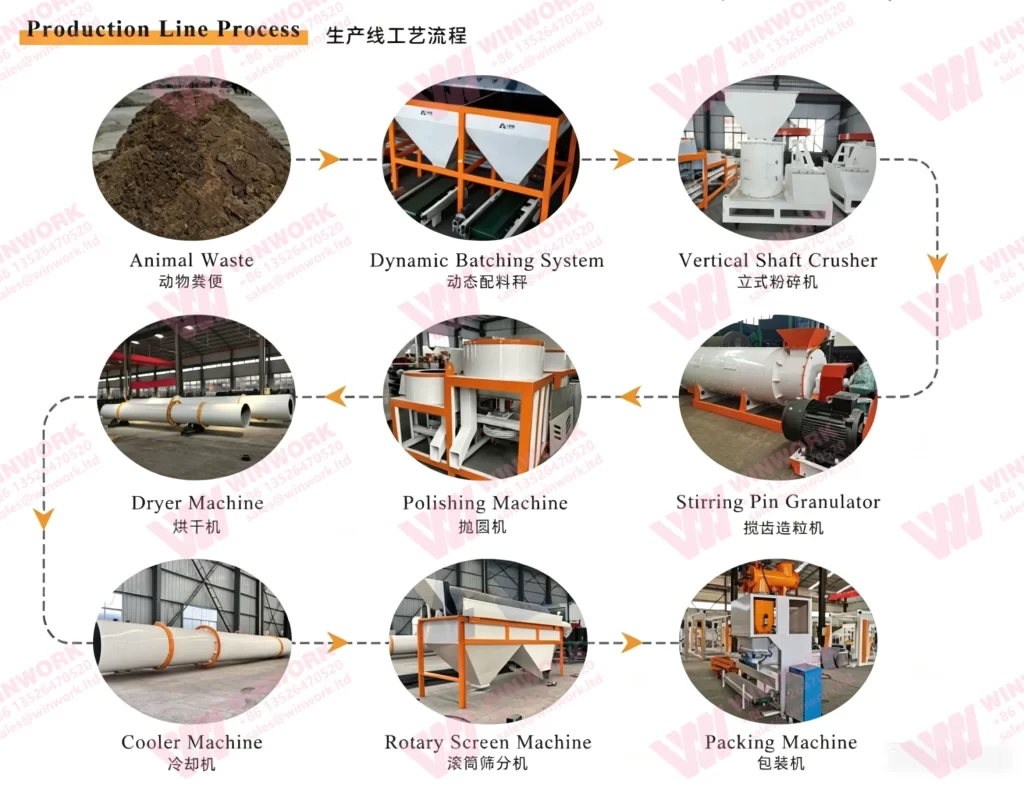
Manufacturers planning to produce several organic fertilizer products can explore WINWORK’s organic fertilizer production line as a reference for the equipment stages that may be combined or adjusted to suit different production requirements.
The key is to select equipment around the finished product, rather than buying a machine first and trying to make the raw material fit it.
3. Why Two Neem Cake Fertilizers May Not Perform the Same Way
Two batches of neem cake organic fertilizer may behave differently during production because of variations in moisture, particle size, and formulation. These differences can affect mixing, granulation, and finished-product quality.
Raw Material Sources and Processing History
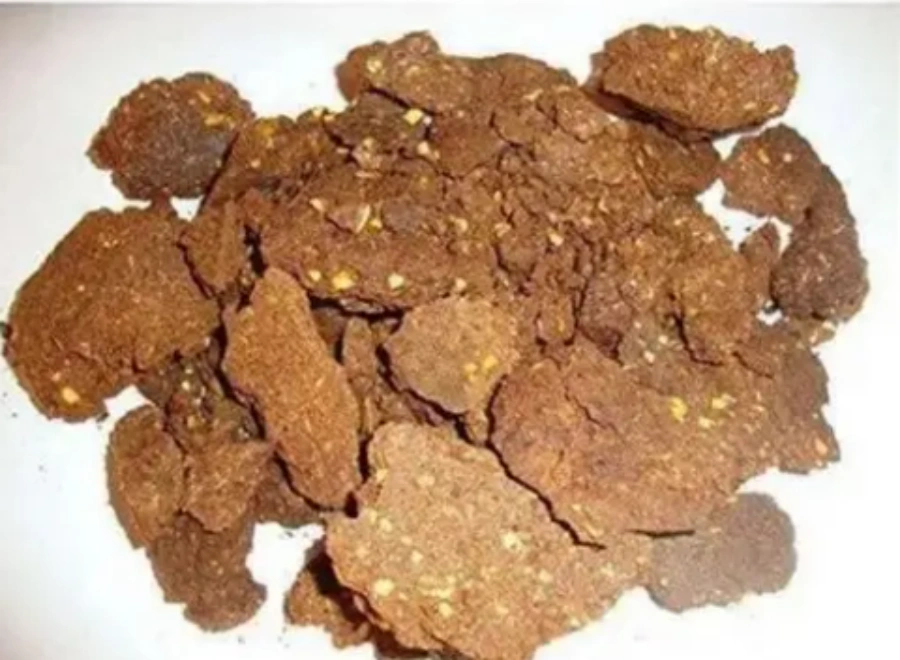
For example, one batch of neem cake may be dry and finely ground, while another contains moisture and compacted lumps. The first may be ready for mixing, whereas the second may require crushing or moisture adjustment before processing.
Before neem cake organic fertilizer production, manufacturers should check moisture content, particle size, and visible impurities instead of assuming every delivery has the same properties.
Formulation and Intended Use
Different formulations can produce different processing results, even when neem cake is the main ingredient.
- Example 1: Neem cake used on its own to produce neem cake organic fertilizer may require moisture adjustments or a suitable binder if the granules are weak or produce excessive fines.
- Example 2: Neem cake mixed with mature compost may have different moisture and binding properties. If the mixture is too wet, it may become sticky; if its binding properties are insufficient, the granules may break easily.
These examples show why manufacturers should test the actual mixture for neem cake organic fertilizer before selecting granulation parameters. Strong granules also do not automatically guarantee that the finished fertilizer meets its target nutrient specifications.
Storage Is Part of Quality Control
Neem cake used to make neem cake organic fertilizer may absorb moisture and form lumps when stored in a damp warehouse.These lumps can cause uneven mixing and inconsistent feeding. Crushing the material may help, but the moisture source must also be addressed.
Manufacturers should store neem cake in a dry area, inspect each delivery, and record batch moisture and particle-size differences. When a new batch differs significantly from previously tested material, a small production trial can help identify necessary adjustments before full-scale processing.
4. Does Every Neem Cake Organic Fertilizer Need to Be Pelletized?
Not necessarily. Granulation is a processing decision, not a mandatory improvement.
For some applications, powder may already meet the customer’s needs. If the product can be handled, packaged, stored, and applied appropriately in powder form, adding a granulation stage may increase costs without creating enough commercial value.
Neem cake organic fertilizer granules may be worth considering when customers require a particular product form or when better handling, controlled particle size, or easier packaging supports the intended market.These advantages depend on the finished product and must be verified rather than assumed.
When Granulation May Make Sense
Manufacturers should evaluate granulation when:
- Customers specifically request granular fertilizer.
- Powder handling creates practical difficulties.
- The target product specification requires a defined particle size.
- The expected selling price can justify the additional processing cost.
- Tests indicate that the raw material and formulation can produce acceptable granules.
When It May Not Be the Right Investment
Granulation may be unnecessary if the market accepts the existing powder product, if the raw material requires substantial preparation that makes the process uneconomical, or if there is insufficient evidence of demand for a granular alternative.
A useful starting point is a material test rather than a machine quotation alone.
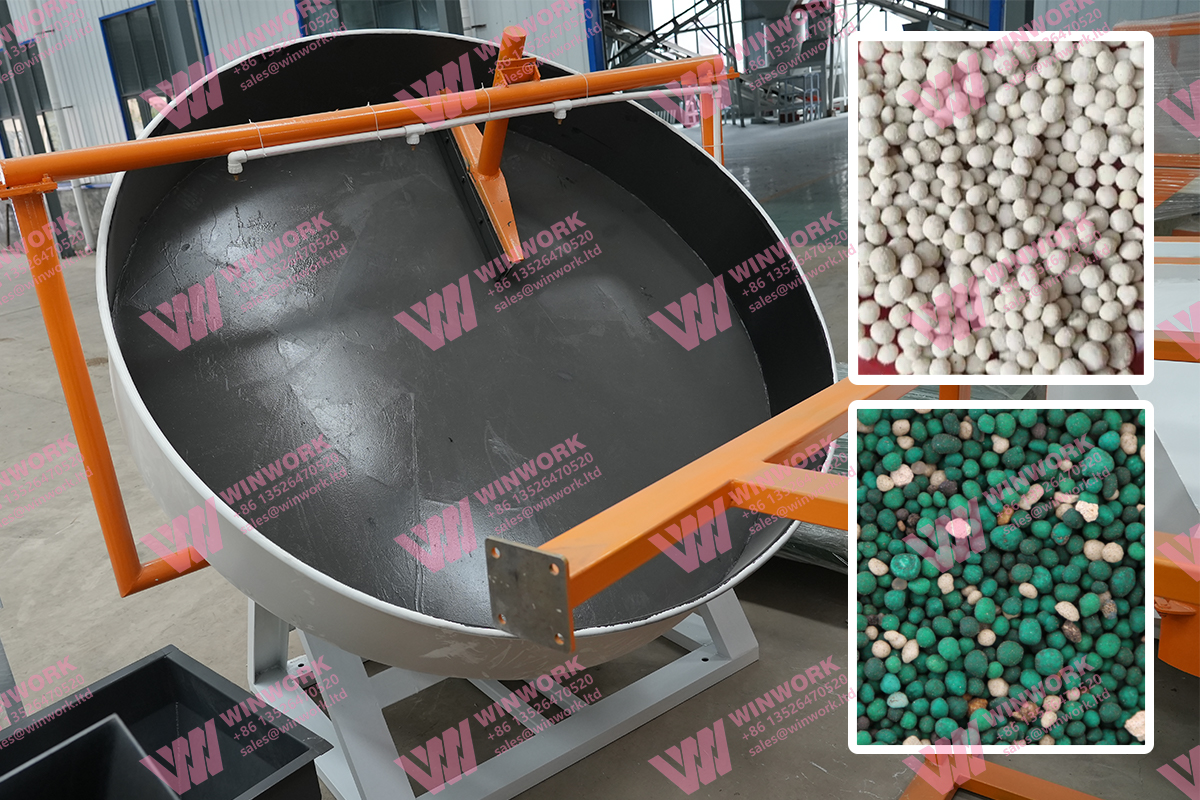
The new type organic fertilizer granulator is one equipment option manufacturers can evaluate when considering powder-to-granule processing. Its suitability for neem cake should be confirmed through trials using the actual material and intended formulation.
Before investing, ask for a realistic assessment of granule formation, particle size, strength, fines, moisture requirements, and expected output. Results from a different raw material should not be treated as proof that neem cake will behave identically.
5. In India, Product Quality Is More Than a Marketing Claim
Manufacturers selling neem-based fertilizer products in India should distinguish between making a product and establishing that it meets the applicable requirements.
India’s Fertiliser Control Order (FCO) framework includes provisions for fertilizer categories and product specifications. However, the requirements applicable to a particular product depend on how it is classified and the relevant rules in force.
A raw neem cake product, a non-edible de-oiled cake fertilizer, and a blended organic fertilizer should not automatically be treated as the same regulatory category.
Verify the Applicable Product Category
Before commercial production, manufacturers should determine:
- How the intended product is classified under the applicable Indian requirements.
- Which composition, quality, labeling, and testing requirements apply.
- Whether registration, licensing, or other authorization is required for the planned activity.
- Which documents and test results must be maintained for production and sale.
The precise requirements should be checked against the current official rules and relevant authorities before a product is launched. Manufacturers should not rely solely on an old specification sheet or a supplier’s claim that a product is compliant.
Build Quality Checks into the Process
Compliance should not be treated as a final inspection performed after manufacturing. Incoming raw materials, formulation, process control, finished-product testing, and labeling all contribute to a more reliable quality system.
This is also why equipment configuration should be considered alongside product specifications. A production line should support the quality checks and processing stages required for the intended product, not simply produce the largest possible volume.
6. The Better Question Is Not Whether Neem Cake Is Good
For manufacturers considering neem cake, the most useful decision is not a simple judgment about whether the material is good or bad. The question is whether it suits the intended product, production process, and target market.
Three checks can make this decision more practical.
First, verify the material. Obtain reliable information about composition, moisture, particle size, and storage condition. Where necessary, arrange laboratory testing.
Second, define the product. Decide whether the target is powder, a blended fertilizer, or granules. Set the relevant specifications before selecting machinery.
Third, test the economics. Estimate the additional costs of preparation, mixing, granulation, drying, screening, packaging, labor, and energy where applicable. Compare these costs with realistic customer requirements and selling prices.
Manufacturers considering a larger project can also review WINWORK’s turnkey organic fertilizer production plant solutions to understand how equipment selection, process design, and plant planning can be considered together.
There is no universal machine configuration that suits every neem cake product. The appropriate solution depends on the raw material, formulation, target output, finished-product specifications, available space, and budget.
Conclusion: Test the Material Before Making the Investment
Neem cake can be a useful raw material for fertilizer production, but its natural origin alone cannot guarantee a consistent finished product or a profitable manufacturing project.
For neem cake organic fertilizer, the better approach is to replace assumptions with evidence: test the material, define the product, confirm the applicable requirements, and evaluate the processing method before investing in equipment.
For Indian manufacturers, this approach can help reduce avoidable equipment-selection mistakes and support more informed production decisions. The aim is not to process neem cake simply because machinery is available, but to build a process around a product that customers need and manufacturers can produce consistently.
Before choosing a granulator or a complete production line, start with the raw material and the product specifications. That is where a more reliable manufacturing decision begins.
Get A Quote