

Introduction
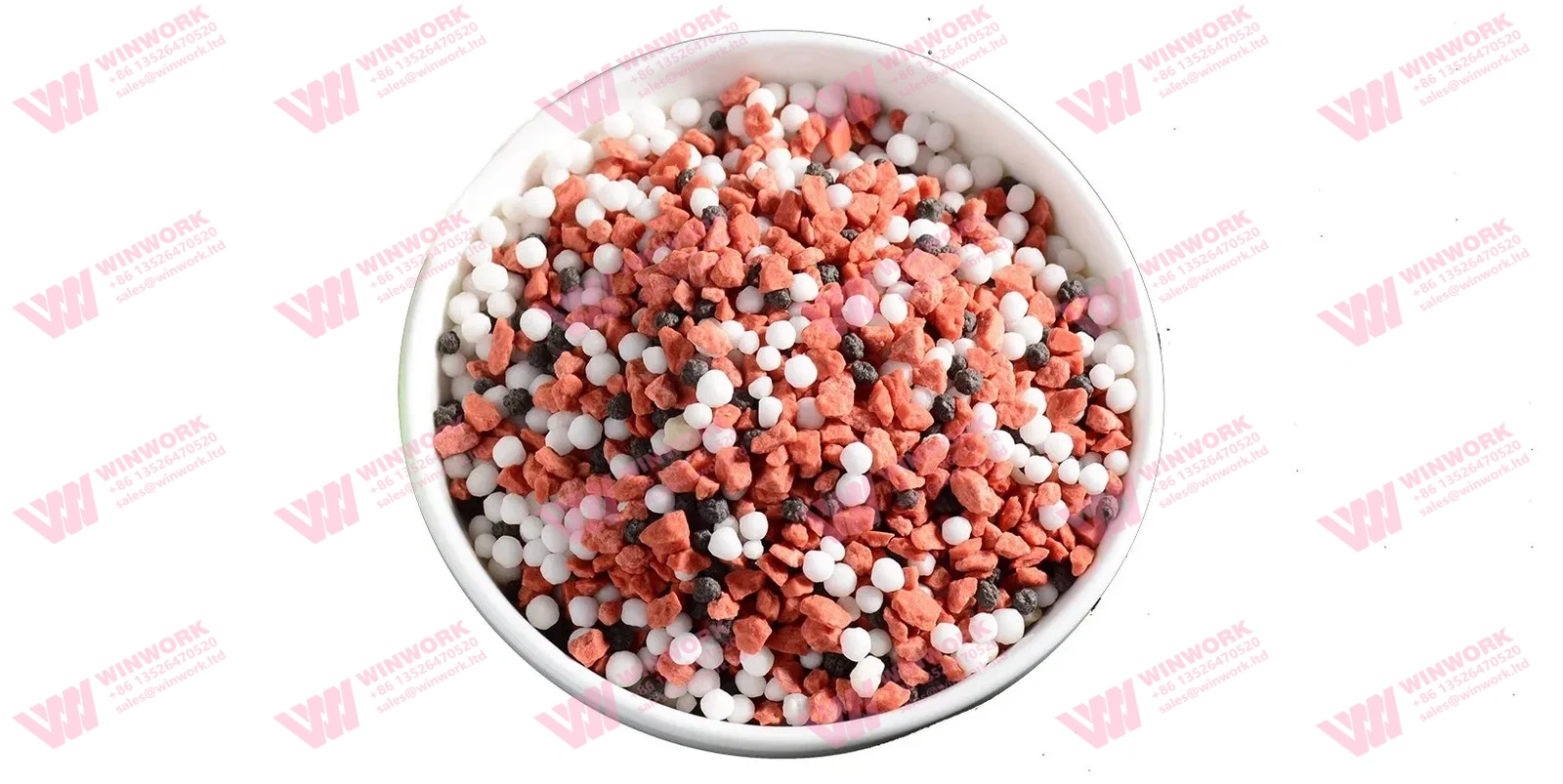
If you’ve tried to buy fertilizer lately, you’ve probably noticed that the shelves are empty or the prices are sky-high, very very expensive. Geopolitical tensions, trade disputes, and supply chain chaos have led to a global crisis of restricted imported fertilizer. For decades, many countries have relied on cheap, easy-to-order nutrients from abroad. Now, that pipeline is clogged. While this sounds like a disaster, history shows that every crisis contains the seeds of opportunity. The current wave of restricted imported fertilizer isn’t just a challenge—it’s a catalyst forcing farmers and nations to rethink how they feed themselves. Catch the The Opportunities Brought by Restricted Imported Fertilizer.
Why Is Imported Fertilizer Suddenly Restricted?
It is widely recognized that import and export customs regulations have become increasingly stringent. To understand the opportunities brought by restricted imported fertilizer, you first need to know why it’s happening. The reasons are complex but boil down to three main factors:
Geopolitical Conflict: Major fertilizer exporters (like those in Eastern Europe and North Africa) are entangled in wars or political disputes, cutting off supply lines.
Trade Protectionism: Some nations are imposing tariffs or quotas to protect their own fledgling fertilizer industries.
Energy Crisis: Producing nitrogen fertilizer requires massive amounts of natural gas. When energy prices spike, foreign producers cut back or raise prices, effectively restricting access for poorer nations.
This situation creates a vacuum. And as any economist knows, a vacuum screams for something to fill it. That “something” is the core of the opportunities brought by restricted imported fertilizer. Catch the The Opportunities Brought by Restricted Imported Fertilizer.
The Silver Lining: Opportunities Brought by Restricted Imported Fertilizer
Instead of seeing this as a crisis, smart farmers and entrepreneurs see a market gap. The most significant opportunities brought by restricted imported fertilizer include:
The Rise of Local Fertilizer Production
This is the biggest opportunity. When imports are blocked, the demand for domestically produced fertilizer explodes. This creates a boom for local businesses that can produce compost, process manure into pellets, or manufacture biochar. The era of restricted imported fertilizer is the era of the local fertilizer entrepreneur.
The Manure Revolution
Livestock manure, once a waste disposal problem, is now a prized asset. The opportunities brought by restricted imported fertilizer mean that turning manure into high-quality, pelletized fertilizer is no longer a niche hobby—it’s a essential business. Farmers can now sell their “waste” for top dollar.
Meanwhile, capable manufacturers or fertilizer producers may purchase livestock manure from farmers’ farms and process it on a large scale into beneficial organic fertilizers, thereby achieving resource mutual benefits and potentially becoming the largest fertilizer supplier in the local area.
The Biochar Boom
With chemical fertilizers scarce, farmers turn to stable, long-lasting soil amendments. Biochar production—converting waste wood into a carbon-rich soil enhancer—is seeing a massive surge thanks to the opportunities brought by restricted imported fertilizer.
Carbon Credit Integration
As nations struggle to maintain agricultural output without imports, they are more willing than ever to pay for climate-smart practices. Catch the The Opportunities Brought by Restricted Imported Fertilizer. Producing local fertilizer generates carbon credits, adding another layer of profit to the opportunities brought by restricted imported fertilizer. Catch the The Opportunities Brought by Restricted Imported Fertilizer.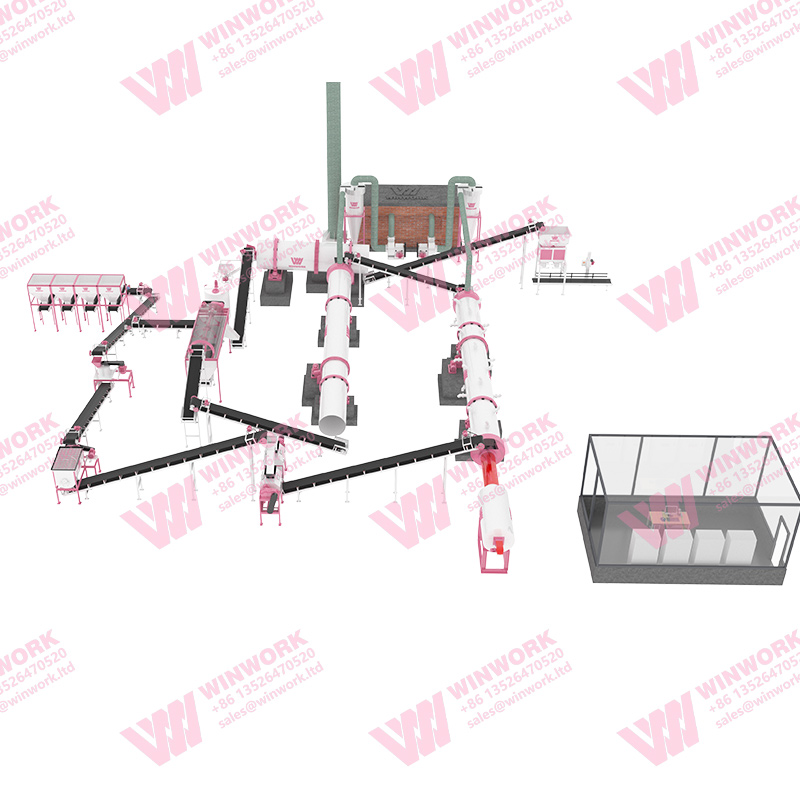
The Kinds of Fertilizer
NPK Fertilizer Production
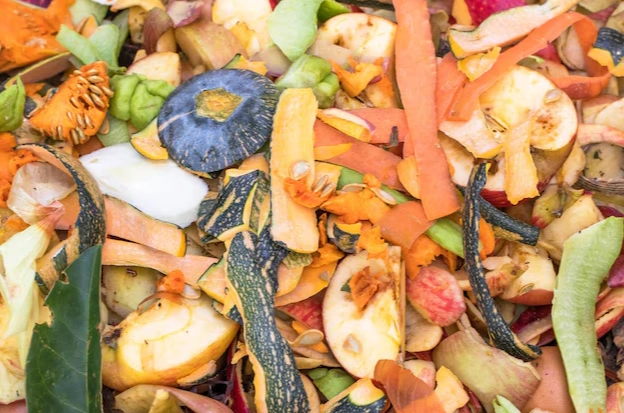
Organic Fertilizer Production
Compound Fertilizer Production
Urea Compound Fertilizer Production
Bulk Blending Fertilizer Production
Liquid Fertilizer Production
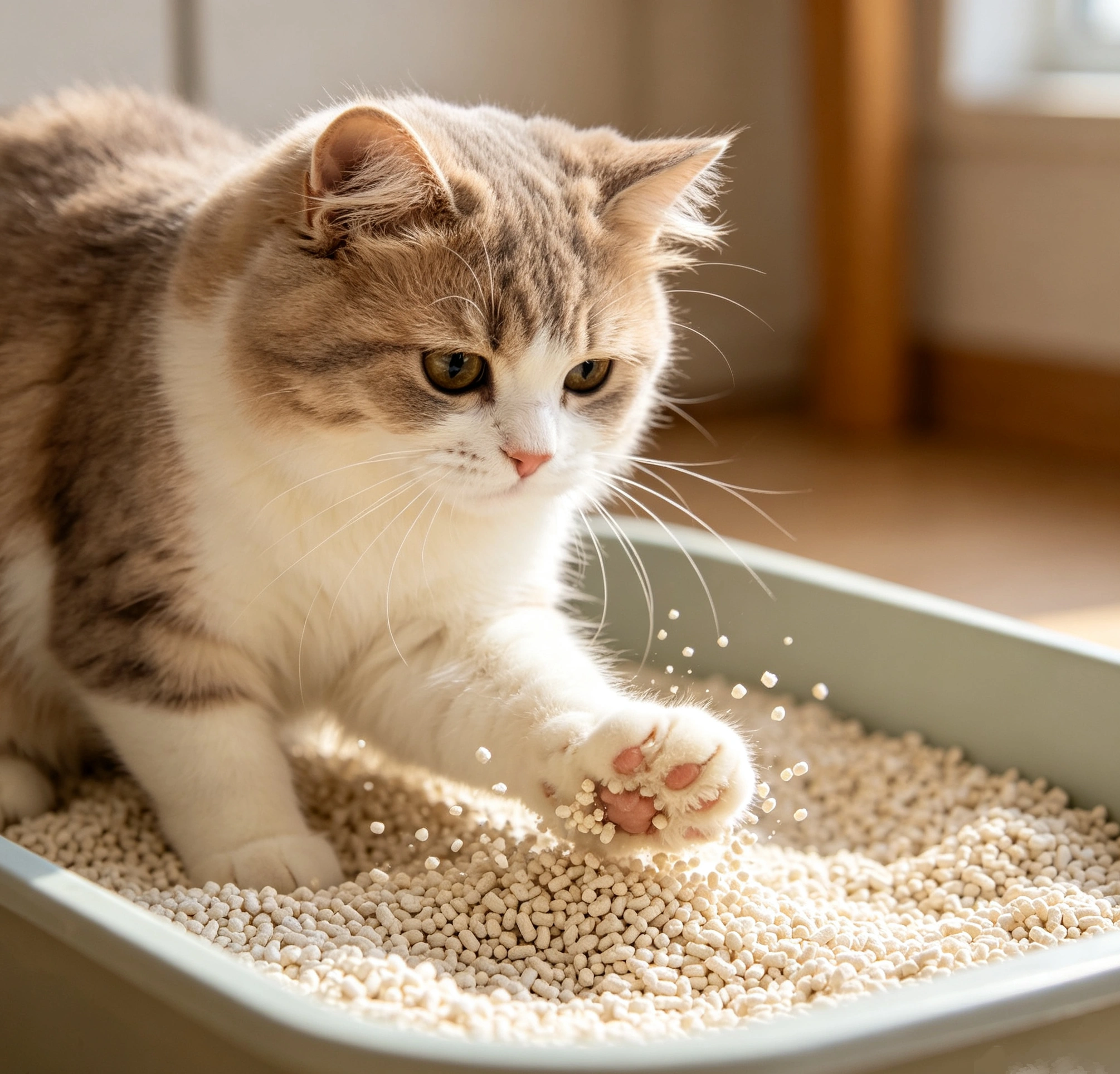
Cat Litter Production
As you can see there are many kinds of fertilizers, so the opportunities are varies and huge. Catch the The Opportunities Brought by Restricted Imported Fertilizer.
How to Capitalize: Turning Crisis into Cash
So, how does a farmer or a nation actually take advantage of this situation? It requires a shift in mindset and method.
Step 1: Stop Seeing Manure as Waste
That pile of cow dung is now a product. The opportunities brought by restricted imported fertilizer mean you can invest in equipment to process it. A Solid-Liquid Separator turns slurry into valuable solid cakes. A Rotary Drum Granulator turns those cakes into easy-to-spread pellets that can be bagged and sold. Catch the The Opportunities Brought by Restricted Imported Fertilizer.
Step 2: Embrace Composting at Scale
Composting is no longer just for hippies. It’s a commercial enterprise. With imports restricted, municipalities and farmers are desperate for compost. Investing in Compost Turners and Curing Sheds allows you to process massive volumes of organic waste into a product that fetches a premium price.
Crawler-compost-turner
Step 3: Produce Your Own Energy and Fertilizer. Catch the The Opportunities Brought by Restricted Imported Fertilizer.
Anaerobic Digesters, which were once seen as an environmental luxury, are now an economic necessity. They solve the problem of restricted imported fertilizer by providing two products at once: biogas (energy) and digestate (high-quality fertilizer).
Take the Manure as an Example
Here is the relevant introduction about the palm waste organic fertilizer production line:
Raw material pretreatment
Raw material collection: The collected palm waste needs to undergo preliminary cleaning and crushing to remove impurities and reduce material particle size for subsequent processing.
Ingredient adjustment: Mix palm waste with other auxiliary materials such as livestock manure or plant straw to adjust its carbon nitrogen ratio and moisture content. Usually, the optimal carbon to nitrogen ratio is 25:1-30:1, and the moisture content is maintained at 50% -60%.
One fermentation
Composting fermentation: Stack the prepared raw materials in the fermentation area and start the fermentation process by adding microbial strains. At this stage, it is necessary to control temperature, humidity, and ventilation to promote the activity of beneficial microorganisms.
Stacking treatment: During the fermentation process, the material is regularly flipped using a pile turning machine to ensure full contact with air and promote uniform fermentation. Catch the The Opportunities Brought by Restricted Imported Fertilizer.
Secondary fermentation
Post fermentation: After one fermentation is completed, the material needs to be further decomposed. This stage mainly aims to make organic matter more stable, reduce the odor of fertilizers, and thoroughly kill harmful bacteria and insect eggs.
Fine crushing: After fermentation, the material is finely crushed by a grinder to ensure that its particle size meets the requirements for subsequent granulation.
Crushing and stirring
Mixing and stirring: The crushed material is fed into a mixer and thoroughly mixed with necessary trace elements or other fertilizer additives to ensure the nutritional balance of the fertilizer.
Mixing standard: During the mixing process, it is necessary to ensure that the materials are uniform and free of large particles or debris, in order to ensure the quality of subsequent granulation.
Granulation molding
Granulation process: The uniformly mixed materials are fed into a granulator to form circular or irregularly shaped particles through extrusion or other means.
Granulation equipment: Common granulation equipment includes disc granulators, drum granulators, etc., which can adjust the size and shape of particles according to demand. Catch the The Opportunities Brought by Restricted Imported Fertilizer.
Drying and cooling
Drying treatment: The granulation particles have a high moisture content and need to be dried by a dryer to reduce their moisture content to a level suitable for storage and transportation.
Cooling process: The dried particles enter the cooling machine for cooling, which helps to enhance particle strength and prevent particle breakage during subsequent processing. Catch the The Opportunities Brought by Restricted Imported Fertilizer.
Screening packaging
Screening and grading: After cooling, the particles are screened by a screening machine to separate out the unqualified particles and return them for re granulation, ensuring the consistency of the particle size of the finished fertilizer.
Automatic packaging: Qualified particles are packaged by an automatic packaging machine. Common packaging forms include bagged or bulk, and product information and usage instructions must be indicated on the packaging.
If you are interested in the project and to meet and catch this opportunity, please contact me anytime and we can provide you turnkey services. Catch the The Opportunities Brought by Restricted Imported Fertilizer.
Equipment to Seize the Opportunities
The opportunities brought by restricted imported fertilizer are not just theoretical; they require practical tools:
Rotary Drum Granulators: To turn raw compost or manure into uniform, sellable pellets.
Rotary drum granulator is a kind of high efficient molding machinery, which can process raw materials into specific shapes of particles. As the core equipment of compound fertilizer production line, rotary drum granulator is suitable for cold and hot granulation as well as large-scale production of high, medium and low concentration compound fertilizer. Catch the The Opportunities Brought by Restricted Imported Fertilizer.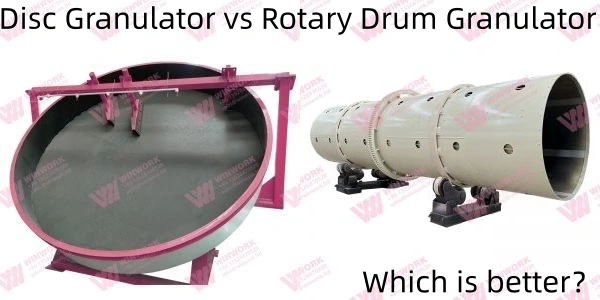
Anaerobic Digesters: To capture methane and produce liquid/solid fertilizer on-site.
Solid-Liquid Separators: The first step in upgrading raw manure into a valuable commodity.
Biochar Kilns: To produce a stable, carbon-rich soil amendment that commands high prices.
Large-Scale Compost Turners: For farmers looking to process not just their own waste, but also waste from municipalities or other farms.
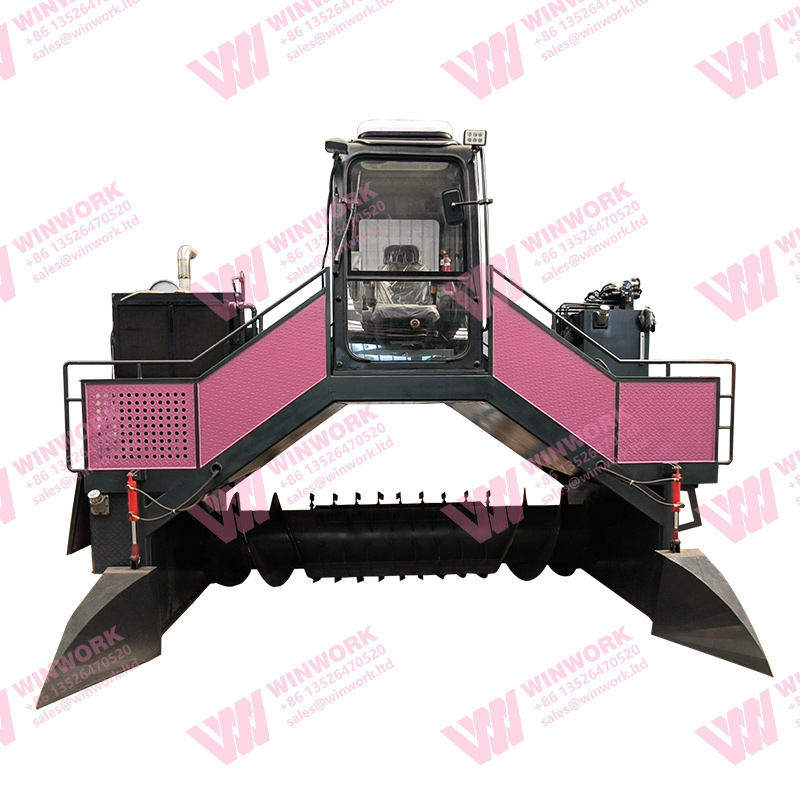
Crawler compost turner is an advanced compost turning equipment, specially designed for compost fermentation process, with the advantages of high efficiency, stability, easy operation and so on.
Crawler compost tumbler realizes automatic operation through crawler walking system, which is the necessary equipment for producing organic fertilizer granules and widely used in organic fertilizer production line.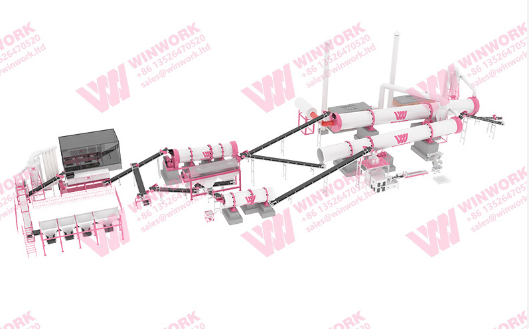
Crawler compost turner can not only quickly improve the fermentation efficiency of materials, but also effectively improve the quality of compost, is the first choice of modern compost production equipment. The Opportunities Brought by Restricted Imported Fertilizer, you must catch it.
Real Farm Example: The National Shift in Kenya
Kenya has faced chronic issues with restricted imported fertilizer, often due to currency shortages and logistical nightmares. Instead of waiting for foreign aid, innovative farmers like Joseph Mwangi started turning his dairy farm into a fertilizer factory. He installed a small anaerobic digester and a pelletizing line.
He now produces enough fertilizer for his own 200-acre maize farm.
He sells excess pellets to neighboring farms, creating a second income stream that rivals his crop profits.
His reliance on imported urea and DAP has dropped to zero.
“This crisis of restricted imported fertilizer forced us to become self-sufficient,” Mwangi says. “Now, we are more profitable and resilient than ever.”
FAQ: Your Questions About Restricted Imported Fertilizer Answered
Q1: Is this just a temporary problem?
A: Maybe, but the opportunities brought by restricted imported fertilizer are creating permanent infrastructure. Once a local industry is built, it doesn’t disappear just because imports resume.
Q2: Can local production really replace imported fertilizer?
A: It can replace a huge chunk of it. For nitrogen, you need industrial synthesis, but for phosphorus, potassium, and organic matter, local manure and rock phosphate are excellent substitutes.
Q3: What’s the biggest hurdle to seizing these opportunities?
A: The initial investment in equipment. However, governments are now offering subsidies and grants specifically to counter the effects of restricted imported fertilizer.
Q4: Is homemade fertilizer as good as commercial stuff?
A: For soil health, it’s often better. Compost and manure pellets improve soil structure, while chemical fertilizers only feed the plant. The synergy is where the real benefit lies.
Q5: How do I start a small fertilizer business?
A: Start with what you have. If you have animals, start with a solid-liquid separator and a simple drying bed. The opportunities brought by restricted imported fertilizer are scalable.
Q6: What about micronutrients? Can I get those locally? The Opportunities Brought by Restricted Imported Fertilizer?
A: Many are found in rock dust, wood ash, and specific mineral deposits. The push from restricted imported fertilizer is reviving the mining and processing of these local minerals.
Q7: Is this only for big farms?
A: No. A smallholder with a few chickens can produce enough pelletized manure for their garden and sell the surplus. The opportunities brought by restricted imported fertilizer exist at every scale.
Q8: Where can I sell this stuff?
A: To neighbors, local cooperatives, landscaping companies, and even government agencies looking to support local agriculture in response to restricted imported fertilizer.
Conclusion
The age of cheap, readily available imported fertilizer is colliding with geopolitical reality. The era of restricted imported fertilizer has arrived, bringing uncertainty and fear. But for those with vision, it also brings immense possibility. By investing in local production, manure processing, and biochar, farmers can turn a crisis into a catalyst for growth. The opportunity isn’t just to survive without imports, The Opportunities Brought by Restricted Imported Fertilizer—it’s to build a more resilient, profitable, and sustainable agricultural system from the ground up.
For more details, please feel free to contact us.
Email: sales@lanesvc.com
Contact number: +8613526470520
Whatsapp: +8613526470520

Get A Quote