

Introduction
Every single day, tons of perfectly good organic matter get tossed into the trash, destined for overflowing landfills where they rot and release harmful greenhouse gases. But what if that “trash” wasn’t waste at all? What if it was the key to growing healthier food and saving you a fortune on garden supplies? The answer lies in Producing organic fertilizer utilizing food waste.
Every year, billions of tons of food waste end up in landfills across the globe, where they rot and release harmful methane gas that speeds up climate change. Meanwhile, home gardeners and commercial farmers alike spend hundreds of millions of dollars on chemical fertilizers every year, many of which damage soil health over time and leach into local waterways.
What if there was a simple solution that solves both of these problems at once, while benefiting you and the planet? Turning your everyday kitchen scraps into homemade organic fertilizer is exactly that solution. It doesn’t require fancy equipment, a huge time commitment, or any special skills, and it brings benefits that stretch from your own backyard to the global climate. Let’s break down exactly why this simple practice is one of the best wins you can make for your wallet, your garden, and the whole planet.
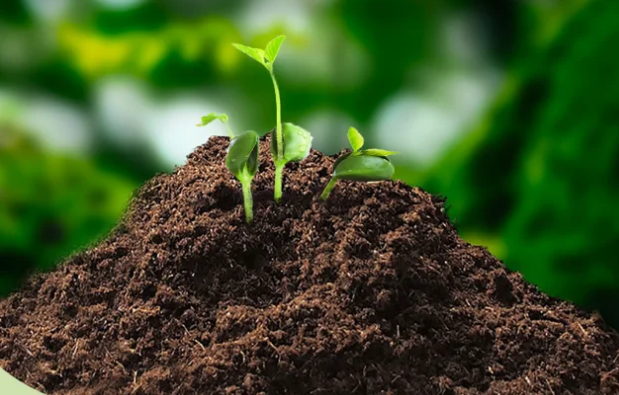
This isn’t just some niche hobby for eco-warriors; it’s a practical, down-to-earth solution for households, restaurants, and farmers alike. By embracing the simple process of Producing organic fertilizer utilizing food waste, you are not only cleaning up your act but also creating a premium, nutrient-dense product that your plants will absolutely love. It’s time to stop throwing money in the bin and start turning your scraps into “black gold.”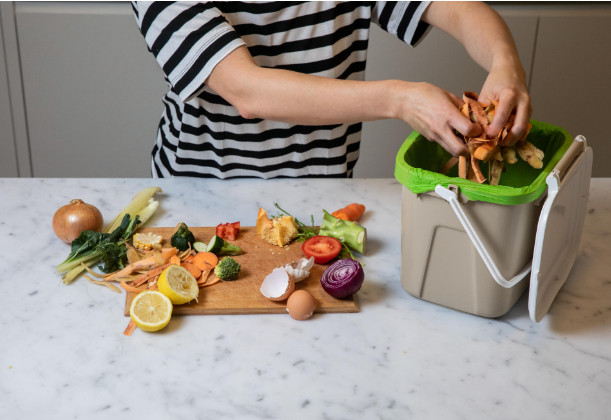
What Exactly Are We Doing Here?
So, let’s break it down without getting too scientific. At its core, Producing organic fertilizer utilizing food waste is nature’s ultimate recycling program. It’s the process of taking organic leftovers—think vegetable peels, coffee grounds, eggshells, and fruit scraps—and letting billions of tiny microbes and decomposers break them down. These hardworking microorganisms consume the waste, digest it, and transform it into a stable, earthy, and incredibly rich soil amendment.
The end goal of Producing organic fertilizer utilizing food waste is to create humus. This isn’t the chickpea dip; in gardening terms, humus is the dark, crumbly, nutrient-packed end product of decomposition. It’s what gives healthy soil its rich smell and its ability to hold water and nutrients. Whether you’re doing it in a backyard bin or a high-tech industrial facility, the principle remains the same: you’re harnessing the power of biology to turn yesterday’s lunch into tomorrow’s harvest.
Why Bother? The Big Benefits of Producing Organic Fertilizer Utilizing Food Waste
You might be wondering, “Why should I go through the hassle?” Here’s the straight talk on why Producing organic fertilizer utilizing food waste is a game-changer.
You Slash Your Trash Bill
This is the most immediate win. Food scraps are heavy and bulky. By diverting them from your regular garbage, you’ll be amazed at how much less trash you put on the curb. Less weight means lower disposal fees for businesses and less frequent pickups for homeowners. Producing organic fertilizer utilizing food waste starts paying for itself from day one by simply lightening your load.
Your Garden Gets a Superfood Boost
Store-bought chemical fertilizers are like energy drinks—they give plants a quick, artificial jolt but do nothing for long-term soil health.
Organic fertilizer made from food waste is different. It releases nutrients slowly, feeds the beneficial fungi and bacteria in the soil, and improves the soil structure. Plants grown with this stuff are often more resilient to pests and diseases. The magic of Producing organic fertilizer utilizing food waste lies in creating a living, breathing soil ecosystem.
You Fight Climate Change at Home
When organic waste rots in a landfill without oxygen, it creates methane—a greenhouse gas far more potent than carbon dioxide. By composting at home or through municipal programs, you ensure that waste breaks down with oxygen, drastically reducing harmful emissions. Producing organic fertilizer utilizing food waste is a direct, actionable way to lower your carbon footprint.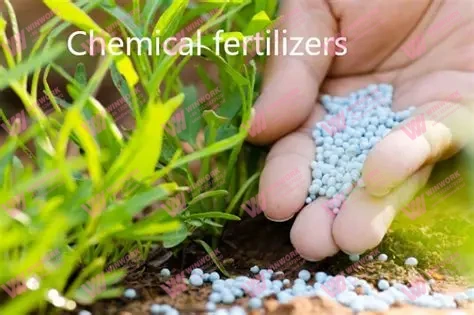
It’s Practically Free
Once you have your system set up, the raw materials cost you nothing. In fact, you were probably paying to have them taken away! The only investment is a bit of time and perhaps a bin or some worms. The return on investment for Producing organic fertilizer utilizing food waste is unbeatable because your input is a “waste” product and your output is a valuable resource.
How Does It Work? The Nuts and Bolts
Alright, let’s get our hands dirty. How do you actually turn a banana peel into fertilizer? The process of Producing organic fertilizer utilizing food waste relies on creating the perfect environment for decomposers to do their job.
Step 1: The Balancing Act (Greens vs. Browns)
This is the most crucial part. You need a balance of “greens” (nitrogen-rich materials like fruit and vegetable scraps, coffee grounds, tea bags) and “browns” (carbon-rich materials like dried leaves, shredded newspaper, cardboard, sawdust). A good rule of thumb is roughly two to three parts browns to one part greens. This balance ensures the pile heats up properly and doesn’t start to smell like a rotten egg. Mastering this ratio is fundamental to Producing organic fertilizer utilizing food waste successfully.
Step 2: Chop and Mix
Size matters. The smaller the pieces, the more surface area the microbes have to work on. Chop up your veggie scraps and tear up your cardboard. Layer them in your bin or pile. Every time you add a layer of food waste (greens), cover it with a layer of browns. This helps with aeration and keeps pests away. This simple layering technique is a cornerstone of Producing organic fertilizer utilizing food waste at home.
Step 3: Moisture and Air
Your compost pile needs to be as damp as a wrung-out sponge. Too dry, and the microbes go dormant. Too wet, and it becomes a smelly, anaerobic mess. You also need to introduce oxygen. This means turning your pile with a garden fork every week or two. This turning step is what separates a hot, fast compost from a cold, slow one. For Producing organic fertilizer utilizing food waste, regular turning is the secret sauce.
Step 4: The Waiting Game (Curing)
After several weeks of heating and cooling cycles, the material will start to look dark and crumbly. At this stage, it’s best to let it “cure” for a month or two. This allows any remaining phytotoxins to break down and ensures the fertilizer is stable and safe for your plants. Patience is a virtue when Producing organic fertilizer utilizing food waste.
The Gear You Need: What Equipment is Essential?
You don’t need a factory to get started, but having the right tools makes Producing organic fertilizer utilizing food waste a whole lot easier and more efficient.
A Good Compost Bin: This can be as simple as a plastic bin with holes drilled in it or a fancy tumbler. The key is that it holds heat and moisture while allowing for aeration. For larger scale operations, in-vessel composters or windrow turners are used to manage massive volumes. The bin is your first line of defense in Producing organic fertilizer utilizing food waste.
A Kitchen Caddy: A small, countertop container with a charcoal filter to collect your daily scraps without smelling up the kitchen. It makes the habit of saving scraps painless.
A Garden Fork or Aerator: Essential for turning the pile. Without regular turning, the process slows to a crawl. Good aeration is non-negotiable for Producing organic fertilizer utilizing food waste that doesn’t stink.
A Shredder (Optional but Gold): If you have a lot of yard waste like branches and stalks, a shredder will turn them into the perfect “brown” material, speeding up the entire process.
Worms (for Vermicomposting): If you’re short on space, a worm bin is the way to go. Red wigglers are the champions of Producing organic fertilizer utilizing food waste in small, indoor setups. They produce a fertilizer (worm castings) that is arguably even more potent than traditional compost.
Each piece of equipment plays a vital role. Skimping on aeration leads to smells; skimping on a good bin leads to pests. Producing organic fertilizer utilizing food waste is a system, and every part needs to work together.
The Working Principle
Raw material treatment: because organic waste is usually not easy to decompose, and contains some harmful substances to the soil, so it needs to be fully cooked and fermented, decomposition to remove the harmful substances, the formation of nutrient-rich humus. At this stage, the organic fertilizer production line researched and developed by our company can deal with this problem well by using compost turning machine and fermentation tank.
Through the compost turner, the material heap which has been sown with bacteria is turned, broken up and stirred, so as to promote the fermentation and maturation of the material, microbial growth and reproduction, and reduce the environmental pollution.
Through the fermentation tank, the material can be anaerobic, temperature-controlled treatment, to ensure that the material can be quickly fermented and ripened, the formation of organic fertilizer can be manufactured raw materials.
Raw material processing stage: after composting and fermentation of raw materials with rich organic matter, can effectively improve the quality of soil, and enhance the production of crops, but still not easy to save and transport, and can not be stored for a long time, we need to further processing.
The use of crusher, through the crusher internal high-speed rotating blades and chains, the fermentation of the material to complete the grinding, the formation of easy-to-handle powder, and then sent to the mixer after the full mixing and stirring, so that the material is more uniform, in this step can also add some necessary ingredients, such as additives, adhesives and so on.
Granulation: The processed powder will be sent into the churning teeth granulator through the belt conveyor, and the churning teeth rotating at high speed in the cylinder will mix, bond and cut the materials to form compact granules and push them backward to the discharge port to send them out.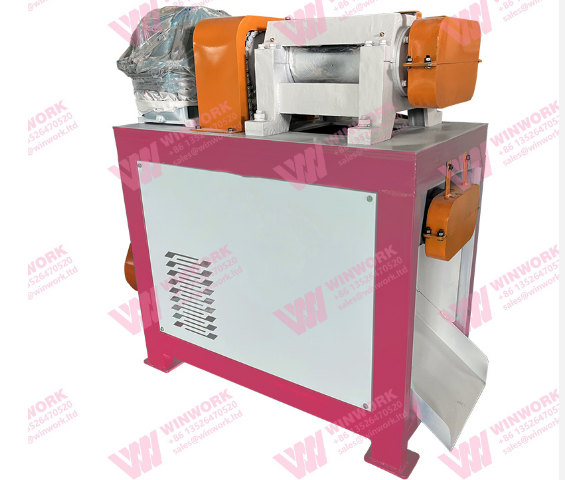
Drying and cooling: By entering the dryer and cooler, the moisture of the granule is reduced and the hardness and stability of the granule is increased.
Screening: After drying, the granules enter the sieving machine to sieve out the granules that don’t meet the production standard and return them to be crushed and granulated again to improve the utilization rate, and at the same time, send out the granules that meet the production requirements.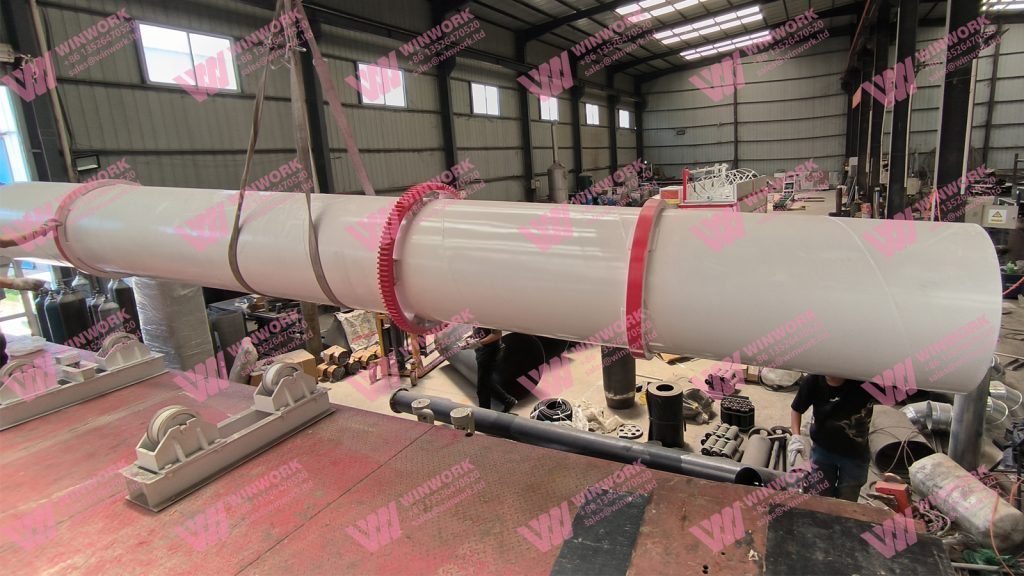
Finished product processing: finished particles can be added according to customer demand for film wrapping machine or packaging machine, to further enhance the production effect, to ensure the quality of the finished product.
The granulation step is very important, it is the essential decision whether your products are well sized or just powder, and this can be store for a long time without broken as long as in a comfortable environment.
FAQ: Your Questions About Producing Organic Fertilizer Utilizing Food Waste Answered
We know you’ve got questions. Here are the answers to what people ask us most about Producing organic fertilizer utilizing food waste.
Q: Will it smell bad?
A: Not if you do it right. A healthy compost pile smells like a forest floor—earthy and pleasant. If it smells like rotten eggs or ammonia, it means you have too many “greens” and not enough “browns,” or it’s too wet. Fix the balance, and the smell will vanish. Proper Producing organic fertilizer utilizing food waste should never be a nuisance.
Q: Can I put meat, dairy, and oily foods in my compost?
A: For a standard backyard bin, it’s best to avoid these. They can attract rodents and create strong odors as they decompose. However, specialized systems like Bokashi bins (which use fermentation) or industrial composting facilities with high-heat processes can handle these materials safely. Always check what your specific method allows when Producing organic fertilizer utilizing food waste.
Q: How long does it take?
A: It depends on your method and how much you manage it. A hot, well-managed pile can produce finished compost in as little as 3-6 months. A cold pile or worm bin might take 6-12 months. The key is patience and regular maintenance. The timeline for Producing organic fertilizer utilizing food waste is worth the wait.
Q: Is it really worth the effort for a small garden?
A: Absolutely. Even a small amount of homemade compost can make a huge difference. It improves your soil’s water retention, meaning you water less. It provides a slow-release meal for your plants all season long. For the small effort of Producing organic fertilizer utilizing food waste, the payoff in plant health is immense.
Q: What if I live in an apartment?
A: No problem! Worm composting (vermicomposting) is perfect for apartments. A small bin under the sink can process a surprising amount of food scraps without any smell. You can also look for community composting programs in your area. Producing organic fertilizer utilizing food waste is scalable to any living situation.
Conclusion: Don’t Wait, Start Transforming
The evidence is clear. The pile of scraps on your counter isn’t garbage—it’s the beginning of your next great harvest. Producing organic fertilizer utilizing food waste is one of the simplest, most impactful things you can do for your wallet, your garden, and the planet.
By embracing this process, you are closing the loop, reducing waste, and creating a product that nurtures life. It’s time to look at your trash can in a whole new light. Start your compost pile today, and join the growing movement of people who know that the best fertilizer doesn’t come from a bag—it comes from last night’s dinner. Make the change. Your garden will thank you.
For more details, please feel free to contact us.
Email: sales@lanesvc.com
Contact number: +8613526470520
Whatsapp: +8613526470520

Get A Quote