

Introduction
Is your organic fertilizer stuck on the local shelf while competitors are shipping worldwide? The secret isn’t just better compost; it’s the seal of approval. Securing International quality certification for organic fertilizer is the ultimate game-changer, unlocking premium prices and global trust. This guide breaks down exactly what you need to know to get certified and dominate the international stage.
The Passport Your Fertilizer Needs
Let’s cut to the chase. If you are producing organic fertilizer and dreaming of exporting to the US, Europe, or Japan, you cannot ignore the International quality certification for organic fertilizer. It is not just a fancy sticker; it is the legal and commercial passport required to enter the world’s most lucrative markets. Without it, your product is just dirt. With it, you have a premium commodity that consumers trust implicitly.
In this article, we are going to walk through exactly what this certification means, the heavy-duty equipment you need to ensure you pass inspection, and answer the burning questions that keep fertilizer producers up at night.
What is International Quality Certification for Organic Fertilizer?
Imagine you are a farmer in California or a gardener in Germany. You want to buy organic fertilizer. How do you know the bag you are holding actually meets the strict organic standards of your country? You look for the certification logo.
International quality certification for organic fertilizer is a verification process conducted by accredited third-party agencies. These agencies audit your entire production line—from the cow manure or kitchen scraps you start with, to the finished pellet in the bag. They ensure that no synthetic chemicals, sewage sludge, or genetically modified organisms (GMOs) have touched your product.
The most recognized standards globally include:
USDA Organic (NOP): The gold standard for the United States.
EU Organic: The mandatory requirement for selling within the European Union.
JAS Organic: The standard required for the Japanese market.
OMRI Listed: While technically a material review, having your inputs OMRI listed is often the first step toward full USDA compliance.
Obtaining International quality certification for organic fertilizer proves to your customers that you are playing by the rules and prioritizing environmental health.
The Equipment: Building a Line That Passes the Test
You might think certification is all about paperwork, but I am here to tell you: it starts on the factory floor. You cannot certify garbage. To meet the standards of International quality certification for organic fertilizer, your production equipment must be capable of delivering consistency, purity, and safety. You need machines that don’t just mix, but manage the biological process.
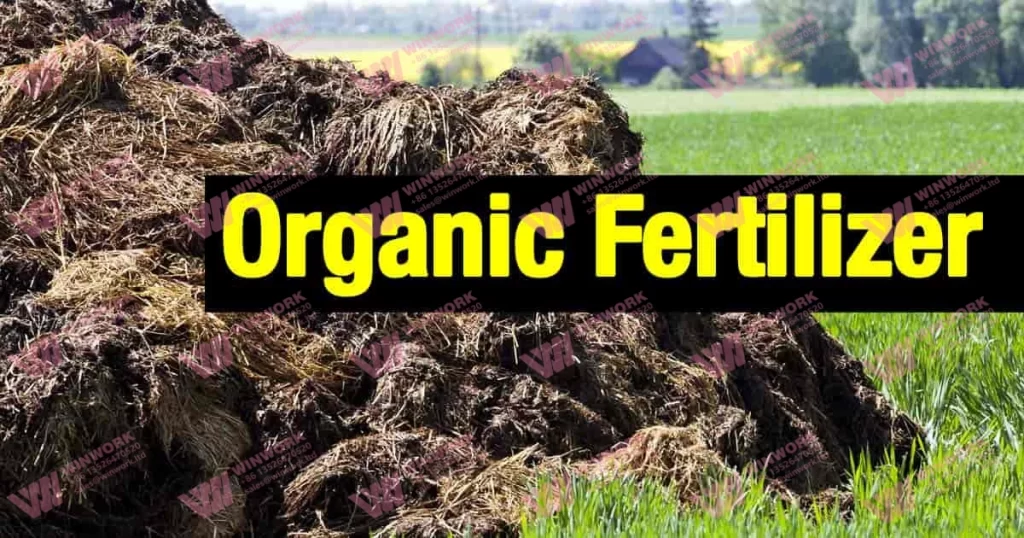
Here is the essential gear you need to get certified:
The Fermentation System (Compost Turners)
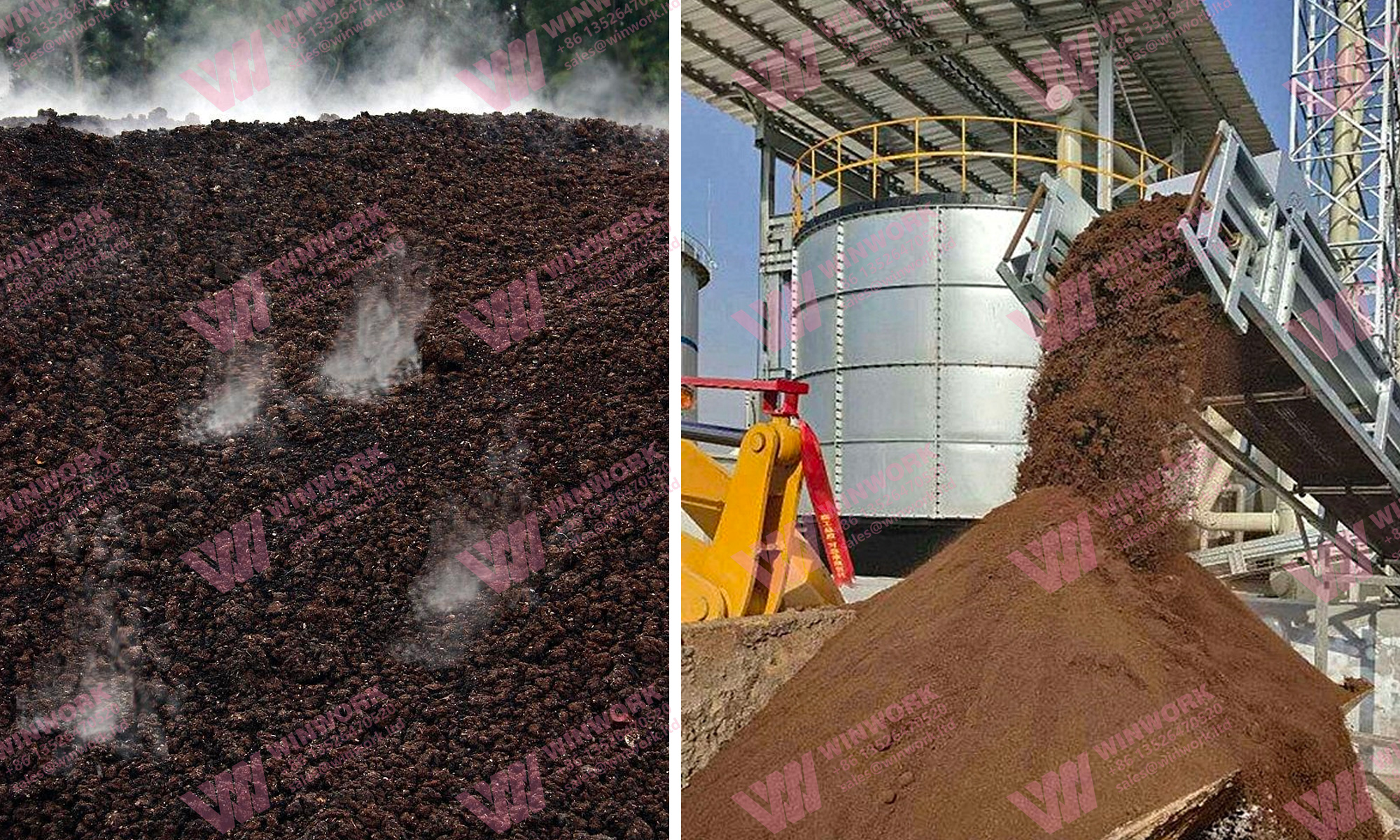
This is where the magic happens. You need a compost turner—either windrow or groove type—that can maintain the high temperatures (55-65°C) required to kill pathogens and weed seeds. An International quality certification for organic fertilizer audit will ask for temperature logs. If your turner can’t automate this data, you are in trouble. Modern turners often come with sensors that record temperature data automatically, making your audit trail a breeze.
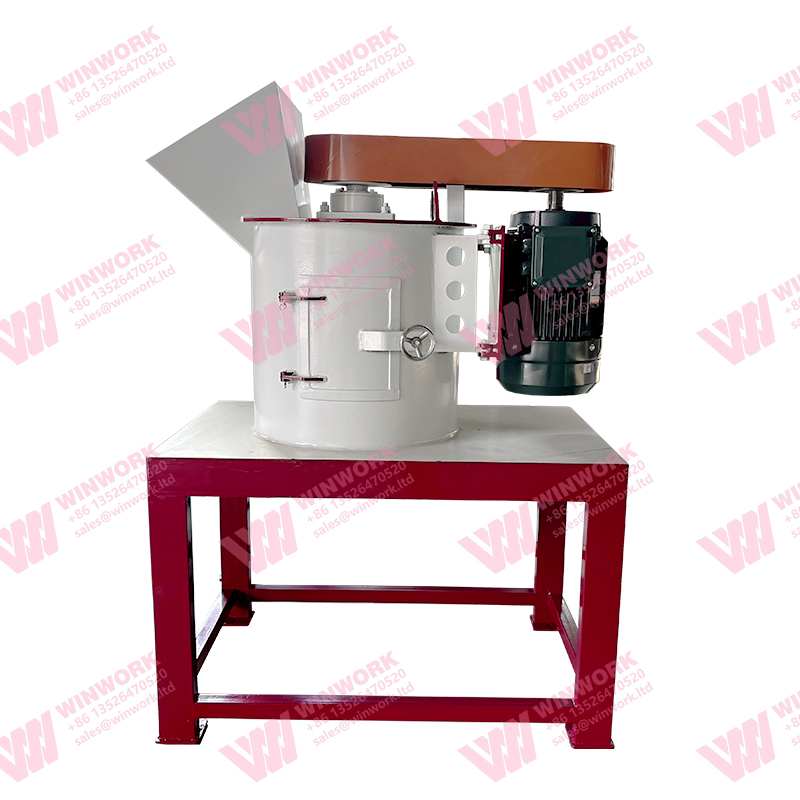
The Crusher and Screener
Certification bodies are obsessed with purity. You cannot have plastic, glass, or rocks in your organic fertilizer. After fermentation, you need a high-efficiency crusher to turn clumps into powder, followed by a vibrating screen. The screener ensures that only particles of a specific size move forward. This step is critical because foreign objects are an instant “fail” for International quality certification for organic fertilizer.
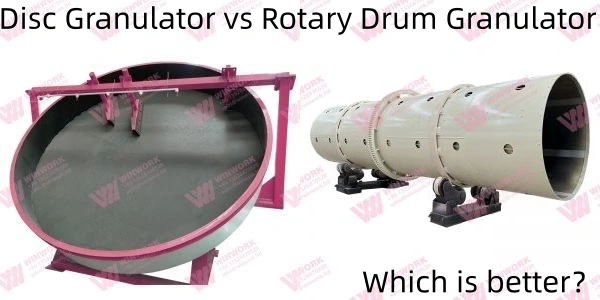
Precision Granulators
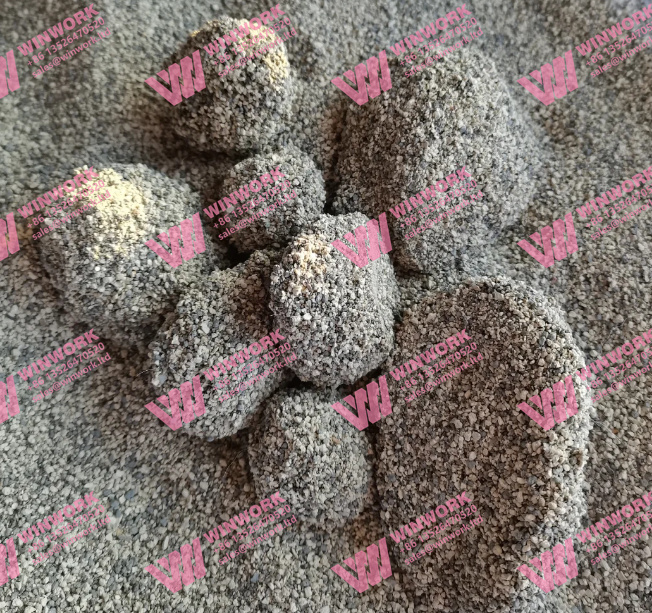
Most markets prefer granular fertilizer over powder because it is easier to spread. However, granulation requires binders. To keep your International quality certification for organic fertilizer, you must use organic-approved binders like lignosulfonate or starch. Your granulator (disc or drum) must be able to produce hard, round pellets without relying on synthetic glues.
The Drying and Cooling Machine
Moisture control is a silent killer. If your fertilizer is too wet, it will rot in the bag, leading to mold—a major violation of organic standards. A rotary dryer and cooler system locks in the perfect moisture content (usually below 30%). Consistent moisture levels are a key metric checked during the International quality certification for organic fertilizer renewal process.
In-House Lab Equipment
You cannot rely on guessing. To maintain your International quality certification for organic fertilizer, you need to test every batch for heavy metals (Lead, Cadmium, Mercury) and nutrient content (NPK). Investing in a portable NPK analyzer and heavy metal test kits allows you to reject bad batches before they ever leave your facility.
Why Bother? The ROI of Certification
You might be looking at the cost of equipment and the certification fees and thinking, “Is it worth it?” The answer is a resounding yes. Here is why investing in International quality certification for organic fertilizer pays off:
Premium Pricing: Certified organic fertilizer can sell for 20% to 50% more than non-certified equivalents.
Market Access: You can legally sell in the USA, EU, and Japan. Without certification, customs will turn your shipment around at the border.
Consumer Trust: In a world full of green washing, the certification logo is a beacon of trust. It tells the buyer, “This product is the real deal.”
FAQ: Your Questions, Answered
Q1: How long does it take to get International quality certification for organic fertilizer?
A: Typically, the process takes between 3 to 6 months. This includes the time to prepare your Organic System Plan (OSP), the initial inspection, and the review period. If you have your equipment and records in order, you can speed this up.
Q2: Is my land automatically considered organic if I use organic fertilizer?
A: No. The International quality certification for organic fertilizer applies to the input(the fertilizer). For the landto be certified organic, it must undergo a 3-year transition period where no prohibited substances are applied.
Q3: Can I use a regular fertilizer granulator for organic production?
A: Yes, but you must ensure it is thoroughly cleaned of any residues from previous non-organic production runs. Also, the granulator must be compatible with organic binders. Many manufacturers now offer specific “organic” production lines designed to meet the hygiene standards required for International quality certification for organic fertilizer.
Q4: What happens if I fail the inspection?
A: You will usually be given a list of “non-compliances.” You fix the issues (e.g., better record-keeping or equipment cleaning) and the inspector will verify the fix. It is rare to be rejected outright on the first try if you are working with a reputable certification body.
Q5: Does the certification cover all my products?
A: Not automatically. You must apply for International quality certification for organic fertilizer for each specific product or product line. You cannot certify your whole factory; you certify the specific outputs.
Conclusion
Breaking into the global organic market is not for the faint of heart, but it is incredibly rewarding. The International quality certification for organic fertilizer is your key to unlocking that potential. By investing in the right fermentation, granulation, and testing equipment, you aren’t just making fertilizer; you are building a brand that the world can trust. Don’t let your high-quality compost go to waste in a local market—get certified, gear up, and go global.
For more details, please feel free to contact us.
Email: sales@lanesvc.com
Contact number: +8613526470520
Whatsapp: +8613526470520
Get A Quote