

Introduction
Are you looking to transform loose, powdery raw materials into high-value, uniform granules without the massive energy costs of high-heat drying? The answer lies in the Rotary drum cold compaction granulation method. This innovative process is rapidly becoming the gold standard for manufacturers who want to produce high-quality compound fertilizers efficiently. Unlike traditional high-temperature processes, the Rotary drum cold compaction granulation method utilizes mechanical tumbling and minimal moisture to bind particles together, offering a sustainable and cost-effective solution for the modern agricultural industry.
What is the Rotary Drum Cold Compaction Granulation Method?
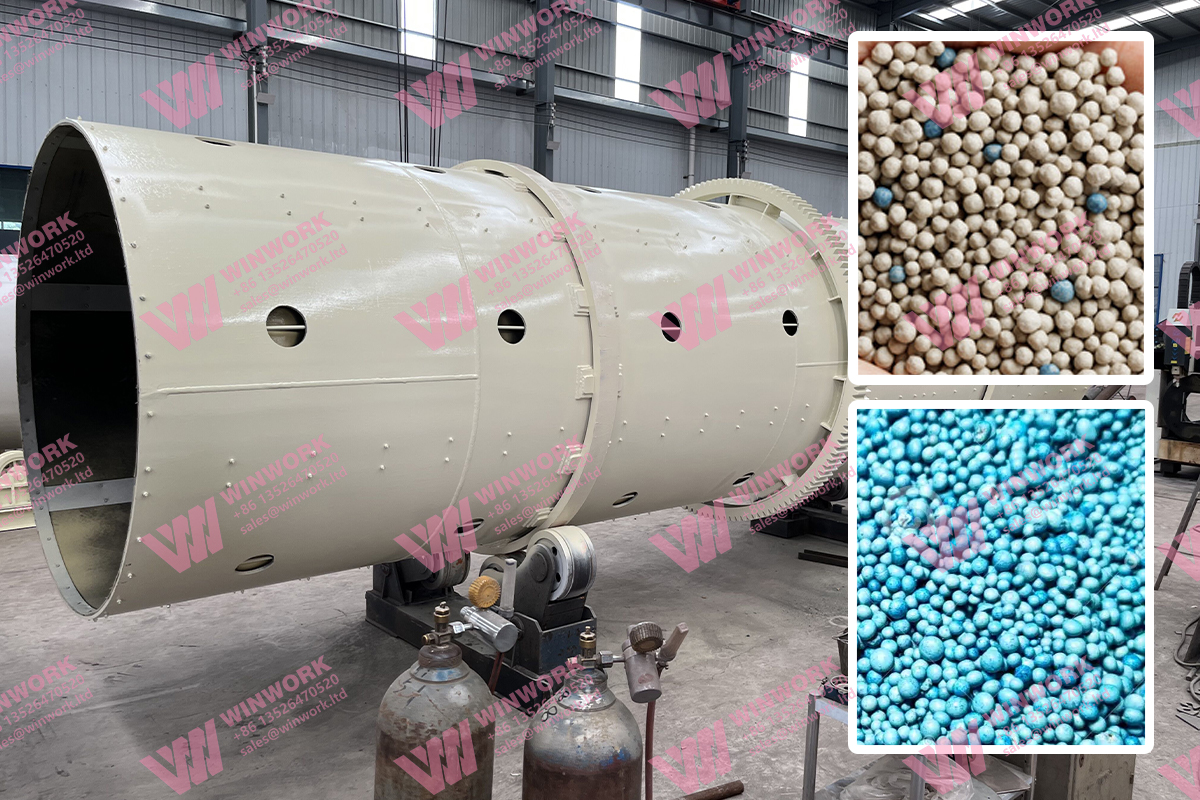
In simple terms, the Rotary drum cold compaction granulation method is a mechanical process that turns fine powders into solid, round granules using a large, rotating cylinder. The word “cold” distinguishes this method from thermal granulation processes (like tower granulation) that require melting materials. Instead, this method relies on a small amount of liquid binder—usually water or steam—and the physical force of rotation to compact the material.
Imagine a giant, slowly spinning concrete mixer. As the drum turns, the internal flights (lifting plates) pick up the moist powder and drop it back down. This constant tumbling action causes the particles to collide and stick together, much like rolling a snowball. The Rotary drum cold compaction granulation method is highly valued because it preserves the chemical integrity of heat-sensitive raw materials while producing a product with excellent physical strength.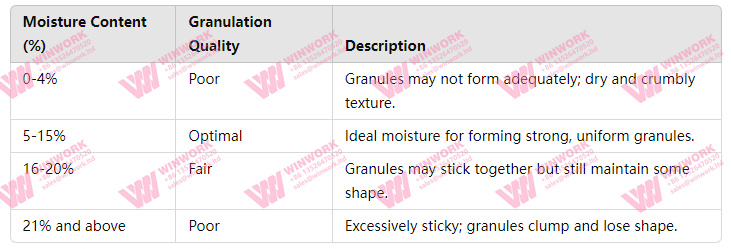
How Does the Rotary Drum Cold Compaction Granulation Method Work?
The working principle of the Rotary drum cold compaction granulation method is a beautiful example of physics in action. Here is the step-by-step breakdown of how it transforms dust into dollars:
Feeding and Binding: Powdered raw materials (like NPK compounds) are fed into the drum. Simultaneously, a binder solution is sprayed onto the material. This liquid creates a thin film on the surface of the particles, making them slightly sticky.
Agglomeration: As the drum rotates (typically at 5-15 RPM), the material is lifted by internal baffles and dropped through the air. The moisture on the particle surfaces acts as a glue, causing small nuclei to form.
Growth: These tiny nuclei roll around in the powder bed, continuously picking up more material and growing in size. This is where the “compaction” aspect of the Rotary drum cold compaction granulation method comes into play—the constant pressure from the rolling bed densifies the granules.
Discharge: Once the granules reach the desired size (usually 2mm to 5mm), they exit the drum. Because the process uses relatively low heat (often just ambient or slightly warmed by steam), it is classified as “cold” granulation.
Comparing the Rotary Drum Cold Compaction Granulation Method to Other Techniques
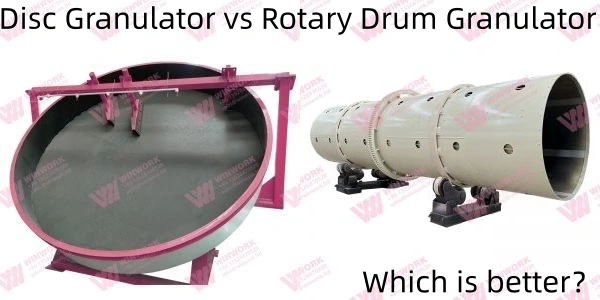
To understand why the Rotary drum cold compaction granulation method is so popular, we need to look at the competition. There are three other major players in the granulation world:
Disc (Pan) Granulation: This uses a spinning saucer-shaped disc. While it produces beautiful, round balls, it generally has a lower output capacity compared to the Rotary drum cold compaction granulation method. If you are running a massive industrial plant, the disc might be too slow for your needs. The disc granulator adopts advanced design and high quality materials, featuring high efficiency and durability. The disk corners of the pelletizing disc adopt rounded structure, and the pelletizing rate is up to 93% or more.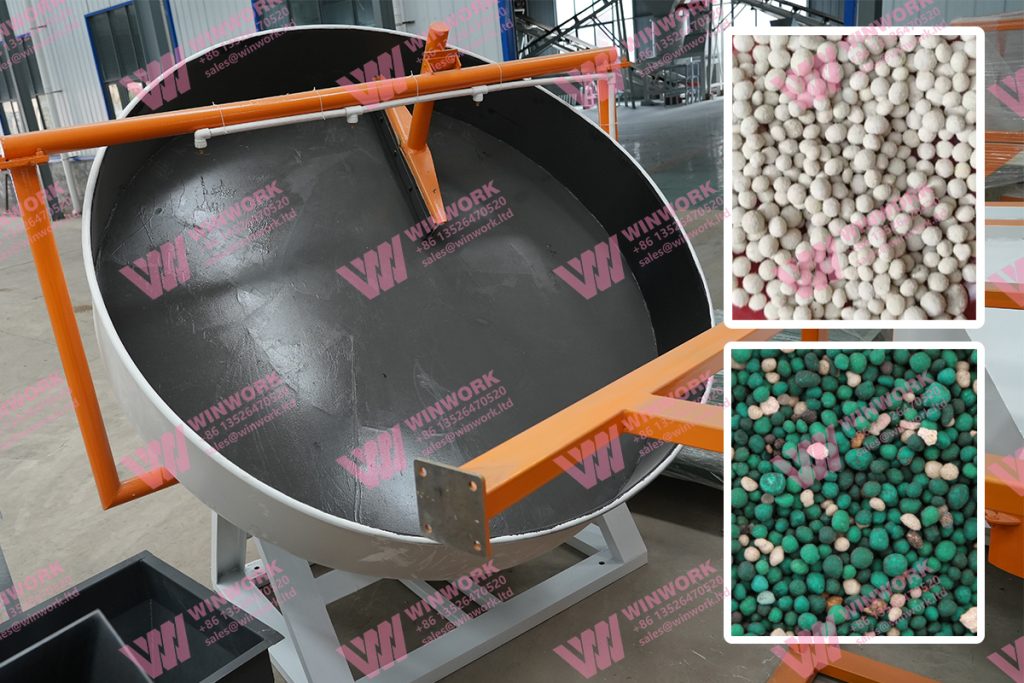
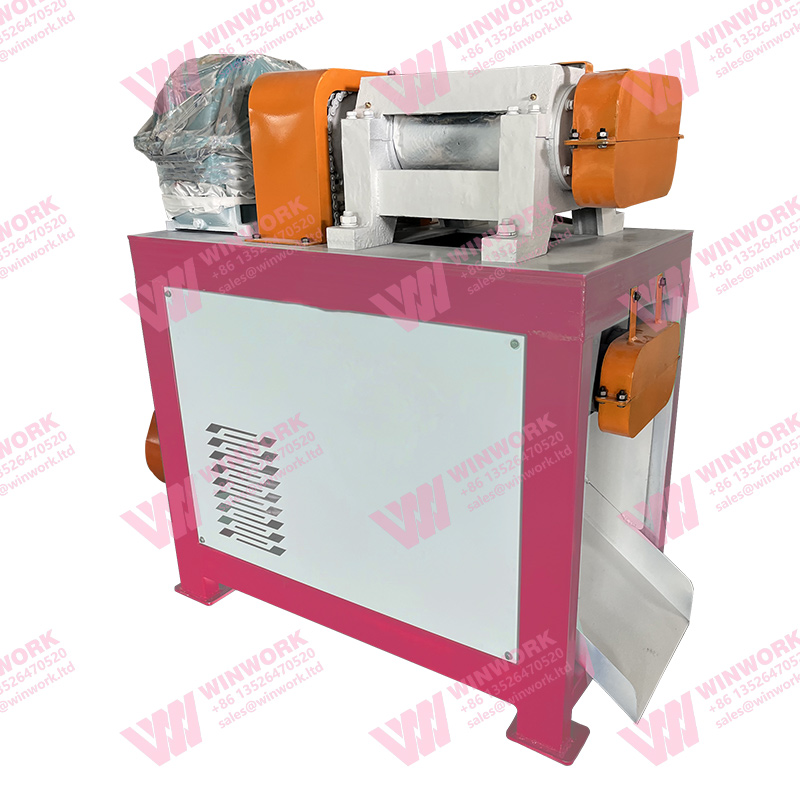
Double Roller Extrusion: This is a dry process that presses powder between two rollers. It saves energy on drying, but the granules often come out looking like small pills or irregular shapes rather than spheres. The Rotary drum cold compaction granulation method wins on product aesthetics and market appeal.
Double roller granulator is the key equipment in compound fertilizer production line and npk production line, featuring advanced technology, reasonable design, compact structure, strong practicability and low energy consumption.
Double roller granulator and the corresponding auxiliary equipment supporting, can form a small production line, with a certain capacity, to achieve continuous, mechanized production. Roller extrusion granulator adopts superior formula, no need to dry, can be produced at room temperature. The product can be rolled and shaped once, so that its quality can meet the requirements of technical indexes of compound fertilizer.
Double roller granulator is suitable for the production of high, medium and low concentration of special compound fertilizers required by various crops, which is a newer product of energy saving and consumption reduction in the compound fertilizer industry.
Tower (Spouted Bed) Granulation: This involves melting the material and spraying it from a tall tower. It produces very hard granules but requires immense energy to melt the urea. The Rotary drum cold compaction granulation method is far more energy-efficient and safer to operate.
The Necessity and Benefits of the Equipment
Why is investing in the Rotary drum cold compaction granulation method equipment a smart move for your business? Here are the hard-hitting benefits:
Energy Efficiency: Since the Rotary drum cold compaction granulation method does not require melting the raw materials, your fuel and electricity bills will be significantly lower than with tower granulation.
High Output Capacity: The continuous tumbling action allows for massive throughput. A single drum can process 5 to 30 tons per hour, making it the backbone of large-scale fertilizer factories.
Product Quality: The granules produced are dense, hard, and round. They resist breaking during transport and spread evenly when applied by farmers. The Rotary drum cold compaction granulation method ensures a high granulation rate, meaning less waste material to recycle.
Flexibility: You can easily adjust the formula. Whether you are making high-nitrogen or high-potassium fertilizers, the Rotary drum cold compaction granulation method handles various raw material characteristics with ease.
Durability: Modern drums are lined with anti-corrosion rubber or stainless steel, which prevents material from sticking to the walls (a process called “scarring”). This means less downtime for maintenance.
FAQ: Common Questions About the Rotary Drum Cold Compaction Granulation Method
We know you have questions. Here are the answers to what people ask us most about the Rotary drum cold compaction granulation method.
Q: Is the “Cold” in Rotary Drum Cold Compaction Granulation Method literal? Is the machine freezing cold?
A: Not at all! “Cold” is an industry term used to distinguish this process from “Hot” melting processes. The Rotary drum cold compaction granulation method usually operates at ambient temperature or slightly warmer if you use steam to help the binding process. It is “cold” relative to a furnace.
Q: What kind of binder do I need for the Rotary Drum Cold Compaction Granulation Method?
A: The most common binder is simply water or water mixed with a small amount of clay or bentonite. Sometimes, steam is injected because the heat helps the chemical reaction between the nitrogen and phosphate components, improving the granule’s final strength.
Q: Can I use the Rotary Drum Cold Compaction Granulation Method for organic fertilizer?
A: Absolutely. In fact, the Rotary drum cold compaction granulation method is excellent for organic materials like humic acid or composted manure because it doesn’t burn off the beneficial microbes with excessive heat.
Q: How do I control the size of the granules?
A: You control the size by adjusting three things: the speed of the drum, the angle of the drum (how fast the material moves through), and the amount of binder sprayed in. Mastering the Rotary drum cold compaction granulation method is all about finding the right balance of these variables.
Q: Is the equipment difficult to maintain?
A: Modern Rotary drum cold compaction granulation method systems are designed for heavy-duty use. The main things to watch are the drive gears and the internal lining. However, because the process is gentle (no high-velocity impacts), wear and tear are generally low compared to crushing equipment.
Conclusion: Is the Rotary Drum Cold Compaction Granulation Method Right for You?
If you are in the business of turning raw materials into profit, the Rotary drum cold compaction granulation method offers a compelling mix of efficiency, quality, and scalability. It bridges the gap between low-cost extrusion and high-cost thermal melting. By adopting the Rotary drum cold compaction granulation method, you are choosing a path of lower energy consumption, higher product value, and operational reliability. It is not just a piece of machinery; it is the engine of growth for your fertilizer production line.
For more details, please feel free to contact us.
Email: sales@lanesvc.com
Contact number: +8613526470520
Whatsapp: +8613526470520
Get A Quote