

Introduction
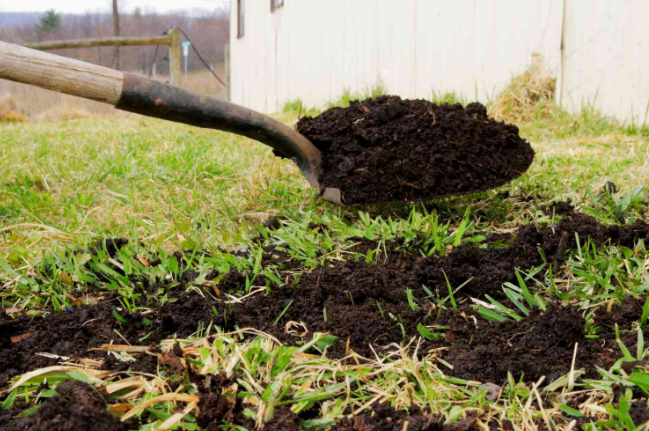
Ever wonder how mountains of smelly food scraps and farm waste magically turn into that rich, dark soil your garden loves? The secret isn’t magic—it’s science. And right now, the Static aerated composting method is leading the charge in turning our “trash” into treasure without the back-breaking labor of the past.
The Static aerated composting method, often called ASP, is a smart, efficient way to break down organic waste. Unlike old-school methods where you have to constantly shovel and turn the pile, this technique keeps the pile still—or “static”—while pumping air directly into the heart of the heap. It’s like giving the compost a pair of mechanical lungs, ensuring the good bacteria stay alive and work fast. If you’re looking to handle waste on a serious scale, the Static aerated composting method is the heavy lifter you need.
What Exactly is the Static Aerated Composting Method?
Imagine you have a giant pile of leaves, food waste, and wood chips. In a traditional compost pile, the stuff at the bottom might rot, but the middle often stays cold and smelly because it doesn’t get enough air. This is where the Static aerated composting method changes the game.
At its core, the Static aerated composting method is a system designed to keep oxygen flowing through a stationary pile of organic matter. We call it “static” because, once the pile is built, you don’t touch it. No shoveling, no turning, no heavy machinery driving over it every few days. Instead, a network of pipes hidden under the pile blows or sucks air through the material. This keeps the microbes happy and working at peak efficiency. It’s the gold standard for facilities that need to process tons of waste quickly and cleanly.
How Does It Work? The “Lungs” of the Operation
The working principle of the Static aerated composting method is surprisingly simple but incredibly effective. Here is the step-by-step breakdown of how it turns waste into black gold:
The Base Layer: You start by laying down a thick bed of bulky material like wood chips or finished compost on the ground. Buried inside this base are perforated pipes connected to a powerful blower.
Building the Pile: On top of this base, you pile your mix of “greens” (food scraps, manure) and “browns” (leaves, sawdust). The pile can be quite tall, often reaching 8 to 10 feet high, because the air system supports the decomposition from below.
The Airflow: This is the magic of the Static aerated composting method. A blower forces air through the pipes and up through the pile (positive aeration) or pulls air down through the pile (negative aeration). This air provides the oxygen the bacteria need to breathe and generates heat.
The Heat Phase: As the bacteria eat the waste, they generate high heat—often over 60°C (140°F). This heat is crucial because it kills weed seeds and harmful pathogens. The Static aerated composting method controls this heat by adjusting the airflow. If it gets too hot, the system pumps more air to cool it down.
The Cover: To keep things tidy, the pile is often covered with a special breathable fabric or a layer of old compost. This keeps rain out, holds heat in, and prevents odors from escaping.
The Gear You Need: What’s in the Toolbox?
You don’t need a massive, complicated factory to run a Static aerated composting method system, but you do need some specific gear to get the air moving. Here is the essential equipment list:
The Blower: This is the heart of the system. It’s a heavy-duty fan that pushes or pulls air. For a large facility, this blower is often controlled by a computer that monitors the temperature inside the pile.
Perforated Pipes: These are usually made of plastic (HDPE) or concrete. They have holes drilled along the sides to let the air spread evenly throughout the pile. Without these, you’d just have a pile of stagnant waste.
Bulking Agent: You can’t just pile up mushy food waste. You need “structure” material like wood chips or shredded branches. This creates air pockets so the air from the pipes can actually move through the pile.
Temperature Probes: To make sure the Static aerated composting method is working, you stick long thermometers deep into the pile. If the temperature spikes too high, the probes tell the blower to kick into high gear.
Front-End Loader: You need a tractor or loader to mix the materials and build the pile on top of the pipes in the first place.
How Does It Stack Up? Comparing the Methods
Is the Static aerated composting method the only way to compost? No, but it’s often the best for commercial operations. Let’s see how it compares to the competition:
Windrow Composting: This is the classic method where long rows of compost are turned regularly with a large machine. While it works, it takes up a ton of land and requires expensive turning equipment that burns a lot of diesel. The Static aerated composting method usually finishes faster and uses less fuel.
In-Vessel Composting: This involves putting waste into enclosed drums or containers. It offers the best odor control but is incredibly expensive to build. The Static aerated composting method gives you about 90% of the control for a fraction of the price.
Vermicomposting: Using worms! Great for small-scale garden waste, but worms can’t handle the high heat or the massive volume that the Static aerated composting method can process.
Why Bother? The Necessity and Benefits
Why are more cities and farms switching to the Static aerated composting method? Because it solves the three biggest headaches in waste management: smell, space, and speed.
Odor Control is King
Let’s be real: nobody wants to live next to a smelly compost pile. The Static aerated composting method is the champion of odor control. Because the pile is often covered and the air is pulled throughthe pile (negative aeration) into a filter before being released, the bad smells never get a chance to reach the neighbors. This makes getting permits for new facilities much easier.
It Saves Your Back (and Your Wallet)
Labor is expensive. With traditional windrows, you need a specialized turning machine and a driver to run it every few days. With the Static aerated composting method, once the pile is built, the machine does the work automatically. You save on fuel, maintenance, and operator wages.
Faster Results
Time is money. Because the Static aerated composting method maintains optimal oxygen levels and high temperatures consistently, the decomposition process is supercharged. You can go from raw waste to finished compost in as little as 4 to 8 weeks, compared to 6 months or more for passive piles.
Better for the Planet
By keeping the pile aerobic (full of oxygen), you prevent the creation of methane gas, which is a major contributor to climate change. The Static aerated composting method is a clean, green way to handle our organic leftovers.
Compost Machine Example
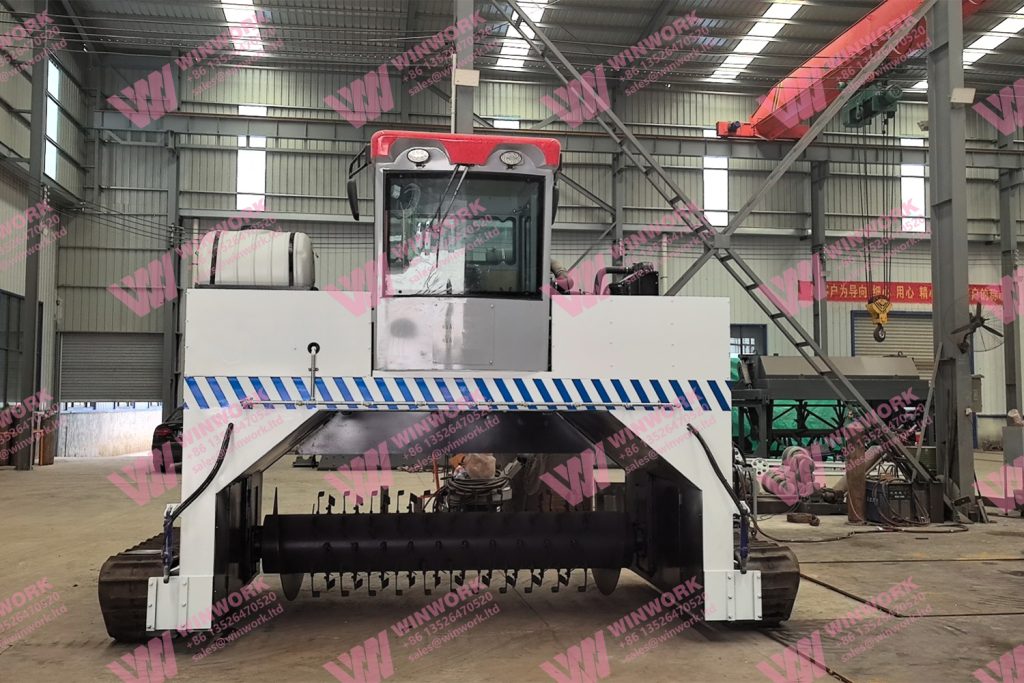
Crawler compost turner is an advanced compost turning equipment, specially designed for compost fermentation process, with the advantages of high efficiency, stability, easy operation and so on.
Crawler compost tumbler realizes automatic operation through crawler walking system, which is the necessary equipment for producing organic fertilizer granules and widely used in organic fertilizer production line.
Crawler compost turner can not only quickly improve the fermentation efficiency of materials, but also effectively improve the quality of compost, is the first choice of modern compost production equipment.
The Vertical Fermentation Tank is a specialized unit designed for efficient aerobic fermentation of organic waste, agricultural residues, sludge and other compostable materials. This fermenter features a vertical structure and a compact design that maximizes space utilization while providing excellent mixing and aeration capabilities. It is widely used in the production of organic fertilizers, compost and other bio-products with the advantages of high efficiency and reduced environmental pollution.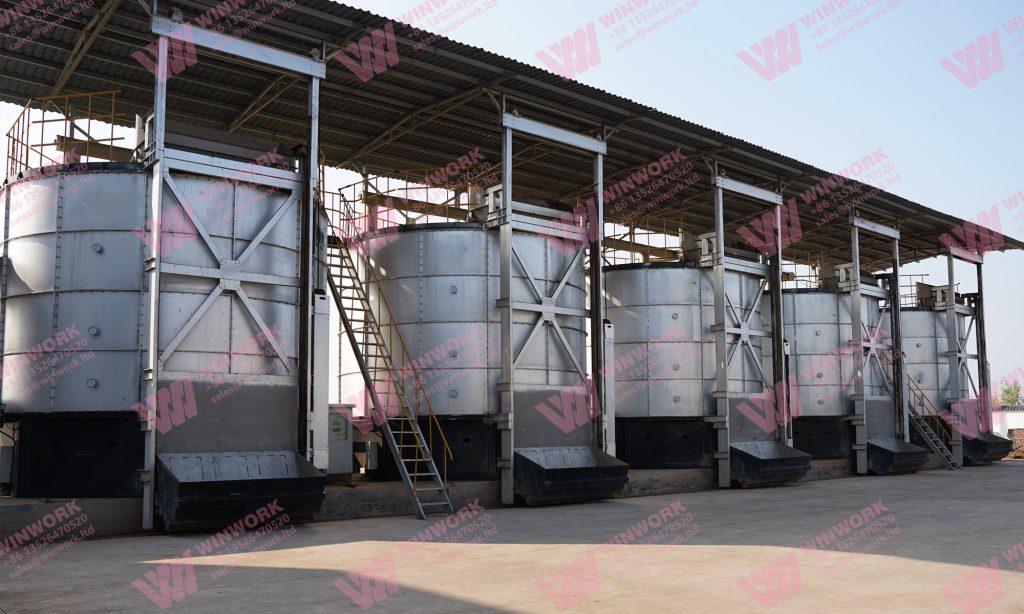
The Wheeled Type Compost Turner is an advanced composting equipment designed for the aerobic fermentation of organic waste, agricultural residues, sludge, and other materials. Featuring a robust wheel-based mobility system and a powerful turning mechanism, this machine ensures efficient material mixing and aeration, promoting rapid composting and high-quality end products. It is ideal for large-scale composting operations and is essential in organic fertilizer production line and compost making line.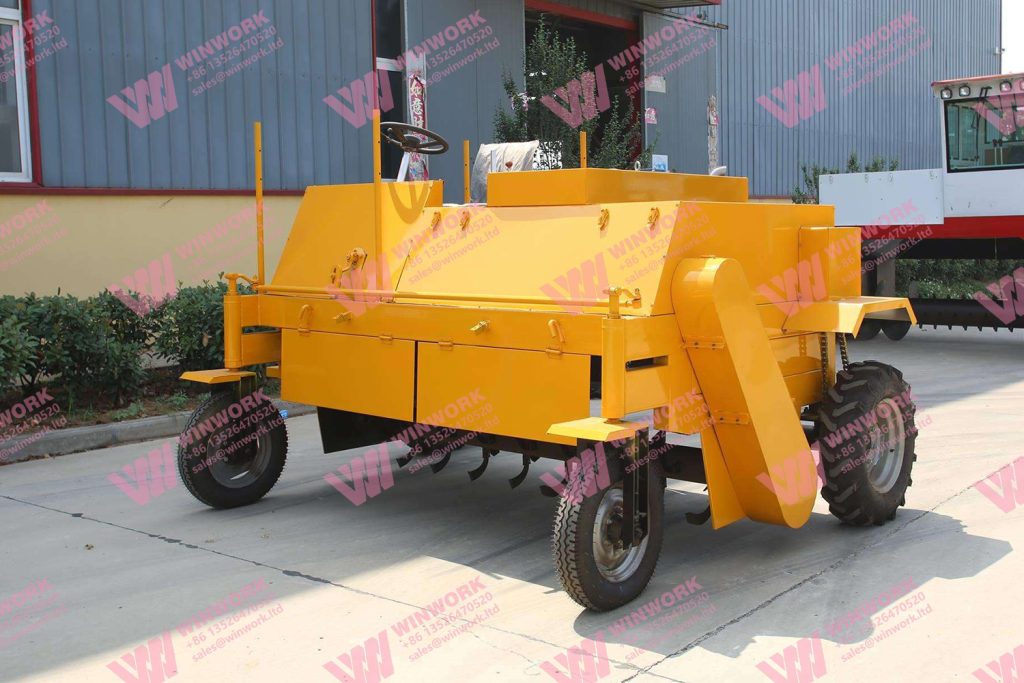
FAQ: Your Burning Questions Answered
We know you’ve got questions about the Static aerated composting method. Here are the answers to what people ask us most.
Q: Is the Static Aerated Composting Method messy?
A: Not at all! In fact, it’s one of the cleanest methods. The pile is usually contained and often covered with a specialized fabric that keeps dust down and prevents rain from turning your compost into a muddy swamp.
Q: Can I use the Static Aerated Composting Method at home?
A: While it’s designed for large-scale operations (like a whole neighborhood’s worth of waste), the principles are the same for smaller “in-vessel” bins. However, for a single backyard, a simple bin is usually easier. The Static aerated composting method really shines when you have tons of material to process.
Q: What happens if the power goes out?
A: The blower stops, and the air stops flowing. For a short outage (a few hours), the pile will be fine. But if the power is out for days, the lack of oxygen can cause the pile to go “anaerobic,” leading to bad smells. That’s why many facilities have backup generators for their Static aerated composting method systems.
Q: Do I really need to use wood chips?
A: Yes, absolutely. If you just pile up grass clippings and food waste, they will compact down into a slimy, airless mess. The wood chips act like pillars, holding the pile open so the air from the pipes can circulate. The Static aerated composting method relies on this structure to work.
Q: Is the equipment expensive?
A: The blower and pipes require an upfront investment, but when you compare it to the cost of buying and fueling a large windrow turner, the Static aerated composting method often pays for itself surprisingly quickly through lower operating costs.
Conclusion: The Future is Static
Waste isn’t going away, but how we handle it is changing. The Static aerated composting method represents a smarter, faster, and cleaner way to close the loop on our organic waste. By combining the simplicity of a static pile with the power of forced air, we can turn yesterday’s lunch scraps into tomorrow’s fertile soil without the hassle, the smell, or the massive carbon footprint.
Whether you are managing a city’s waste stream or running a large farm, the Static aerated composting method offers a reliable path to sustainability. It’s not just about getting rid of trash; it’s about creating value. And in a world that needs more solutions and less waste, the Static aerated composting method is proving to be an indispensable tool in our green arsenal.
For more details, please feel free to contact us.
Email: sales@lanesvc.com
Contact number: +8613526470520
Whatsapp: +8613526470520
Get A Quote