

Introduction
If you are in the fertilizer business, you have likely heard the buzz. The Tower molten granulation method is not just another industrial process; it is a revolution in how we turn raw materials into high-value agricultural products. Simply put, this method involves melting raw materials into a liquid slurry and spraying them from the top of a tall tower, allowing gravity and cooling air to form perfect, round granules as they fall. This comprehensive guide will walk you through exactly what the Tower molten granulation method is, how it stacks up against older technologies, and why it might be the smartest investment you make this year.
What Exactly is the Tower Molten Granulation Method?
Let’s break it down in plain English. The Tower molten granulation method is a manufacturing process used primarily for producing compound fertilizers, though it is also used in the chemical industry for things like urea and nitrates.
Imagine you have a giant tower, usually anywhere from 60 to 120 meters tall. At the bottom, you have powerful fans pushing cool air upward. At top, you have a melting system.
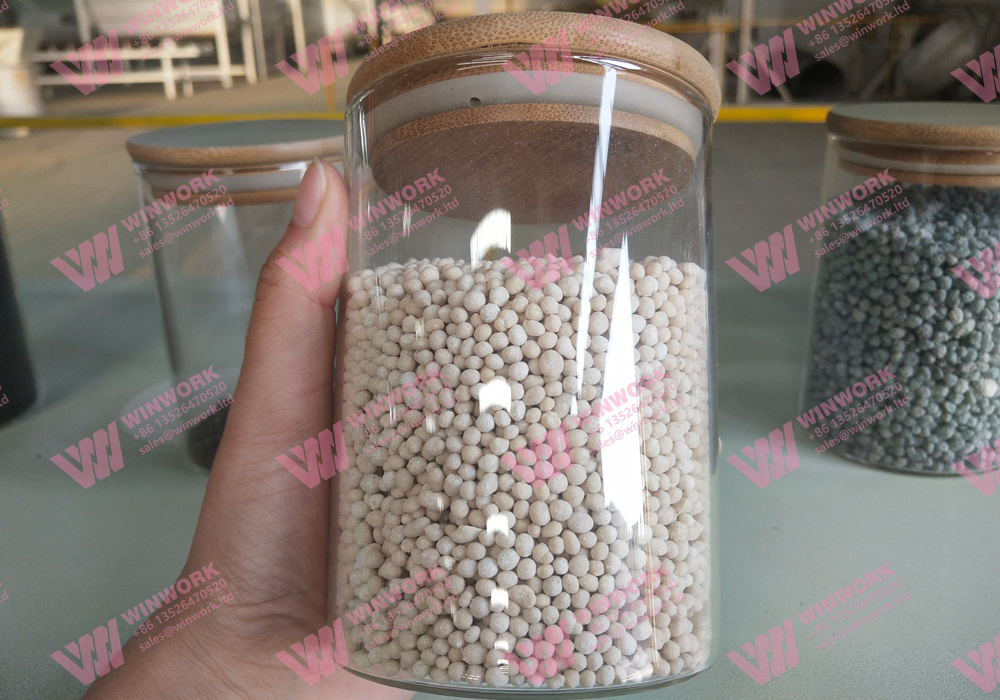
Here is the magic: You take your raw materials—usually urea or ammonium nitrate mixed with phosphate and potash—and you heat them up until they become a hot, flowing liquid (a melt). This liquid is then pushed through a high-tech spinning machine called a granulator or sprayer at the very top of the tower. The liquid shoots out in thousands of tiny droplets. As these droplets fall through the tower, they meet the rising cool air. This rapid cooling causes the droplets to solidify into hard, round balls before they hit the bottom. That, in a nutshell, is the Tower molten granulation method. It is nature’s way of making marbles, but for farming.
How Does the Tower Molten Granulation Method Work? (The Step-by-Step)
To really understand the value, you need to see the workflow. The Tower molten granulation method is a symphony of heat, gravity, and timing.
Melting and Mixing: First, solid urea or ammonium nitrate is melted. Other powdered ingredients like phosphate and potash are added to this melt. The mixture is heated and stirred until it becomes a homogenous, low-viscosity liquid. This is crucial because if the liquid is too thick, it won’t spray correctly.
The Ascent: This hot liquid slurry is then pumped up to the top of the tower. This requires energy, but the efficiency gains later on more than make up for it.
The Spray: At the summit, the slurry enters the granulator. This is a rotating device, often resembling a spinning sprinkler or a high-speed centrifugal disc. It flings the liquid outward through nozzles or holes.
The Descent: This is where the Tower molten granulation method shines. The droplets begin their free fall. Physics takes over. Surface tension tries to pull the liquid into a sphere (a ball). At the same time, the cool air rising from the bottom of the tower hits these droplets, instantly cooling the outer shell.
Solidification: By the time the granules reach the collection area at the bottom, they are completely solid. They are hard, they are round, and they are ready for packaging.
The beauty of the Tower molten granulation method is that it combines mixing, granulating, and cooling into one continuous, seamless motion. There is no need for a separate drying step, which is a massive energy saver.
How Does It Compare? Other Granulation Methods
You might be wondering, “Isn’t there an easier way?” Sure, there are other ways to make fertilizer granules, but they often come with trade-offs. Let’s look at the competition to see why the Tower molten granulation method is often the superior choice.
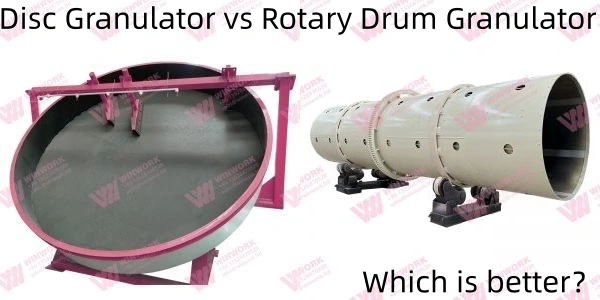
This is the old-school method. You throw powder and a liquid binder into a giant rotating drum and hope it sticks together.
The Problem:It’s messy. You often need to add water to make it stick, .which means you then have to dry the granules in a massive rotary dryer. This consumes huge amounts of fuel (coal or gas). The Tower molten granulation method skips the water and the dryer entirely.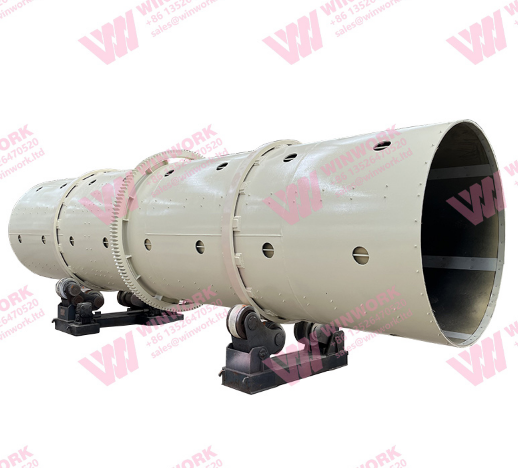
Similar to the drum, but using a tilted spinning disc.
The Problem:It’s great for small batches or specific minerals, but it is hard to scale up to the massive production levels that a modern fertilizer market demands. The granules can also be less uniform in size compared to the perfect spheres created by the Tower molten granulation method.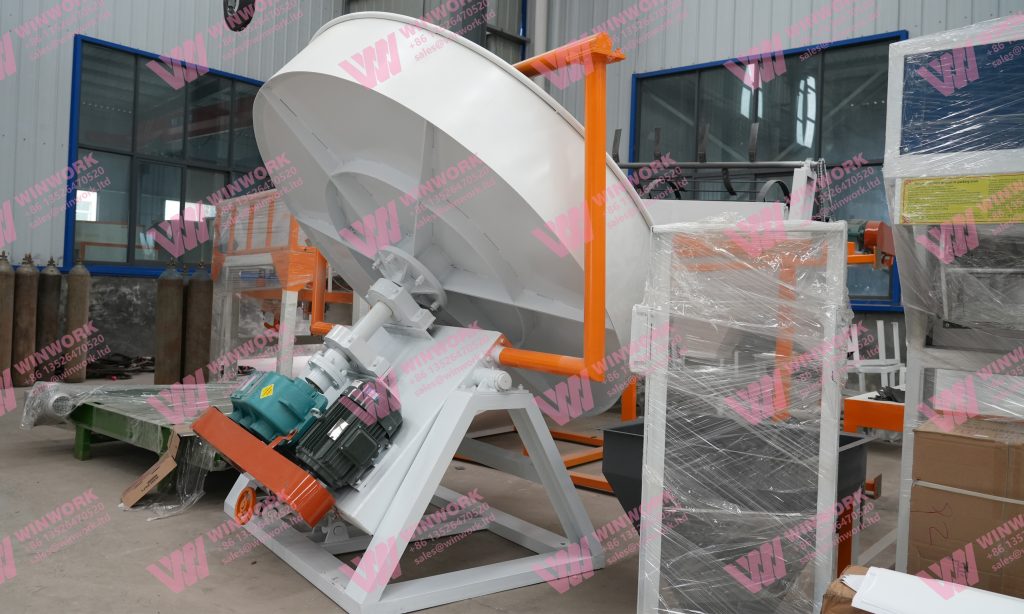
Extrusion Granulation
This forces material through a die to make cylinders or pellets.
The Problem:Extrusion is energy-intensive and the equipment wears out fast because it is pushing against high pressure. The Tower molten granulation method uses gravity and air resistance, which are free forces of nature, making it mechanically simpler in the long run
The Necessity and Benefits of the Tower Molten Granulation Method
Why should you care? Why should you invest in a Tower molten granulation method system? Here are the hard-hitting benefits that affect your bottom line.
Massive Energy Savings
This is the big one. Traditional methods require drying. Drying requires heat. The Tower molten granulation method uses the latent heat of the melt and the cooling power of the air. You are essentially using the atmosphere as your cooling system. This can reduce your energy costs by 30% to 50% compared to drying-based processes.
Superior Product Quality
Farmers love the product that comes from the Tower molten granulation method. Why? Because the granules are perfectly round and hard. They don’t turn to dust in the bag. They flow smoothly through spreaders and airplanes. Plus, the nutrients are distributed evenly throughout the entire granule, not just coated on the outside.
Environmental Friendliness
Because you aren’t using dryers that blast hot air into the atmosphere (potentially carrying dust), the Tower molten granulation method is cleaner. There are fewer emissions and less dust pollution. In today’s regulatory environment, being “green” isn’t just nice—it’s necessary for keeping your operating license.
High Production Capacity
Once that tower is built, it can pump out a lot of product. A single Tower molten granulation method line can produce hundreds of tons of fertilizer per day. It is designed for scale.
Versatility in Formulations
While it excels at high-nitrogen fertilizers (since urea and ammonium nitrate are the melt carriers), modern advancements in the Tower molten granulation method allow for a wide range of NPK (Nitrogen, Phosphorus, Potassium) ratios. You can make specialized blends that command higher prices in the market.
The Essential Equipment: What Do You Need?
Setting up a Tower molten granulation method plant isn’t just about building a tall tower. You need a suite of coordinated machines.
The Melting System: Usually a heated tank or a melter-pump system to turn solids into liquid.
The Mixer/Reactor: Where the magic happens. This is where your molten urea meets your potash and phosphate. It needs to be heated and stirred constantly to prevent settling.
The Tower Structure: This is the most significant capital investment. It needs to be tall enough to allow full cooling and strong enough to withstand the equipment on top.
The Granulator (Sprayer): The heart of the Tower molten granulation method. This spinning head determines the size of your granules. It has to be precision-engineered to handle the heat and the corrosive nature of the melt.
The Air Handling System: Massive fans at the bottom push air up. Some advanced systems even have water spray systems at the top to humidify the air for even faster cooling.
Collection and Screening: At the bottom, you need conveyors to take the granules away and screens to separate the perfect size from the “fines” (which get sent back to the melter to start over).
FAQ: Your Questions About the Tower Molten Granulation Method Answered
We know you have questions. Here are the answers to what people ask us most about the Tower molten granulation method.
Q: Is the Tower Molten Granulation Method only for huge factories?
A: While the towers are large, the technology is scalable. There are compact versions of the Tower molten granulation method suitable for medium-sized operations. The key is the efficiency; even a medium tower can outproduce several traditional drum lines.
Q: What happens if the power goes out?
A: This is a critical safety point. If the spinning granulator stops, the melt will pool and solidify in the tower, which is a disaster. That’s why plants using the Tower molten granulation method always have backup power generators specifically for the granulator drive and the cooling fans.
Q: Can I make organic fertilizer with this?
A: Generally, no. The Tower molten granulation method relies on materials that can be melted (like urea). Organic materials like manure or compost don’t melt; they burn. This method is specifically for chemical-based granular fertilizers.
Q: Why are the granules sometimes flat on one side?
A: This usually means the droplet was still too soft when it hit the bottom. It might be a cooling issue (not enough air) or the tower might be too short for the granule size you are trying to make. Optimizing the Tower molten granulation method involves finding the perfect balance between drop time and cooling speed.
Q: Is it difficult to change the fertilizer formula?
A: It is easier than you think. Since the process is continuous, you can gradually change the recipe in the melter. However, because the tower holds a “column” of falling granules, there will be a transition period where you get a mix of old and new formulas. Smart operators plan their production schedule to minimize this waste.
Conclusion: Is the Tower Molten Granulation Method Right for You?
The fertilizer industry is competitive. Margins are tight, and energy costs are volatile. The Tower molten granulation method offers a pathway to lower operating costs, higher product quality, and a smaller environmental footprint.
While the upfront investment in the tower and the specialized spinning equipment is significant, the long-term savings on energy and labor, combined with the premium price you can charge for “high-tower” quality granules, make it a compelling choice. If you are looking to modernize your production and leave the inefficient, dusty methods of the past behind, the Tower molten granulation method is the technology that can take your business to the next level. It is not just about making fertilizer; it is about making fertilizer better, faster, and cheaper.
For more details, please feel free to contact us.
Email: sales@lanesvc.com
Contact number: +8613526470520
Whatsapp: +8613526470520
Get A Quote