

Introduction
Tired of watching your organic waste pile up and drain your wallet? The Trough-type aerobic fermentation method is the game-changing solution you’ve been waiting for. This guide breaks down exactly how this efficient system turns trash into treasure, the essential equipment you need, and why it’s the smartest investment for your agricultural future. Discover how the Trough-type aerobic fermentation method can slash your costs and skyrocket your profits. Now there’s an excellent method that can help you reues these waste materials. Let’s explore what this remarkable approach entails.
What Exactly is the Trough-Type Aerobic Fermentation Method?
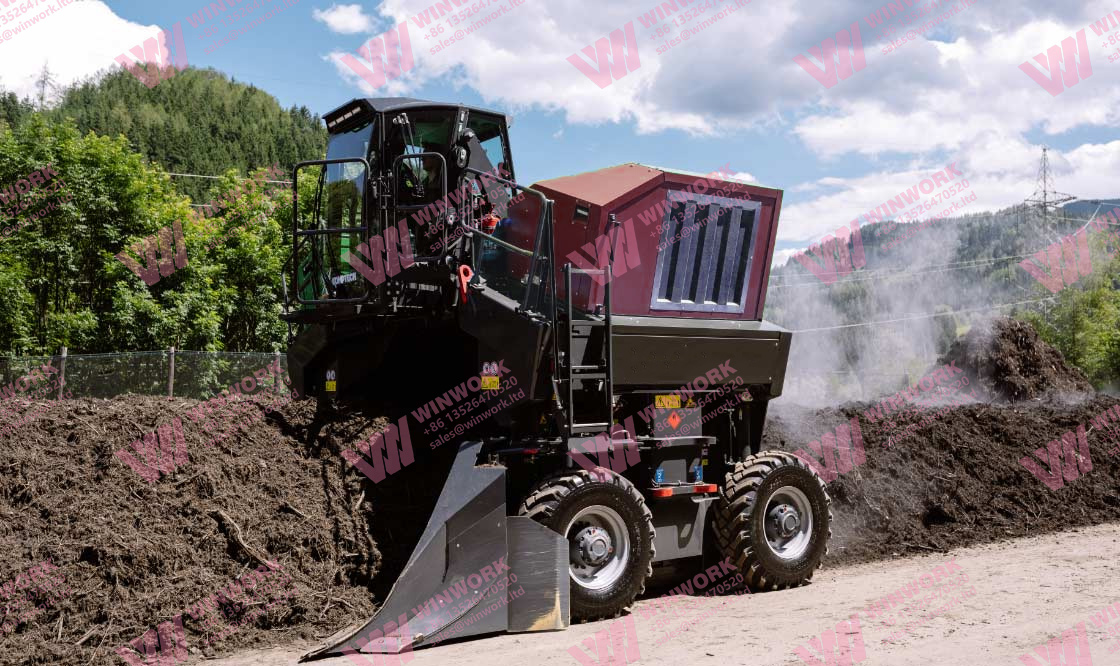
Let’s cut through the technical jargon. The Trough-type aerobic fermentation method is simply a smart, controlled way to turn organic waste—like animal manure, crop straw, and kitchen scraps—into high-quality, nutrient-rich fertilizer. Instead of letting waste rot in a smelly, open pile for months, this method uses a dedicated concrete trough and a specialized machine to speed up nature’s process.
Think of it as a high-tech digestion system for your farm. The Trough-type aerobic fermentation method forces air into the material, creating the perfect environment for billions of hardworking microbes. These microbes break down the waste rapidly, generating heat that kills harmful pathogens and weed seeds. The result? You get safe, stable, and valuable organic fertilizer in a fraction of the time. For any modern farm or fertilizer plant, the Trough-type aerobic fermentation method is the cornerstone of efficiency and environmental responsibility.
How Does the Trough-Type Aerobic Fermentation Method Actually Work?
The magic of the Trough-type aerobic fermentation method lies in its precision. You don’t just throw waste in a hole. You build a long, rectangular concrete trough—think of it as a custom-made bed for your compost. This trough has a perforated floor for air pipes and two parallel rails running along the top edges.
The key is to properly ferment these waste materials, converting them into reusable manure fertilizer. This approach not only reduces resource waste but also enhances the recycling rate of materials.
The real star of the show is the trough-type turning machine. This powerful piece of equipment straddles the trough and moves slowly along the rails. As it travels, it uses rotating blades or chains to lift, mix, and flip the entire pile of organic material. This action does three critical things: it supplies fresh oxygen, regulates temperature by moving hot material from the center to the edges, and breaks up clumps to ensure every particle ferments evenly. By using the Trough-type aerobic fermentation method, you are essentially giving your compost a daily workout, ensuring it stays active, healthy, and productive.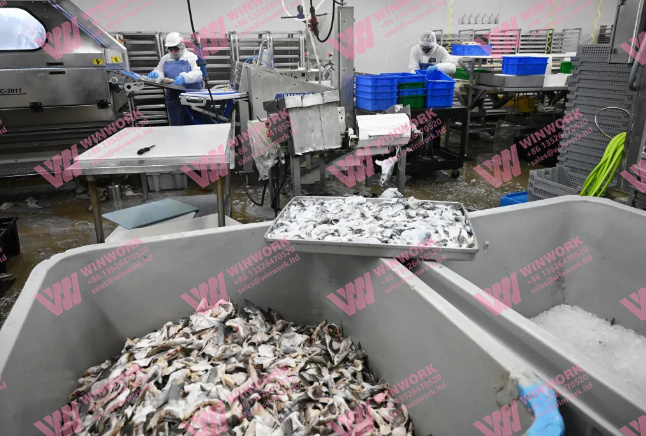
What Can You Feed This System?
If you own a farm, you know exactly how much waste is generated daily—such as animal manure, weed residues, and food scraps. If these materials are not processed or treated, an increasing amount of waste will accumulate.
The versatility of the Trough-type aerobic fermentation method is one of its biggest selling points. It’s not picky. This system is a hungry beast that can process a wide variety of organic wastes, turning your biggest disposal headaches into profit centers.
Livestock Manure: This is the heavy hitter. Chicken manure, cow dung, pig slurry, and sheep droppings are all perfect candidates. The Trough-type aerobic fermentation method neutralizes the odors and pathogens found in raw manure, making it safe and pleasant to handle.
Agricultural Residues: Got excess straw, corn stalks, or sugarcane bagasse? Don’t burn them. Mix them into your trough. They provide the carbon structure needed for a balanced compost.
Municipal and Food Waste: Many plants use the Trough-type aerobic fermentation method to process separated municipal sludge or food scraps from restaurants. It’s an eco-friendly way to divert waste from landfills.
Industrial By-products: Certain harmless organic leftovers from breweries, paper mills, or pharmaceutical companies can also be fermented, provided they are non-toxic.
Fermentation Equipment Needed
These fermentation tanks are very important, this kind of machine can avoid the ador of manure and the bad smell of vegetable waste with long time exposing outside. And this machine is easy to operate with low cost and harbor cost.
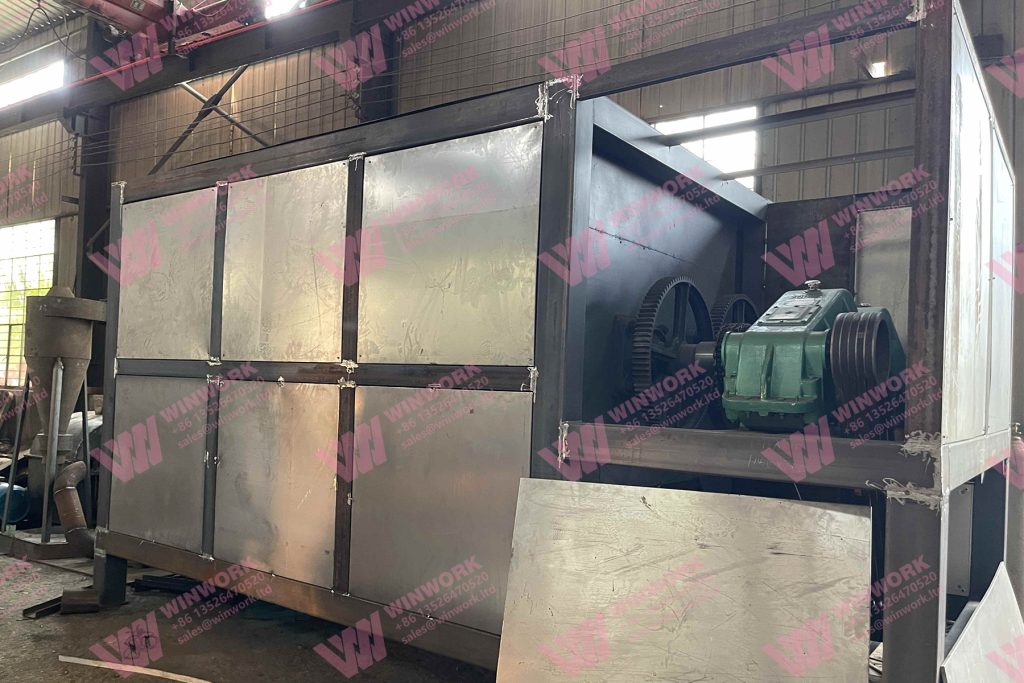
The Horizontal Fermentation Tank is a state-of-the-art equipment designed for the effective aerobic fermentation of organic waste, agricultural residues, sludge, and other compostable materials. Unlike vertical tanks, the horizontal design allows for larger capacity and more uniform successful fermentation.
The Horizontal Fermentation Tank is widely used in the production of organic fertilizers and compost, offering numerous advantages in terms of efficiency, control, and environmental impact.
The Horizontal Fermentation Tank Working Principle
Material Loading: Organic materials are loaded into the tank through an inlet. The horizontal design facilitates easy loading and better handling of large volumes of material.
Aerobic Fermentation: Inside the Horizontal Fermentation Tank, the material is continuously mixed and aerated. Mechanical mixers or agitators ensure that the material is evenly mixed, enhancing microbial activity and promoting aerobic fermentation.
Temperature Control: The fermentation process generates heat, and the tank is equipped with temperature sensors and control systems to maintain the optimal temperature range for microbial activity. This helps to speed up the decomposition process and ensure consistent fermentation.
Moisture Management: The Horizontal Fermentation Tank includes systems for adding water or removing excess moisture, maintaining the ideal moisture content for fermentation. Proper moisture levels are crucial for effective microbial activity and compost quality.
Air Supply: Aeration systems provide a continuous supply of air to the tank, ensuring that the microbes have sufficient oxygen for aerobic decomposition. This helps to prevent anaerobic conditions and reduce unpleasant odors.
Discharge: After the fermentation process is complete, the finished compost or organic fertilizer is discharged through an outlet. The horizontal design facilitates easy and efficient discharge of the final product.
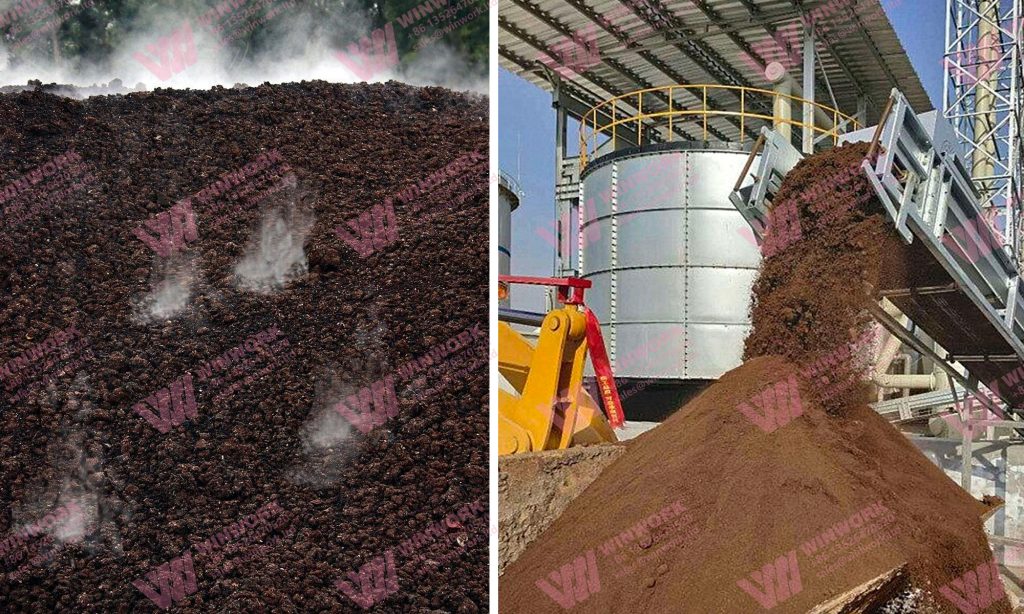
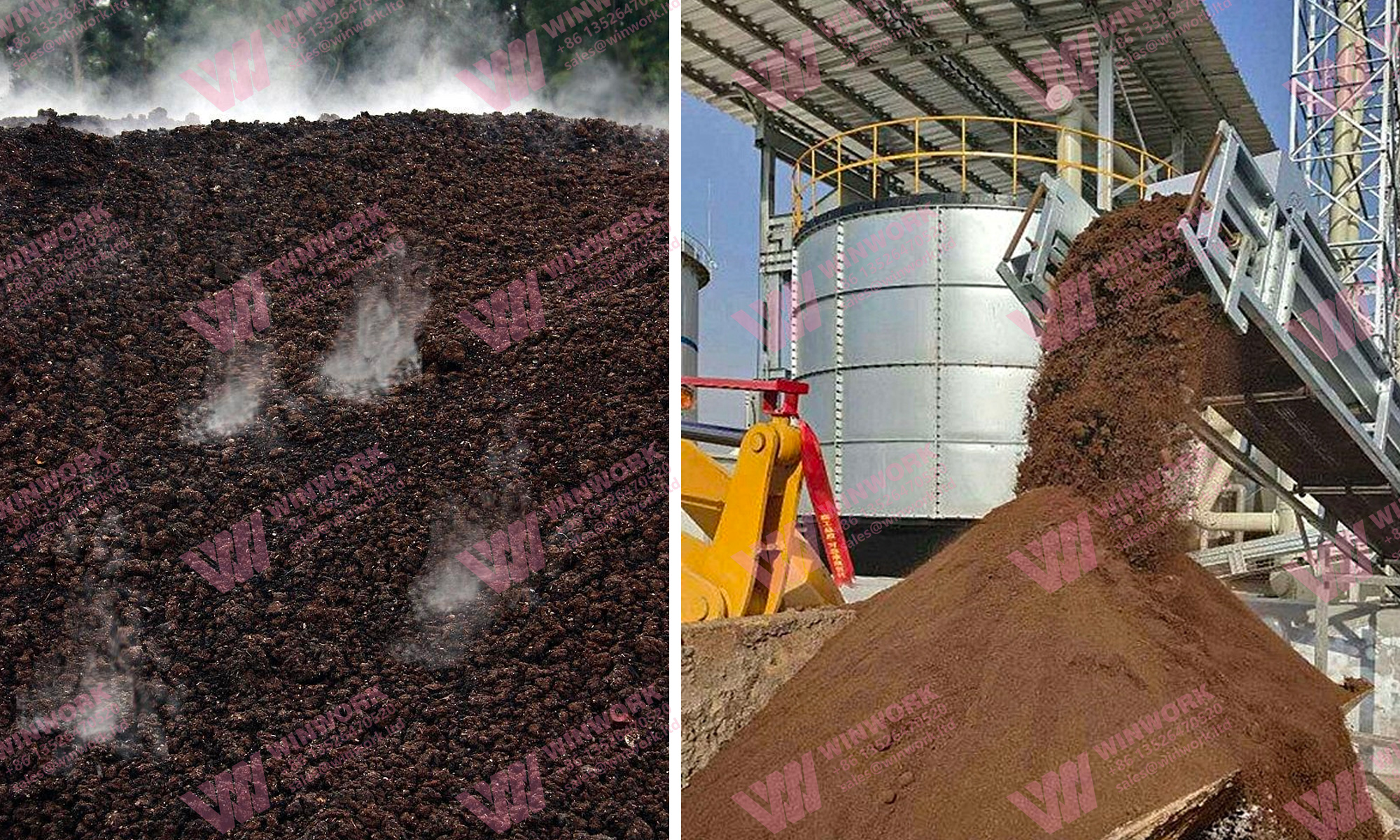
The Vertical Fermentation Tank is a specialized unit designed for efficient aerobic fermentation of organic waste, agricultural residues, sludge and other compostable materials. This fermenter features a vertical structure and a compact design that maximizes space utilization while providing excellent mixing and aeration capabilities. It is widely used in the production of organic fertilizers, compost and other bio-products with the advantages of high efficiency and reduced environmental pollution.
Vertical Fermentation Tank Working Principle
Material Loading: Organic materials are loaded into the tank through the top inlet. The vertical design allows for easy loading and efficient use of space.
Aerobic Fermentation: Inside the tank, the material is subjected to continuous mixing and aeration. Mechanical mixers or agitators ensure that the material is evenly mixed, enhancing microbial activity and promoting aerobic fermentation.
Temperature Control: The fermentation process generates heat, and the tank is equipped with temperature sensors and control systems to maintain the optimal temperature range for microbial activity. This helps to speed up the decomposition process and ensure consistent fermentation.
Moisture Management: The Vertical Fermentation Tank includes systems for adding water or removing excess moisture, maintaining the ideal moisture content for fermentation. Proper moisture levels are crucial for effective microbial activity and compost quality.
Air Supply: Aeration systems provide a continuous supply of air to the tank, ensuring that the microbes have sufficient oxygen for aerobic decomposition. This helps to prevent anaerobic conditions and reduce unpleasant odors.
Discharge: After the fermentation process is complete, the finished compost or organic fertilizer is discharged through the bottom outlet. The vertical design facilitates easy and efficient discharge of the final product.
The Essential Gear: Why You Need a Trough-Type Compost Turner
You might wonder, “Can’t I just use a tractor or do it by hand?” You could, but you’d be leaving money on the table. The trough-type compost turner is the heart of the Trough-type aerobic fermentation method, and it’s essential for three big reasons.
First, it guarantees speed and consistency. Manual turning is back-breaking work and it’s never thorough. A machine ensures every inch of your material gets the oxygen it needs. This consistency is what allows the Trough-type aerobic fermentation method to complete the fermentation cycle in as little as 7 to 15 days, compared to months for a static pile.
Second, it’s a space-saver. Because the trough is a deep, contained structure, you can process a massive amount of material in a small footprint. This vertical efficiency is a huge advantage for operations with limited land. The Trough-type aerobic fermentation method lets you scale up without needing to buy more acreage.
Third, it’s an environmental shield. The enclosed or semi-enclosed nature of the trough, combined with the machine’s ability to manage the process, drastically reduces odors and prevents nutrient-rich leachate from contaminating the soil or groundwater. When you choose the Trough-type aerobic fermentation method, you’re choosing a cleaner, neighbor-friendly operation.
The Bottom Line: Benefits That Boost Your Bank Account
Investing in a Trough-type aerobic fermentation method isn’t just about being green; it’s about being profitable. Here’s how this system puts cash back in your pocket:
Slash Fertilizer Costs: Why buy expensive commercial fertilizer when you can make a superior product for free? The Trough-type aerobic fermentation method turns your waste liability into a nutrient asset.
Create a New Revenue Stream: Your compost isn’t just for your fields. High-quality organic fertilizer is in high demand. You can bag and sell your excess product, turning a disposal cost into a steady income stream.
Year-Round Production: Unlike open-windrow composting, which can be halted by rain, snow, or freezing temperatures, the Trough-type aerobic fermentation method thrives in any weather. Your production line never stops, ensuring a consistent supply for your crops or customers.
Improve Soil Health: The end product is teeming with beneficial microbes that restore soil structure, boost water retention, and increase crop yields. The Trough-type aerobic fermentation method doesn’t just feed plants; it revitalizes the land.
FAQ: Trough-Type Aerobic Fermentation Method
Q1: Is the Trough-type aerobic fermentation method expensive to set up?
A: While there is an initial investment in building the concrete troughs and purchasing the turner, the payback period is surprisingly short. You’ll immediately save money on waste disposal fees and fertilizer purchases. Most operations find that the Trough-type aerobic fermentation method pays for itself within 12 to 24 months through cost savings and new revenue.
Q2: How much land do I actually need?
A: This is the beauty of the system. Because it’s a contained, vertical process, a Trough-type aerobic fermentation method setup requires significantly less space than traditional windrow composting. You can often fit a high-capacity system into a space no larger than a standard barn or warehouse.
Q3: Can I run the equipment myself, or do I need a specialist?
A: The machines are designed for practical use. Most trough-type turners come with user-friendly control panels. If you can drive a tractor, you can learn to operate a Trough-type aerobic fermentation method system. Manufacturers also provide training and support to get you up and running quickly.
Q4: What about the smell? Will my neighbors complain?
A: Properly managed aerobic fermentation should not smell like rotten eggs. The Trough-type aerobic fermentation method promotes aerobic (oxygen-rich) decomposition, which smells earthy, like a forest floor. The controlled environment also makes it easier to install deodorizing bio-filters if needed, keeping everyone happy.
Q5: How do I know when the fermentation is done?
A: You’ll know by three key signs: the temperature of the pile will drop to near-ambient levels, the material will have a dark, crumbly texture and an earthy smell, and a simple seed germination test will show that the compost is not toxic to plants. The Trough-type aerobic fermentation method makes monitoring these factors straightforward.
Conclusion: Your Path to Agricultural Independence
The days of seeing organic waste as a problem are over. With the Trough-type aerobic fermentation method, you have the power to transform that waste into your farm’s greatest asset. It’s an investment in efficiency, sustainability, and profitability. By adopting the Trough-type aerobic fermentation method, you’re not just composting; you’re building a more resilient and prosperous agricultural business. Don’t let your resources go to waste—put the Trough-type aerobic fermentation method to work for you today.
For more details, please feel free to contact us.
Email: sales@lanesvc.com
Contact number: +8613526470520
Whatsapp: +8613526470520
Get A Quote