

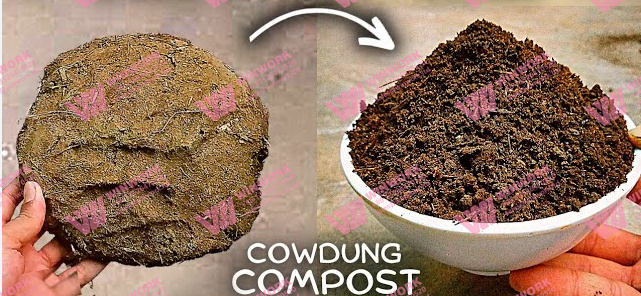
Walk into any plant dealing with manure, sludge, food scraps, or fresh biomass, and you’ll spot the same bottleneck: the stuff is dripping wet. We’re talking 60%, 70%, even 80% moisture content. You can’t bag it, you can’t granulate it, you can’t burn it efficiently, and you definitely can’t store it without it rotting or smelling up the whole county. Trying to process it wet is like trying to build a house with soggy cardboard—it just doesn’t work. The practical, no-nonsense answer is Using dryer to handle high-moisture materials.
This isn’t about fancy lab tech; it’s about basic industrial reality. Using dryer to handle high-moisture materials means bringing in the right thermal gear to drive off that excess water, turning a sloppy problem into a manageable, marketable, or usable dry product. Whether you are running a fertilizer plant, a biogas facility, a farm, or a waste management site, if you have “wet” headaches, this is your cure. If you want to keep your line moving, meet environmental rules, and actually make something out of your high-moisture input, you need to understand how Using dryer to handle high-moisture materials works.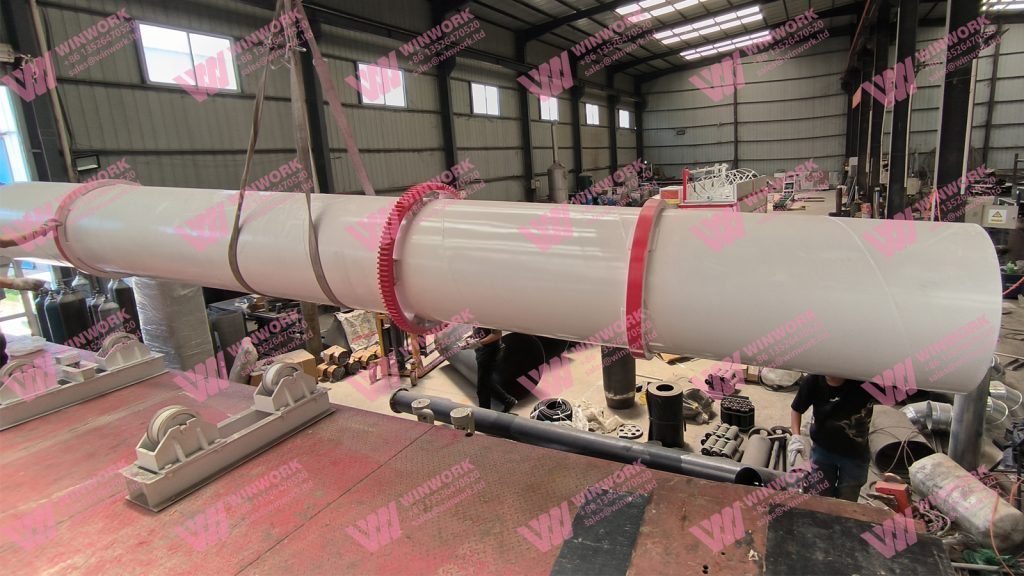
What Does “High-Moisture Material” Actually Mean?
Let’s be clear on what we’re fighting. “High-moisture” usually means anything over 30-40% water content, but in many industries, we’re talking about the really tough stuff:
Fresh livestock manure: 75-85% water.
Sewage sludge / filter cakes: 70-80% water.
Food processing waste (pulp, pomace): 80-90% water.
Freshly harvested biomass (sawdust, straw): 40-60% water.
Fermented compost / biogas digestate: 90-95% water in the liquid slurry form, 60-70% in the separated solids.
At these levels, water is the boss. It makes the material heavy (expensive to move), sticky (clogs equipment), prone to rotting (creates acids and smells), and impossible to process further without drying. That’s why Using dryer to handle high-moisture materials isn’t just a step—it’s often the mandatory first or second step in the whole operation.
Why You Absolutely Need to Dry (The Benefits of Using Dryer to Handle High-Moisture Materials)
You might think, “Can’t I just press it or let it sit?” Here’s the straight talk on why mechanical dewatering alone isn’t enough and why thermal drying is the key:
You Make the Material Processable
This is the bottom line. Granulators need material under 20-25% moisture. Pellet mills need under 15%. Combustion (incineration or biomass boilers) needs under 20-30% for efficiency. Storage requires low moisture to prevent rot. Using dryer to handle high-moisture materials gets you down to that target range. Without it, the rest of your plant is useless.
You Slash Volume and Weight
Water is heavy. Removing 1 ton of water from sludge reduces the weight by 1 ton and the volume significantly. This cuts transport costs massively. Using dryer to handle high-moisture materials turns a truckload of sludge into a pickup load of dry biosolids. The savings on hauling alone often pay for the dryer.
You Kill Pathogens and Stabilize the Product
The heat in the dryer (usually 150°C to 600°C+ depending on type) does more than remove water; it pasteurizes. For compost, manure, or sewage sludge, Using dryer to handle high-moisture materials is a proven way to meet Class A or B biosolid standards, killing pathogens and weed seeds. The dry product is stable, shelf-stable, and safe.
You Reduce Odor at the Source
A lot of bad smells come from anaerobic decomposition in wet, stored material. By drying quickly and creating an aerobic (oxygen-rich) environment in the dryer, you minimize those smells. Using dryer to handle high-moisture materials is a critical part of odor control strategies for many plants.
You Unlock New Markets
Dry sawdust becomes animal bedding or fuel pellets. Dry manure becomes organic fertilizer. Dry sludge becomes a soil amendment or even fuel. Using dryer to handle high-moisture materials transforms a liability (waste) into assets (products) that people will pay for.
Process of These Machines
The rotary drying and cooling machine is a kind of high-efficiency equipment integrating drying and cooling, which is widely used in chemical industry, fertilizer, mining industry, building materials and other industries.
The rotary drying and cooling machine realizes the continuous drying and cooling process of materials in the same body, which saves space and equipment investment and simplifies the process.
The rotary drying and cooling machine has the advantages of large processing capacity, strong adaptability, easy operation and maintenance, energy saving and environmental protection, etc. It is an indispensable and important equipment in the production of fertilizers.
Drying stage:
Material input: the material enters the drying section from the inlet of the rotary strand drying and cooling machine. The drying section usually adopts the downstream or countercurrent heat transfer method, the heat is provided by the heating source (such as hot air furnace or burner), and the hot air is in direct contact with the material to evaporate the moisture in the material.
Drying process: the material in the drying section with the rotation of the equipment is constantly turned and lifted, the material in the role of gravity slowly moving forward, and at the same time with the full contact of the hot air, and gradually complete the drying process. By adjusting the temperature and time of the drying section, different drying requirements of materials can be realized.
Fertilizer belt dryer is a kind of equipment used for drying fertilizer, which is widely used in agriculture, chemical industry and other fields. This kind of equipment usually uses mesh belt as the transmission medium, and evenly heats and dries the material through the hot air circulation system, so as to achieve the purpose of reducing the moisture content.
How Does It Work? The Nuts and Bolts of the Process
Alright, let’s talk hardware and physics. How does the machine actually get the water out? The principle of Using dryer to handle high-moisture materials relies on three things: heat, air movement, and surface area.
Step 1: Pre-Dewatering (Reducing the Load)
Before the dryer, you almost always use a mechanical method to get the “easy” water out. This could be a screw press, a centrifuge, or a filter belt. You get the material from 80% down to 50-60% moisture. This saves a fortune in fuel at the dryer stage. Using dryer to handle high-moisture materials is most efficient when the mechanical prep is done right.
Step 2: Feeding
The dewatered cake or wet material is conveyed into the dryer. This needs to be consistent. Surges or clumps can upset the drying balance.
Step 3: The Drying Action (Heat + Movement + Air)
This is where the specific type of dryer matters, but the goal is the same: expose the maximum surface area of the wet material to hot, moving air.
In a Rotary Drum Dryer: The material tumbles through a rotating, slightly tilted steel cylinder. Lifting flights (paddles) inside pick up the material and drop it through a stream of hot air (direct heating) or expose it to heated walls (indirect heating). The constant tumbling creates a shower of material, maximizing air contact. This is the classic image of Using dryer to handle high-moisture materials for bulk solids.
In a Flash (Pneumatic) Dryer: The wet material is shattered into fine particles by a high-speed rotor and instantly blown into a vertical or horizontal pipe with very hot, fast-moving air. Drying happens in seconds (0.5 to 5 seconds) as the particles are suspended in the air stream. Great for powders and pastes. This is Using dryer to handle high-moisture materials at high speed.
In a Paddle (Indirect) Dryer: The material moves through a trough with hollow, heated shafts and paddles. Heat transfers through the metal surfaces, not directly from hot gas. The paddles mix and scrape the material. Excellent for sticky, pasty materials that might coat the inside of a rotary drum. This is a gentler form of Using dryer to handle high-moisture materials.
Step 4: Moisture Evaporation
As the material heats, the water turns to vapor. The hot air (or the heat from the walls) provides the energy for this phase change. The vapor is carried away by the air stream (in direct dryers) or vented from the enclosure (in indirect dryers).
Step 5: Discharge and Air Cleaning
The dried material (now at 10-15% moisture) exits the dryer. The exhaust air, now carrying water vapor and maybe some fine dust, goes to a cyclone separator and/or a baghouse filter to catch any escaped particles before the air is vented. This dust collection is a crucial part of Using dryer to handle high-moisture materials to stay environmentally compliant.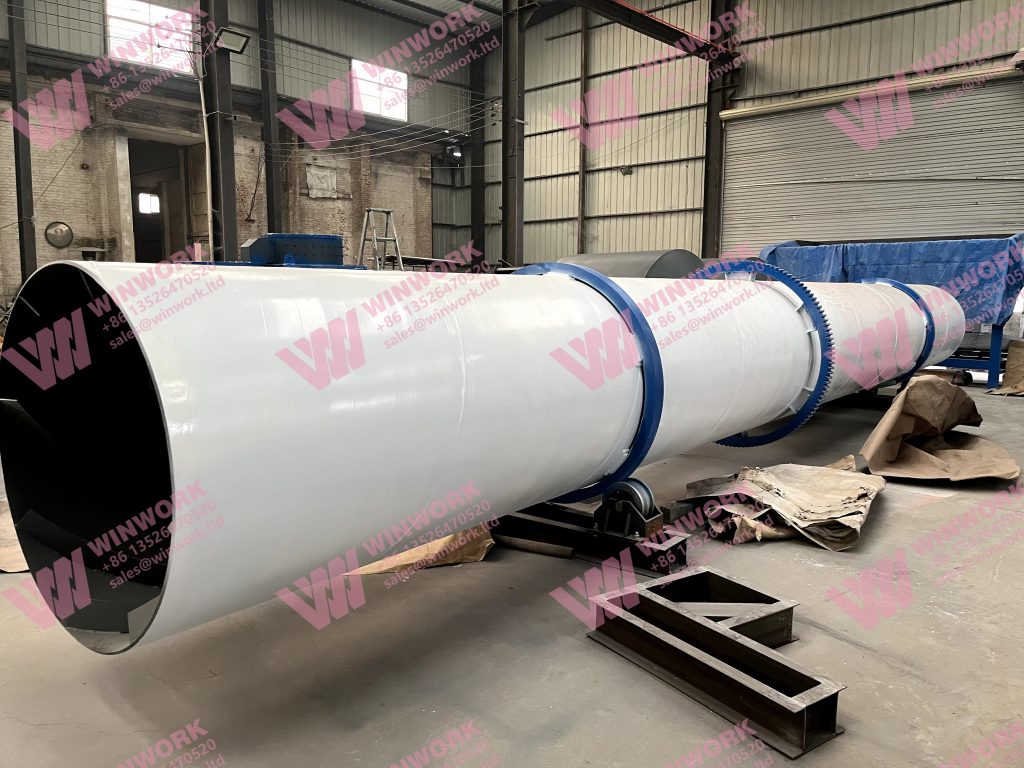
The Gear You Need: What Equipment is Essential?
You can’t just point a heater at a pile. Using dryer to handle high-moisture materials requires an integrated system.
The Pre-Dewaterer (Screw Press, Centrifuge, Belt Press): To do the cheap mechanical water removal first.
The Conveyors (Screw, Belt, Vibrating): To move the wet cake consistently into the dryer and the dry product out.
The Dryer Itself: The heart of the system. Choose based on your material:
Rotary Drum Dryer:Best for free-flowing granules, minerals, biomass, compost. High capacity, robust.
Flash Dryer:Best for fine powders, filter cakes, starches, some sludges. Very fast, compact.
Paddle Dryer (Hollow Flight):Best for sticky pastes, sludges, high-viscosity materials. Self-cleaning, enclosed.
The Heat Source: This could be a direct gas burner (natural gas, propane, biogas), a steam coil heater, an electric heater, or even a waste heat recovery system (using hot exhaust from a nearby kiln or engine). The fuel choice is a big part of the operating cost of Using dryer to handle high-moisture materials.
The Air Handling System: Fans (ID fans for pulling air, FD fans for pushing), ducts, and the combustion chamber (if direct fired).
The Dust Collection System (Cyclone + Baghouse): Non-negotiable for environmental compliance and product recovery.
The Control Panel (PLC): To monitor and adjust temperatures, feed rates, airflow, and moisture content. Modern Using dryer to handle high-moisture materials systems are highly automated.
Each piece is critical. A weak conveyor causes feed surges that upset the dryer. A poorly designed dust collector gets you fined. The right combination makes Using dryer to handle high-moisture materials a smooth, efficient operation.
FAQ: Your Questions About Using Dryer to Handle High-Moisture Materials Answered
We know you’ve got questions. Here are the answers to what people ask us most about Using dryer to handle high-moisture materials.
Q: Is drying expensive? Doesn’t it use a lot of fuel?
A: It does use energy, yes. Evaporating water takes a lot of heat (about 2260 kJ per kg of water). However, the cost is often justified by the savings in transport, the ability to sell a product, and avoided landfill fees. Also, using a pre-dewaterer, choosing the right dryer type, and using waste heat or biogas as fuel can dramatically lower the cost of Using dryer to handle high-moisture materials.
Q: Which dryer type is best for really sticky, pasty sludge?
A: For materials that are very sticky and tend to coat equipment, an indirect paddle dryer (hollow flight) is often the best choice. The scraping action of the paddles keeps the heat transfer surfaces clean. Some rotary dryers with special internal designs (like disc rotors or special flights) can also handle sticky materials, but the paddle dryer is a specialist for this. Using dryer to handle high-moisture materials like pastes often points to indirect systems.
Q: How do I control the final moisture content?
A: Through a combination of controlling the feed rate, the inlet air temperature, and the drum speed (or residence time). Modern systems use moisture sensors on the discharge or sophisticated PLC logic to adjust these parameters automatically. Consistent Using dryer to handle high-moisture materials requires good process control.
Q: What about the dust and the smell from the dryer exhaust?
A: Dust is handled by a cyclone (for the heavy stuff) followed by a baghouse filter (for the fine stuff). These are standard. Smell can be trickier. The high heat often destroys odor compounds, but for persistent smells (like from some sludges), the exhaust air might need to go through a biofilter or a thermal oxidizer before being released. Using dryer to handle high-moisture materials must include an emission control plan.
Q: Can I use the heat from the dryer exhaust for something else?
A: Yes, and you should! This is called heat recovery. The exhaust air, while moist, is still warm (60-100°C+). You can use it to pre-heat the incoming air, to heat nearby buildings, or to dry a secondary lower-value material. Making Using dryer to handle high-moisture materials part of a larger heat integration system is smart engineering.
Conclusion: Dry It, Don’t Deny It
High-moisture materials are a fact of life in agriculture, food processing, wastewater treatment, and many other industries. Ignoring the water problem doesn’t make it go away; it just makes the downstream problems worse—clogged equipment, rotten product, failed sales, environmental fines.
Using dryer to handle high-moisture materials is the practical, proven step that unlocks the value in your wet input. It’s an investment in throughput, in product quality, in compliance, and in opening new markets. By choosing the right system and running it well, you turn a liability into a flowable, sellable, manageable dry product. Don’t let the water weigh you down. Embrace Using dryer to handle high-moisture materials, and keep your operation moving forward.
For more details, please feel free to contact us.
Email: sales@lanesvc.com
Contact number: +8613526470520
Whatsapp: +8613526470520


Get A Quote