

Let’s be brutally honest. You can have the best fermentation process, the most advanced granulator, and the slickest packaging line in the world. But if your raw material is full of rocks, plastic, glass, or clumps of dirt, your final product is junk. It jams your machines, angers your customers, and destroys your reputation. The simple, unglamorous, but absolutely essential solution is Using screener to handle impurity separation.
This isn’t about high-tech chemistry or complicated biology. Using screener to handle impurity separation is pure mechanical common sense. It’s about putting a barrier in your production line that catches the trash before it becomes your problem. Whether you are processing compost, recycling construction waste, or cleaning grains, if you want a pure, high-quality end product, you need to understand how Using screener to handle impurity separation works.
What Do We Mean by “Impurities” and “Separation”?
Before we dive in, let’s define the battlefield. When we talk about impurities in an industrial context, we aren’t just talking about a bit of dust. We mean:
Foreign Objects: Plastic film, glass shards, metal fragments, stones, and pieces of wood.
Oversized Material: Clumps of raw material that are too big to process.
Undersized Material: Fine dust, sand, or powder that you might want to remove to improve the quality of your main product (e.g., removing fine sand from gravel).
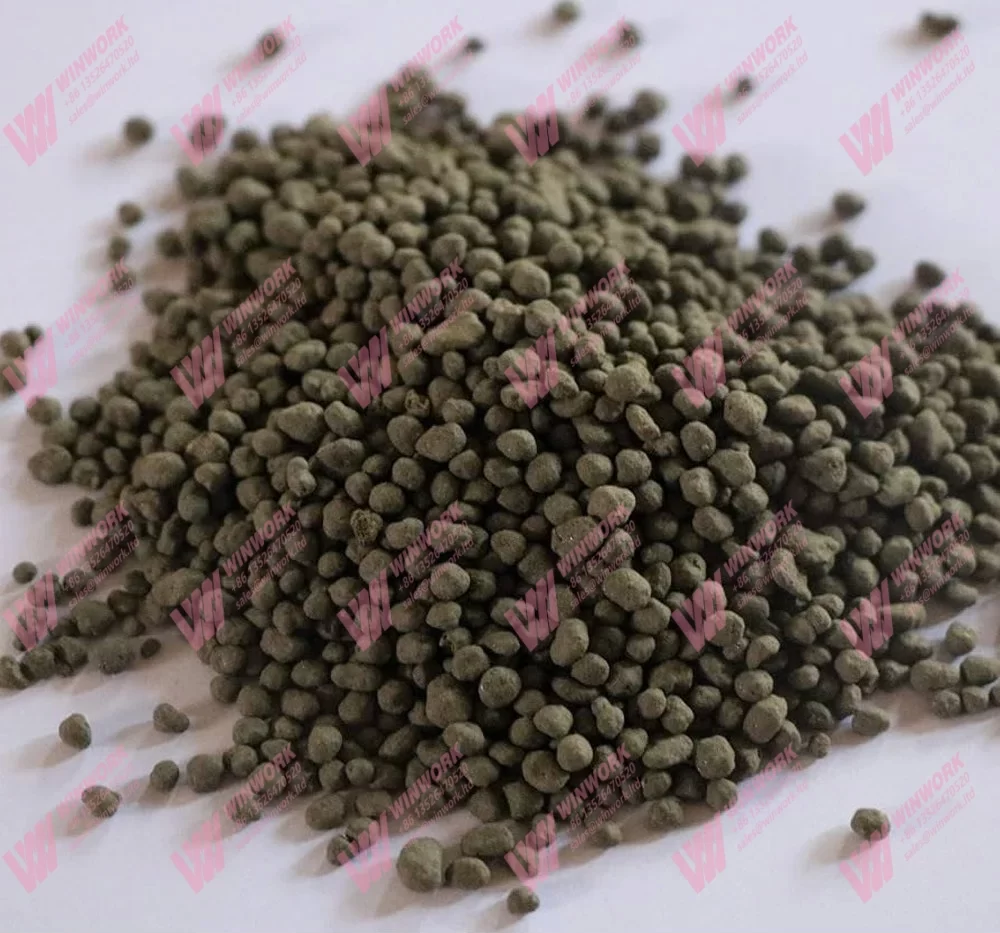
The goal of Using screener to handle impurity separation is to split your material stream into at least two parts: the “good stuff” that meets your specifications, and the “rejects” or “impurities” that don’t. It’s the bouncer at the club door of your production line.
Why You Absolutely Can’t Skip This Step (The Benefits)
You might be thinking, “My material looks clean enough.” Here is why “clean enough” will eventually cost you a fortune. The benefits of Using screener to handle impurity separation are too big to ignore:
You Protect Your Expensive Downstream Equipment
This is the most immediate, money-saving reason. A single rock or a clump of wire can destroy a granulator die, wear down a mixer blade, or jam a packaging machine. Using screener to handle impurity separation acts as a cheap, sacrificial guardian that takes the hit before the expensive machinery does. The cost of a screen is nothing compared to the cost of repairing a $50,000 granulator.
You Guarantee Product Quality and Consistency
Your customers don’t want to find a piece of plastic in their bag of premium fertilizer or a rock in their animal feed. A product with impurities is a product you can’t sell at a premium price. Using screener to handle impurity separation ensures that every bag, every pallet, and every shipment meets the same high standard. Consistency is king.
You Improve Process Efficiency
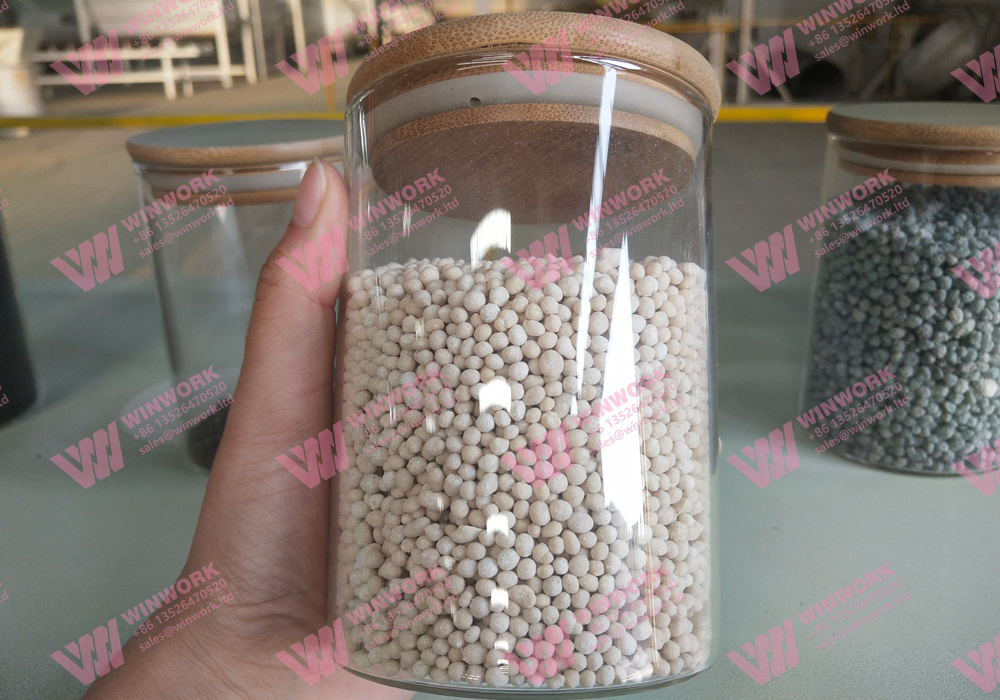
Many processes work best with a specific particle size distribution. If your raw material has too much fine dust, it can cause caking or dust explosions. If it has too many large clumps, it won’t mix or react properly. Using screener to handle impurity separation lets you control the exact specification of the material entering the next stage of your process.
It Creates a Cleaner, Safer Workplace
Removing dust and fine particles at the source prevents them from becoming airborne later in the process, which is better for air quality and employee health. Removing sharp objects like glass and metal prevents injuries during manual handling. This is a key safety aspect of Using screener to handle impurity separation.
How Does It Work? The Nuts and Bolts of the Process
Alright, let’s get into the mechanics. How does a simple piece of mesh actually perform this magic? The principle of Using screener to handle impurity separation relies on one simple physical law: things smaller than a hole will fall through it, and things larger than the hole will stay on top.
But getting it to work reliably in an industrial setting involves a bit more engineering:
Step 1: The Feed
Material is introduced onto the screen, usually via a conveyor belt or a vibratory feeder. The key here is to spread the material evenly across the width of the screen. If it just dumps in a pile, the screen will blind (get clogged) in the center.
Step 2: The Motion (Creating the Separation)
This is where the magic happens. The screen deck is put into motion to encourage the particles to move relative to each other.
Vibration: The most common method. The screen deck is shaken back and forth or in a circular motion. This causes the particles to bounce and stratify—the smaller ones sink to the bottom, ready to pass through the mesh. This is the core dynamic of Using screener to handle impurity separation.
Gyratory Motion: A more gentle, circular motion that is great for fragile materials you don’t want to break (like certain grains).
Rolling/Idler Motion: Used in trommel screens (rotary drums), where the material tumbles as the drum rotates.
Step 3: The Stratification and Passage
As the material moves across the screen, the vibration or tumbling action forces the undersized particles (the “fines” or “impurities” you want to remove) to orient themselves so they line up with the openings in the mesh. Gravity does the rest, and they fall through.
Step 4: The Split
At the end of the screen deck, you have two (or more) separate streams:
Overs (Rejects): The material that was too big to fit through the holes. This is collected separately.
Unders (Fines/Impurities): The material that passed through the holes. This is also collected separately.
(Sometimes) Mids: In a multi-deck system, you might have a third stream of material that passed through the first screen but was caught by a second, finer screen.
The entire process of Using screener to handle impurity separation happens continuously and automatically, making it incredibly efficient.
The Screener Working Principle
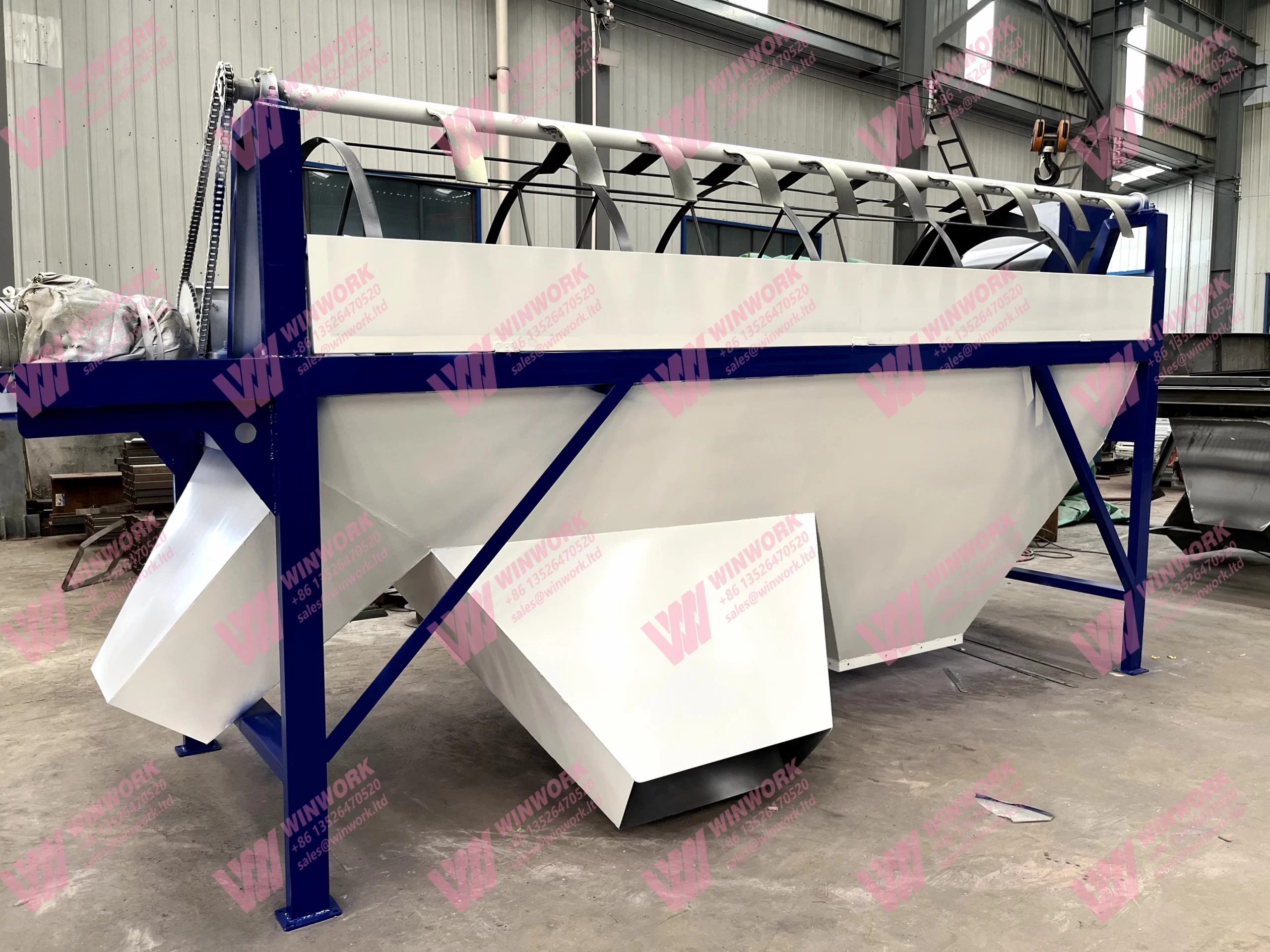
Rotary Screener is a kind of efficient and durable screening equipment, which is widely used in mining, chemical industry, coal, building materials, metallurgy and other industries for grading and screening of materials.
Rotary Screener separates the materials effectively through the rotating movement of the drum, with high screening precision and large handling capacity, and has the advantages of simple structure, convenient operation and low maintenance cost.
Rotary Screener is especially suitable for screening wet viscous materials or a variety of particle size mixture of materials, can be in a variety of complex conditions of stable operation.
The working principle of the Rotary Screener is to drive the reducer through the electric motor, so that the drum rotates around its axis.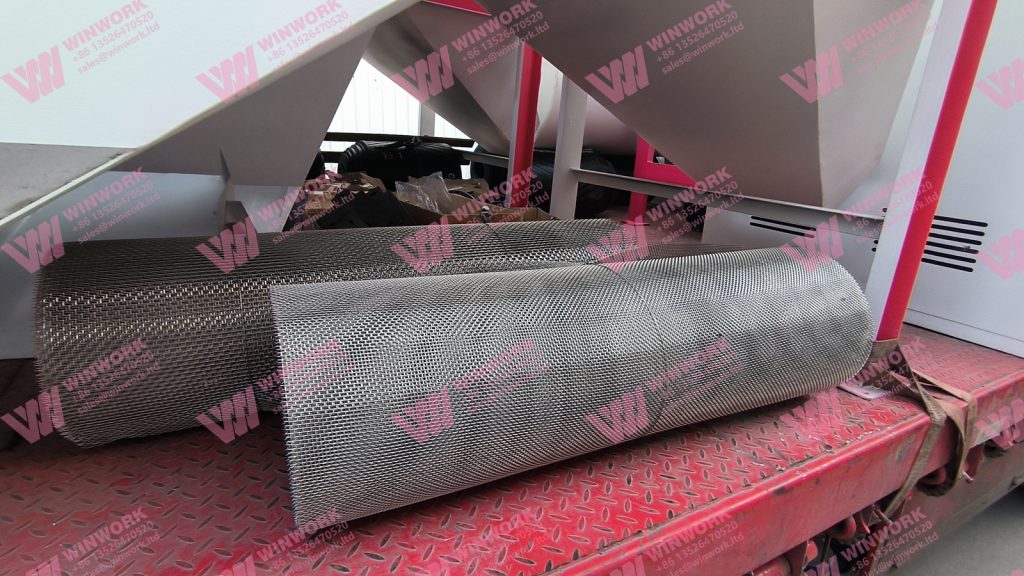
The material enters from one end of the drum, and in the process of drum rotation, the material is pushed forward continuously.
As the drum is equipped with sieve holes on the surface, while the materials are tumbling and sliding inside the drum, the materials smaller than the sieve holes will fall through the sieve holes and become the under-screen products, while the materials larger than the sieve holes will continue to move forward along the drum and finally be discharged from the other end of the drum and become the on-screen products.
By replacing the screen mesh with different apertures, different screening accuracy can be achieved.
And also there’s a vibrating screener, A Vibrating screener is a device used to grade and screen materials during fertilizer production. 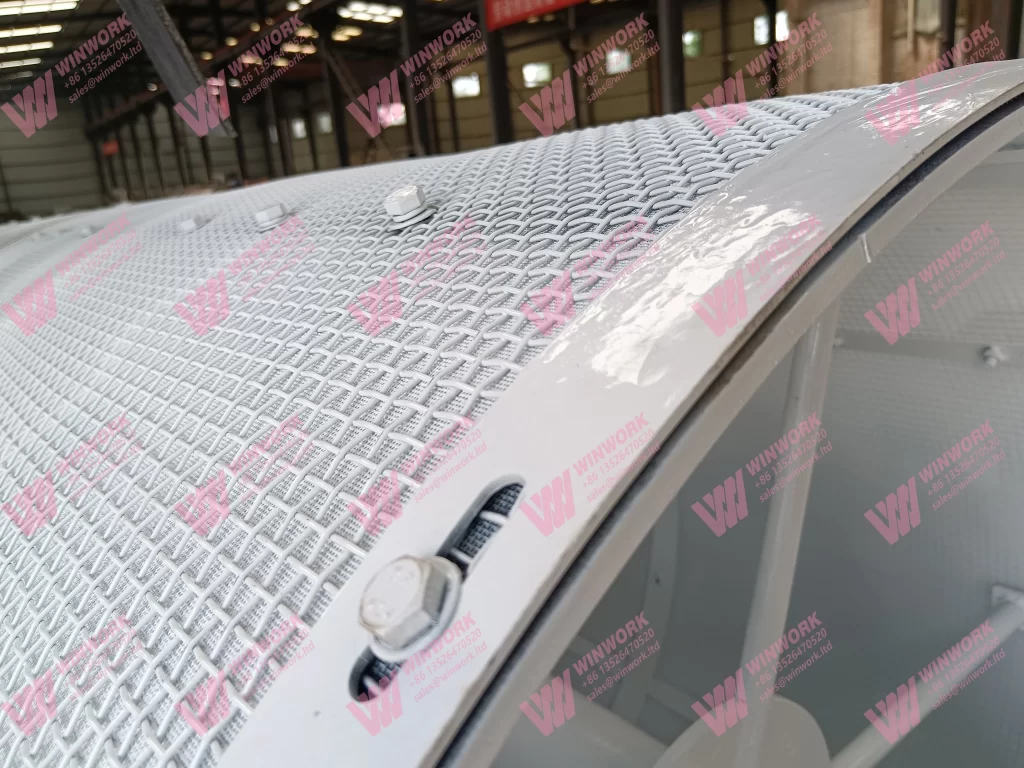
The Gear You Need: What Equipment is Essential?
You can’t just stretch a window screen over a box. Using screener to handle impurity separation in an industrial setting requires robust, purpose-built machinery.
The Vibrating Screen (The Workhorse): This is the most common type. It consists of one or more screen decks mounted on springs, with a vibratory motor attached. It’s versatile, relatively inexpensive, and works for a huge range of materials. The design of the vibration is key to effective Using screener to handle impurity separation.
The Trommel Screen (The Rotary Drum): Imagine a large, slowly rotating drum with holes in it. Material tumbles inside. Great for sticky materials (like wet compost) or very heavy, abrasive materials (like mined ores) because there are no vibrating parts to break. Using screener to handle impurity separation with a trommel is gentle and reliable.
The Flip-Flow Screen (The Specialist): Designed for very difficult, near-size materials (like recycling glass or certain plastics). The screen mats flex and “flip,” which prevents clogging. It’s a more advanced tool for Using screener to handle impurity separation when standard screens fail.
The Grizzly Screen (The Heavy-Duty Pre-Screener): Essentially a set of heavy, parallel bars. Used at the very front of a process to remove massive rocks (“scalping”) before the material even gets to the main screener. It’s the first line of defense in Using screener to handle impurity separation.
The Mesh Itself (The Heart of the Matter): This isn’t just wire. It can be woven wire, perforated plate (steel sheets with punched holes), or polyurethane panels. Choosing the right material, hole shape (square, round, slotted), and size is critical for successful Using screener to handle impurity separation.
Each piece of equipment serves a specific purpose. Using a trommel for fine powders is inefficient; using a vibrating screen for fist-sized rocks will destroy it. Matching the tool to the job is the key to Using screener to handle impurity separation.
FAQ: Your Questions About Using Screener to Handle Impurity Separation Answered
We know you’ve got questions. Here are the answers to what people ask us most about Using screener to handle impurity separation.
Q: What’s the difference between a “screen” and a “sieve”?
A: Technically, a sieve is a laboratory tool for very fine powders (like flour or sand). In industry, we almost always say “screen.” When we talk about Using screener to handle impurity separation, we mean heavy-duty industrial screens, not the thing you drain pasta with.
Q: My material is wet and sticky. Won’t it just clog the screen?
A: It can, if you use the wrong type. This is where trommel screens or flip-flow screens shine. They are designed to handle wet, sticky materials without blinding. Also, adding bouncing balls or vibratory cleaners underneath the screen deck can help keep the mesh clear. This is a common challenge in Using screener to handle impurity separation for compost or wet minerals.
Q: How do I choose the right mesh size?
A: It depends on what you want to remove. If you want to remove all particles smaller than 5mm (like sand and dust), you use a 5mm screen. If you want to remove large rocks bigger than 50mm, you use a 50mm screen. The goal of Using screener to handle impurity separation dictates the specification of the screen media.
Q: Is it loud?
A: Vibrating screens do create noise, yes. But modern machines are designed with rubber isolation mounts and can be enclosed in sound-dampening housings. Proper installation of your Using screener to handle impurity separation equipment minimizes noise pollution in the plant.
Q: Can one screener do multiple jobs?
A: Absolutely. A “multi-deck” screener has two or three layers of screen, one on top of the other, with progressively smaller mesh sizes. For example, the top deck might remove large rocks (>50mm), the middle deck might separate your product (10-50mm), and the bottom deck might remove fines (<10mm). This is an efficient way to handle multiple separation tasks at once.
Conclusion: Don’t Let the Little Things Sink You
In any manufacturing or processing operation, details matter. The small, seemingly insignificant impurities—the stray rock, the piece of plastic, the clump of dirt—are often what derail an otherwise perfect process. Using screener to handle impurity separation is the simple, robust, and cost-effective insurance policy against this chaos.
By investing in the right screening technology, you are not just buying a machine; you are buying peace of mind. You are protecting your equipment, guaranteeing your product quality, and ensuring your operation runs smoothly, safely, and profitably. So, take a look at your production line. Are you letting impurities slip through? It’s time to start Using screener to handle impurity separation the right way.
For more details, please feel free to contact us.
Email: sales@lanesvc.com
Contact number: +8613526470520
Whatsapp: +8613526470520



Get A Quote