

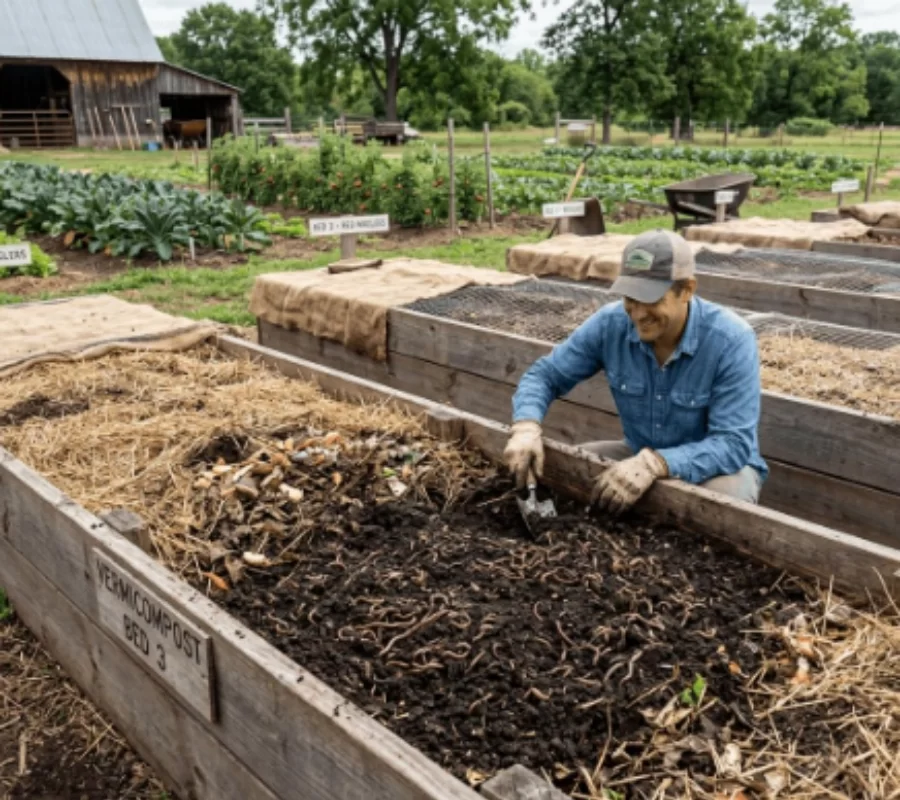
Vermicomposting is an effective way to convert suitable organic waste into a valuable soil amendment. By using earthworms and microorganisms, farms, businesses, and agricultural enterprises can transform materials such as animal manure and plant residues into a useful product for soil improvement. As interest in sustainable agriculture and organic waste management grows, vermicomposting is attracting attention from both small farms and commercial operators.
However, starting a project requires more than earthworms and organic materials. Investors need to consider feedstock availability, operating costs, processing facilities, product quality, and potential sales channels. Financial assistance may also be available for certain eligible projects, depending on the country, region, and funding program.
This guide explains how the process works, where to investigate potential grants, how to estimate startup costs, and which equipment may be useful when developing a commercial operation.
1. What Is Vermicomposting and Why Is It Valuable?
How Vermicomposting Works
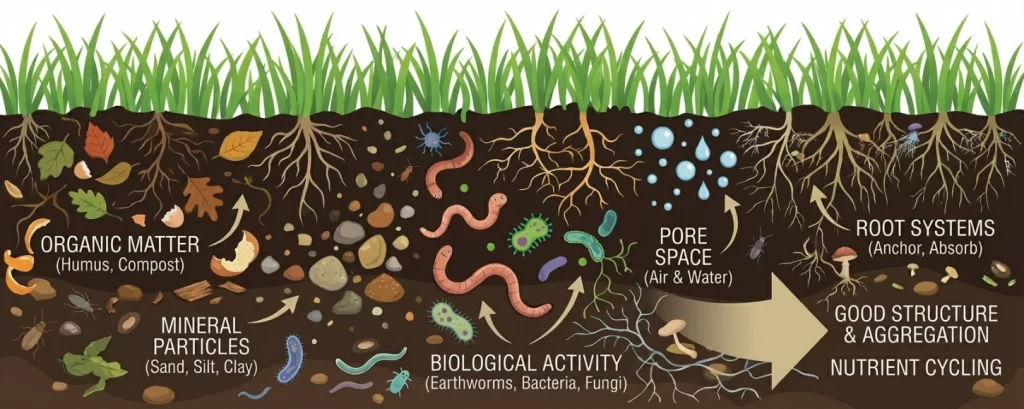
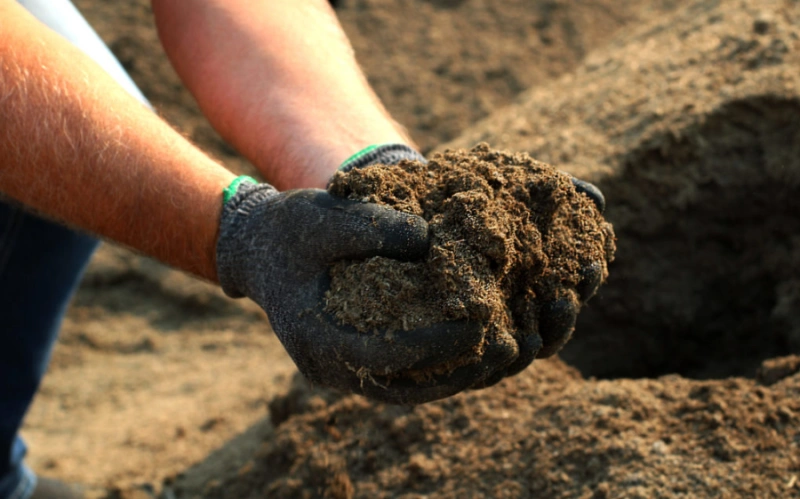
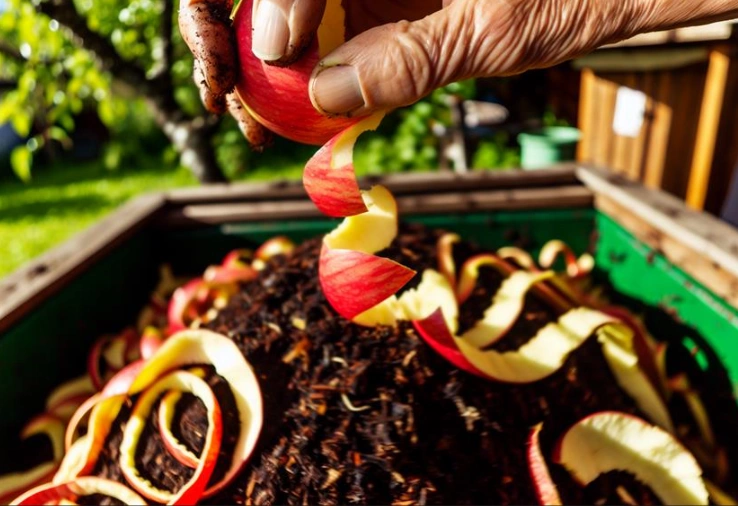
Vermicomposting is a biological process in which earthworms and microorganisms break down suitable organic materials into a stable, nutrient-containing product commonly known as vermicompost. Depending on the local supply chain, potential feedstocks include properly prepared cattle manure, crop residues, and certain plant-based organic wastes.
The process generally involves preparing the feedstock, maintaining suitable moisture and aeration, introducing appropriate earthworm species, and allowing the material to decompose under controlled conditions. After processing, the finished material can be separated from larger particles and prepared for storage or sale.
Unlike conventional thermophilic composting, which relies on a high-temperature decomposition phase, vermicomposting depends on conditions that support earthworm activity. For this reason, operators should evaluate the suitability of the feedstock and any required pre-composting steps before introducing earthworms.
Key Benefits for Agriculture and Organic Waste Management
One important benefit of vermicomposting is the productive use of suitable organic residues. Instead of treating every organic material as waste, farms and businesses can explore opportunities to turn it into a marketable soil amendment.
Potential benefits include:
- Soil improvement: Vermicompost can contribute organic matter and support soil structure.
- Resource recovery: Suitable agricultural residues can be reused rather than discarded.
- Product diversification: Farms may produce soil amendments for their own use or for local customers.
- Business opportunities: Commercial operators can explore sales to nurseries, horticultural businesses, landscapers, and agricultural suppliers.
The actual value of the finished product depends on its composition, maturity, quality, and local market requirements. A successful project should therefore combine an appropriate production process with a realistic sales strategy.
2. Can You Get Grants for a Vermicomposting Project?
Funding is an important consideration when planning a new facility. Some agricultural, environmental, waste-management, or rural business programs may support eligible composting activities or related infrastructure. However, the availability of financial assistance varies by location and program, and not every vermicomposting project qualifies.
Funding Opportunities in India
In India, project developers can investigate agricultural development programs, organic farming initiatives, and schemes that support eligible composting infrastructure or organic inputs.
For example, the Mission for Integrated Development of Horticulture (MIDH) and the Paramparagat Krishi Vikas Yojana (PKVY) have included support measures related to composting facilities or organic farming activities in published program materials. The specific benefits, eligibility rules, and implementation arrangements may vary by scheme and year.
Before preparing a funding application, applicants should check the latest official guidelines and contact the relevant implementing department. Important questions include whether a proposed vermicomposting facility is covered, which applicants are eligible, whether commercial operations qualify, and what expenses may be considered.
It is also important to distinguish infrastructure assistance from support for organic farming activities. A program that supports farmers adopting organic practices does not necessarily provide capital funding for a privately owned commercial production plant.
Grants and Financial Assistance in the United States
In the United States, potential funding sources may include agricultural conservation programs, state-level composting initiatives, food waste reduction projects, and eligible rural business development programs.
The US Department of Agriculture (USDA), state agriculture departments, and environmental agencies are useful starting points for researching available opportunities. Some programs may support waste reduction, soil health, agricultural infrastructure, or related activities, but their rules differ.
A business interested in vermicomposting should verify whether the specific program permits the proposed activity and whether equipment purchases, site preparation, operating expenses, or other project costs are eligible.
For example, a grant supporting food waste diversion may require a documented waste management outcome, while an agricultural program may focus on conservation benefits. Neither should automatically be treated as a grant specifically for earthworm-based compost production.
Eligibility, Application Requirements, and Funding Limitations
Although funding requirements vary, applicants should generally prepare a clear description of their project and its intended outcomes.
Useful preparation steps include:
- Identify the funding program and confirm that applications are open.
- Review eligibility requirements for the applicant, location, and project type.
- Prepare a project plan describing feedstocks, expected output, processing methods, and environmental benefits.
- Develop a detailed budget and identify which expenses may be eligible.
- Confirm application deadlines, matching-fund requirements, reporting obligations, and payment arrangements.
A well-organized project proposal can help explain why the facility is needed and how it will operate. Nevertheless, funding approval is never guaranteed.
When researching vermicomposting grants, compare the actual program rules rather than relying only on general online summaries. Confirm the latest requirements directly with the responsible organization before making investment decisions.
3. How Much Does a Vermicomposting Business Cost?
The startup cost of a commercial facility depends on its production target, land requirements, feedstock characteristics, labor availability, and level of mechanization. A small farm operation may begin with simple beds and basic tools, whereas a commercial business may require dedicated processing, screening, storage, and packaging areas.
Main Startup and Operating Costs
A project budget should cover both the initial investment and ongoing expenses.
Site preparation and infrastructure:
The facility may need suitable flooring, drainage, water access, shade or weather protection, and space for receiving and storing feedstocks. Local climate and operating conditions influence the required design.
Earthworms and feedstock:
The project requires suitable earthworm species and a reliable supply of appropriate organic materials. Transport, feedstock preparation, and quality control can add to the total cost.
Labor and daily operations:
Workers may be needed to prepare materials, monitor moisture, maintain beds, remove finished material, and manage storage. Labor requirements depend on the production method and the degree of automation.
Processing and packaging:
Depending on the product specification and sales model, the business may need screening equipment, conveyors, storage bins, mixing equipment, and a packaging system. These items should be selected according to actual process requirements rather than purchased simply because they appear in a conventional fertilizer production line.
Quality control and distribution:
Testing, product handling, packaging materials, transportation, and customer delivery should also be considered. Local product standards and labeling rules may affect the budget.
How to Plan a Budget for Your Project
Start by defining the target output and intended customers. Then estimate the required facility size, feedstock consumption, labor, equipment, and distribution costs.
It is useful to prepare at least two budget scenarios: a basic setup with limited mechanization and a larger operation with more efficient material handling. Compare their expected operating costs and production requirements before deciding how much to invest.
If a grant may be available, treat it as a potential funding source rather than guaranteed income. Build the initial budget around realistic project costs and confirm the program’s eligibility rules before assuming that any portion of the investment will be reimbursed.
4. What Equipment Do You Need for Commercial Vermicomposting?
Equipment requirements depend on whether the business sells vermicompost as a loose soil amendment, supplies bulk customers, or processes the finished material into a more standardized packaged product. The biological decomposition stage and the downstream fertilizer processing stage should be planned separately.
Material Preparation and Composting Facilities
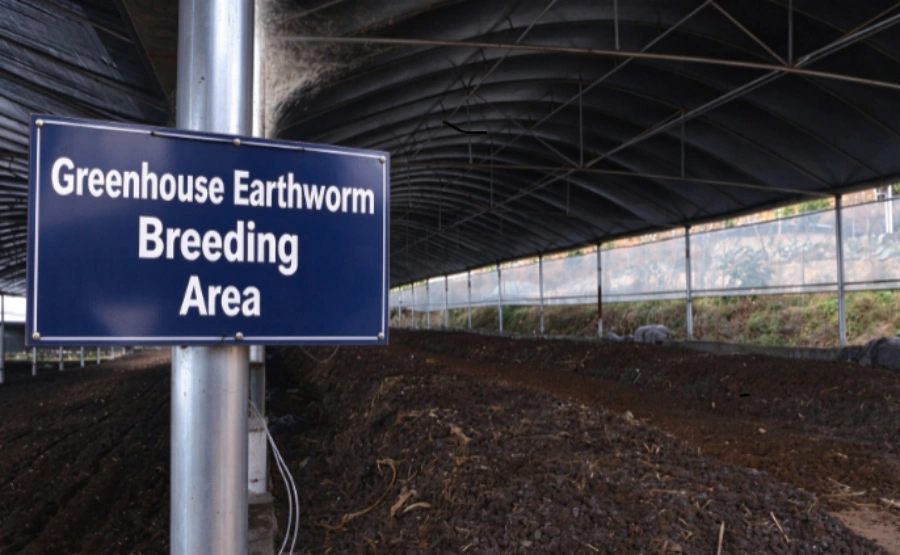
The first stage involves preparing suitable organic feedstocks and creating conditions for decomposition. Depending on the raw materials, this may require receiving areas, mixing tools, storage space, and equipment for preliminary processing.
The composting area needs an appropriate layout for moisture management, aeration, material movement, and access for workers. Feedstocks that require pre-composting should be treated before introducing earthworms, according to the selected process.
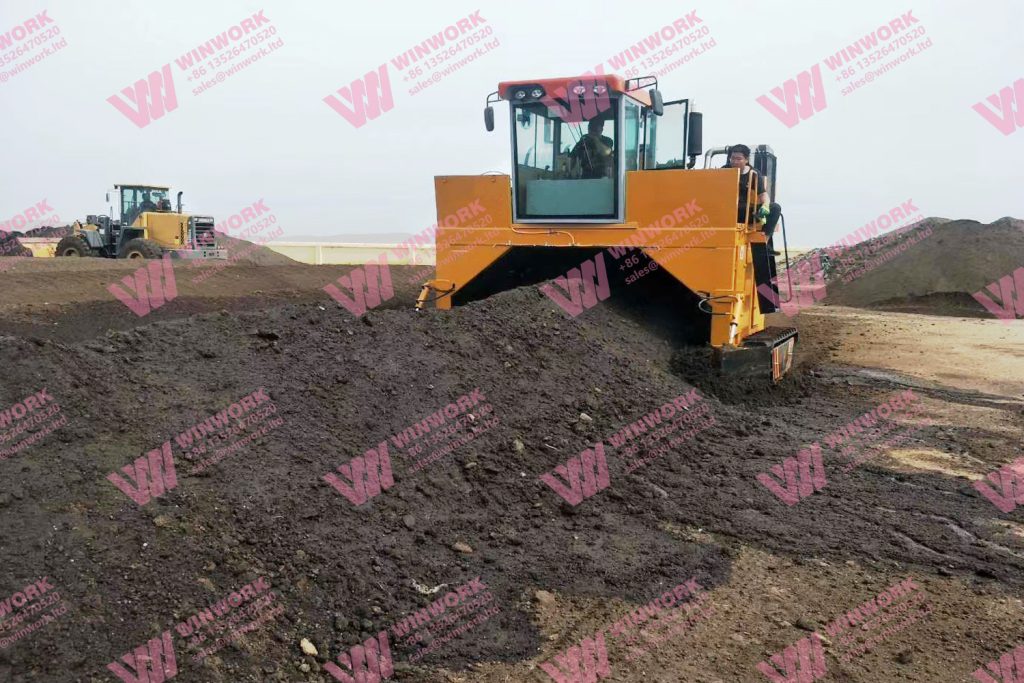
For larger organic waste operations, a crawler compost turner may be relevant to the preliminary composting stage where the process requires mechanical turning. However, it is not a universal requirement for every vermicomposting facility, and the operating conditions must be suitable for the intended treatment stage.
Businesses comparing larger organic waste processing solutions can also review the organic fertilizer production line offered by Fertilizer Industry Leader. This provides a reference for understanding downstream fertilizer processing, although a conventional organic fertilizer line is not automatically suitable for the earthworm-based stage.
Screening, Conveying, and Packaging Equipment
After the material has been processed and is ready for separation, screening equipment can help remove larger particles and produce a more consistent finished product. The appropriate screen size depends on the desired product specification and the characteristics of the material.
Conveyors can reduce manual handling between processing stations, while storage and packaging equipment can help prepare the product for distribution; for businesses selling bagged vermicompost, weighing and packaging systems may be useful once the production volume justifies the investment.
Equipment selection should account for moisture content, particle size, throughput, maintenance access, and the risk of damaging the finished product. Very wet or sticky material may require a different handling solution from a relatively dry, screened product.
Choosing Equipment Based on Production Capacity
A small farm may only need basic handling tools and a simple screening arrangement. A larger business may benefit from mechanized conveying, more consistent screening, and semi-automatic or automatic packaging.
Before purchasing equipment, establish the expected daily output, the required product size, available floor space, and the desired level of automation. These details make it easier to compare machine specifications and avoid investing in equipment that does not fit the actual process.
For a broader overview of available fertilizer production equipment, operators can review processing machinery and discuss which stages may be appropriate for their finished product. A customized equipment plan should be based on the feedstock, output requirements, and intended use of the vermicompost rather than assuming every conventional fertilizer machine is necessary.
FAQ About Vermicomposting
How Long Does Vermicomposting Take?
The whole vermicomposting cycle (fresh cow dung → finished vermicast):15–20 days pre-composting + 45–50 days worm processing. Total: around 2 months under ideal temperature (20–28°C). The exact time depends on the raw materials, moisture, temperature, and earthworm activity. Farmers should check the maturity of the compost before selling or using it.
How Much Does a Small Vermicomposting Project Cost?
For a small farmer in India, a basic vermicomposting setup may cost approximately ₹20,000–₹80,000, depending on the bed structure, raw materials, and labor. In the United States, a small farm setup may cost around $1,000–$5,000, depending on the scale and equipment required.
Can Small Farmers Receive Financial Support for Vermicomposting?
A small farmer in India might receive around ₹8,000–₹50,000 in assistance for eligible vermicomposting facilities, depending on the setup and local support available. In the United States, assistance may range from a few hundred to several thousand dollars through eligible local agricultural or environmental programs.
Is Vermicomposting Profitable for Small Farmers?
Vermicomposting can provide additional income when farmers have access to low-cost organic waste and reliable buyers. Profit depends on production volume, labor, packaging, transportation, and local selling prices. Starting small(1-2t/h) and expanding after building a customer base can help control financial risks.
What Equipment Does a Small Vermicomposting Farm Need?
A small vermicomposting farm typically needs composting beds or pits, earthworms, suitable organic materials, basic watering tools, and a simple screen for separating finished compost. As production grows, farmers can consider screening machines, conveyors, and packaging equipment.
Conclusion
Vermicomposting offers a practical way to convert suitable organic materials into a valuable soil amendment while creating opportunities for farms and commercial operators. A successful project requires careful planning of feedstocks, operating conditions, production costs, and market demand.
Potential grants and financial assistance may help eligible projects, but availability depends on the specific program and location. Applicants should verify current requirements before including funding in their investment calculations.
For commercial operations, the next step is to match the processing method and equipment configuration to the required output. By planning the biological treatment stage separately from downstream screening, conveying, and packaging, businesses can build a more practical production system and expand capacity as demand develops.
For more details, please feel free to contact us.
Email: sales@lanesvc.com
Contact number: +8613526470520
Whatsapp: +8613526470520
Get A Quote