

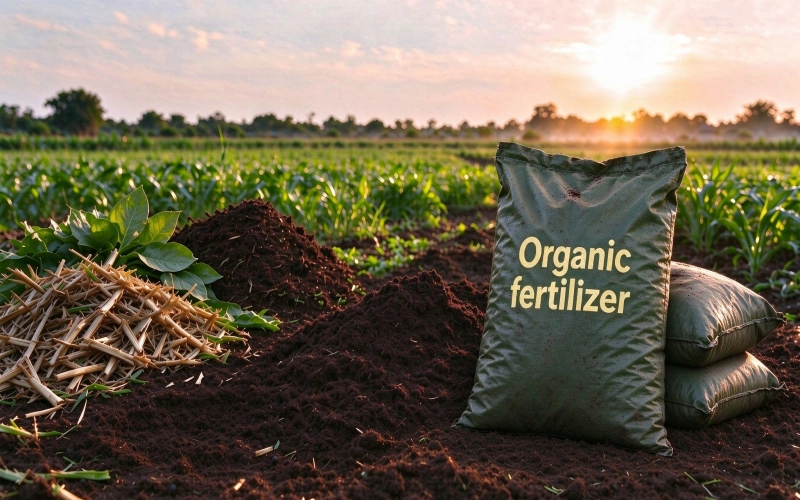
A pile of animal manure, crop residues, or other organic waste may not look like the beginning of a profitable business. Yet, with the right processing methods and equipment, these materials can become valuable fertilizer products. For manufacturers, bio organic fertilizer india represents more than an agricultural trend; it also creates opportunities to turn locally available organic resources into commercial products.
Behind every finished fertilizer product is a production process involving raw material preparation, biological treatment, mixing, granulation, drying, and quality control. Understanding how these stages work together can help investors and fertilizer manufacturers make better decisions before purchasing equipment or building a factory.
This article takes you behind the scenes to explore how organic waste becomes a market-ready product and what manufacturers should consider when planning a production project.
1. It Starts with a Pile of Waste: Could It Become Something Valuable?
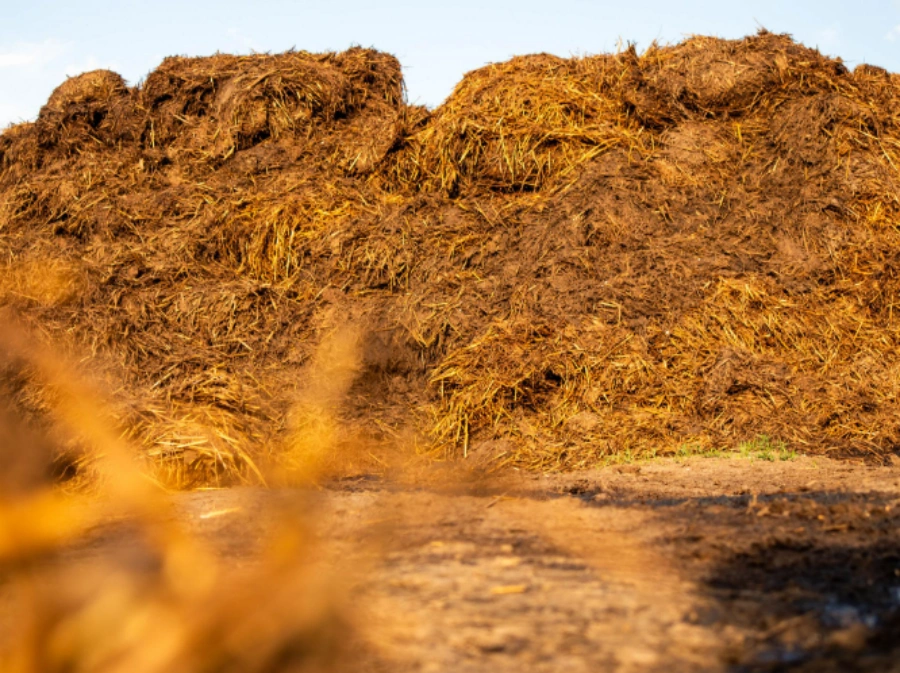
Imagine a farm that generates large quantities of animal manure and crop residues every day. Nearby, food-processing facilities may produce organic by-products, while agricultural businesses look for practical ways to reuse local resources.
These materials may contain useful organic matter and nutrients, but they are not automatically suitable for direct use as a finished fertilizer. Their moisture content, composition, particle size, and degree of decomposition can vary considerably.
For businesses entering the bio organic fertilizer india market, understanding these questions early can help prevent unsuitable equipment choices and unnecessary processing costs.
Before entering the bio organic fertilizer india market, manufacturers need to understand which raw materials are available locally and how consistently they can be supplied. A stable supply of suitable materials helps determine the factory’s capacity, processing method, and operating schedule.
The future of a bio organic fertilizer india project often depends on the quality and consistency of its incoming materials. For example, wet manure may require more intensive moisture management, while fibrous crop residues may need additional crushing before mixing.
The first question is therefore not simply which machine to buy. It is what the factory will process, what product it intends to manufacture, and how reliably the raw materials can be supplied.
2. The Invisible Transformation: Why Processing Matters More Than It Looks
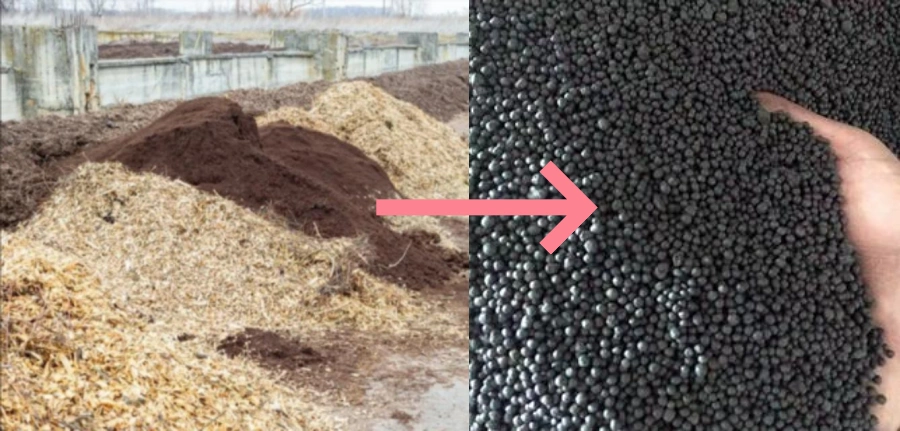
The transformation from organic waste to fertilizer involves much more than changing the material’s appearance. Raw materials need to be prepared and processed under suitable conditions before they can move efficiently through the production line.
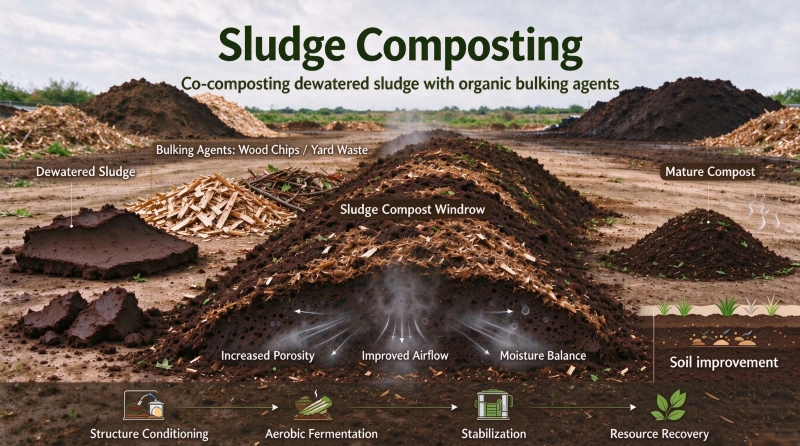
Depending on the raw materials and product formulation, pretreatment may include sorting, crushing, mixing, moisture adjustment, and fermentation or composting. These steps help create more consistent material for subsequent processing.
In bio organic fertilizer india production, pretreatment helps create more stable conditions for the processes that follow. Without adequate preparation, materials may be difficult to mix, may not ferment evenly, or may create problems during granulation.
Moisture is especially important. Materials that are too wet can be difficult to handle and may increase drying requirements. Materials that are too dry may not bind properly during certain granulation processes. Particle size also matters because large, uneven particles can affect mixing and the consistency of the final product.
For companies investing in bio organic fertilizer india manufacturing, controlling moisture and particle size can make downstream processing more predictable.
Fermentation or composting may be necessary when the intended product and raw materials require biological stabilization. The process should be designed around the characteristics of the feedstock and the desired product rather than based on a universal timetable.
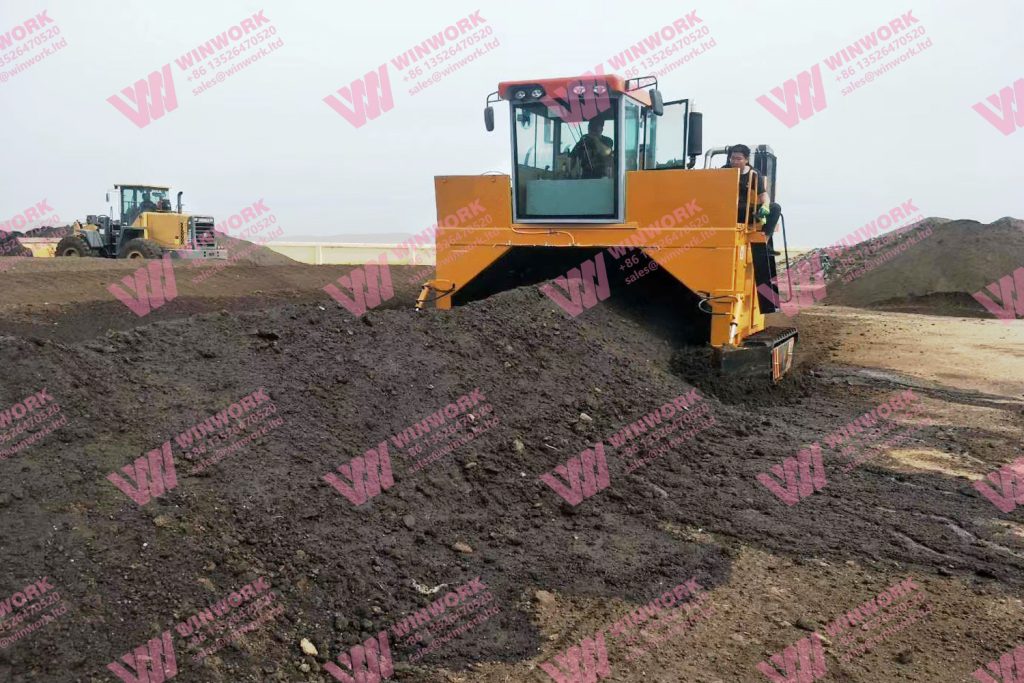
The key lesson is that early-stage processing influences nearly every stage that follows. A factory that prepares its materials properly has a stronger foundation for efficient production and consistent product quality.
3. From Waste to Product: The Process Behind bio organic fertilizer india
Once the raw materials are understood and the appropriate pretreatment method has been selected, the next challenge is to connect the different processing stages into a workable production system.
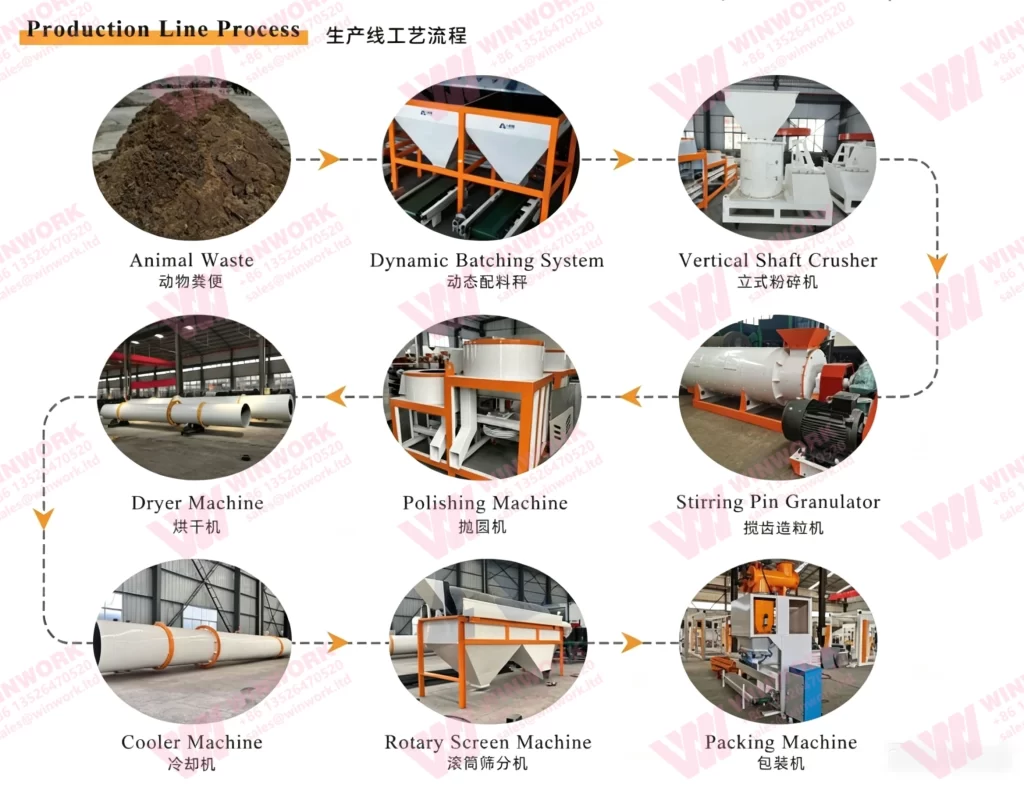
A bio organic fertilizer india production line may include crushing, mixing, granulation, drying, cooling, screening, and packaging, depending on the product. Not every factory requires every machine, and the exact configuration should reflect the raw materials, production capacity, and product specifications.
Crushing and Mixing
Crushing reduces oversized particles and helps prepare materials for further processing. Mixing then combines the prepared materials according to the intended formulation. A consistent mixture makes it easier to manage subsequent production steps.
Granulation
Granulation converts prepared material into granules that can be easier to handle, transport, store, and apply, depending on the finished product’s specifications.
Choosing a granulator for bio organic fertilizer india production requires matching the machine to the material, formulation, and desired granule size. Different materials behave differently, so the best choice depends on actual processing conditions rather than equipment appearance alone.
Manufacturers can explore suitable machinery and production solutions through WINWORK’s fertilizer machinery website.
Drying, Cooling, and Screening
After granulation, some products require drying to reduce moisture to an appropriate level. Cooling helps prepare the granules for handling and packaging, while screening separates material by size.
Oversized or undersized particles may be returned to earlier stages when the production process supports recycling. This can help improve material utilization and maintain a more consistent product size.
Packaging
Packaging protects the finished product during storage and transportation. The packaging method should suit the product’s moisture characteristics, expected storage conditions, and sales requirements.
A well-planned bio organic fertilizer india plant should connect each processing stage instead of treating every machine as an isolated purchase.
For manufacturers planning a complete system, WINWORK’s organic fertilizer production line provides a starting point for exploring integrated equipment configurations.
4. One Product, Different Factories: Why There Is No Universal Production Line
Two fertilizer factories may manufacture products for similar markets but require very different equipment configurations. The reason is simple: their raw materials, production targets, site conditions, and finished-product specifications may not be the same.
For example, a small facility processing locally available manure may prioritize a straightforward production workflow and manageable investment. A larger plant handling several types of organic material may require additional pretreatment equipment, more extensive material handling, or a higher-capacity drying system.
The right equipment for a bio organic fertilizer india factory depends on its capacity target, available floor space, budget, and raw material characteristics.
Production capacity is another important factor. A factory designed for a modest daily output should not automatically copy the layout of a high-capacity industrial plant. Oversized equipment may increase investment and operating costs, while undersized equipment can create bottlenecks when production demand increases.
For a new bio organic fertilizer india business, a modular production line may offer more flexibility than investing in the largest possible setup from the start. The right approach is to balance current needs with realistic plans for future expansion.
An experienced supplier can help translate a bio organic fertilizer india project brief into a practical equipment layout and production workflow.
This is where a turnkey project approach can be useful. Rather than selecting individual machines without considering their connections, manufacturers can plan the overall process, equipment arrangement, material flow, and capacity as one coordinated system.
Businesses exploring an integrated project can learn more about turnkey organic fertilizer production solutions.
These examples show why the bio organic fertilizer india market cannot be served by one standard production-line configuration. A suitable line begins with the product and the process, not with a machine catalogue.
5. The Real Test Begins After Production: What Makes a Fertilizer Product Market-Ready?
Producing granules is only part of the job. A fertilizer product also needs to meet the manufacturer’s intended specifications and the requirements of its target market.
For bio organic fertilizer india manufacturers, market readiness involves more than producing granules that look uniform. Product consistency, moisture control, particle-size distribution, packaging, storage stability, and applicable regulatory requirements may all influence whether the finished product is ready for sale.
Quality checks should be planned throughout the production process rather than left entirely until the end. Inspecting raw materials, monitoring processing conditions, and checking finished products can help identify problems before they affect a large batch.
Equipment selection also affects quality management. For example, an unsuitable granulator may produce an inconsistent particle-size distribution, while inadequate drying capacity may create challenges in achieving the desired final moisture level.
The production line should therefore be designed around the target product specifications. This may involve choosing suitable processing equipment, allowing enough space for material handling, and planning for routine cleaning, maintenance, and quality inspection.
Manufacturers should also evaluate operating costs. Energy consumption, labor requirements, equipment maintenance, raw material transportation, and packaging can all affect the long-term performance of a fertilizer factory.
For anyone planning a bio organic fertilizer india production project, the most useful starting point is a clear description of the raw materials, target product, expected capacity, and operating conditions. These details provide a more reliable basis for equipment selection than choosing machines based on price alone.
Turning Organic Resources into a Practical Production System
The journey from organic waste to a finished fertilizer product involves several connected decisions. Raw material selection determines the preparation method. Preparation influences fermentation and mixing. Material characteristics affect granulation, while drying, screening, and packaging help prepare the product for storage and distribution.
For businesses exploring bio organic fertilizer india opportunities, the goal should be to develop a production system that fits the materials available, the product specifications, the planned capacity, and the realities of daily operation.
A successful bio organic fertilizer india operation begins with realistic raw material planning and ends with a production system designed around the final product.
The most effective factory is not necessarily the one with the most machines. It is the one in which each processing stage performs its intended role and works efficiently with the stages before and after it.
For more details, please feel free to contact us.
Email: sales@lanesvc.com
Contact number: +8613526470520
Whatsapp: +8613526470520
Get A Quote