

Introduction
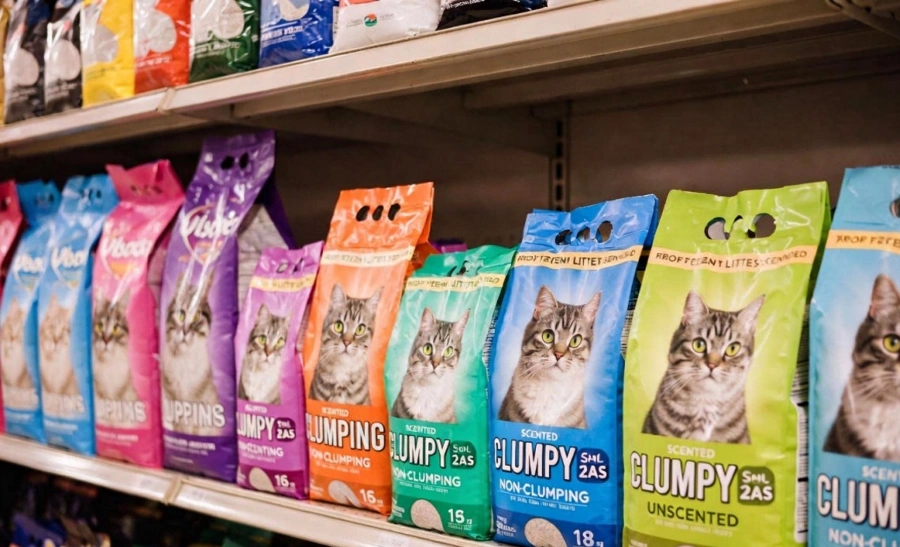
How much does it cost to start a bentonite cat litter factory, and how long does it take to begin production? These are two essential questions for investors planning a small manufacturing project. Understanding cat litter production lead time cost before purchasing equipment helps buyers prepare a realistic budget, compare supplier quotations, and coordinate equipment delivery with factory preparation.
For a 1–2 T/H bentonite cat litter production line, the preliminary equipment budget is approximately US$10,000–20,000, depending on the selected configuration. However, equipment is only one part of the investment. Raw materials, packaging, shipping, installation, electrical connections, and initial working capital must also be considered.
This guide examines the cat litter production lead time cost through a practical small-scale project example. It explains how equipment selection affects the budget, how to estimate additional expenses, and what buyers should prepare before placing an order.
1. cat litter production lead time cost for a 1–2 T/H Production Line
A 1–2 T/H production line is suitable for businesses entering the bentonite cat litter market or expanding from small-scale processing. At a rated capacity of 1 ton per hour, an eight-hour shift represents 8 tons of theoretical output. At 2 tons per hour, the equivalent is 16 tons. Actual production depends on raw material properties, equipment performance, operating hours, cleaning, and downtime.
The equipment budget for this type of project is approximately US$10,000–20,000 as an initial planning reference. The final quotation depends on the equipment included and the processing requirements. Buyers should therefore evaluate cat litter production lead time cost together with the complete equipment scope rather than comparing prices based only on rated capacity.
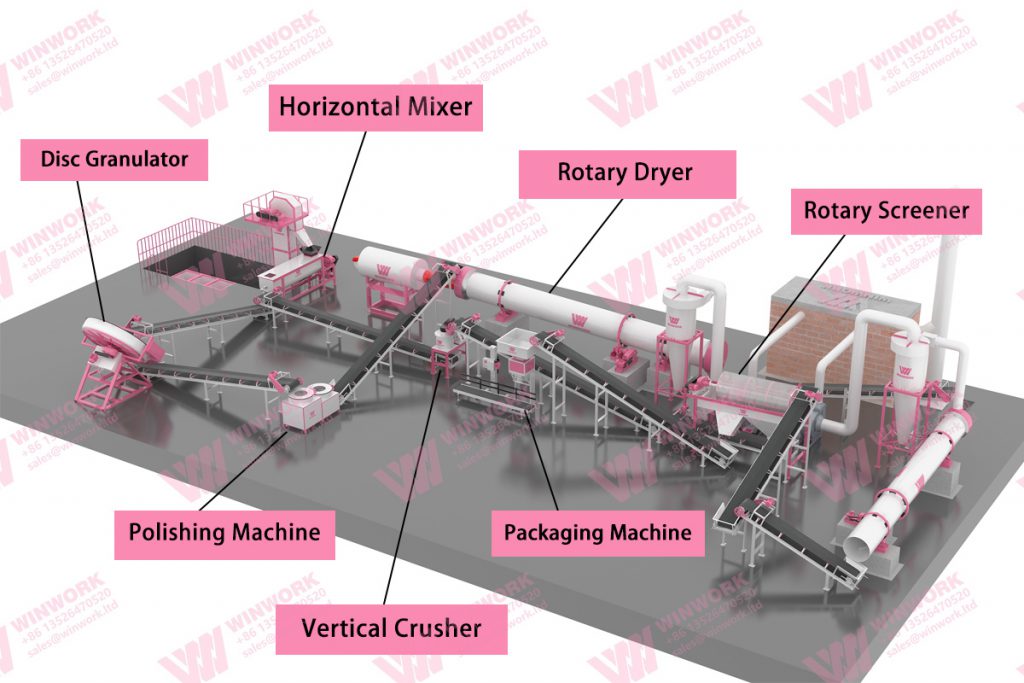
A typical line may include feeding, crushing, mixing or moisture conditioning, granulation, drying where required, screening, conveying, and packaging. A factory using pre-processed bentonite may need a different configuration from one handling large lumps of raw clay. Drying requirements, target granule size, dust collection, and packaging automation can also affect the equipment budget.
-
Production equipment: US$10,000–20,000 preliminary equipment budget, depending on the selected configuration.
-
Bentonite raw materials: Costs depend on the local delivered price and the required stock quantity.
-
Packaging materials: Expenses vary according to bag size, packaging type, and production volume.
-
Shipping and insurance: Costs depend on the destination, shipment dimensions, and delivery terms.
-
Installation and commissioning: Expenses depend on site conditions and the agreed service scope.
-
Workshop preparation: Costs are determined by existing infrastructure and electrical requirements.
-
Working capital: Funds should cover labor, utilities, consumables, and initial operating expenses.
This breakdown helps explain why cat litter production lead time cost differs between projects, even when the nominal production capacity is similar. A factory with an existing workshop and suitable electrical infrastructure may require less additional investment than a new facility that needs extensive preparation.
When requesting a quotation, buyers should confirm whether conveyors, electrical controls, screening equipment, dust collection, and packaging machinery are included. WINWORK provides cat litter production equipment with configurations based on customer requirements. Buyers can explore the 1–2 T/H cat litter production line to understand the equipment options and discuss a suitable configuration.
2. Raw Material, Equipment, and Installation Costs
Raw materials are a recurring production expense, while machinery and most site preparation costs belong to the initial investment. Separating these expenses is essential when calculating cat litter production lead time cost because buyers need to know both how much funding is required before production and how much cash is needed to keep the factory operating.
Bentonite is the principal raw material for conventional bentonite cat litter. Its delivered price depends on the mining location, mineral quality, moisture content, particle size, processing requirements, and transportation distance. Buyers should obtain quotations for material that matches their intended product rather than relying on a general industrial clay price.
For historical context, a European Commission Joint Research Centre report on critical raw materials cited bentonite prices ranging from approximately US$30 per ton for crude bentonite used in cat litter to US$220 per ton for foundry-grade crude bentonite. These are historical reference figures, not current quotations for every cat litter application.
Consider a simple purchasing example. If a factory buys 20 tons of bentonite at US$50 per ton delivered, the initial raw material purchase costs US$1,000. At US$60 per ton, the same quantity costs US$1,200. This US$200 difference excludes additives, packaging, processing losses, and storage, but it demonstrates how local raw material prices influence the startup budget.
Equipment Configuration and Additional Expenses
The production process determines which machines are necessary.
- Crushing and grinding: Prepare oversized clay for subsequent processing.
- Mixing and moisture conditioning: Distribute moisture and required additives evenly.
- Granulation: Form bentonite into granules according to the intended product specifications.
- Drying and cooling: Reduce excess moisture and stabilize the product when required by the process.
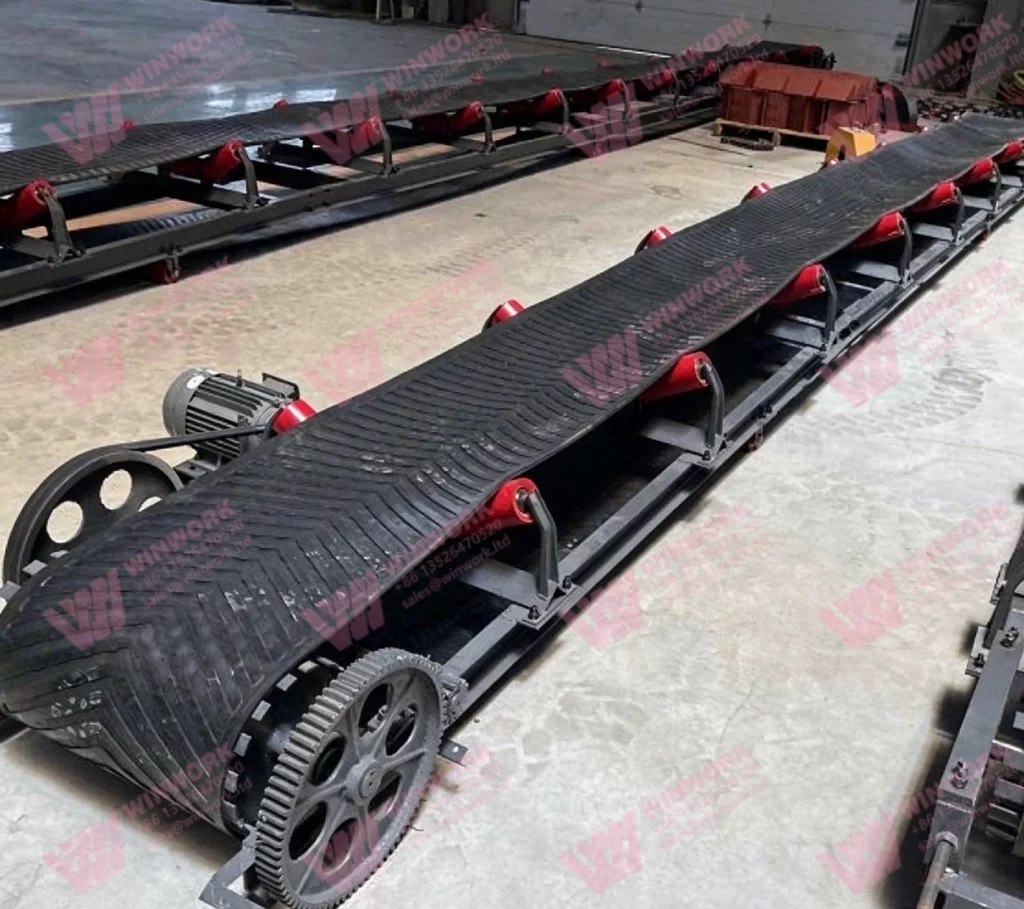
- Screening and conveying: Separate particles by size and transfer material between production stages.
- Packaging: Weigh and pack finished litter into the required bag sizes.
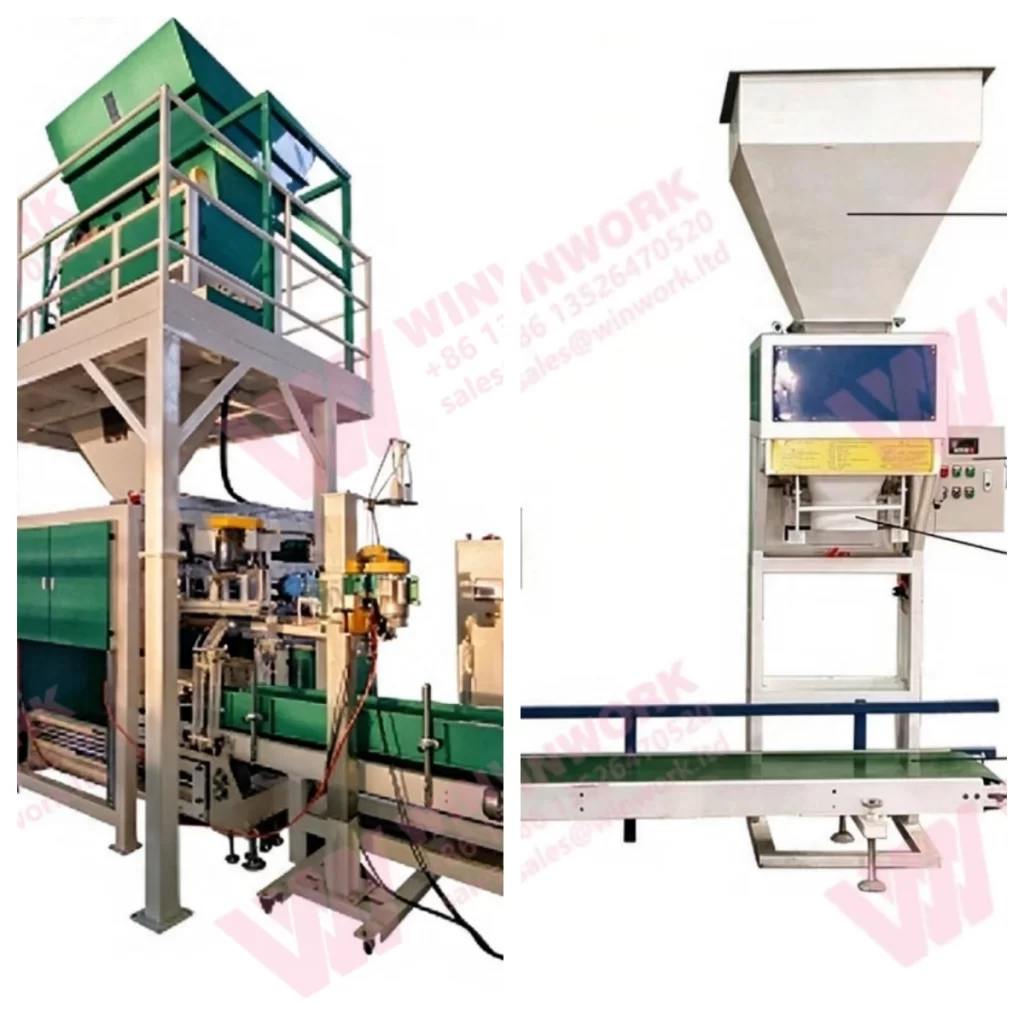
For example, a business supplying bulk cat litter to distributors may need a different packaging arrangement from a brand selling 5 kg or 10 kg bags through retail stores. These requirements should be confirmed before the equipment configuration is finalized.
The bentonite cat litter production line provides a reference for the main processing stages and equipment options. The final configuration should be selected according to actual raw material conditions and product requirements.
Shipping and installation must also be included in cat litter production lead time cost calculations. International freight depends on shipment size, destination, insurance, and delivery terms. Import duties, local taxes, and customs clearance charges should be checked separately.
Installation expenses may include unloading, lifting, mechanical connections, electrical wiring, equipment positioning, and commissioning. Additional work may be necessary if the factory needs new foundations, power upgrades, ventilation, or dust collection connections.
Before ordering, buyers should confirm whether installation is included in the supplier’s quotation, whether engineer travel is charged separately, and whether technical support is provided remotely or on-site. A clear breakdown of equipment, shipping, and installation costs makes the total project budget easier to manage.
3. cat litter production lead time cost: From Equipment Order to First Production
The equipment manufacturing period is only one part of the project schedule. Technical confirmation, shipping, workshop preparation, installation, and commissioning all influence when commercial production can begin. Buyers evaluating cat litter production lead time cost should distinguish the supplier’s delivery commitment from the complete project timeline.
WINWORK lists a general delivery time of within 40 days for its cat litter production line offering. The specific schedule for a 1–2 T/H project should be confirmed in the quotation and purchase contract, particularly if customized equipment or additional auxiliary systems are required.
The following table provides an illustrative project schedule rather than a guaranteed delivery commitment.
-
Technical Confirmation: Confirm raw material characteristics, target production capacity, finished product specifications, and equipment configuration before placing the order.
-
Equipment Manufacturing: Manufacture, assemble, and inspect the equipment according to the confirmed order specifications.
-
Shipping and Customs Clearance: Arrange transportation, prepare shipping documents, and complete the required import procedures. The actual duration depends on the destination and shipping arrangements.
-
Installation: Position the equipment and complete the necessary mechanical and electrical connections. The work required depends on factory conditions and the agreed installation service.
-
Commissioning and Trial Production: Test equipment operation, adjust processing parameters, and evaluate product quality before starting regular production.
Some activities can take place simultaneously. For instance, the buyer can prepare the workshop, arrange the electrical supply, and organize local installation resources while the equipment is being manufactured. Consequently, the durations should not simply be added together to determine the final calendar schedule.
Several problems can delay production. Changes to granule specifications may require adjustments to the equipment arrangement. Inconsistent raw material may complicate testing, while incomplete workshop preparation or delayed customs documentation can postpone installation.
To reduce these risks, confirm the incoming material size and moisture condition, target granule size, expected output, available power supply, and packaging format before placing the order. The purchase contract should specify the manufacturing schedule, delivery terms, installation responsibilities, and commissioning arrangements.
A realistic assessment of cat litter production lead time cost therefore includes both the equipment supplier’s responsibilities and the buyer’s preparation work. Confirming these details early helps reduce avoidable delays and unexpected expenses.
4. How to Control the Budget and Prepare for Production
The most effective way to control cat litter production lead time cost is to define the intended product and factory requirements before selecting machinery. Buying equipment without testing the raw material or confirming the required granule specifications can lead to unnecessary expenses and unsuitable processing arrangements.
Start by obtaining representative bentonite samples. Check the material’s particle size, moisture, granulation behavior, and finished-product performance. These tests help determine whether additional crushing, drying, conditioning, or screening equipment is necessary.
Next, prepare two separate budgets. The first should cover the equipment package and the services explicitly included in the supplier’s quotation. The second should cover freight, installation, workshop preparation, raw materials, packaging, and initial operating funds. Keeping these budgets separate makes it easier to identify missing expenses before committing to the project.
Production capacity should also be evaluated realistically. A rated output of 1–2 T/H does not mean the factory will continuously produce at that rate throughout every shift. Cleaning, maintenance, material feeding, product changes, and equipment downtime can reduce actual output. Use a realistic operating schedule when estimating daily production and raw material requirements.
Finally, confirm the expected delivery schedule and payment arrangements before ordering. Coordinate workshop preparation with equipment manufacturing, check local import requirements, and establish who is responsible for installation and commissioning.
For a small bentonite cat litter plant, cat litter production lead time cost should be evaluated against the complete project scope, not just the machinery purchase price. A detailed quotation and written project schedule help buyers compare suppliers and prepare a more reliable investment plan.
WINWORK can help buyers assess equipment configurations according to target capacity, bentonite characteristics, finished granule specifications, and packaging requirements. To request a quotation, provide your planned output, raw material details, factory location, and preferred bag sizes. These details help determine the equipment scope, estimated investment, and expected delivery schedule.
Understanding cat litter production lead time cost before purchasing machinery gives investors a clearer picture of the funding, preparation, and coordination required to bring a small production line into operation.
For more details, please feel free to contact us.
Email: sales@lanesvc.com
Contact number: +8613526470520
Whatsapp: +8613526470520


Get A Quote