

Introduction
Drying is an important stage in fertilizer production. After fermentation, mixing, or granulation, many materials still contain excess moisture. If this moisture is not properly removed, fertilizer may become sticky, form lumps during storage, or create difficulties during screening, conveying, and packaging.
However, a fertilizer drying process does not depend on a rotary drum alone. A complete rotary dryer system brings together several connected machines that handle material feeding, heat generation, moisture removal, exhaust treatment, and product discharge. Each component has a specific function, and all of them work together to keep the drying process continuous.
For people who are new to fertilizer machinery, understanding the complete rotary dryer system makes it easier to see how wet raw materials become dry, manageable products. It also helps explain why different materials may need different arrangements within the same general drying process.
What Is a Complete Rotary Dryer System?
A complete rotary dryer system is an integrated group of equipment used to reduce moisture in fertilizer materials. Its main component is the rotary drum dryer, but the entire system also includes a heating arrangement, feeding and discharging equipment, dust collection devices, fans, and connecting conveyors or ducts.
The rotary drum provides the space where materials move and come into contact with the drying medium. The heating system supplies the thermal energy needed to evaporate moisture. Meanwhile, the feeding and conveying equipment keeps materials moving through the process, while the dust collection system handles particles carried away by the exhaust air.
In a typical fertilizer production process, wet granules enter the drying section after granulation. They are gradually dried before moving to cooling, screening, and packaging. In organic fertilizer production, the material entering the dryer may instead be compost or processed manure, depending on the production arrangement.
The exact layout can vary. Some systems use direct heating, where hot air or combustion gases contact the material. Other arrangements use indirect heating to transfer heat without direct contact between the material and combustion gases. The heating method and equipment connections depend on the process design and the properties of the material.
Main Equipment in a Complete Rotary Dryer System
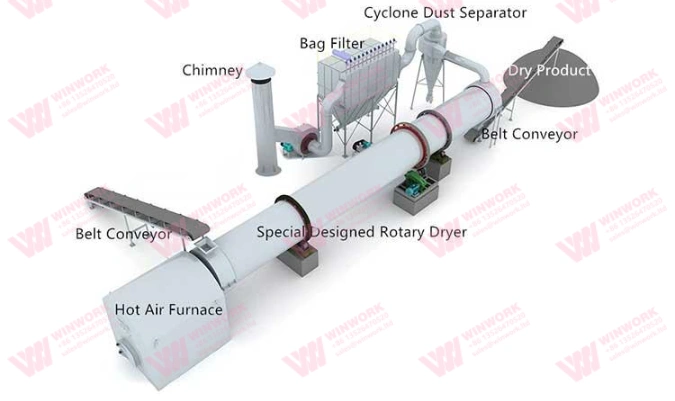
Understanding each machine is the first step toward understanding how the complete rotary dryer system operates. Although the equipment may be arranged differently in different plants, the following components are commonly found in fertilizer drying applications.
Rotary Drum Dryer
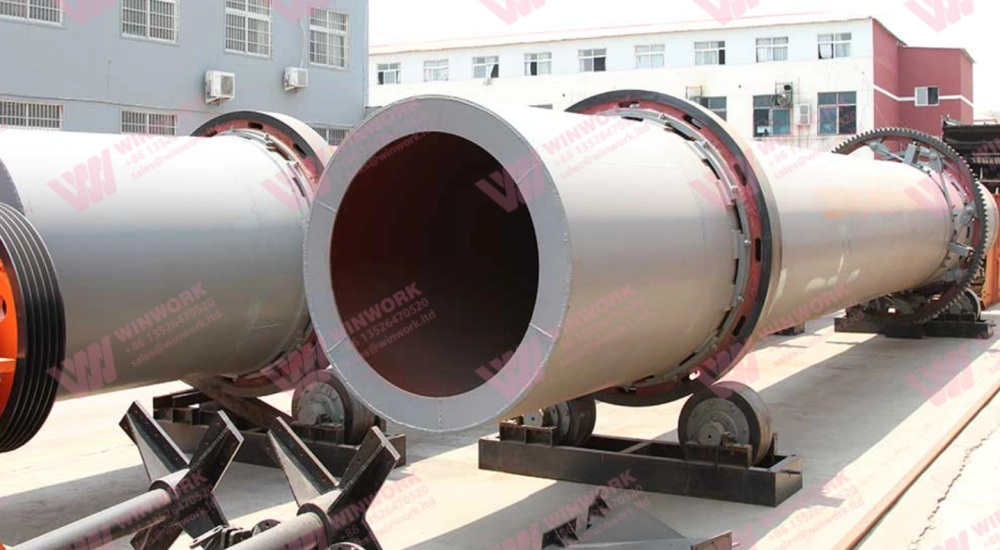
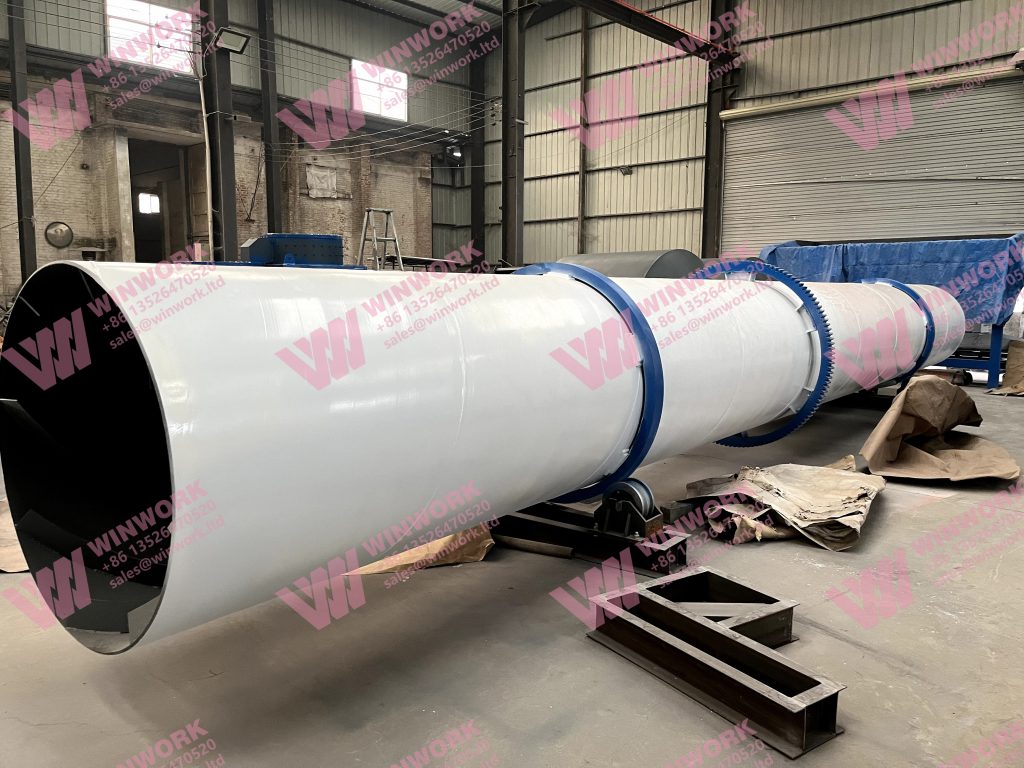
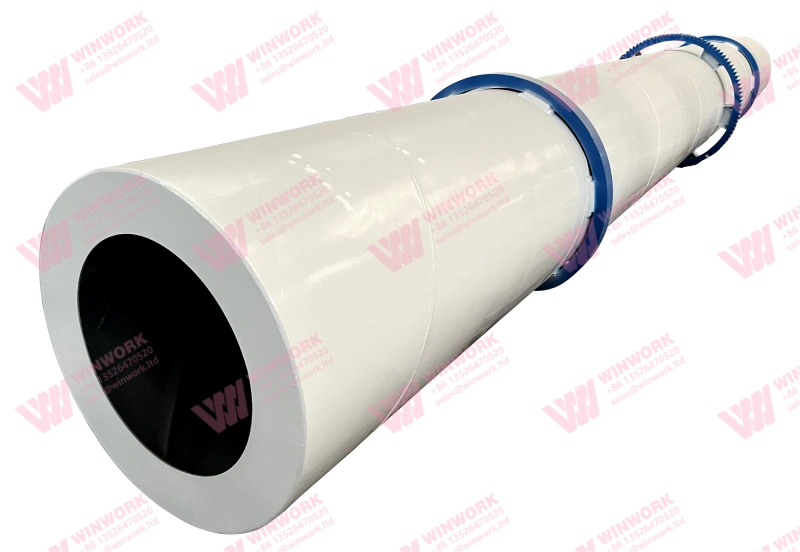
The rotary drum dryer is the central machine in the system. It consists of a large cylindrical drum supported by a driving and supporting structure. A motor and transmission system rotate the drum at a controlled speed.
Wet material enters through the feeding end. As the drum rotates, internal lifting plates, also called lifting flights, raise the material and allow it to fall through the drying airflow. This repeated movement exposes different parts of the material to heat and helps it move gradually toward the discharge end.
The purpose is not simply to heat the outside of the material. Continuous tumbling helps distribute the material inside the drum and creates repeated contact between the material and the hot air. The structure and internal arrangement of a rotary drum dryer are therefore important parts of the overall drying process.
Hot Air Furnace
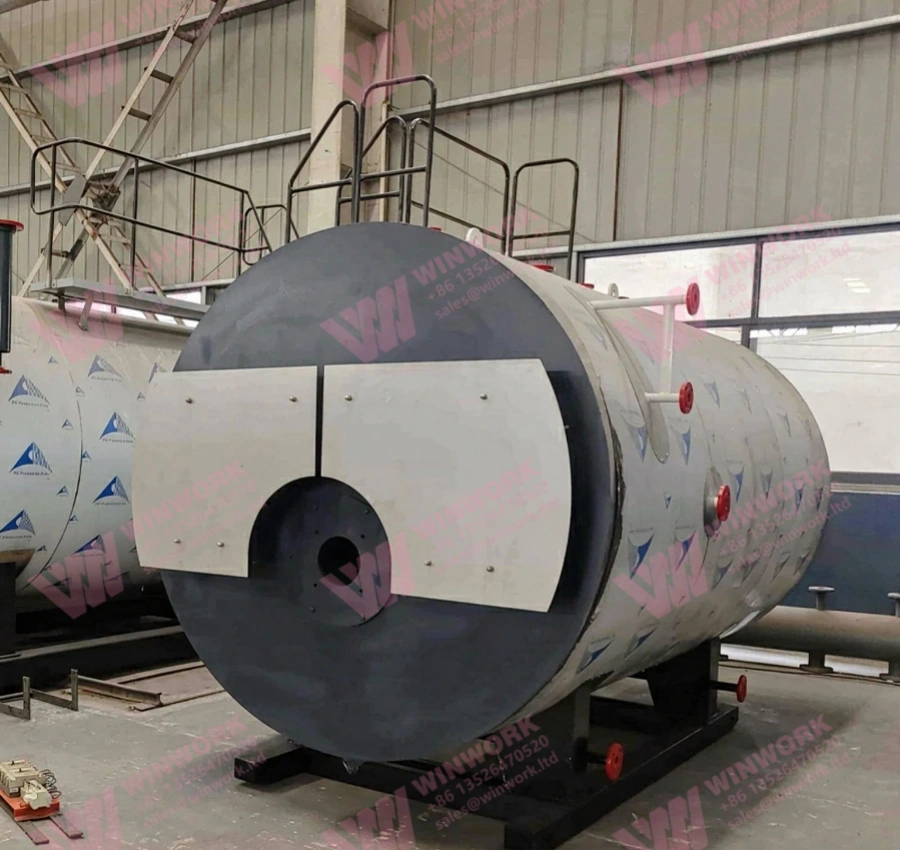
The hot air furnace is part of the heating system. Its role is to provide a space where heat is generated or transferred and to supply hot air to the drying section.
In a common arrangement, the burner provides heat to the furnace. The resulting hot air then travels through connecting ducts into the rotary dryer. The furnace and burner have related but different functions: the burner produces heat through combustion, while the furnace helps form and deliver the hot air used in the drying process.
Depending on the design, the heating equipment may be arranged as separate connected units or as an integrated assembly. Not every complete rotary dryer system has exactly the same furnace structure.
Burner and Fuel Supply
The burner is responsible for generating heat by burning fuel. Different projects may use different fuel sources according to local availability and the design of the heating system.
Common examples include:
- Oil-fired burners: Use liquid fuel to generate heat for the drying process.
- Gas burners: Use fuels such as natural gas or liquefied petroleum gas, where a suitable gas supply is available.
- Biomass burners: Use biomass as fuel, making use of a solid fuel source in the heating process.
These burners are not interchangeable in every installation. Their fuel supply, combustion arrangement, maintenance requirements, and connection to the hot air furnace are different. The important point in understanding a complete rotary dryer system is that the burner provides the heat source, while the rest of the heating arrangement transfers that heat to the drying air.
Feeding and Discharging Equipment
The feeding system transports wet fertilizer materials into the rotary dryer. Depending on the material and production layout, it may include a belt conveyor, screw conveyor, feeding hopper, or other conveying equipment.
A stable feeding process helps prevent sudden changes in the amount of material entering the drum. If wet material is supplied unevenly, the material layer inside the dryer may fluctuate, affecting the contact between the material and hot air.
At the other end of the drum, the discharging equipment transfers dried material to the next stage. This may involve a discharge chute, conveyor, or connection to a cooling machine. Feeding and discharging equipment connect the dryer with the rest of the production line rather than allowing it to operate as an isolated machine.
Dust Collection System and Induced Draft Fan
During drying, hot air carries moisture away from the material. It may also carry fine fertilizer particles and dust out of the drum. A dust collection system is used to capture these particles before the exhaust air is released.
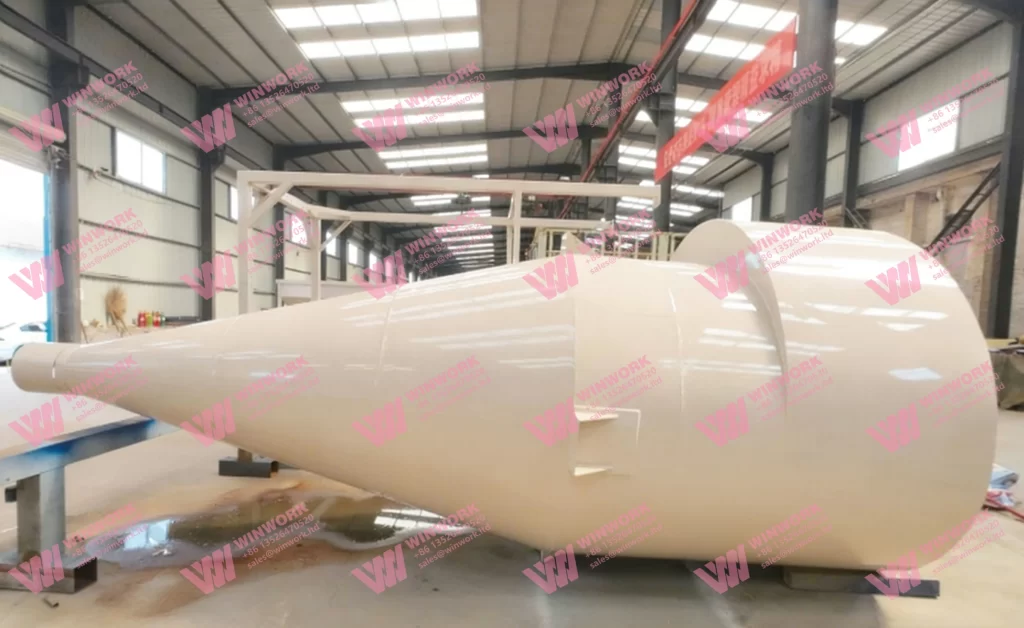
A cyclone separator can remove some larger particles from the airflow. A bag filter may be added to collect finer dust. Depending on the material and process requirements, the system may use one or more dust-control stages.
Using Dust Collector to Handle Workshop Dust
An induced draft fan helps maintain airflow through the connected equipment. It draws exhaust gas through the ducts and dust collection devices, supporting the movement of air through the drying system. The final exhaust arrangement should be designed in line with the material characteristics and applicable environmental requirements.
How Does a Complete Rotary Dryer System Work?
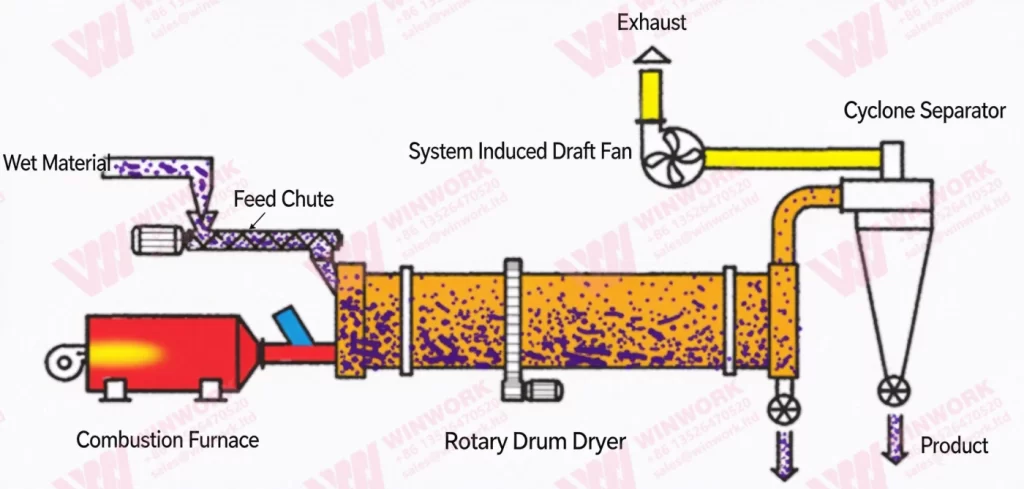
The operation of a complete rotary dryer system can be understood through three connected flows: material flow, heat flow, and exhaust gas flow. These processes happen together while the dryer is running.
Material Flow: From Wet Material to Dry Product
First, wet fertilizer material is delivered to the feeding equipment. A conveyor or feeding device moves it into the inlet of the rotary drum dryer.
Inside the drum, rotation and internal lifting plates continuously turn the material. As it is lifted and dropped, it moves forward through the drum and comes into contact with the hot drying air. Moisture gradually evaporates from the material during this process.
After passing through the drying section, the material leaves the discharge end. In a fertilizer production line, it may then enter a rotary cooler or another cooling unit. After cooling, the product can move to screening, coating if required, and packaging.
Heat Flow: From Burner to Drying Drum
The heat flow begins at the burner. Fuel is supplied to the burner, where combustion generates heat. The hot air furnace receives or transfers this heat and supplies the required hot air to the drying section.
The hot air enters the rotary dryer and transfers heat to the moving material. This energy allows moisture to evaporate as the material travels through the drum.
In a direct-heating arrangement, hot air or combustion gases may come into direct contact with the material. In an indirect-heating arrangement, heat is transferred without direct contact between the material and combustion gases. The two arrangements have different structures, so the actual airflow path depends on the system design.
Exhaust Gas Flow: From Dryer to Dust Collection
As the drying air passes through the drum, it absorbs moisture and may carry dust particles. The exhaust gas then leaves the dryer through the exhaust duct.
It passes through the dust collection equipment, such as a cyclone separator or bag filter, where suspended particles are captured. The induced draft fan helps move the exhaust gas through this route. The treated exhaust is then discharged through the system’s designed outlet, subject to applicable environmental requirements.
These three flows explain why a complete rotary dryer system is more than a rotating drum. The material needs a continuous route, the heat needs a controlled supply path, and the exhaust needs a suitable treatment route.
How Does the Rotary Dryer System Handle Different Fertilizer Materials?
Different raw materials do not behave in exactly the same way during drying. Their moisture content, particle size, stickiness, fiber content, and physical strength can all affect how they move through the drum and interact with hot air.
Organic Fertilizer and Compost
Organic fertilizer may be made from composted manure, agricultural residues, or other organic materials. Depending on the production stage, the material entering the dryer may be loose compost, crushed material, or formed granules.
Compost and manure-based materials can contain fibers and irregular particles. Some wet materials may also stick together or form lumps. During drying, continuous movement inside the drum helps expose more material surfaces to the hot air. Feeding conditions and the internal movement of the material are important to maintaining a steady process.
A complete rotary dryer system used in an organic fertilizer production line is therefore connected with the earlier material preparation and the later cooling, screening, and packaging stages.
Chicken Manure and Other Manure-Based Materials
Chicken manure and other livestock manure may contain considerable moisture before processing. Depending on the production process, manure may be dried before further treatment or processed through fermentation and granulation before entering the drying stage.
These materials may contain fine particles, fibers, and uneven lumps. The feeding equipment needs to deliver material steadily, while the dryer provides continuous movement and heat contact. Dust collection is also important because fine particles may be carried out with the exhaust air.
NPK and Compound Fertilizer Granules
NPK and compound fertilizer granules usually enter the dryer after granulation. At this point, the material has already been formed into particles, but it may still contain moisture from the granulation process.
Inside the rotary drum, the granules are lifted and turned as they move through the hot air. The drying process reduces excess moisture before the granules enter cooling and screening. Because the material is already in granular form, the process also needs to maintain suitable movement and avoid unnecessary damage to the particles.
Biomass and Other Fiber-Rich Materials
Some fertilizer-related production processes handle agricultural residues or other biomass materials. These materials may have irregular shapes, different fiber lengths, and varying moisture levels.
Their movement through the drum can differ from that of uniform fertilizer granules. Some may be more difficult to distribute evenly, while loose or fine materials may generate dust during handling. For this reason, the feeding, drum movement, airflow, and dust collection arrangements all form part of the overall process.
The key point is that a complete rotary dryer system does not treat every material in exactly the same way. The basic drying principle remains similar, but the material’s physical properties influence how it behaves throughout the system.
What Happens After the Drying Process?
Drying is usually one stage within a larger fertilizer production process. Once the material leaves the rotary dryer, it may still need cooling and size classification before it becomes a finished product.
A rotary cooler can reduce the temperature of hot fertilizer granules after drying. This helps prepare the material for subsequent handling and storage. The cooled product may then pass through a screening machine, which separates qualified granules from oversized or undersized particles.
In some production lines, the qualified granules continue to coating and packaging. In others, undersized or oversized material may be returned for further processing, depending on the production arrangement.
For example, an organic fertilizer production line may connect fermentation, crushing, mixing, granulation, drying, cooling, screening, and packaging equipment. An NPK production line may connect batching, mixing, granulation, drying, cooling, screening, coating, and packaging equipment. The exact sequence depends on the product and the process.
This is why the dryer should be understood as part of a connected production system. Its feeding and discharge points need to work with the equipment before and after it.
Complete Rotary Dryer System for Fertilizer Production
A complete rotary dryer system combines the rotary drum dryer, heating equipment, burner, feeding and discharging devices, dust collection system, fans, and connecting equipment into one working process. Each component performs a different task, but none of them works independently of the rest of the system.
For fertilizer manufacturers, understanding these connections is useful when planning a drying section for organic fertilizer, manure-based fertilizer, NPK granules, compound fertilizer, or other materials. The raw material’s moisture, particle form, stickiness, and fiber content all influence how it moves and dries inside the system.
WINWORK focus on fertilizer machinery and integrated production equipment. Through its fertilizer machinery and production solutions, the company provides equipment and process support for different fertilizer manufacturing applications.
Ultimately, a complete rotary dryer system is not just a drum that removes moisture. It is a coordinated process in which material movement, heat supply, airflow, dust collection, and downstream handling work together to prepare fertilizer materials for the next production stage.
For more details, please feel free to contact us.
Email: sales@lanesvc.com
Contact number: +8613526470520
Whatsapp: +8613526470520
Get A Quote