

Introduction
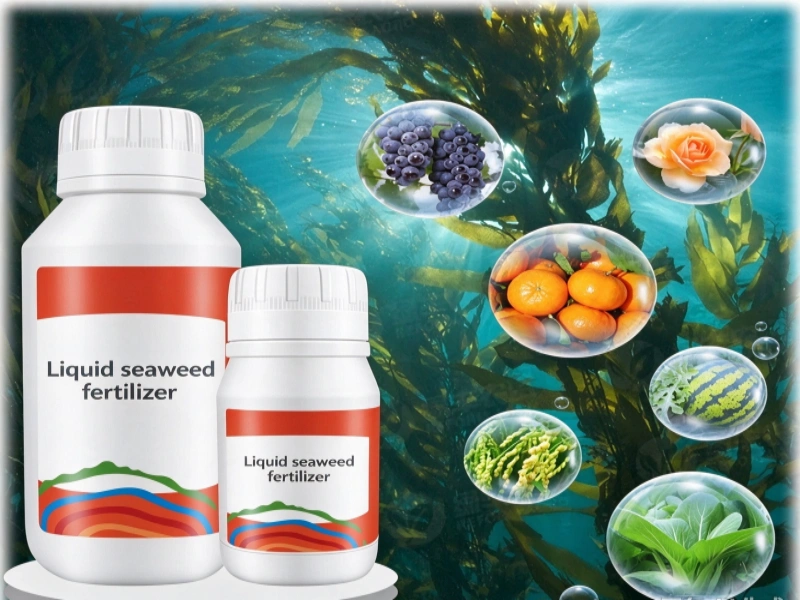
Learning how to make liquid seaweed fertilizer requires a clear production process, suitable equipment, and consistent raw materials. For manufacturers, the goal is to turn seaweed into a stable liquid product that meets a defined specification, rather than simply mixing seaweed with water.
A typical liquid seaweed fertilizer production process includes raw material preparation, extraction, solid-liquid separation, formulation, quality testing, storage, and filling. Each stage affects production efficiency, product consistency, and operating costs.
This guide explains how to plan the process, choose the main machines, and estimate output from a small trial batch. It is intended for fertilizer manufacturers, agricultural input suppliers, and businesses planning to establish a production line.
The right process depends on the seaweed species, moisture content, extraction method, and target product. Therefore, the figures in the example are planning assumptions, not guaranteed production parameters.
1. Choose and Prepare the Seaweed Raw Material
The first step in learning how to make liquid seaweed fertilizer is choosing the right seaweed raw material. For commercial production, brown seaweed species such as Ascophyllum nodosum, Sargassum, and Laminaria are commonly considered because they contain alginates, minerals, and other naturally occurring compounds. The best choice depends on local availability, raw material cost, the desired product composition, and the extraction method. For a new production project, select one clearly identified seaweed species or a consistent raw material blend before designing the production process. This helps improve batch consistency and makes it easier to determine the appropriate extraction conditions and equipment.
Fresh seaweed, dried seaweed, or powder?
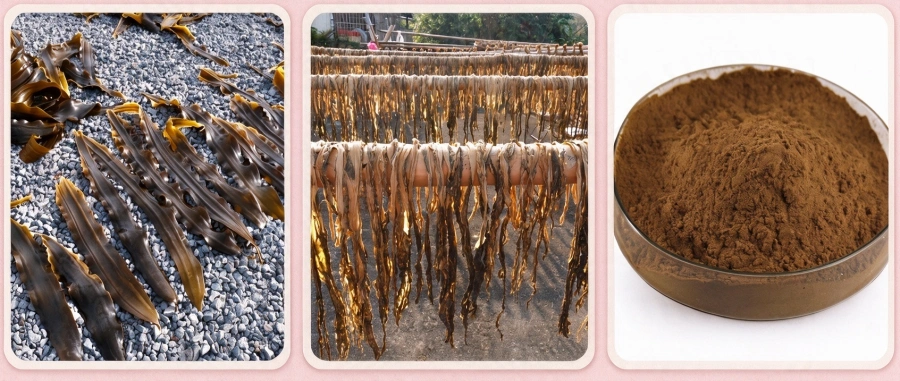
Fresh seaweed may be economical when the factory is close to a reliable harvesting area. However, its high moisture content increases transportation weight, and the material may deteriorate if it is not processed or stored properly.
Dried seaweed is easier to transport and store, but it usually requires water to be added during processing. Seaweed powder can be easier to feed into a tank, although fine particles may increase the load on the filtration system.
When comparing raw materials for liquid seaweed fertilizer, consider more than the purchase price per kilogram. Moisture content, salt content, contamination, particle size, and supply consistency can all affect the cost of the finished product.
Cleaning and cutting
Remove sand, shells, plastic, ropes, and other foreign materials before extraction. Fresh seaweed may need washing, but excessive washing should be avoided unless trials show that it does not remove too many useful soluble components.
Cutting or crushing the material can make feeding and mixing easier. The required particle size depends on the extraction tank and downstream filtration equipment. Large pieces may extract unevenly, while very fine particles can make separation slower.
2. How to Make Liquid Seaweed Fertilizer: The Main Production Steps
A typical production process has several connected stages. The exact configuration should be selected after testing the chosen seaweed and target formulation.
Step 1: Load the extraction tank
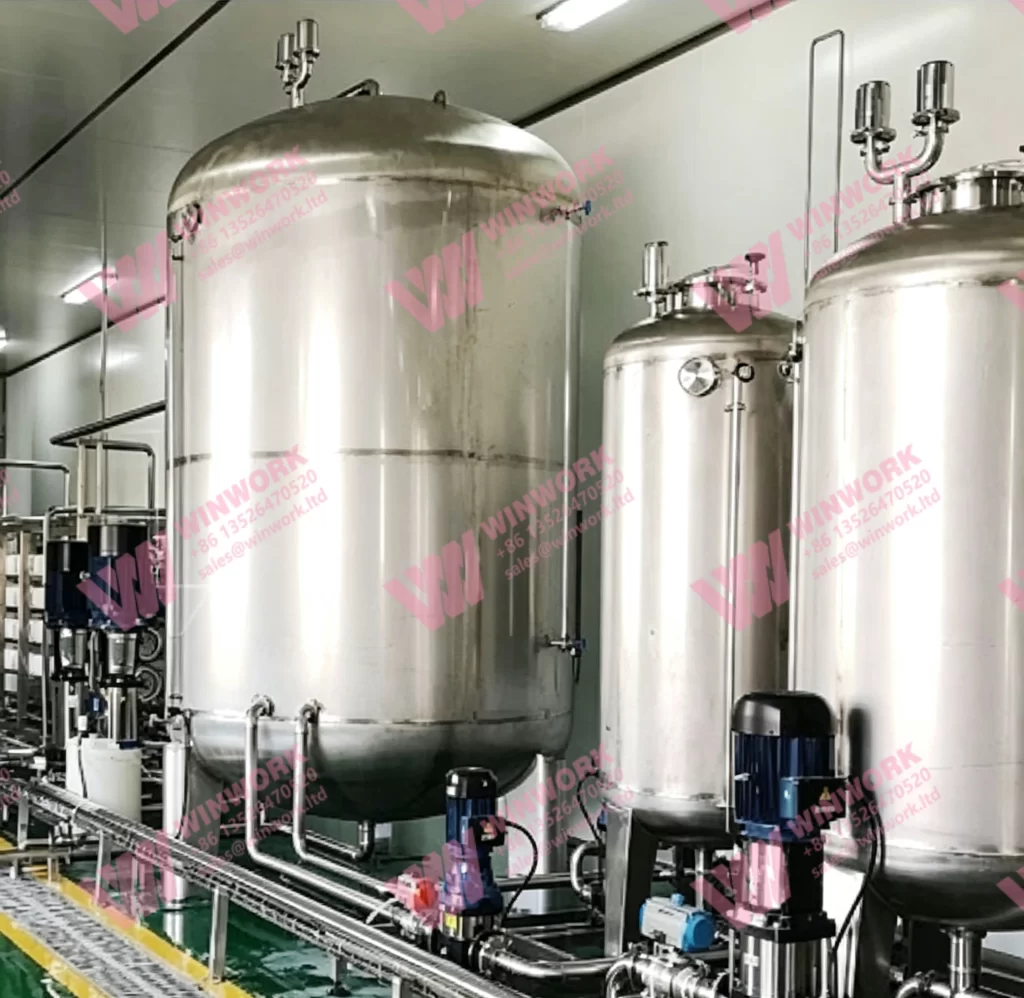
Place the prepared seaweed into a suitable extraction or mixing tank, then add water according to a trial-tested recipe. The tank must provide enough working volume for the raw material, liquid, agitation, and possible foam.
A suitable agitator helps keep the material in contact with the extraction liquid. The tank, seals, pumps, and piping should be compatible with the actual process conditions and cleaning requirements.
When planning liquid seaweed fertilizer equipment, do not select a tank based only on its nominal capacity. Consider usable volume, loading access, discharge arrangements, cleaning, and the time required to complete each batch.
Step 2: Extract the soluble components
Extraction conditions influence how much material transfers into the liquid and what characteristics the extract has. Water extraction is one possible starting route. Enzyme-assisted or alkaline extraction may also be considered when appropriate for the target product.
Temperature, mixing, processing time, raw-material moisture, and particle size should be recorded during trials. There is no single seaweed-to-water ratio or temperature that works best for every species and formulation.
For a first trial, change one major variable at a time. Measure the liquid recovered, solids content, appearance, and relevant quality indicators. This makes it easier to compare different batches and identify which operating conditions produce a more consistent extract.
The purpose of extraction is not simply to maximize liquid volume. A commercial process must produce a reproducible extract that meets the intended specification at an acceptable cost.
Step 3: Separate the liquid from the residue
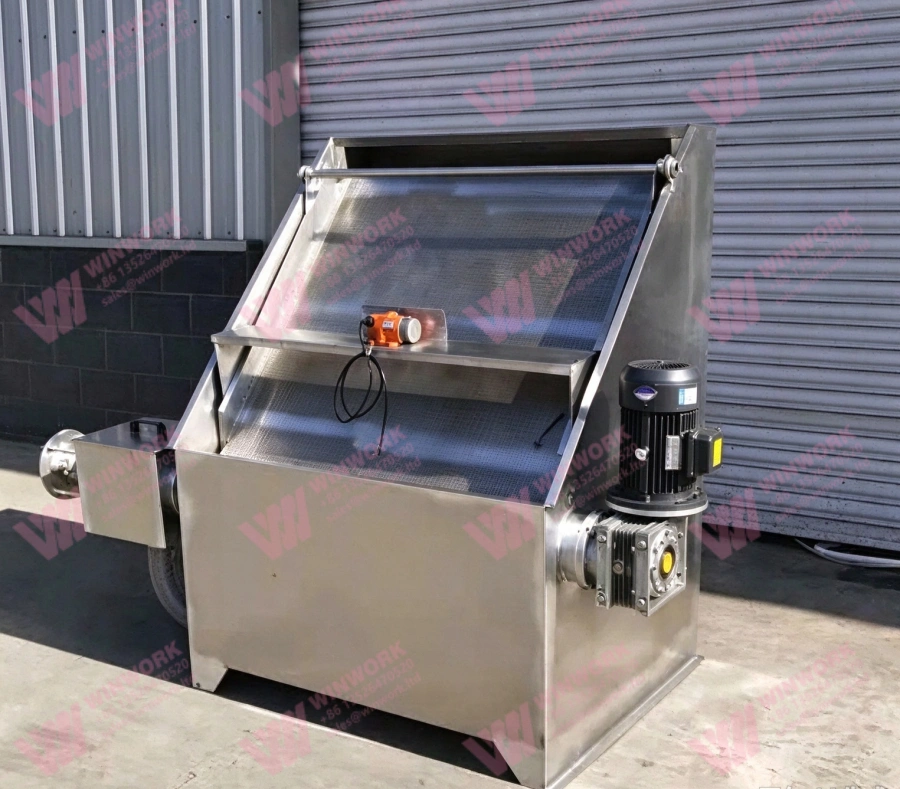
After extraction, the mixture contains liquid and residual seaweed fibers. Depending on the particle size and required product clarity, the manufacturer may use screens, filters, a filter press, a centrifuge, or a combination of separation methods.
Coarse screening can remove larger fibers before finer filtration. This may reduce the load on downstream equipment and help maintain production throughput.
The filtration system for liquid seaweed fertilizer should match the intended product. A clear liquid may require finer separation than a suspension containing small particles. Before purchasing a filter, test representative material and check throughput, cleaning requirements, consumable costs, and residue handling.
Step 4: Adjust the formulation
The filtered extract can be used as a base liquid or blended with compatible ingredients. Depending on the product specification, formulation may involve dilution, pH adjustment, or the addition of nutrients and other permitted components.
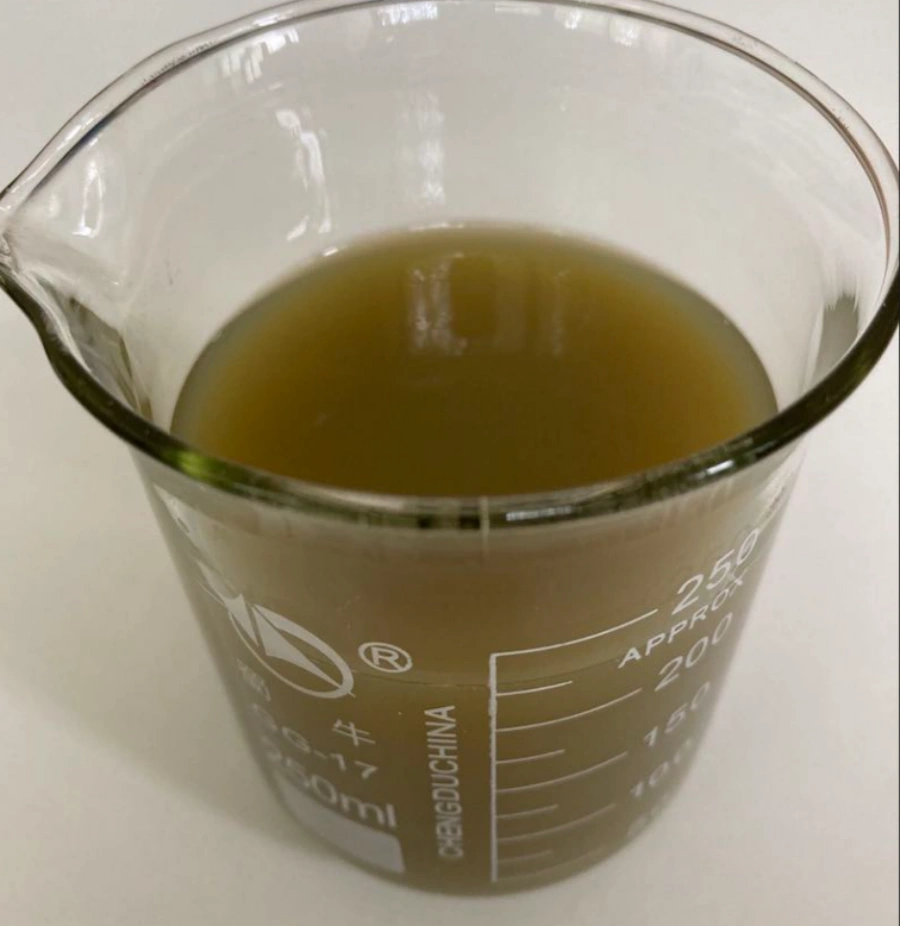
Ingredients should not be combined without compatibility testing. Some combinations may cause precipitation, change viscosity, or reduce storage stability. Test the formulation before deciding on commercial production settings.
Seaweed extract is not automatically a complete NPK fertilizer. If the product will carry declared nutrient values or specific fertilizer claims, the finished formulation must be tested and comply with the rules in the intended sales market.
Step 5: Test, store, and package the product
Before filling, check the parameters required by the product specification. These may include pH, density, total solids, nutrient content, appearance, sedimentation, microbial stability, and contaminant levels.
The test plan depends on the formulation and target market. Seaweed may contain naturally occurring salts, while raw materials can introduce unwanted contaminants. Appropriate laboratory testing is more reliable than judging the product by color or smell alone.
Storage trials can reveal separation, sediment, gas formation, swelling, or odor changes. Packaging must be compatible with the formulation, and the container, cap, and seal should be checked over the intended storage period.
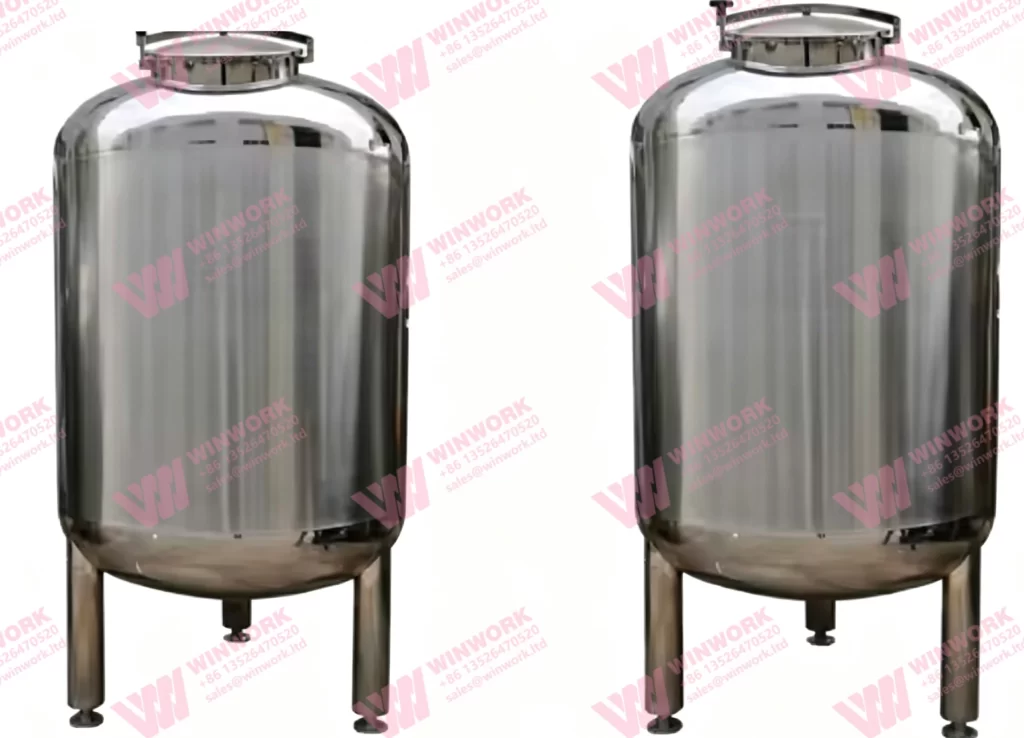
3. What Equipment Is Needed for Liquid Seaweed Fertilizer Production?
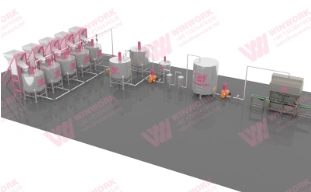
The equipment configuration depends on raw material, process route, batch size, and the finished-product specification. A typical setup may include the following:
- Washing and cutting equipment: Removes foreign materials and cuts seaweed into smaller pieces for easier processing.
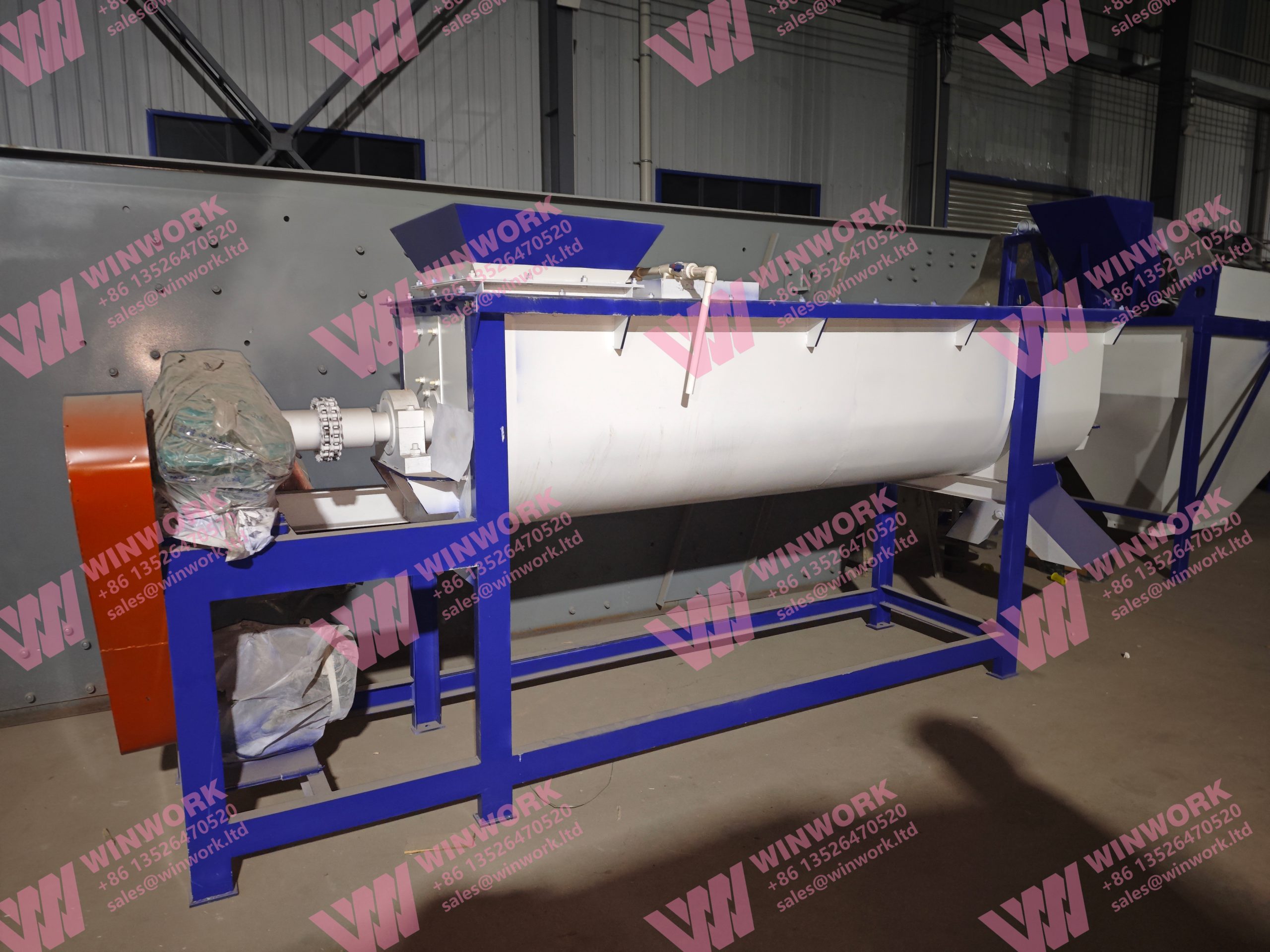
- Extraction or mixing tank: Holds the seaweed and liquid during the extraction process
- Heating system (if required): Controls the processing temperature according to the selected extraction method.
- Pumps and piping: Transfers liquid between different production stages.
- Screening and filtration system: Removes seaweed fibers and suspended solids from the liquid extract.
- Formulation tank: Blends the seaweed extract with other ingredients and adjusts the final product formulation.
- Storage tank: Stores the finished liquid seaweed fertilizer before packaging.
- Filling and capping equipment: Fills containers with the finished product and seals them for storage or shipment.
- Testing instruments: Measures key quality parameters, such as pH, to help ensure consistent product quality.
A pilot plant may begin with a small tank, basic filtration, and manual sampling. A larger factory may require multiple tanks, transfer pumps, staged filtration, storage capacity, and a filling line matched to the expected output.
When choosing liquid seaweed fertilizer equipment, consider the capacity of the entire line rather than the capacity of one machine. If extraction is fast but filtration is slow, the filter can become the production bottleneck. Cleaning and changeover time should also be included in the capacity calculation.
WINWORK provides equipment information on its liquid fertilizer production line page. The final configuration should be confirmed against the actual raw material, process conditions, corrosion requirements, solids load, and target output.
4. A Practical Example: Estimating Output from 100 kg of Seaweed
A simple material balance helps a new manufacturer understand how raw materials relate to finished-product output. The following example uses assumed inputs to illustrate the calculation method.
Suppose a pilot trial uses:
- 100 kg of prepared seaweed
- 500 kg of added water
- A selected extraction and filtration process
The starting mixture weighs approximately 600 kg before other ingredients are added. However, the final liquid output will depend on water retained in the separated solids, evaporation, sampling, transfer losses, and any subsequent formulation or dilution.
It would be incorrect to assume that 600 kg of starting mixture automatically produces 600 kg of saleable liquid seaweed fertilizer.
During the trial, weigh the raw materials, added water, filtered extract, wet residue, and final product. Record the extraction time, temperature, electricity consumption, labor, and packaging requirements. These measurements provide a basis for calculating the actual recovery rate and cost per liter.
Total batch costs should include raw materials, water, energy, labor, filtration consumables, cleaning, packaging, waste handling, and quality testing. Divide the measured batch cost by the actual saleable volume to estimate the production cost per liter.
This approach is more reliable than using an assumed yield to prepare a commercial budget. Repeat the trial with representative raw-material batches before finalizing the process or purchasing a complete line.
5. Common Problems in Liquid Seaweed Fertilizer Production
Excessive sediment: Fine particles may pass through the filtration system, or the formulation may naturally form sediment. Test different separation methods and observe the product throughout the intended storage period.
Unpleasant odor or gas formation: Poor raw-material storage, microbial growth, or formulation incompatibility may contribute to the problem. Review raw-material handling, sanitation, formulation, and storage conditions rather than assuming one additive will solve everything.
Inconsistent batches: Seaweed species, harvest conditions, moisture, salt content, and particle size can vary. Establish raw-material acceptance checks and maintain a production record for every batch.
Slow filtration: Excessive fine particles, high solids content, or unsuitable filter selection can reduce throughput. Test representative material before finalizing the filtration system.
Unexpected pH or nutrient results: Natural variation and added ingredients can change the final analysis. Test the finished formulation and adjust it according to the product specification.
For manufacturers learning how to make liquid seaweed fertilizer, these problems demonstrate why process records and quality testing are essential. Consistent output depends on raw-material controls, suitable equipment, repeatable operating conditions, and finished-product checks.
Conclusion
A reliable liquid seaweed fertilizer production process connects raw-material preparation, extraction, filtration, formulation, testing, and packaging. The best way to determine how to make liquid seaweed fertilizer for a specific factory is to run representative trials, measure the material balance, verify the product quality, and size the equipment around actual results.
Before investing in a complete production line, define the seaweed type, target formulation, expected daily output, filtration requirements, and packaging format. Visit WINWORK’s liquid fertilizer production line or official website to review equipment options. Final selection should be based on the production specification and trial results.
For more details, please feel free to contact us.
Email: sales@lanesvc.com
Contact number: +8613526470520
Whatsapp: +8613526470520
Get A Quote