

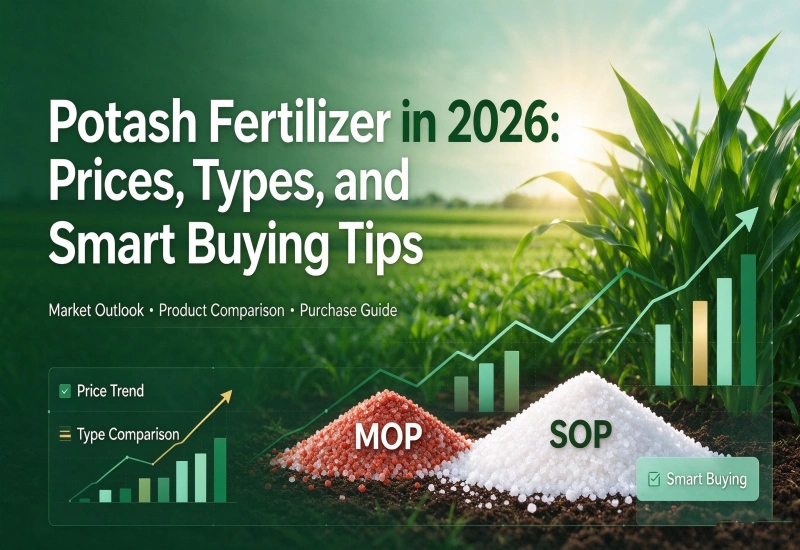
Have you checked fertilizer prices recently and wondered whether you should buy now or wait a little longer?
If you’re planning your next planting season, you’re probably thinking about more than just the price per ton. You want to keep your crops healthy, control your costs, and avoid buying a product that isn’t right for your soil.
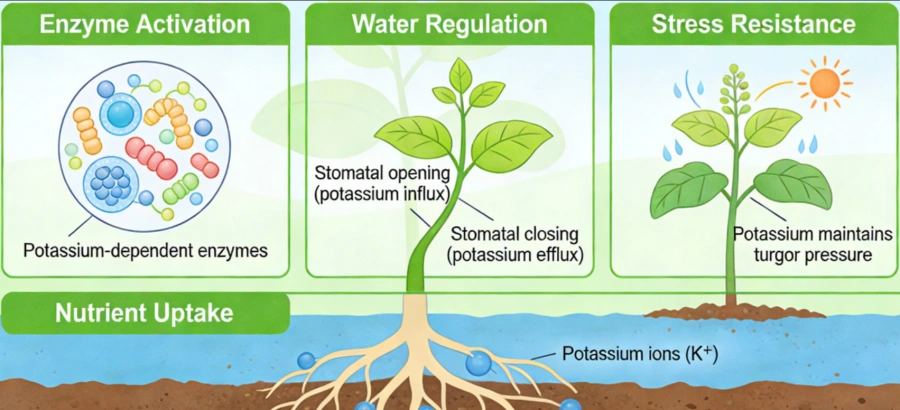
That’s where potash fertilizer comes into the picture. Potassium is essential for plant growth, water regulation, and stress tolerance. But with changing market conditions and different products available, choosing the right fertilizer can feel confusing.
In September 2026, DTN reported an average U.S. retail potash price of around $498 per ton, approximately 2% higher than a year earlier.
Does that mean you should buy immediately? Not necessarily. Let’s look at what is happening in the market and how you can make a smarter purchasing decision.
Why Are Farmers Paying More Attention to Potash Fertilizer in 2026?
Imagine you’re preparing for the next growing season. You’ve already calculated your seed, fuel, and labor costs. Now you need to order fertilizer, but the quotations from different suppliers don’t match.
One supplier offers a lower price per ton. Another charges more but includes delivery.
Which one would you choose?
Before making a decision, remember that fertilizer prices depend on several factors, including global supply, trade conditions, transportation costs, and local demand.
Potash production is concentrated in several major producing countries, including Canada, Russia, and Belarus. Changes in trade policies or transportation routes can affect availability in individual markets.
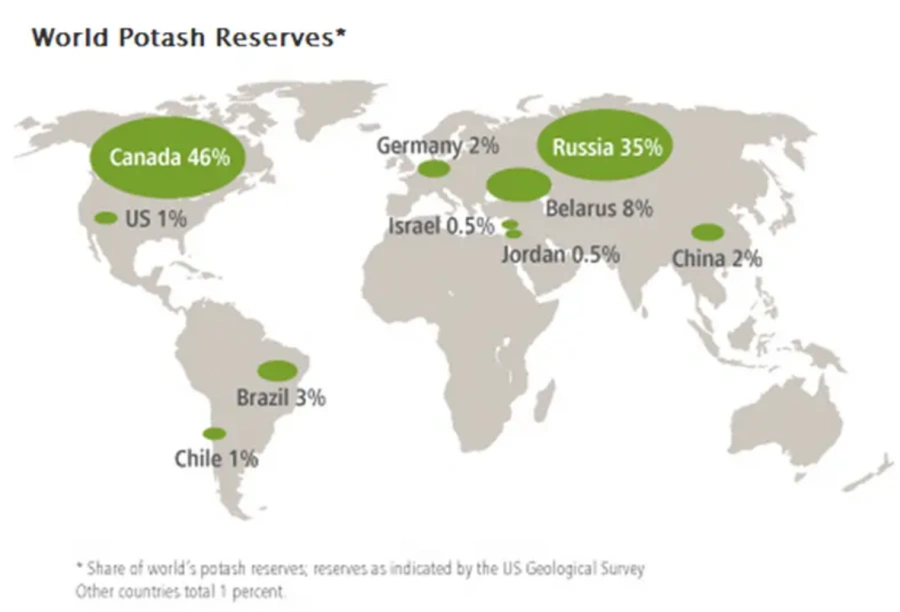
However, supply concerns don’t automatically mean there’s a global shortage. Likewise, a recent price increase doesn’t guarantee that prices will continue rising.
When comparing quotations, focus on three questions:
- What is the actual delivered price?
- Will the product arrive before you need to apply it?
- How much usable potassium are you getting for your money?
A low quotation won’t help much if the fertilizer arrives after your planned application date.
What about your buying habits? Do you normally purchase everything before the season starts, or do you buy in smaller batches throughout the year?
Your answer may depend on storage space, cash flow, and how predictable local prices are.
Will Potash Fertilizer Prices Fall in 2027?
This is a question many farmers may be asking as they plan future purchases.
If prices are going to fall, waiting sounds sensible. But if they rise instead, delaying your order could cost you more.
Unfortunately, nobody can reliably predict the exact price direction for 2027. Global production, export availability, trade policies, freight costs, and agricultural demand will all influence the market.
Instead of trying to guess the perfect buying date, consider a more practical approach. Estimate your fertilizer requirements, request quotations from several suppliers, and compare their prices and delivery terms.
If your budget allows, you could also ask about partial orders or scheduled deliveries. This gives you more flexibility than making a large purchase based entirely on a market forecast.
Remember to consider storage costs, too. Buying early may not save money if you have nowhere suitable to store the product.
Which option would you choose?
- Buy now to secure the supply.
- Wait and see whether prices fall.
- Buy part of the required amount now and review prices later.
There isn’t one right answer for every farm. Your planting schedule, budget, storage conditions, and local market should guide the decision.
MOP vs. SOP: Which Potash Fertilizer Should You Choose?
You’ve probably seen MOP and SOP offered by fertilizer suppliers. Their prices can differ significantly, so choosing the cheaper product may seem like an easy decision.
But is it always the right one?
MOP: A Common and Economical Choice
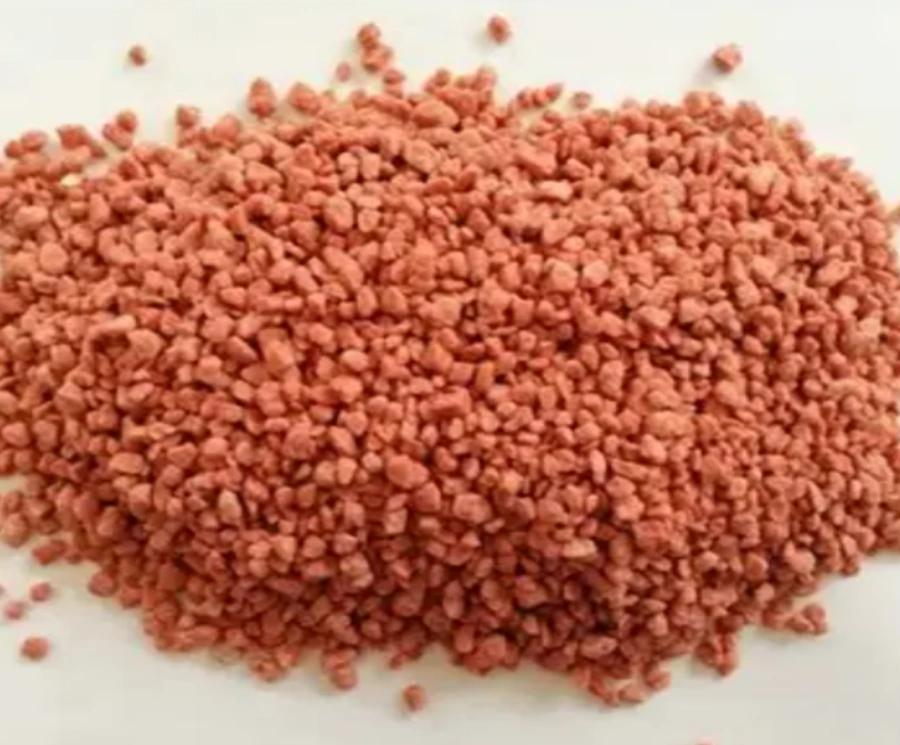
MOP fertilizer
MOP stands for muriate of potash, or potassium chloride. It typically contains around 60%–62% K₂O and is widely used to supply potassium to crops such as corn and soybeans when soil conditions and crop requirements make it suitable.
Its relatively high potassium concentration makes MOP a common choice for farmers who want to manage fertilizer costs.
However, MOP contains chloride. This matters for chloride-sensitive crops or growing conditions where chloride accumulation is a concern.
SOP: When Paying More May Make Sense
sop fertilizer
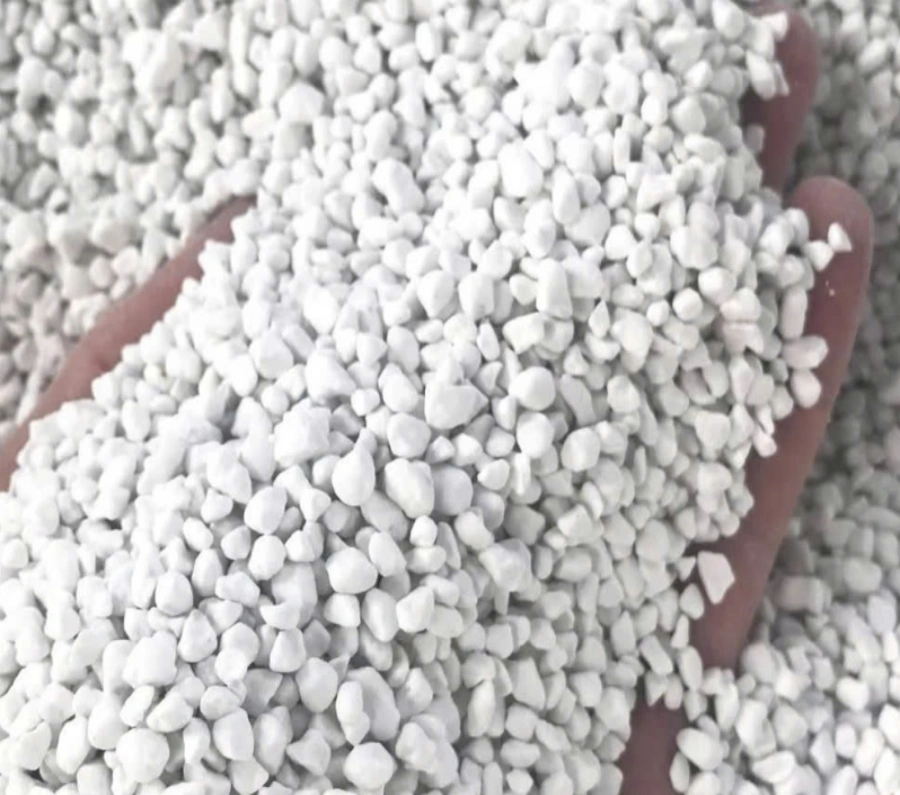
SOP stands for sulfate of potash, or potassium sulfate. It typically contains around 50%–52% K₂O and also supplies sulfur.
Farmers may consider SOP for chloride-sensitive crops or when additional sulfur is needed. It can be a useful option for certain fruits, vegetables, and other specialty crops.
The downside is cost: SOP generally costs more than MOP. Whether that extra expense is worthwhile depends on the crop, soil conditions, and nutrient requirements.
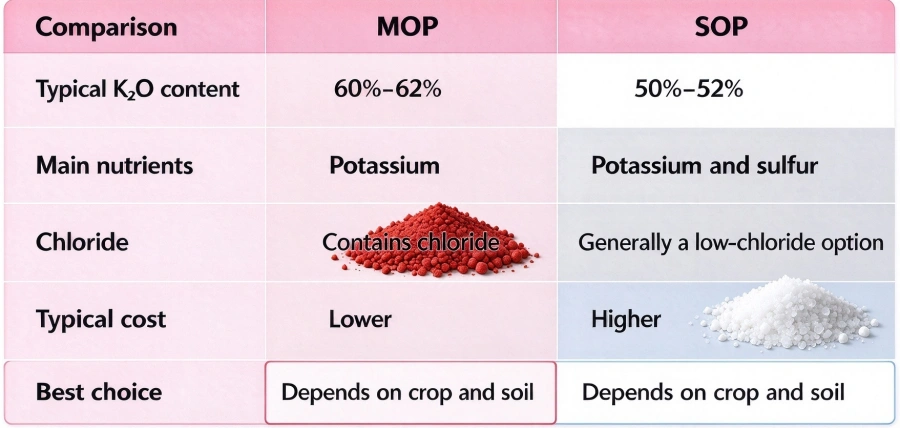
Here’s a simple example. If you’re growing a crop that tolerates chloride and your soil needs potassium, MOP may be sufficient. If chloride sensitivity or sulfur requirements are important, SOP may be worth the additional cost.
The key is to compare nutrient needs and total costs instead of choosing based on price alone.
Does Your Crop Actually Need More Potassium?
Here’s an easy mistake to make: you notice yellowing leaf edges or poor growth and immediately assume your plants need more fertilizer.
Sometimes, potassium deficiency can cause these symptoms. However, water stress, disease, and deficiencies of other nutrients can produce similar signs.
So before spending money on more potash fertilizer, ask yourself one question: Do you know your soil’s potassium level?
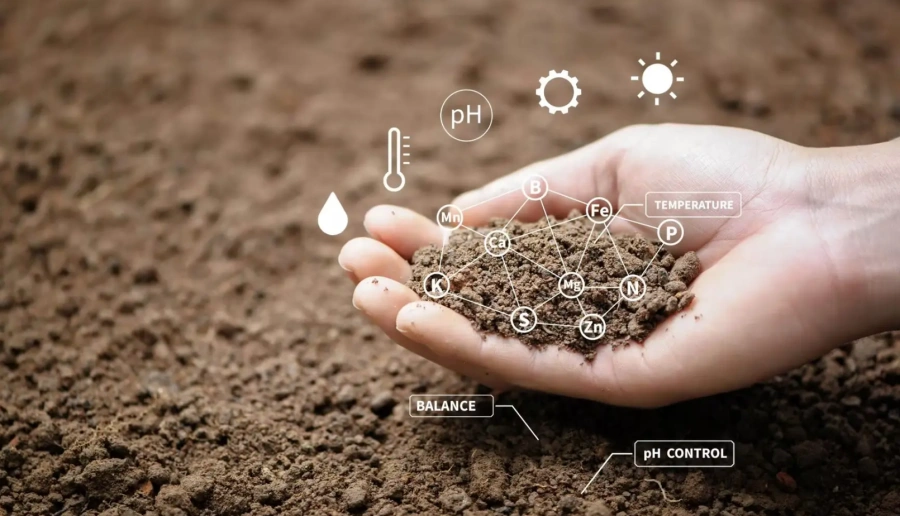
A soil test can help determine whether additional potassium is necessary. It can also prevent unnecessary applications to fields that already contain adequate potassium.
Soil testing
The value of an application depends on the starting conditions. If your soil is deficient, applying the right amount may help support crop development. If potassium levels are already sufficient, adding more may provide little additional benefit.
Your crop matters, too. Different crops remove different amounts of potassium when harvested, and the amount depends partly on which plant parts leave the field.
Before deciding how much to apply, consider your latest soil test, expected yield, previous fertilizer applications, and potassium supplied by manure or compost.
You don’t need to become a soil scientist to make a better decision. Start with reliable soil data and seek local agronomic advice when necessary.
How Much Potash Fertilizer Should You Apply per Acre?
If you’ve searched for application rates online, you’ve probably noticed that different sources recommend different amounts.
That’s because there is no single rate suitable for every field.
A field with low soil potassium may need more than one with adequate reserves. Crop type, yield targets, soil conditions, and previous nutrient applications also influence the recommendation.
Let’s say your neighbor applies a certain amount per acre and gets a good harvest. Should you follow the same rate?
Not necessarily.
Your neighbor may have different soil conditions, a different crop variety, or a different fertilizer history. What works on one farm may be unnecessary—or insufficient—on another.
Start with a soil test and follow recommendations suited to your crop and yield target. Also, pay attention to placement: concentrated fertilizer too close to seeds or roots can cause salt-related injury under certain conditions.
Before your next application, ask yourself: Am I applying potassium because my crop needs it, or simply because I do it every year?
That small change in thinking can help reduce unnecessary spending.
Five Ways to Reduce Potash Fertilizer Costs
You don’t always need a cheaper product to lower fertilizer costs. Sometimes, a better purchasing and application plan makes the bigger difference.
Test Your Soil Before Buying
Testing helps identify which fields need additional potassium and which already have adequate reserves. You can then direct your budget toward fields where fertilizer is more likely to provide a return.
Compare Nutrient Costs, Not Just Ton Prices
A product with a lower price per ton may contain less potassium. Compare the cost per unit of K₂O to understand what you’re actually paying for.
Account for Manure and Compost
Manure and compost may contribute potassium to the soil. Their nutrient content varies, so consider nutrient analysis and previous applications when planning fertilizer use.
Compare Delivered Prices
One supplier may offer a lower product price but charge more for delivery. Compare the final delivered cost, product grade, order quantity, and delivery schedule.
Avoid Applying More Than You Need
Extra fertilizer doesn’t automatically produce extra yield. When soil potassium is already adequate, unnecessary applications may increase costs without providing a worthwhile return.
These steps won’t eliminate every market price increase, but they can help you make better use of your fertilizer budget.
Is Potash Fertilizer Worth the Money in 2026?
Let’s return to the original question: with fertilizer prices and supply conditions changing, is buying potassium fertilizer still worthwhile?
For crops that need additional potassium, it can be an important investment. Potassium supports water regulation, enzyme activity, and normal plant development. Correcting a deficiency may help maintain crop yield and quality.
But the return depends on your field. If soil tests indicate a deficiency, an appropriate application may provide meaningful benefits. If potassium is already sufficient, additional fertilizer may not pay for itself.
The goal isn’t to buy the most fertilizer or simply find the cheapest product. It’s to supply the right nutrients at the right rate and at the right time.
That is how you make fertilizer spending work harder for your farm.
Frequently Asked Questions About Potash Fertilizer
Q:What is the current price of potash fertilizer?
A:Prices vary by country, supplier, product grade, and delivery terms. DTN reported an average U.S. retail price of approximately $498 per ton in the third full week of September 2026. Check current local quotations before buying.
Q:Is potash fertilizer the same as potassium fertilizer?
A:Potash fertilizer is a common term for potassium-containing fertilizers. MOP and SOP are widely used examples, but they differ in composition and the other nutrients they supply.
Q:Is MOP or SOP better for potatoes?
A:The answer depends on the potato variety, soil conditions, chloride sensitivity, sulfur requirements, and local recommendations. SOP may be preferred when lower chloride exposure is important, but the best option depends on the crop’s actual needs.
Q:Can I apply potash fertilizer every year?
A:Some fields need regular potassium replacement, while others already contain adequate soil potassium. Use soil tests, crop nutrient removal, and local recommendations to determine the appropriate rate and frequency.
Q:Will potash fertilizer prices fall in 2027?
A:No one can guarantee that. Prices will depend on production, trade, transportation, and demand. Compare local quotations and plan purchases around your farm’s actual requirements rather than relying on a single forecast.
What’s Your Biggest Challenge When Buying Potash Fertilizer?
For some farmers, it’s the price. For others, it’s finding a reliable supplier, choosing between MOP and SOP, or knowing how much fertilizer their fields really need.
The best decision starts with understanding your farm rather than following every market headline.
When planning your next purchase, which issue matters most to you: price, product selection, or application rate?
For more details, please feel free to contact us.
Email: sales@lanesvc.com
Contact number: +8613526470520
Whatsapp: +8613526470520
Get A Quote