

Introduction
Planning a commercial composting facility requires more than purchasing a compost turner. Investors must evaluate feedstock characteristics, processing capacity, site conditions, environmental requirements, operating costs, and potential markets for finished compost. Selecting the right sludge composting equipment at the beginning of a project helps establish an efficient, practical, and scalable operation.
For companies planning to process municipal sewage sludge, biosolids, or suitable organic waste, an integrated composting system can help transform organic residuals into a more stable material. However, every project has different feedstock conditions, site limitations, and regulatory requirements. The most suitable sludge composting equipment should therefore be selected according to the intended process, site layout, and final product requirements.
This guide explains how to plan a commercial facility, determine equipment requirements, evaluate investment costs, and address key U.S. regulatory and market considerations.
1. Why Invest in a Sludge Composting Facility?
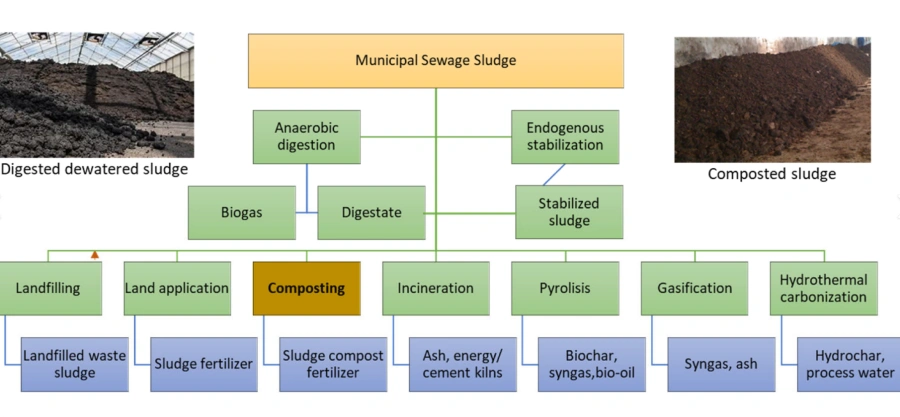
Sludge composting can provide a management option for suitable organic residuals while producing a material that may be used as a soil amendment when applicable requirements are met. For investors, business opportunities may come from biosolids processing contracts, established feedstock supplies, demand for compost products, or the expansion of an existing organic waste processing business.
The first consideration is feedstock security. Municipal wastewater treatment facilities, biosolids processors, and waste management companies may be potential partners. Before committing to a project, investors should evaluate available volumes, material quality, transportation distances, and long-term supply agreements.
The second consideration is the market for the finished product. Depending on product quality and applicable regulations, treated biosolids may be considered for approved uses such as landscaping, soil improvement, or land restoration. Investors should identify potential customers and product specifications before purchasing sludge composting equipment.
A well-designed process can also improve control over mixing, aeration, moisture, temperature, and product consistency. Nevertheless, composting does not automatically make every type of sludge suitable for unrestricted use. Feedstock testing, process monitoring, product testing, and regulatory compliance remain essential to the overall project.
2. What Equipment Is Needed for a Sludge Composting Production Line?
The configuration of a sludge composting equipment system depends on feedstock moisture, solids content, composition, required throughput, available space, and the selected composting method. Some projects require only a composting system, while others need additional machinery to process mature compost into a commercial fertilizer product.
Feedstock Preparation and Mixing
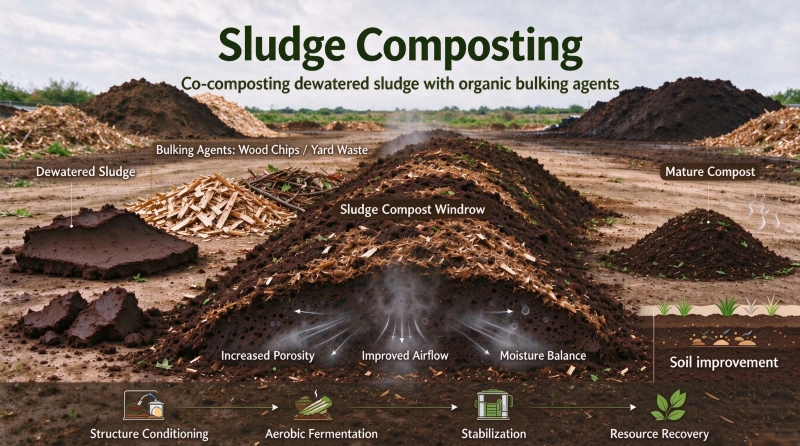
Incoming sludge may require dewatering or other pretreatment before composting. The exact requirements depend on the incoming material and the capabilities of existing treatment facilities. Suitable bulking agents, such as wood chips or processed yard waste, may be mixed with sludge to improve porosity, moisture balance, and airflow.
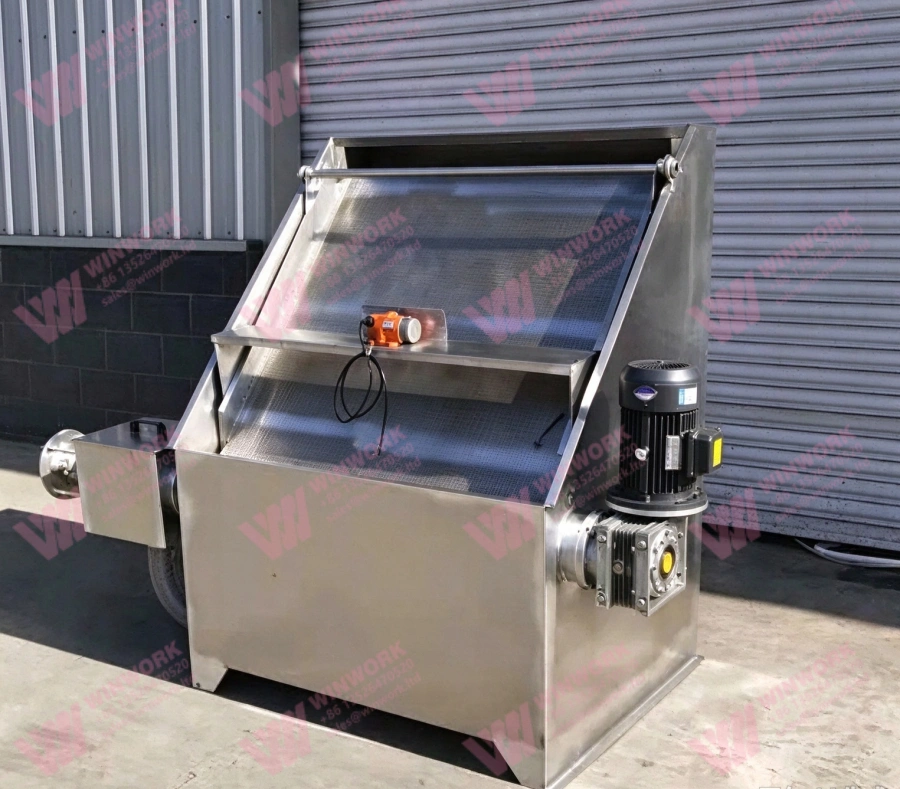
A suitable feeding and mixing arrangement helps distribute materials consistently. When evaluating sludge composting equipment, consider whether the material tends to stick, compact, bridge, or generate dust. Mixing ratios should be established through process assessment and, where practical, material trials.
Composting and Aeration
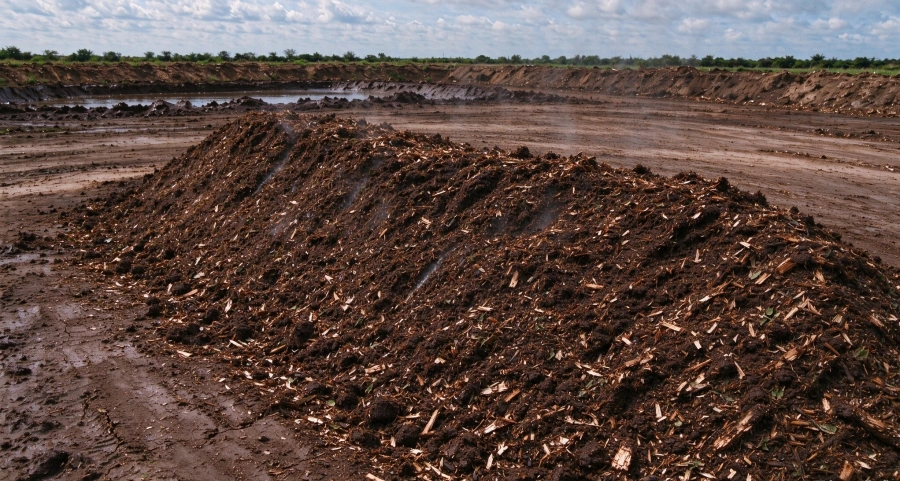
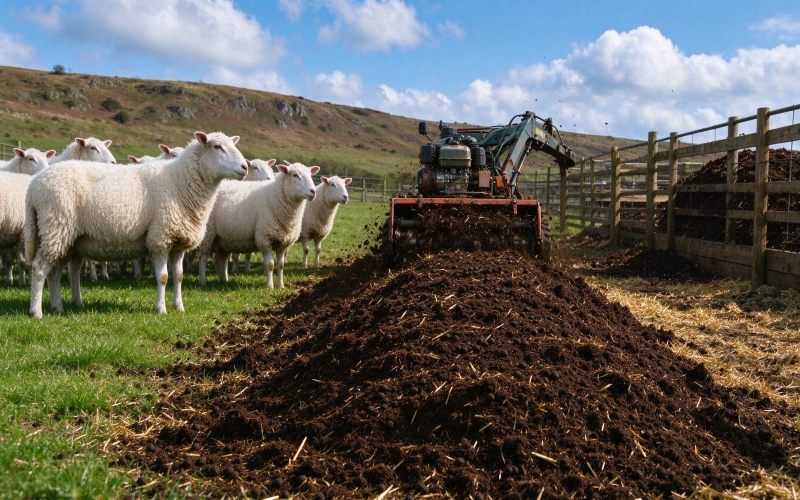
Composting is the central stage of the process. Common approaches include windrow composting, aerated static piles, and in-vessel systems. Each method has different requirements for land, process control, capital investment, and daily operation.
A compost turner can mix and aerate materials in suitable windrow systems. Project developers can review WINWORK compost turners when evaluating equipment for organic waste composting. The appropriate model depends on pile dimensions, site layout, material characteristics, and required operating capacity.
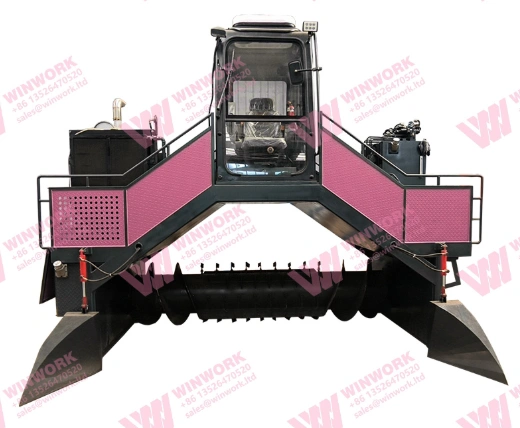
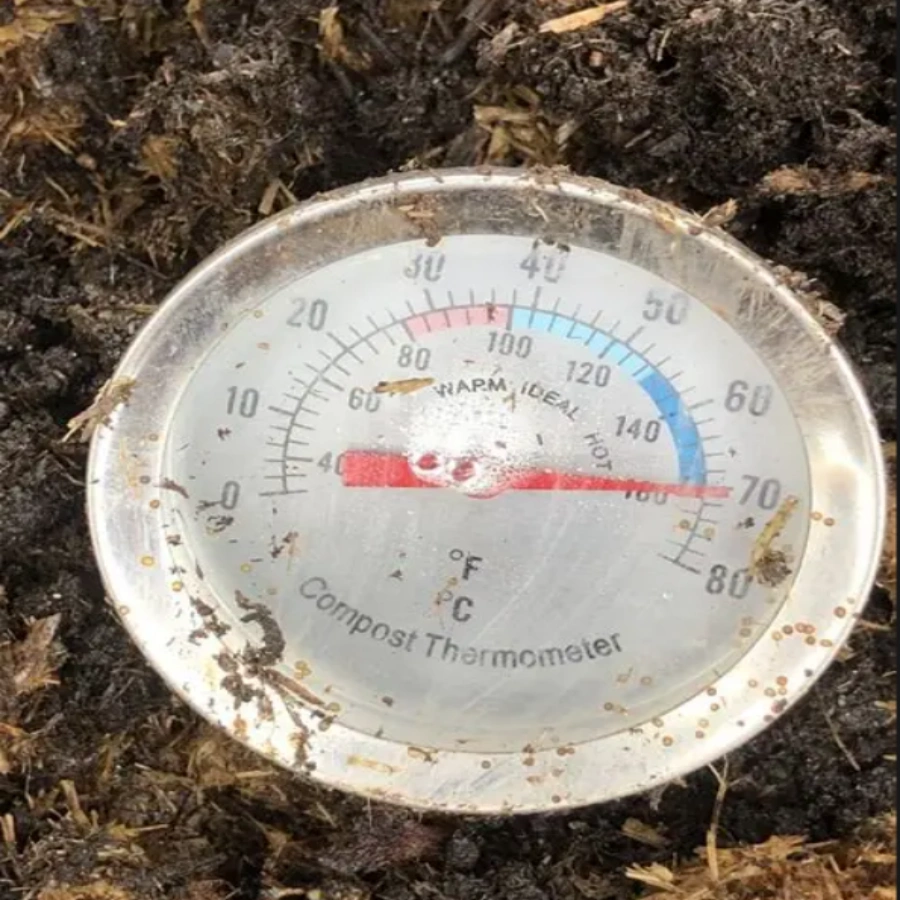
A turner alone, however, does not constitute a complete sludge composting equipment solution. A project may also need aeration systems, temperature monitoring, moisture management, drainage, and odor-control infrastructure. Enclosed systems may be appropriate when a project requires greater containment or more controlled processing conditions.
Screening and Downstream Processing
After active composting and curing, screening can separate oversized material and improve product consistency. Depending on material quality and process design, some recovered bulking agents may be reused.
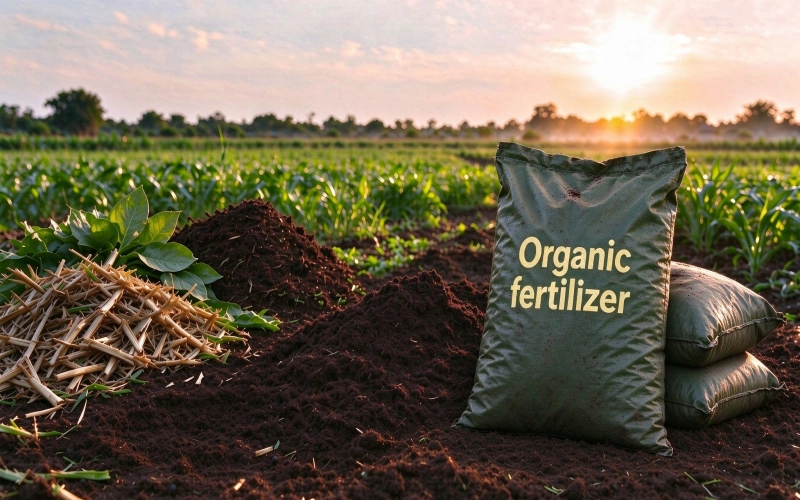
Some facilities stop at finished compost production. Others intend to manufacture a more standardized commercial fertilizer product. In that case, additional machinery may include crushers, mixers, granulators, dryers, coolers, screens, conveyors, and packaging machines.
If downstream processing is part of the business plan, a complete organic fertilizer production line may be worth evaluating. When planning sludge composting equipment, distinguish machinery needed for the composting stage from optional equipment used to convert mature compost into a finished commercial product. This distinction helps control the initial investment and avoid purchasing unnecessary machinery.
3. How to Choose the Right Sludge Composting System
Selecting sludge composting equipment should begin with process requirements rather than a product catalog. A preliminary feasibility study can establish realistic design parameters and reduce the risk of purchasing machinery that does not suit the project.
Match Capacity to Actual Demand
Calculate expected daily input, operating hours, composting residence time, and required storage capacity. Do not size the system solely around average daily tonnage. Seasonal fluctuations, maintenance downtime, curing requirements, and future expansion can all affect the required capacity.
Ask suppliers to explain their capacity calculations and identify the assumptions used. This makes it easier to compare sludge composting equipment proposals on a consistent basis and determine whether the proposed system can handle both current demand and anticipated growth.
Compare Composting Methods and Site Conditions
Windrow systems may suit sites with sufficient working area and suitable material-handling arrangements. Aerated static piles can reduce the need for routine turning during active processing, while in-vessel systems may offer greater containment and process control.
The final choice should consider local climate, odor sensitivity, land availability, labor, energy costs, and permitting conditions. Site planning should also account for vehicle access, storage areas, drainage, utilities, maintenance access, and any required odor-control infrastructure.
The site layout should be reviewed before finalizing the equipment arrangement. Adequate room for loading, turning, aeration, curing, and product storage can affect both daily efficiency and future expansion.
Consider Automation and Maintenance
Automation can support consistent feeding, temperature monitoring, aeration, and operating records. Its value depends on plant scale, process complexity, and staffing.
Evaluate durability, wear parts, cleaning requirements, maintenance access, and technical support—not just the initial purchase price. A machine that is difficult to maintain or poorly matched to the feedstock may increase downtime and operating costs.
4. Sludge Composting Equipment Cost and Project Planning
There is no universal price for a commercial sludge composting facility. The total investment in sludge composting equipment and supporting infrastructure depends on processing capacity, feedstock condition, composting technology, site preparation, environmental controls, and automation requirements.
A practical budget should separate the following cost categories:
- Core machinery: Feeding, mixing, compost turning or aeration, conveyors, screening, and control systems.
- Site and civil works: Foundations, roads, drainage, storage areas, buildings, and utility connections.
- Environmental systems: Odor treatment, ventilation, stormwater management, and other measures required by the site and permits.
- Installation and commissioning: Transportation, assembly, electrical work, testing, and operator training.
- Operating expenses: Labor, energy, bulking agents, maintenance, laboratory testing, transportation, and residue management.
Investors should also budget for engineering, permitting, contingency, and working capital. Equipment quotations may exclude civil construction or environmental infrastructure, so the supplier’s scope of supply must be clearly defined.
Before requesting a quotation, prepare a project brief covering feedstock source, estimated daily throughput, moisture and solids data, proposed process, site dimensions, local climate, intended product, and automation requirements. Identify any assumptions that still need to be verified.
A clear project brief helps suppliers recommend a suitable sludge composting equipment configuration rather than simply quoting individual machines. For larger projects, coordinate the equipment proposal with process engineers, environmental consultants, civil contractors, and the project owner.
5. How to Select a Sludge Composting Equipment Supplier
A suitable supplier should understand the complete process and the role of each machine within the production line. Evaluate its ability to assess feedstock, explain capacity assumptions, recommend an appropriate configuration, and coordinate equipment interfaces.
Request detailed specifications covering throughput, material conditions, power requirements, wear parts, corrosion protection, control systems, installation responsibilities, and after-sales support. Clarify whether the proposed supply includes only composting machinery or also feeding, aeration, odor control, screening, and downstream product processing.
Ask for relevant project experience, a process flow diagram, and a preliminary equipment layout. If the business plan includes commercial fertilizer production, confirm which machines are necessary for composting and which are optional for granulation, drying, cooling, and packaging.
When comparing sludge composting equipment suppliers, evaluate the complete proposal rather than focusing on the price of a single machine. A well-matched configuration, clear technical specifications, and accessible maintenance support may be more valuable than a low initial quotation.
You can explore WINWORK Machinery for fertilizer equipment and project solutions. Related resources are also available from Fertilizer Industry Leader, and Organic Fertilizer Line. Compare the actual scope of supply, technical specifications, and engineering support rather than relying on general product descriptions alone.
Conclusion
Developing a sludge composting facility requires coordinated decisions about feedstock, process design, equipment, site infrastructure, regulatory compliance, and product markets. The best sludge composting equipment solution is not necessarily the largest or most automated system, but the configuration that matches the project’s material characteristics, operating plan, budget, and approved end use.
Before investing, define the project requirements, verify the regulatory pathway, assess the market, and request a proposal based on real feedstock data. With careful planning and a clearly defined equipment scope, project developers can make better-informed decisions and build a reliable sludge composting operation.
For more details, please feel free to contact us.
Email: sales@lanesvc.com
Contact number: +8613526470520
Whatsapp: +8613526470520
Get A Quote