

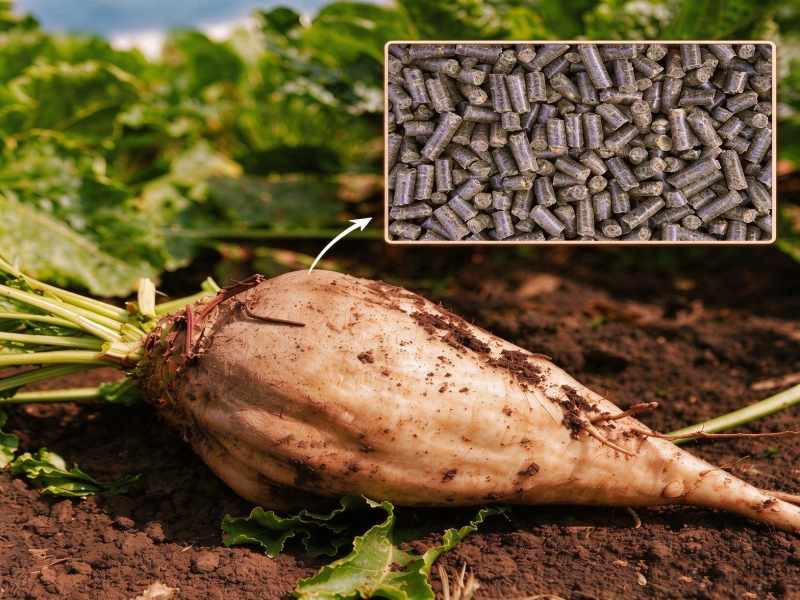
Have a Steady Supply of Sugar Beet Pulp?
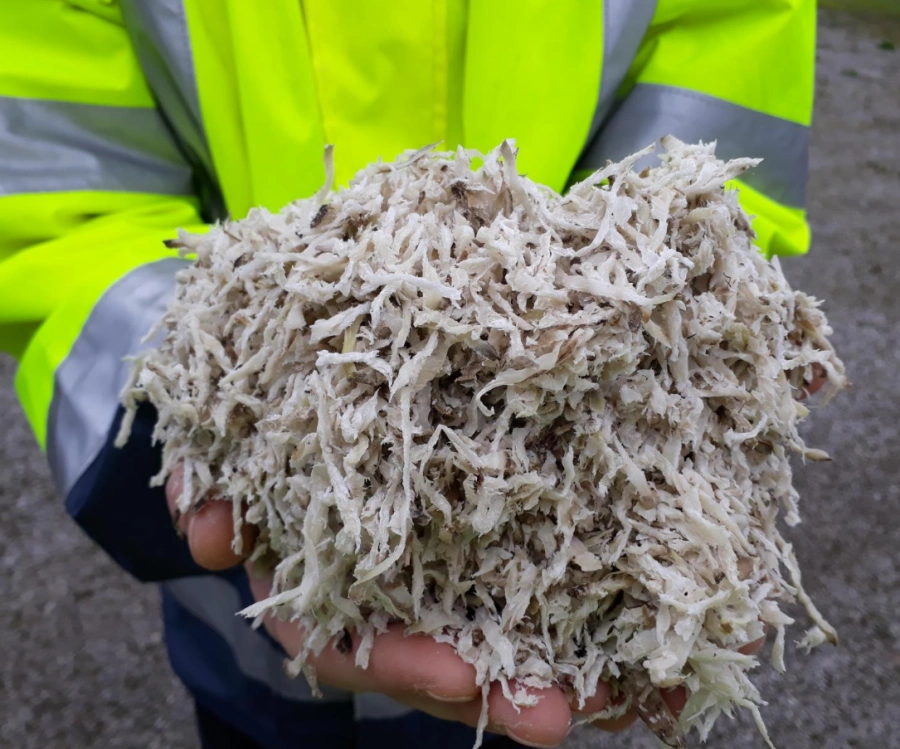
If you have a reliable supply of sugar beet pulp, the next question is how to turn it into a consistent, marketable product. Planning a sugar beet pulp animal feed production line involves more than selecting a pellet mill. You also need to consider raw material moisture, daily supply, processing capacity, energy consumption, and the requirements of your target market.
Perhaps you can obtain pulp directly from a sugar factory, or you already have a supplier who can provide it throughout the year. In either case, the first step is to understand how much usable material you can secure and what condition it arrives in.
Before investing in a sugar beet pulp animal feed processing line, ask yourself a few practical questions:
- How much pulp can you obtain? Estimate your daily or monthly supply rather than relying on the maximum quantity available during the harvest season.
- What condition is the pulp in? Fresh, pressed, and dried pulp require different handling and preparation arrangements.
- Who will buy the finished product? Livestock farms and feed distributors may have different requirements for pellet size, packaging, and product quality.
- Will production run throughout the year? Seasonal supply may require additional storage or a different production schedule.
These details help determine whether you need a compact setup or a more complete processing system. They also prevent a common mistake: purchasing equipment based on its advertised capacity before confirming whether your raw material supply and expected sales can support that output.
What Should You Check Before Processing Sugar Beet Pulp?
Before choosing equipment, take a closer look at the material you will actually process. Two sugar beet pulp animal feed projects can require different configurations even when both use the same basic raw material.
Moisture content is one of the first things to check. Fresh or pressed pulp contains considerably more water than dried pulp. If your material is wet, you may need a drying stage before pelletizing, depending on the required product specifications and the selected machine. Drying can influence both initial investment and energy consumption, so it should be considered early.
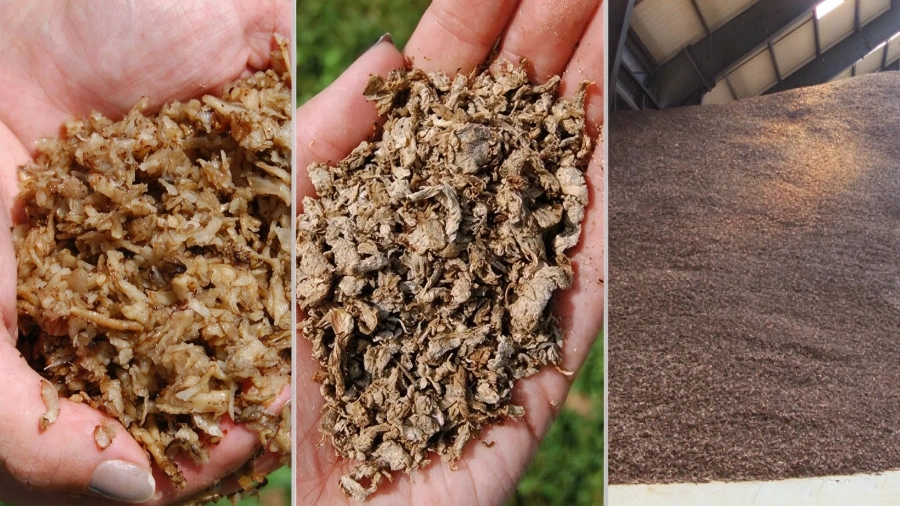
Particle size and consistency also matter. Large pieces, uneven material, or foreign matter can affect feeding and processing. Depending on the incoming material, preliminary screening, size reduction, or other preparation steps may be necessary.
Storage conditions deserve attention, too. Wet pulp can deteriorate if it is stored improperly or for too long. If your supply arrives in large batches, consider how quickly it can be processed and whether your storage area can protect the material from contamination and weather.
Finally, clarify the finished product you want to make. Are you planning to sell loose material, or do you need uniform pellets that are easier to handle, store, and transport? What pellet diameter does your target market prefer? Are there local nutritional, safety, or quality requirements that your product must meet?
These answers give your supplier a clearer understanding of your sugar beet pulp animal feed project. They also make quotations easier to compare because you can evaluate complete processing solutions instead of looking at individual machine prices alone.
Which Equipment Do You Actually Need for Sugar Beet Pulp Animal Feed?
The equipment configuration depends mainly on the condition of your raw material and the form of the finished product. A sugar beet pulp animal feed production line may include several processing stages, but not every facility needs every machine.
Raw material preparation
If the pulp arrives wet, a suitable drying system may be needed to reduce moisture before further processing. If it is already dried to an appropriate level, drying equipment may be unnecessary or the required capacity may be smaller. Conveyors, hoppers, screening equipment, and size-reduction machines can be added when the material requires them.
Do not select a dryer solely by looking at its stated capacity. Ask whether the rating applies to your incoming material, what moisture reduction is expected, and how much energy the process may consume. These factors directly affect the operating cost of your sugar beet pulp animal feed line.
Mixing and formulation
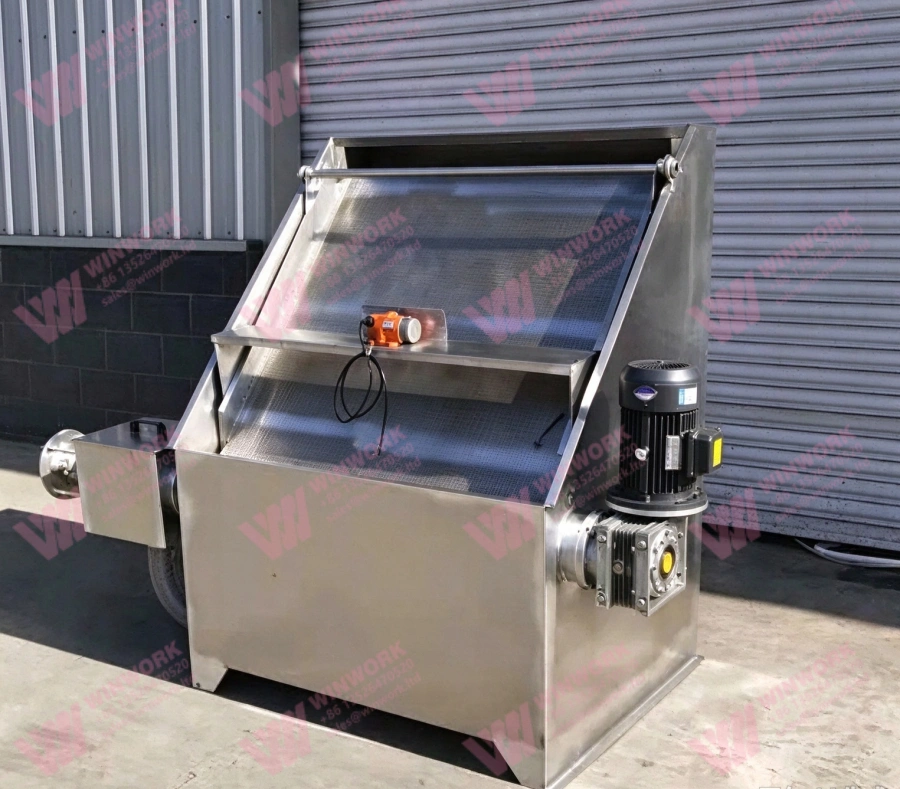
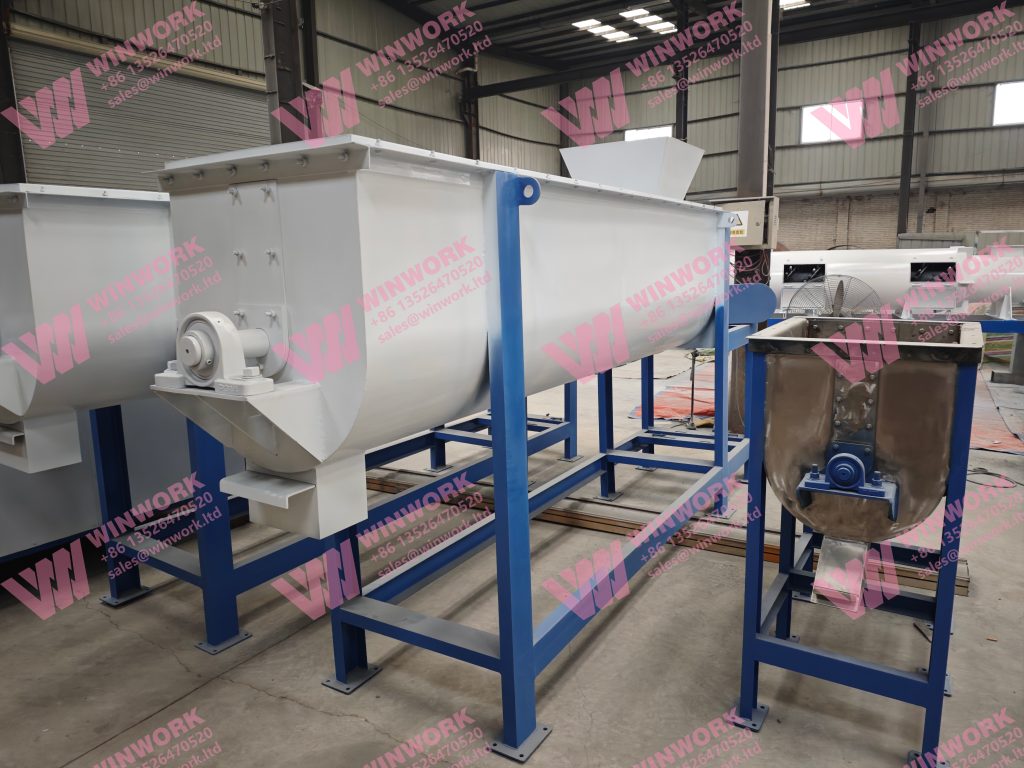
Depending on your feed formula, a mixer may be needed to combine sugar beet pulp with other ingredients. The appropriate configuration depends on the recipe, batch size, and required uniformity. If you process pulp alone, the arrangement may be simpler. If you produce a formulated feed, accurate ingredient proportioning and consistent mixing become more important.
Before purchasing a mixer, confirm its actual processing rate and whether it can keep up with the pelletizing stage. A machine that performs well on its own may still create a bottleneck when connected to the rest of the line.
Pelletizing equipment
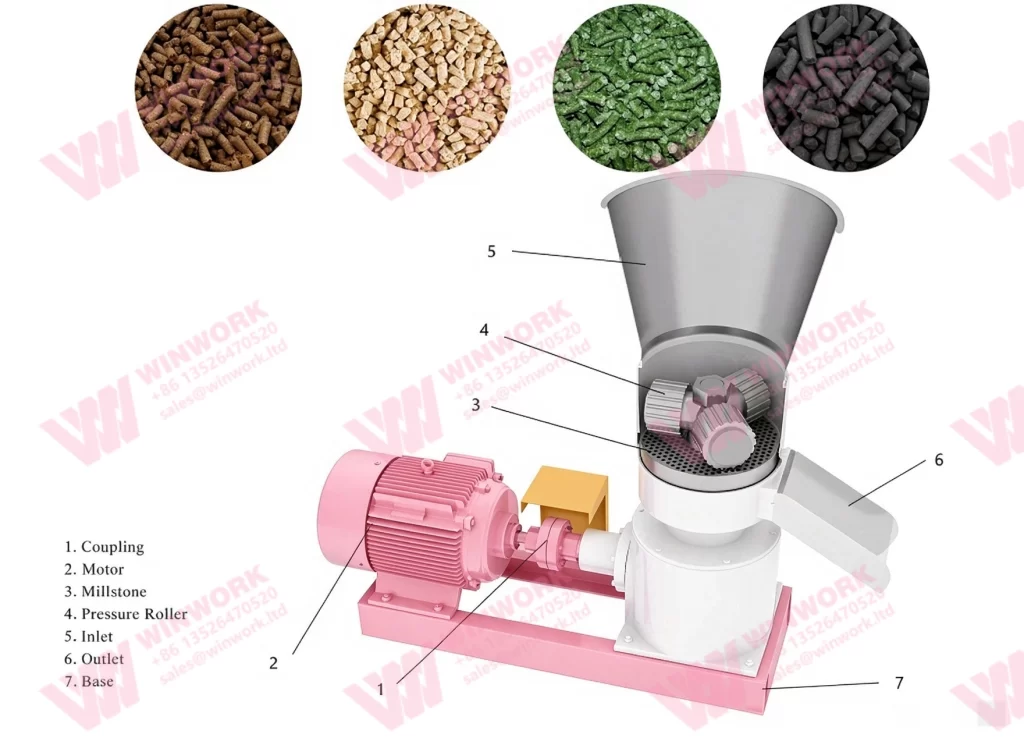
For pellet production, the two options worth discussing are a flat die granulator and a ring die pellet mill. The right choice depends on your required output, operating schedule, material characteristics, and budget.
A flat die granulator may suit smaller-scale sugar beet pulp animal feed projects or operations that want a relatively compact setup. You can review the specifications on WINWORK’s flat die granulator product page and discuss which model may fit your requirements.
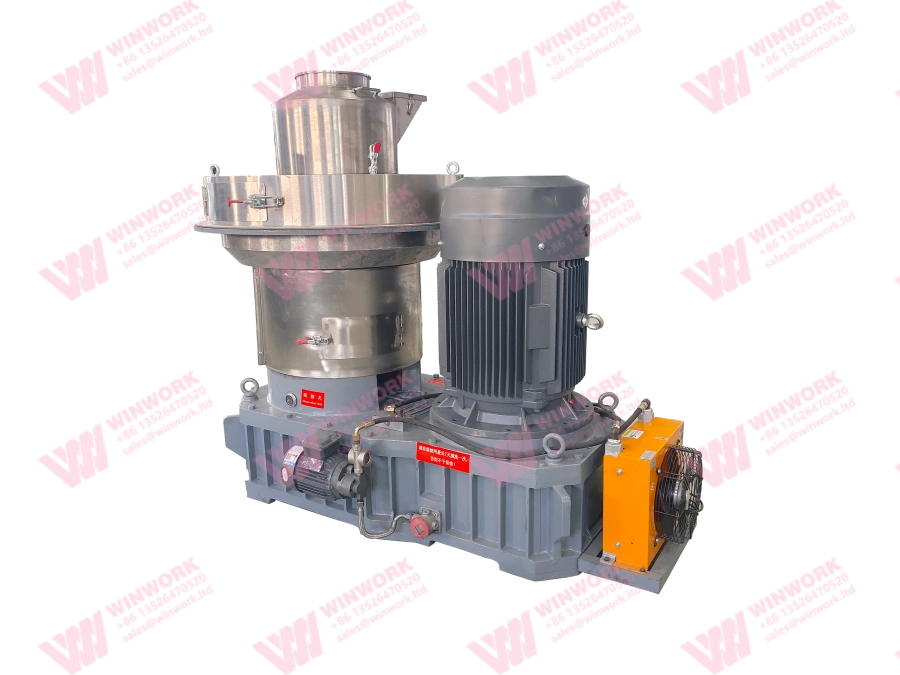
A ring die pellet mill may be more appropriate for projects targeting higher or more continuous production, depending on the material and machine configuration. However, do not choose between these options based on the machine name alone. Ask the supplier to evaluate your actual pulp and confirm whether the proposed equipment can produce pellets of the required size and quality.
Cooling, screening, conveying, and packaging
Pellets may need to be cooled after forming so they can be handled and stored appropriately. Screening can separate undersized particles or fines, while conveyors move material between processing stages. A packaging system can then be selected according to whether you plan to use small bags, large bags, or bulk delivery.
These downstream machines are easy to overlook when comparing quotations. However, if pelletizing is fast but cooling or packaging is too slow, the entire sugar beet pulp animal feed line may fail to achieve its expected output. Check the capacity of each stage as part of one integrated system.
How Much Sugar Beet Pulp Can Your Production Line Handle?
Your planned output should be based on realistic raw material availability and operating hours, not simply on the largest machine you can afford.
For example, suppose you can secure 8 tonnes of usable raw material per day and plan to operate for 8 hours. The average incoming material flow would be 1 tonne per hour before accounting for moisture removal, processing losses, downtime, and other factors. If the material is wet, the quantity of finished product may be substantially lower after drying.
This is why it is important to distinguish between incoming raw material capacity and finished pellet output. They are not necessarily the same figure, especially when planning a sugar beet pulp animal feed plant that includes drying.
When discussing capacity with an equipment supplier, prepare the following information:
- The quantity of sugar beet pulp available per day or month.
- Whether the pulp is fresh, pressed, or dried.
- The approximate incoming moisture content, if known.
- The number of hours you intend to operate each day.
- The target finished output in tonnes per hour or tonnes per day.
- The pellet diameter and packaging format you require.
Also consider future expansion. If your supply is expected to increase, ask whether the proposed layout can accommodate additional equipment later. At the same time, avoid paying for excess capacity that may remain unused for most of the year.
A well-planned sugar beet pulp animal feed production line should match the pace of the entire process, from raw material preparation to finished-product packaging. The goal is not simply to buy a high-capacity pellet mill; it is to achieve a practical and sustainable production rate.
What Could Increase the Cost of Your Feed Processing Project?
There is no single price that applies to every sugar beet pulp animal feed project. The total investment depends on the incoming material, target output, equipment configuration, automation level, and installation requirements.
Raw material moisture is a major cost factor. Processing wet pulp may require drying equipment and additional energy. If you can obtain pulp that has already been dried to a suitable level, your initial equipment requirements may be different. However, the purchase price and transport cost of that material should also be considered.
Production capacity affects equipment selection. A small operation may need only basic preparation and pelletizing equipment, while a larger facility may require higher-capacity machines, additional conveyors, more storage, and automated packaging. Increasing capacity can therefore affect much more than the price of the pellet mill itself.
Automation and layout also influence the budget. Manual feeding and packaging may reduce the initial investment in some projects, but they can increase labor requirements. Automated conveying, weighing, and packaging may improve handling efficiency, although they add equipment and control-system costs.
Other items to include in your budget are electrical installation, foundations or supporting structures where required, shipping, commissioning, spare parts, and routine maintenance. If the equipment will be installed in an existing workshop, check the available floor space, power supply, ventilation, and material flow before finalizing the layout.
How to Choose a Suitable Sugar Beet Pulp Animal Feed Production Line
The best configuration is the one that fits your raw material, production target, available space, and investment plan. Before making a decision, ask potential suppliers to explain how their proposed equipment will handle your specific material.
A useful evaluation should cover several points:
- Material suitability: Can the proposed equipment process your pulp at its current moisture level and particle size?
- Output verification: What finished pellet output can you reasonably expect under the proposed operating conditions?
- Equipment matching: Can drying, mixing, pelletizing, cooling, screening, and packaging work together without creating major bottlenecks?
- Operating costs: What are the estimated power requirements, labor needs, and routine maintenance requirements?
- Technical support: Can the supplier provide layout recommendations, operating guidance, spare parts, and after-sales support?
- Room for expansion: Can the configuration be adjusted if your raw material supply or customer demand increases?
If possible, provide a raw material sample or detailed material specifications before confirming the machine model. This gives the supplier a better basis for recommending a flat die granulator or ring die pellet mill and determining whether additional preparation equipment is necessary.
For more details, please feel free to contact us.
Email: sales@lanesvc.com
Contact number: +8613526470520
Whatsapp: +8613526470520

Get A Quote